Among the more ambitious parts of Joe Biden's policy agenda, announced to little fanfare just before the pandemic hit back in February, is a relatively straightforward idea: make the federal housing voucher program — known as Section 8 — universal, available to every low-income family who qualifies.
That policy alone, the focal point of Biden's $640 billion housing plan, would go a long way toward solving this country's affordable housing crisis, according to Julian Castro, the former HUD secretary under President Obama.
The crisis has been exacerbated by COVID-19; an estimated 20 million people are at risk of eviction over the next several months, as state and local moratoriums enacted in March begin to expire along with the federal enhanced unemployment benefits. But even in the absence of an event like coronavirus, expanding Section 8 might be the single best — and most realistic — policy that a Biden administration could pass that would close the delta between families who need access to affordable housing, and families who actually get it, according to Castro. (Right now, an estimated 11 million people are left out).
While homelessness had been on the decline, it has ticked back up in recent years, partially, Castro said, because the Trump administration has not prioritized action on affordable housing
In a separate interview with Cheddar on Monday, current HUD Sec. Ben Carson said that education is the single most important thing when it comes to lifting people out of poverty and homelessness.
Education is clearly important, Castro said, but it gives a pass to the federal government's responsibility to invest in housing.
"There's no commitment in this administration to actually make those investments," he said, noting that there has been no action in the Republican-controlled Senate on the HEROES Act, which would provide $100 billion in emergency rental assistance for those affected by the pandemic.
But the root problem — spiking rents, not enough inventory, a general decline in the welfare state — long preceded coronavirus.
"The scale of the problem we have...requires significant federal government investment in more affordable housing," Castro said.
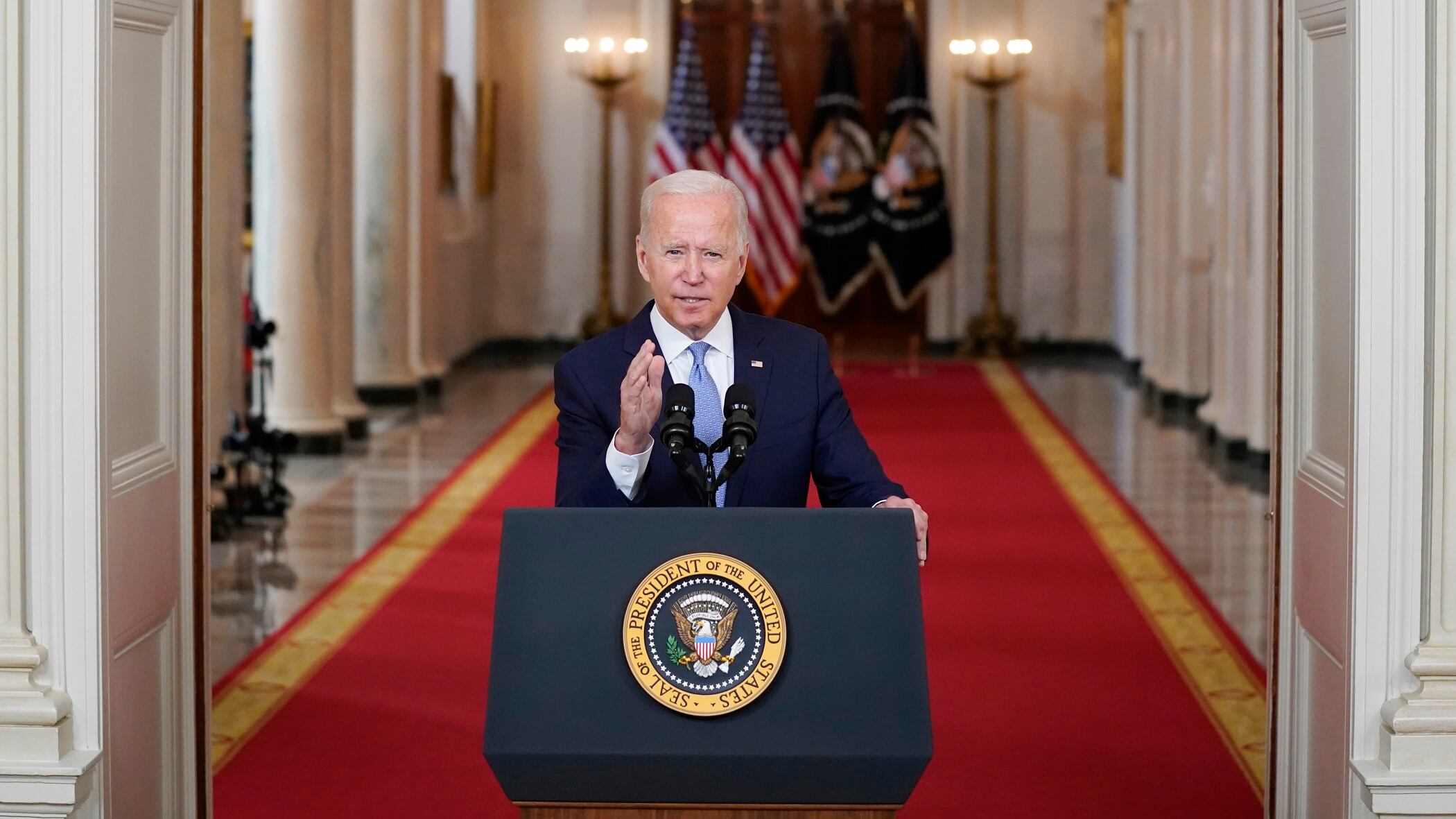
Addressing the nation, President Joe Biden is defending the way the U.S. ended its 20-year “forever war” in Afghanistan.
In his opening remarks for the Jackson Hole Economic Symposium, Federal Reserve Chair Jerome Powell signaled that the central bank could begin tapering its $120 billion in monthly asset purchases this year.
California Governor Gavin Newsom is facing a recall election in about two weeks. Newsom was elected governor in 2018 with nearly 62% of the vote after working as lieutenant governor for eight years. However, his popularity took a hit after his handling of Covid-19 pandemic, although the White House is refusing to cite this as the direct reason for the September 14th recall election. There are 46 candidates running to be Newsom's replacement, and some are saying that California could end up electing a republican governor.
Jeremy White, California politics reporter and co-writer of daily California Playbook Newsletter at Politico, joined Cheddar Politics to discuss more about the election and its possible outcomes.
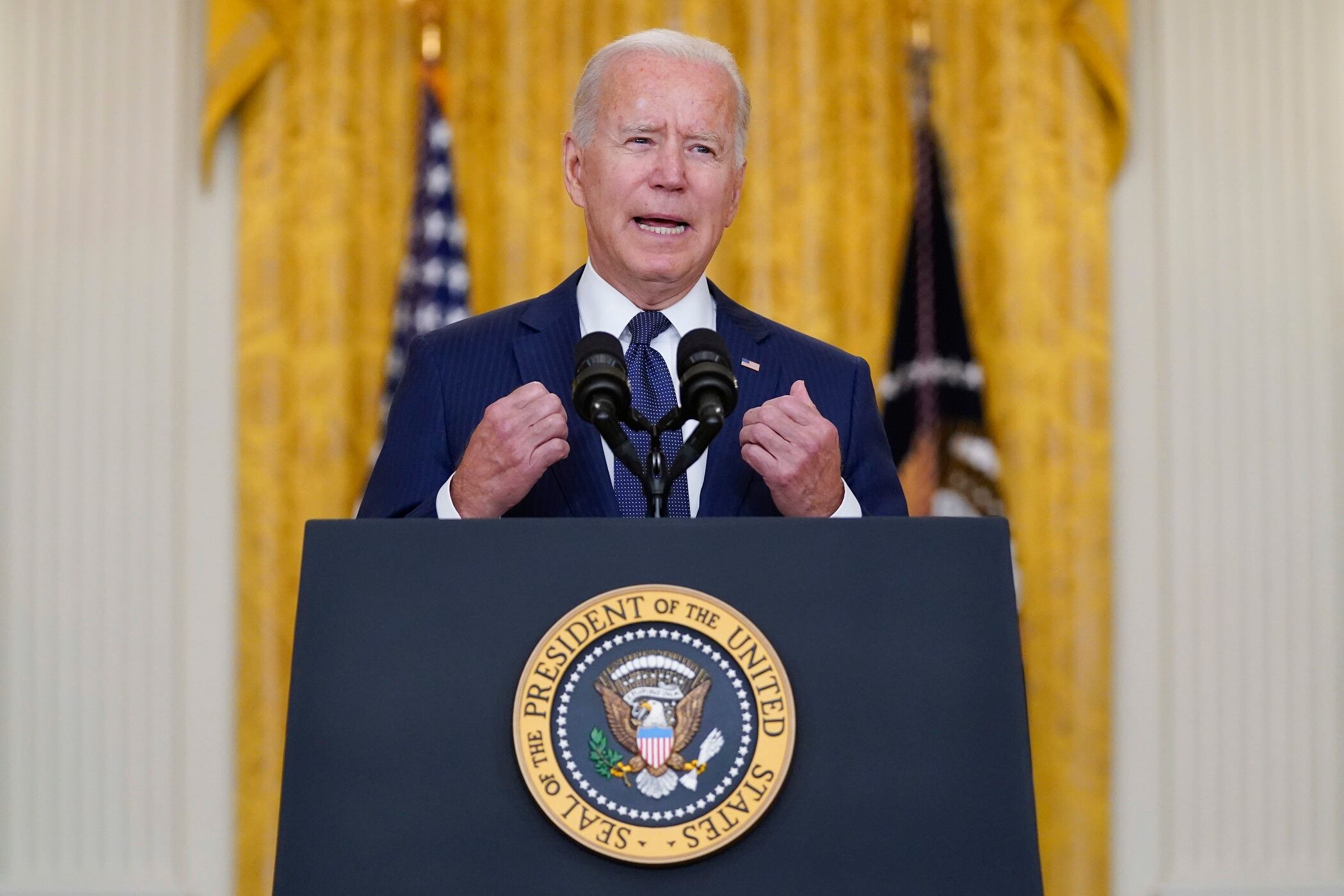
President Joe Biden says the United States will complete it's evacuation of Americans and others from Kabul, despite the attack that killed 12 U.S. service members and many Afghan civilians.
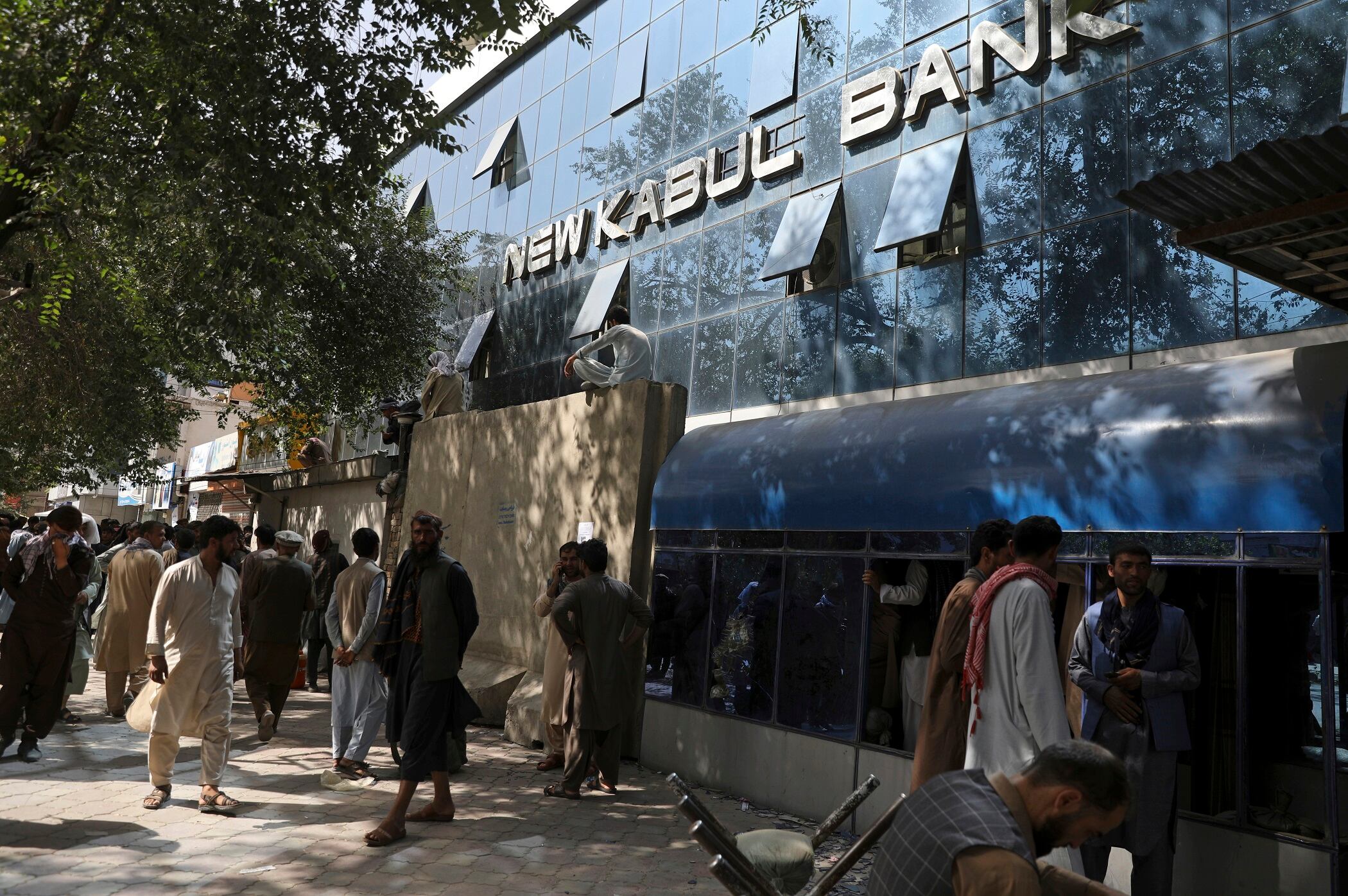
Crypto-enthusiasts are taking to social media to urge regular Afghans to adopt bitcoin in the face of considerable economic uncertainty.
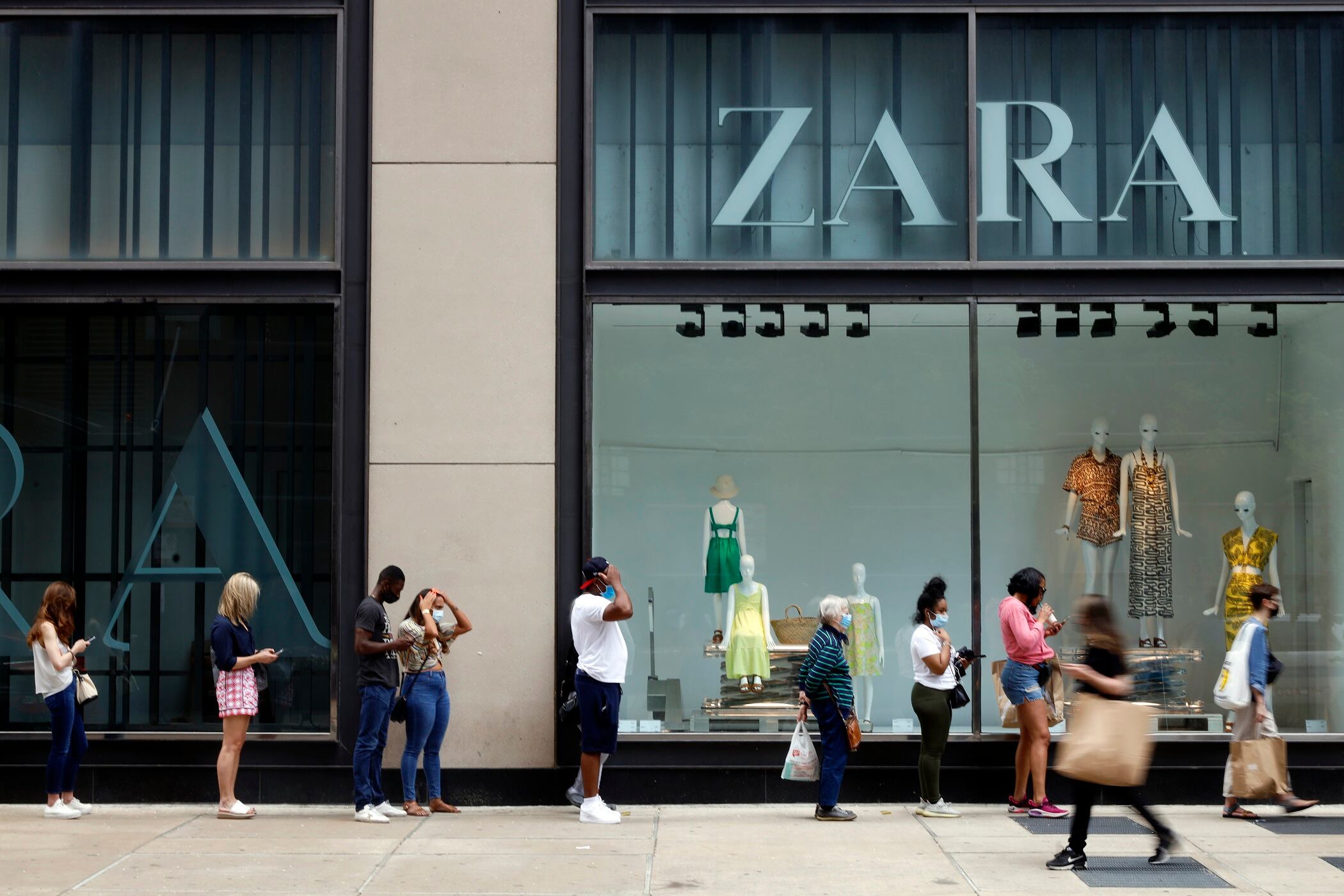
The U.S. economy grew at a 6.6% annual rate last quarter, slightly faster than previously estimated, the government said Thursday in a report that pointed to a sustained consumer-led rebound from the pandemic recession.
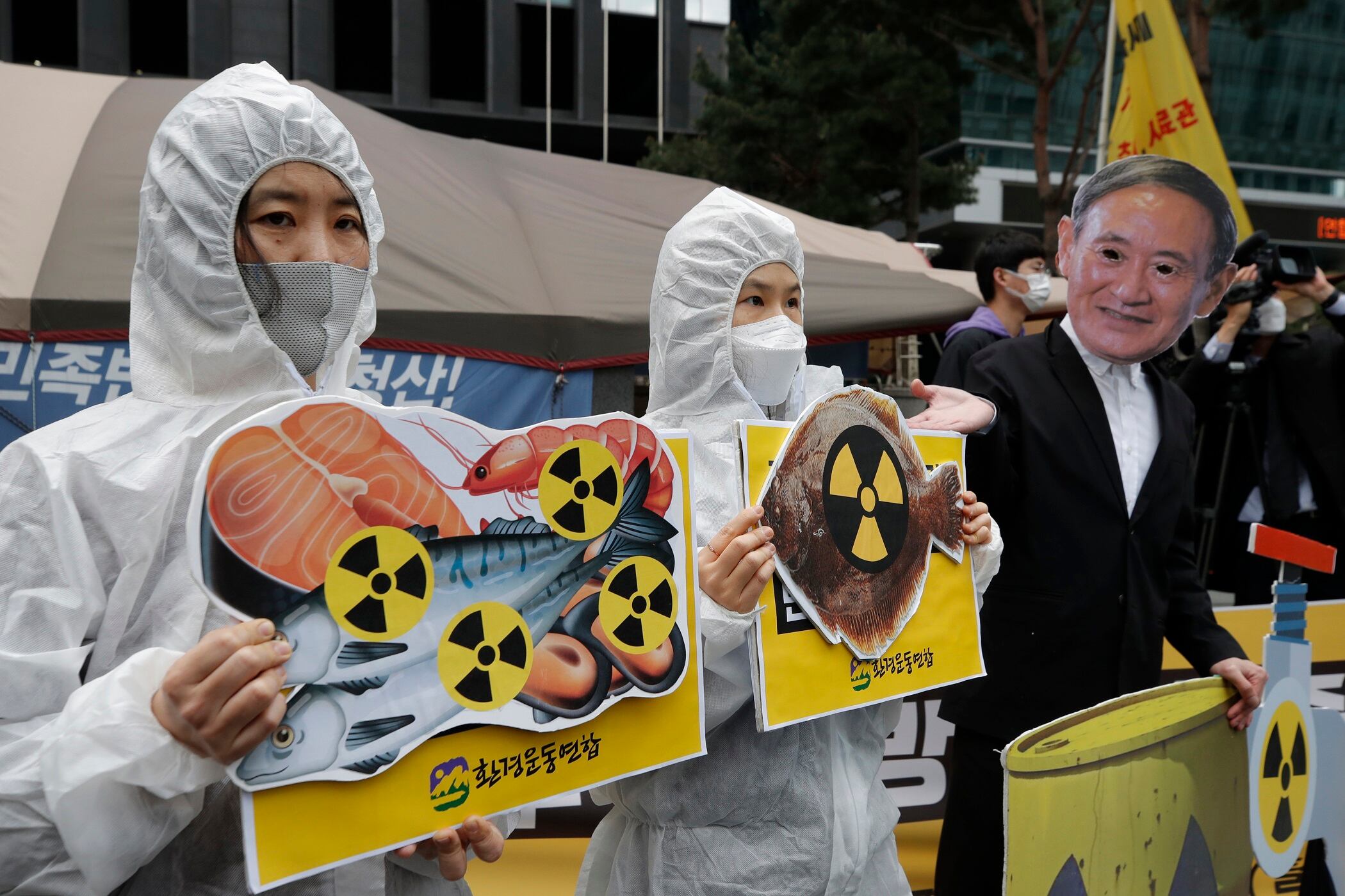
The operator of the wrecked Fukushima nuclear power plant says it plans to build an undersea tunnel so that massive amounts of treated but still radioactive water can be released into the ocean about 1 kilometer (0.6 mile) away from the plant to avoid interference with local fishing.
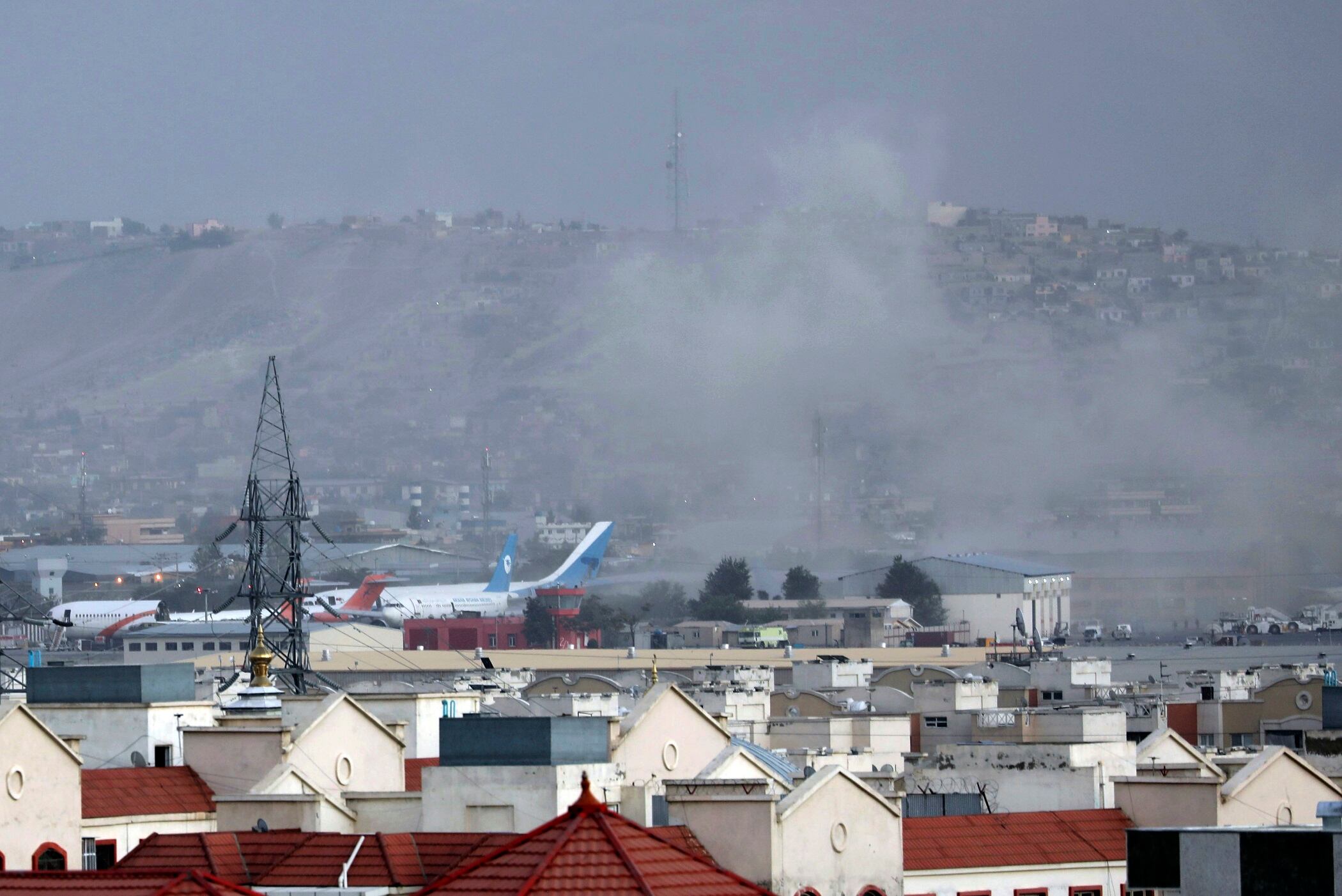
Two suicide bombers and gunmen have targeted crowds of Afghans flocking to Kabul’s airport, in the waning days of a massive airlift that has drawn thousands of people seeking to flee the Taliban takeover of Afghanistan.
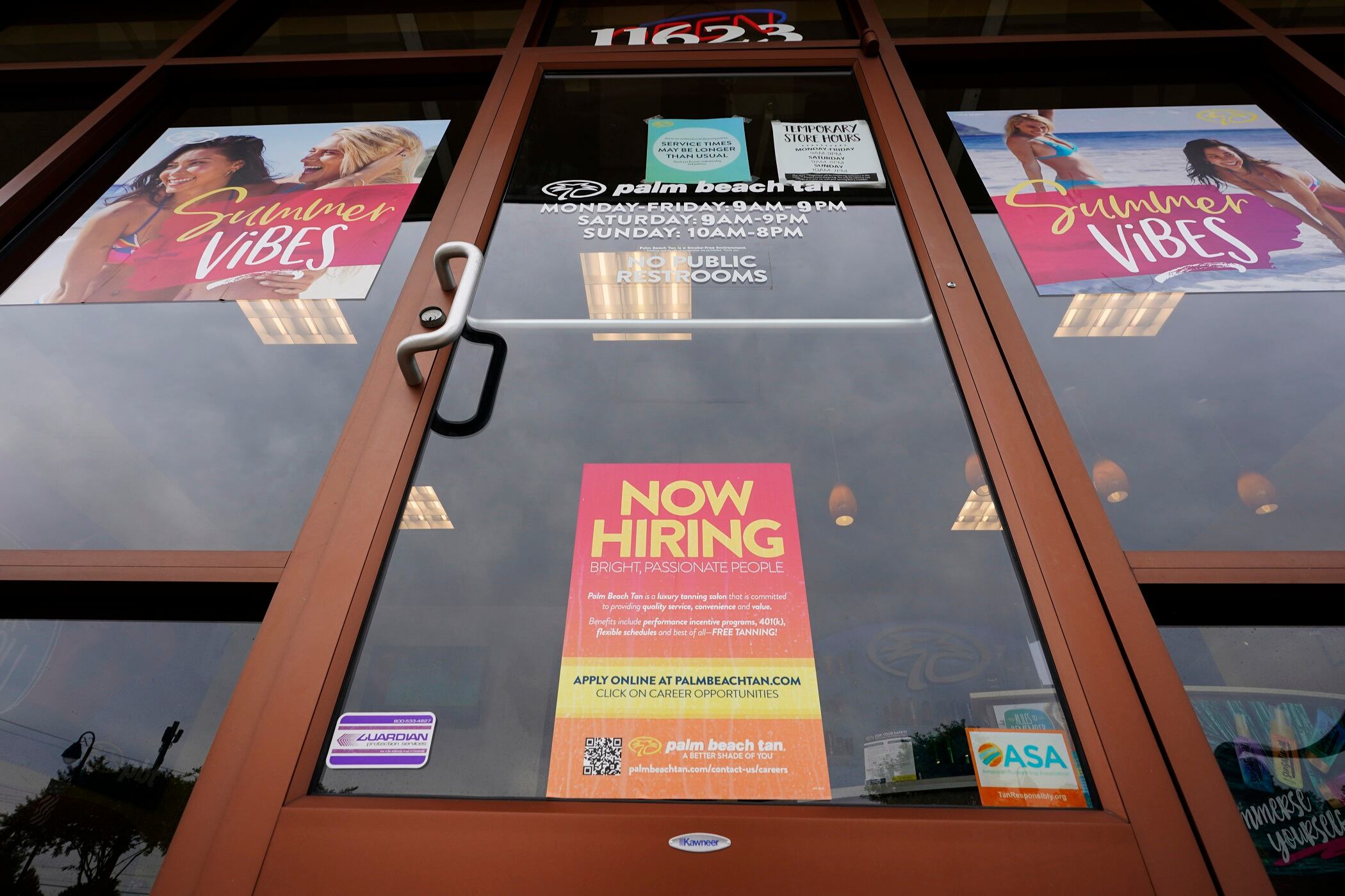
The number of Americans applying for unemployment benefits rose for the first time in five weeks even though the economy and job market have been recovering briskly from the coronavirus pandemic.
Secretary of State Blinken said Wednesday that as many as 1,500 Americans may be awaiting evacuation from Afghanistan.