Among the more ambitious parts of Joe Biden's policy agenda, announced to little fanfare just before the pandemic hit back in February, is a relatively straightforward idea: make the federal housing voucher program — known as Section 8 — universal, available to every low-income family who qualifies.
That policy alone, the focal point of Biden's $640 billion housing plan, would go a long way toward solving this country's affordable housing crisis, according to Julian Castro, the former HUD secretary under President Obama.
The crisis has been exacerbated by COVID-19; an estimated 20 million people are at risk of eviction over the next several months, as state and local moratoriums enacted in March begin to expire along with the federal enhanced unemployment benefits. But even in the absence of an event like coronavirus, expanding Section 8 might be the single best — and most realistic — policy that a Biden administration could pass that would close the delta between families who need access to affordable housing, and families who actually get it, according to Castro. (Right now, an estimated 11 million people are left out).
While homelessness had been on the decline, it has ticked back up in recent years, partially, Castro said, because the Trump administration has not prioritized action on affordable housing
Education is clearly important, Castro said, but it gives a pass to the federal government's responsibility to invest in housing.
"There's no commitment in this administration to actually make those investments," he said, noting that there has been no action in the Republican-controlled Senate on the HEROES Act, which would provide $100 billion in emergency rental assistance for those affected by the pandemic.
But the root problem — spiking rents, not enough inventory, a general decline in the welfare state — long preceded coronavirus.
"The scale of the problem we have...requires significant federal government investment in more affordable housing," Castro said.
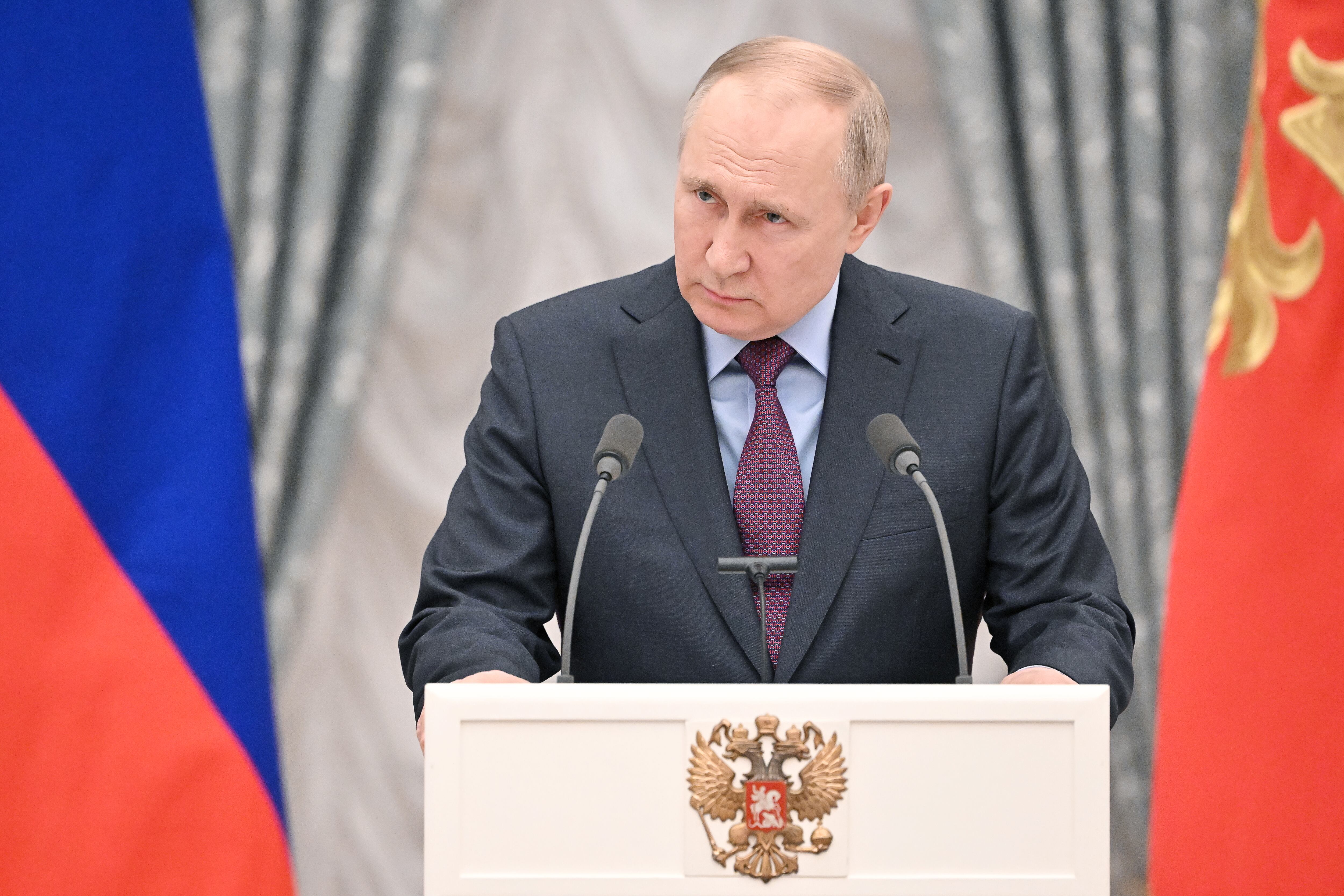
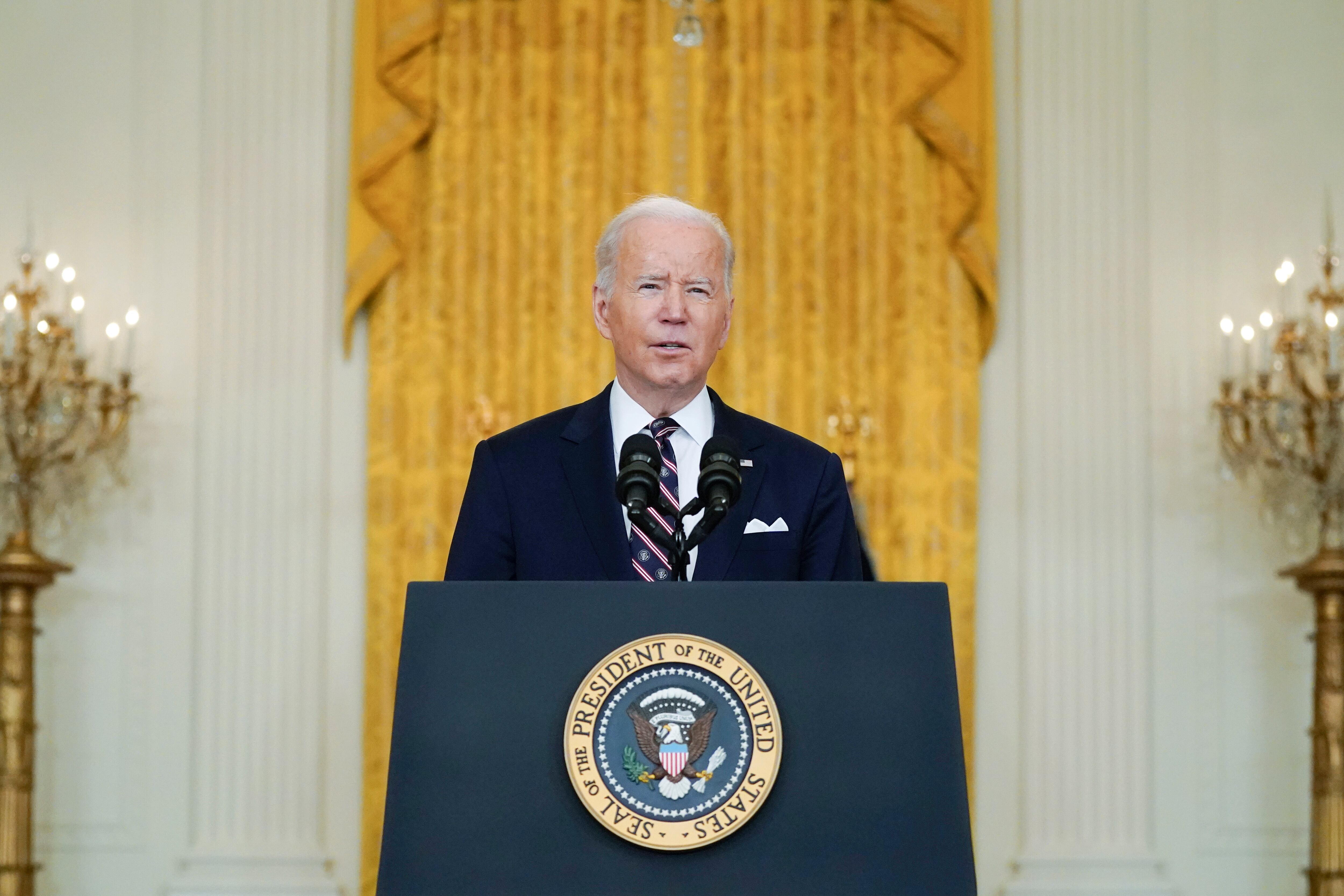
President Joe Biden said Tuesday that the U.S. will begin to impose sanctions on Russia, calling recent troop movement into Ukraine an 'invasion.' Biden and other government officials including from the State Department have begun to classify the Russian troop movement as an invasion after Russian President Vladimir Putin ordered troops to two independent Ukrainian areas in an alleged "peacekeeping" mission — which the West considers an act of aggression. Biden said Russia will continue to pay 'an even steeper price' if it continues sending troops into Ukraine. What happens next? Will Putin find a way around these sanctions? Ariel Cohen, senior fellow at the Atlantic Council, joins Closing Bell to discuss Biden's remarks, how the West will protect Ukraine since it doesn't belong to NATO, and more.
Russian lawmakers have given President Vladimir Putin a military force authorization in Ukraine, and President Biden has described Putin's announcement declaring the independence of two provinces within Ukraine and his subsequent deployment of peacekeepers as tantamount to "invasion. David Tafuri, a former Obama campaign foreign policy advisor and Bush State Department official, joined Cheddar News to discuss. "The Ukrainian military occupies more than 70 percent of those provinces still," Tafuri said, noting Putin alleged having a responsibility to defend those regions. "This would put Ukrainian forces and Russian forces right at each other engaged. And that might be how the war starts."
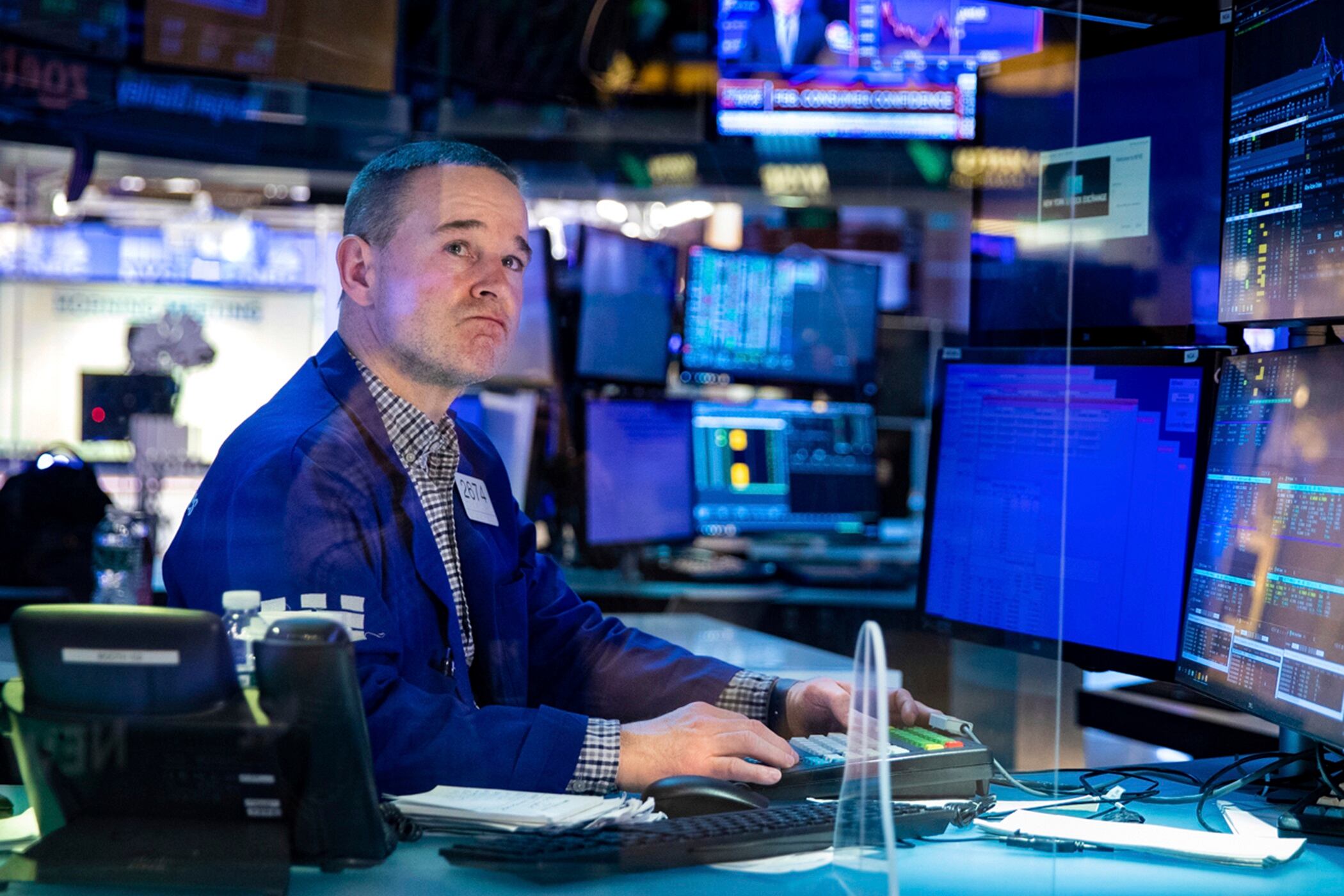
The major indexes ended Tuesday's session sharply lower due to escalating tensions between Russia and Ukraine. Bill Stone, Chief Investment Officer at The Glenview Trust Company, joins Cheddar News' Closing Bell, where he reminds viewers that Wall Street doesn't like uncertainty, and more of the recent losses are due to geopolitics than inflation.
Karim Hijazi, CEO of Prevailion, joins Cheddar News' Closing Bell, where he says that crypto's decentralized nature will pose obstacles for the FBI's new crypto unit, but it will also make progress with items such as managing fraudulent exchanges.
The Retail Industry Leaders Association released a report alleging the safety risks, economic losses, and potential job losses they link to a surge in shoplifting crimes in the United States. Lisa LaBruno, senior EVP of retail operations at the trade organization, joined Cheddar News to discuss the impact of websites that allow for the resale of unverified goods and passing the INFORM Consumers Act to stamp it out. “We need to hold the online marketplaces accountable for being a favored venue for criminals to resell stolen product," LaBruno said. "And that is exactly what the INFORM Act is designed to do."
The East-West faceoff over Ukraine has escalated dramatically, with Russian lawmakers authorizing President Vladimir Putin to use military force outside his country and President Biden and European leaders responding by slapping sanctions on Russian oligarchs and banks.
Stocks closed broadly lower Tuesday after Russia sent forces into Ukraine’s eastern region and the U.S., European Union and U.K. responded with economic sanctions.