Among the more ambitious parts of Joe Biden's policy agenda, announced to little fanfare just before the pandemic hit back in February, is a relatively straightforward idea: make the federal housing voucher program — known as Section 8 — universal, available to every low-income family who qualifies.
That policy alone, the focal point of Biden's $640 billion housing plan, would go a long way toward solving this country's affordable housing crisis, according to Julian Castro, the former HUD secretary under President Obama.
The crisis has been exacerbated by COVID-19; an estimated 20 million people are at risk of eviction over the next several months, as state and local moratoriums enacted in March begin to expire along with the federal enhanced unemployment benefits. But even in the absence of an event like coronavirus, expanding Section 8 might be the single best — and most realistic — policy that a Biden administration could pass that would close the delta between families who need access to affordable housing, and families who actually get it, according to Castro. (Right now, an estimated 11 million people are left out).
While homelessness had been on the decline, it has ticked back up in recent years, partially, Castro said, because the Trump administration has not prioritized action on affordable housing
Education is clearly important, Castro said, but it gives a pass to the federal government's responsibility to invest in housing.
"There's no commitment in this administration to actually make those investments," he said, noting that there has been no action in the Republican-controlled Senate on the HEROES Act, which would provide $100 billion in emergency rental assistance for those affected by the pandemic.
But the root problem — spiking rents, not enough inventory, a general decline in the welfare state — long preceded coronavirus.
"The scale of the problem we have...requires significant federal government investment in more affordable housing," Castro said.
Officials from Ukraine and Russia have begun meeting along the Belarus border to discuss a potential end to the ongoing invasion, even as the fighting continues to drag on. Rep. Al Green (D-Texas 9th District) joined Cheddar's Opening Bell to discuss the conflict between Russia and Ukraine, what to expect from President Joe Biden's State of The Union Address, and the nomination of Ketanji Brown Jackson for the Supreme Court. "I'm still hopeful, and I hope that Mr. Putin will understand that he has united the world against him," Green said of the new round of peace talks.
Within hours of Russia's first attack on Ukraine, President Joe Biden addressed the nation by stating that the White House will impose wider sanctions on Russian banks. These sanctions could result in damage to the Russian economy. Host of "Oh My World" on Youtube and Former Spokesperson for the U. S. Mission to the U. N. Hagar Chemali, joined Cheddar to discuss more.
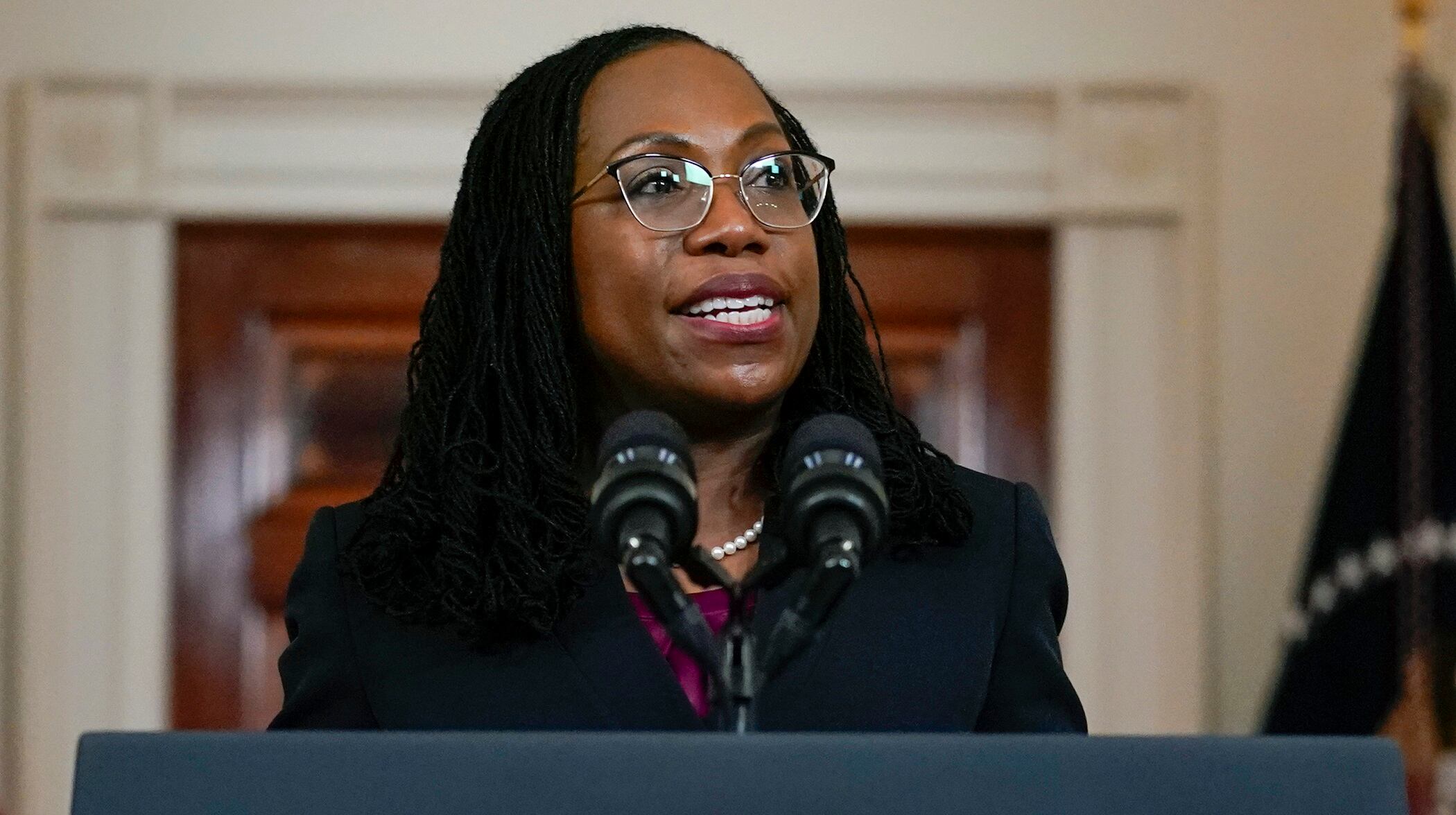
As we celebrate Black History Month, Cheddar is highlighting prominent Black Americans who are carving their own historic paths and trailblazing in their fields. Today we feature Ketanji Brown Jackson, the first Black woman SCOTUS nominee.
Russia's invasion of Ukraine went hand in hand with cyberattacks against Ukrainian government websites and financial institutions. Cheddar News speaks with cybersecurity expert Karim Hijazi, CEO of Prevaillon, on why the Russian cyberwarfare is concerning to other nations.
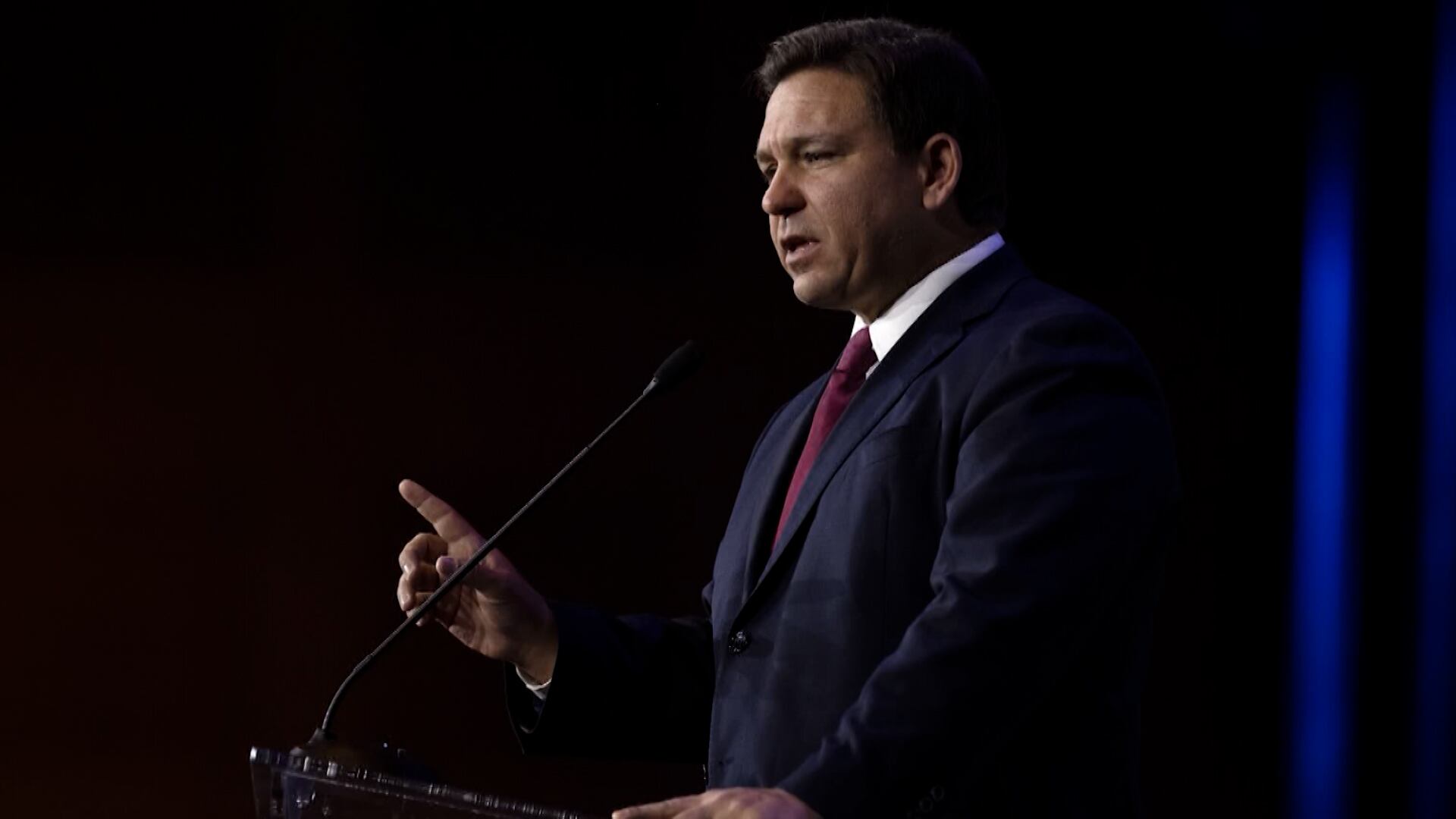
Florida legislation being called the 'Don't Say Gay' bill would restrict some discussion of sexual orientation and gender identity in classrooms with young students. Jon Harris Maurer, public policy director at Equality Florida, joins Cheddar News to discuss.
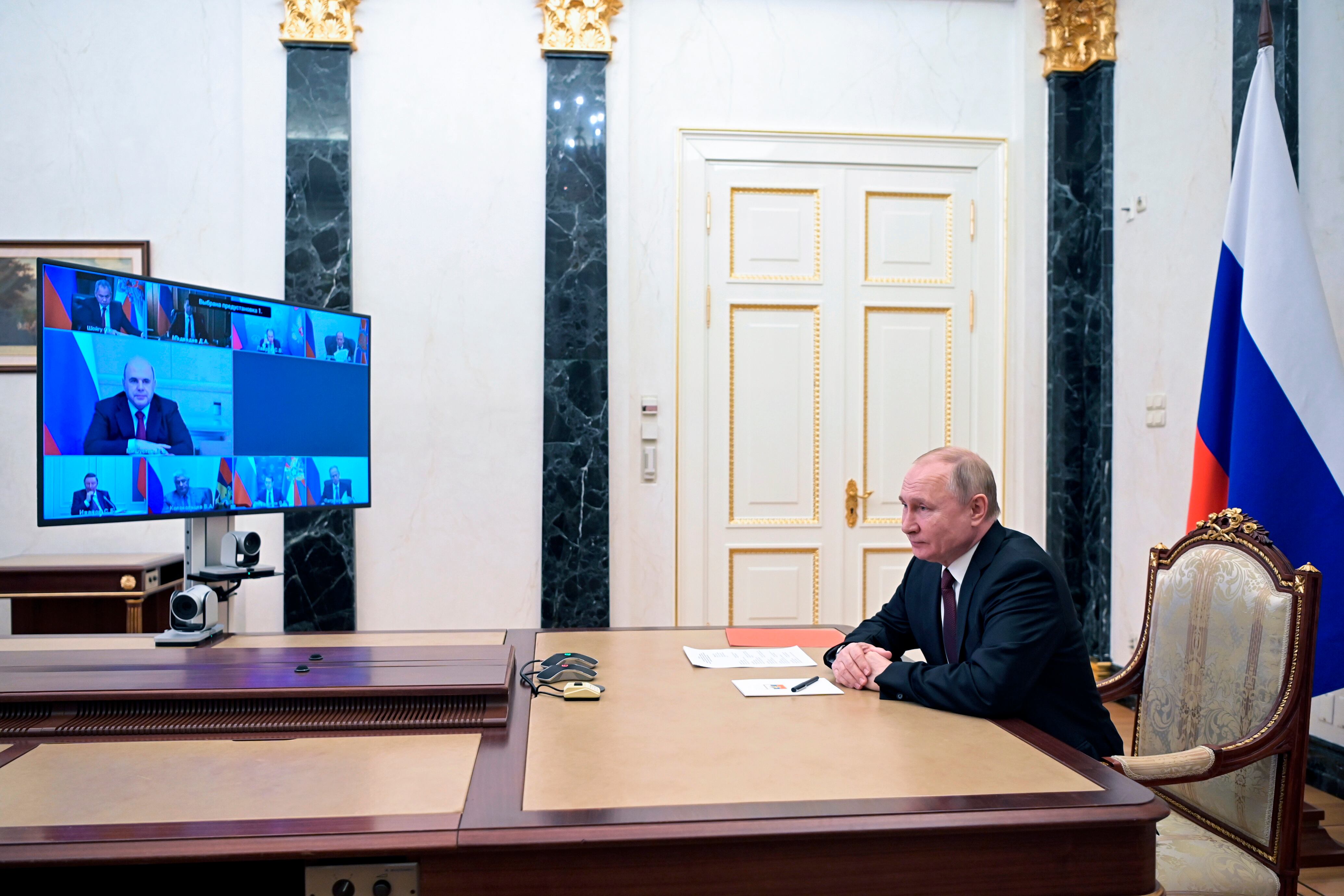
President Joe Biden promised during his campaign to focus on stable and ally-focused foreign policy, and the Russia-Ukraine crisis seems like an opportunity for him to focus on that tactic after last year's chaotic Afghanistan withdrawal. So far, Biden and western allies have banned together to sanction Russian banks, billionaires, and even President Vladimir Putin himself. Meanwhile, Biden has not deployed U.S. troops to intervene directly in Ukraine. Jack Detsch, national security reporter at Foreign Policy, joins Closing Bell to discuss why Biden is focusing on a sanctions-based, ally-focused strategy, what impact sanctions could have on Russia's economy, and more.
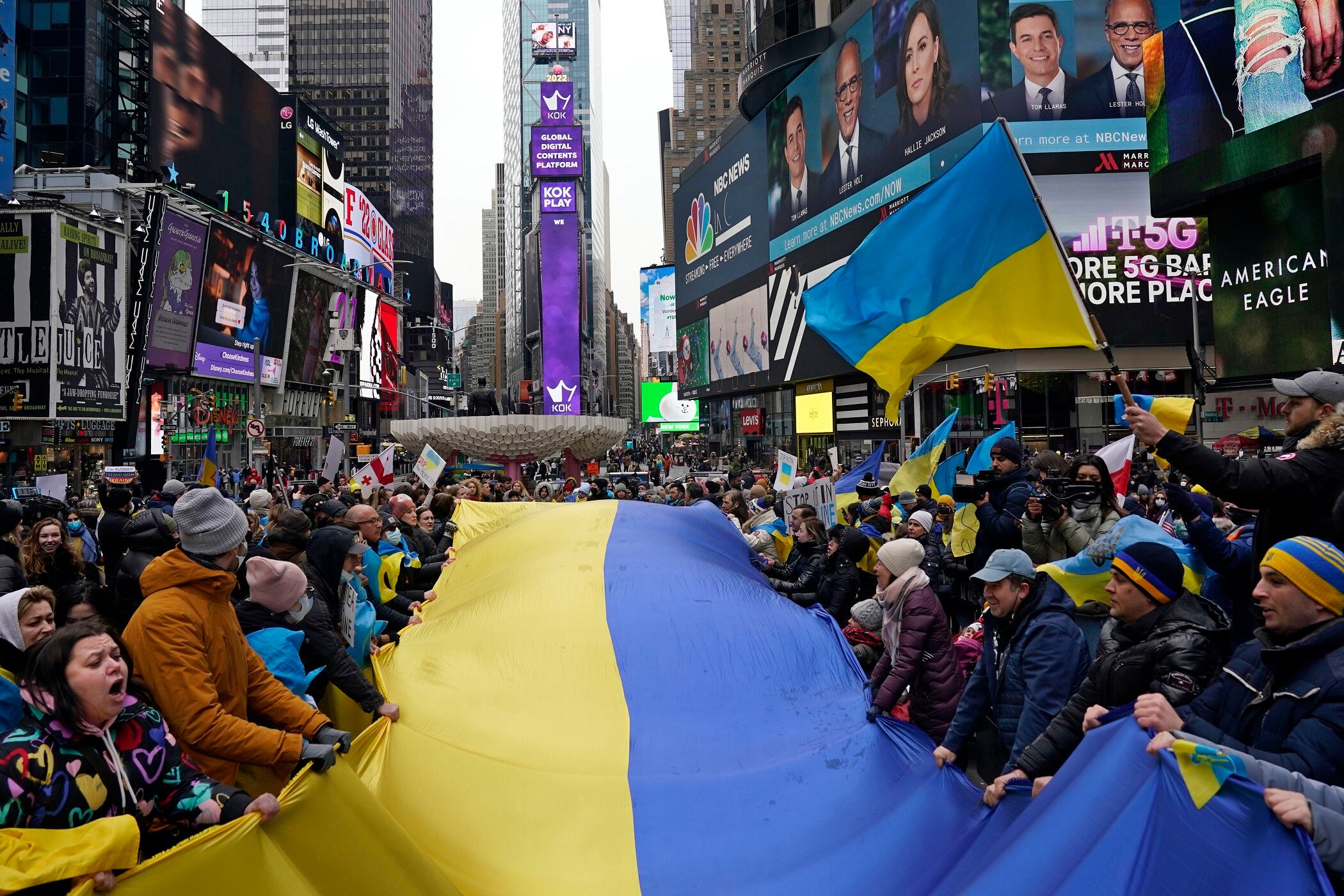
As Russia continues its attack on Ukraine, protests are popping up in major cities across the U.S., including across the street from the United Nations in New York City.. Chloe Aiello reports.