Among the more ambitious parts of Joe Biden's policy agenda, announced to little fanfare just before the pandemic hit back in February, is a relatively straightforward idea: make the federal housing voucher program — known as Section 8 — universal, available to every low-income family who qualifies.
That policy alone, the focal point of Biden's $640 billion housing plan, would go a long way toward solving this country's affordable housing crisis, according to Julian Castro, the former HUD secretary under President Obama.
The crisis has been exacerbated by COVID-19; an estimated 20 million people are at risk of eviction over the next several months, as state and local moratoriums enacted in March begin to expire along with the federal enhanced unemployment benefits. But even in the absence of an event like coronavirus, expanding Section 8 might be the single best — and most realistic — policy that a Biden administration could pass that would close the delta between families who need access to affordable housing, and families who actually get it, according to Castro. (Right now, an estimated 11 million people are left out).
While homelessness had been on the decline, it has ticked back up in recent years, partially, Castro said, because the Trump administration has not prioritized action on affordable housing
Education is clearly important, Castro said, but it gives a pass to the federal government's responsibility to invest in housing.
"There's no commitment in this administration to actually make those investments," he said, noting that there has been no action in the Republican-controlled Senate on the HEROES Act, which would provide $100 billion in emergency rental assistance for those affected by the pandemic.
But the root problem — spiking rents, not enough inventory, a general decline in the welfare state — long preceded coronavirus.
"The scale of the problem we have...requires significant federal government investment in more affordable housing," Castro said.
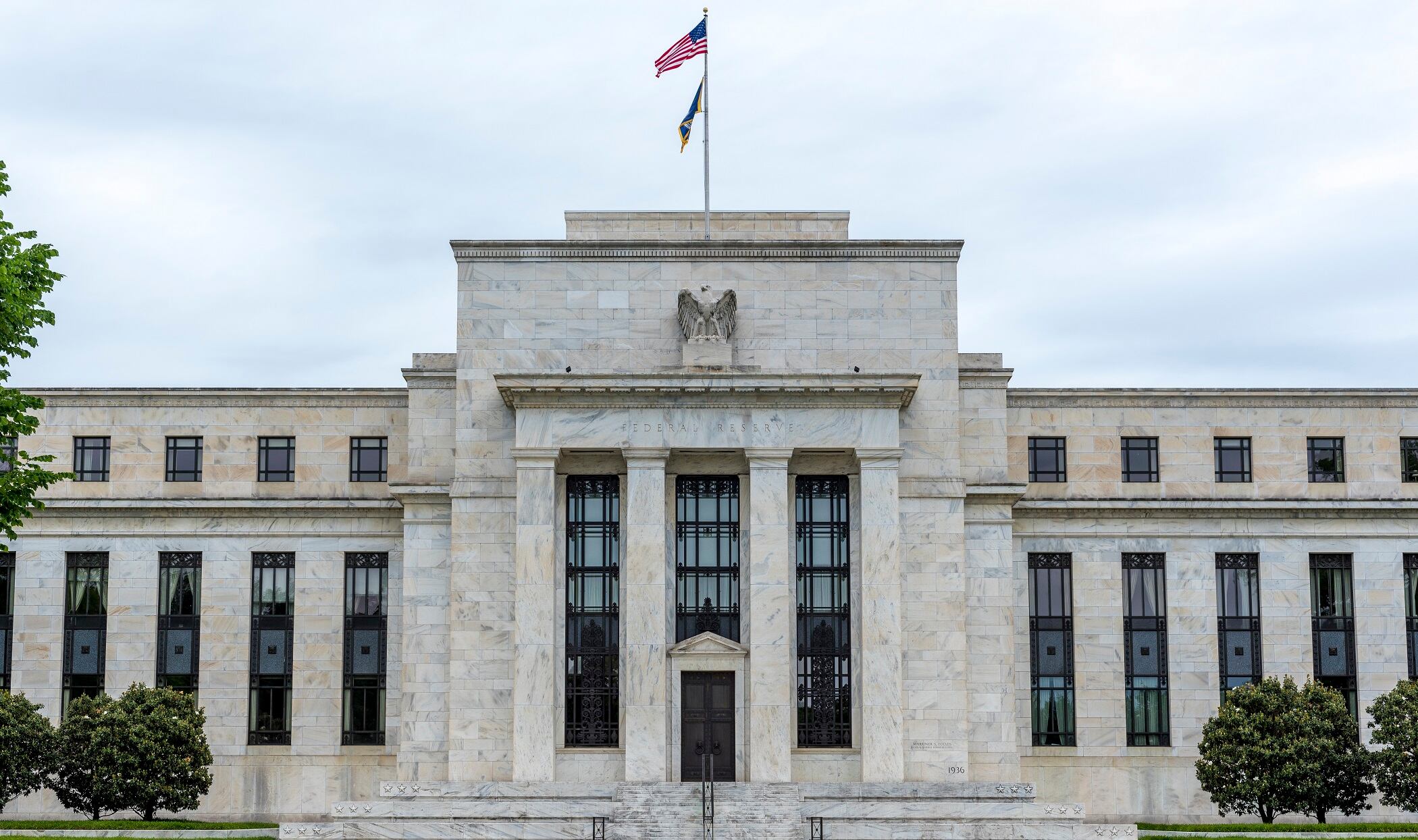
With the Fed about to the announce a 25 basis point interest rate hike on Wednesday, what exactly does this mean for investors, consumers, and businesses?
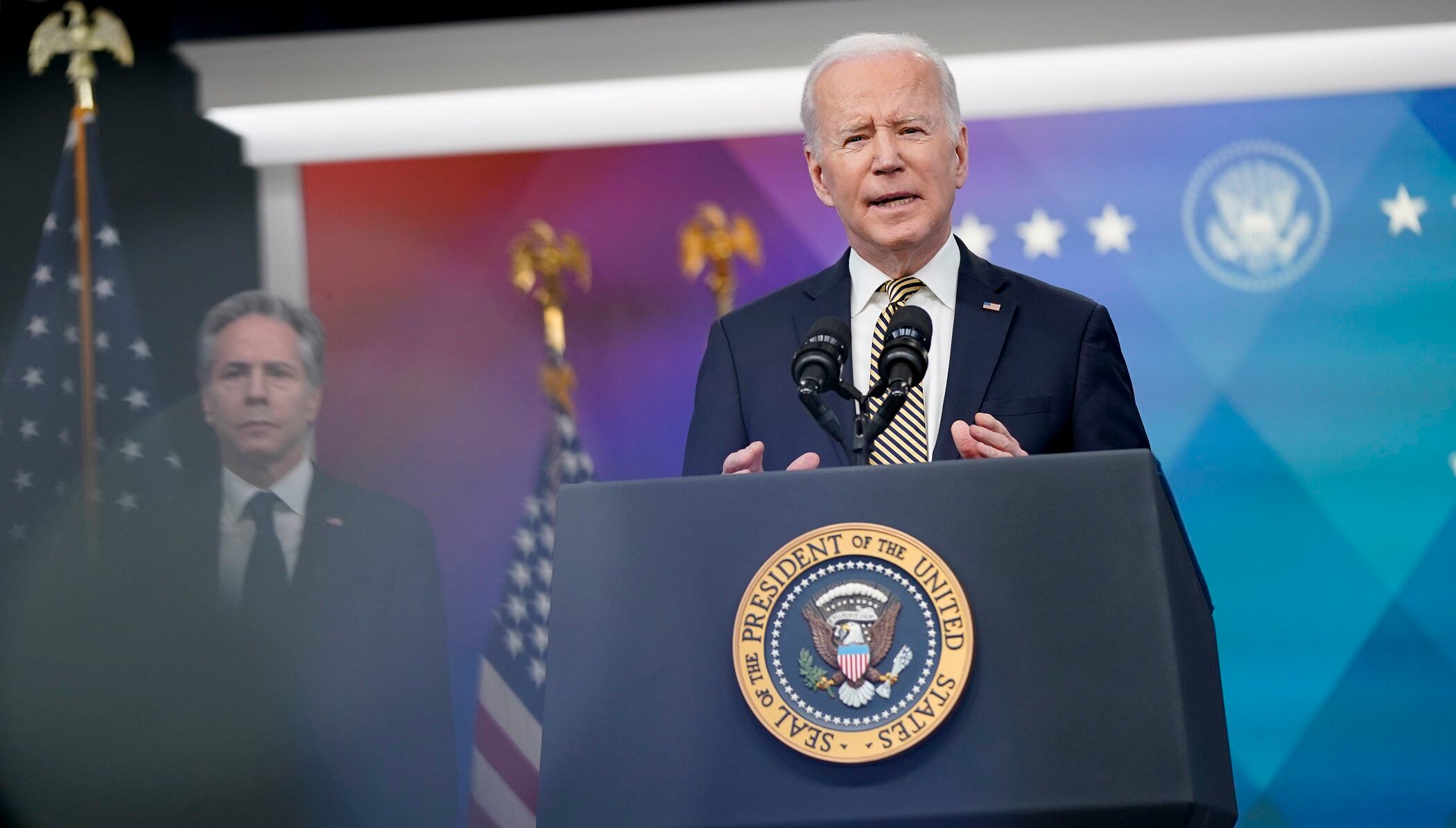
Ukrainian President Volodymyr Zelenskyy has summoned the memory of Pearl Harbor and the Sept. 11 terror attacks in an impassioned video plea to Congress to send more help for Ukraine’s fight against Russia.
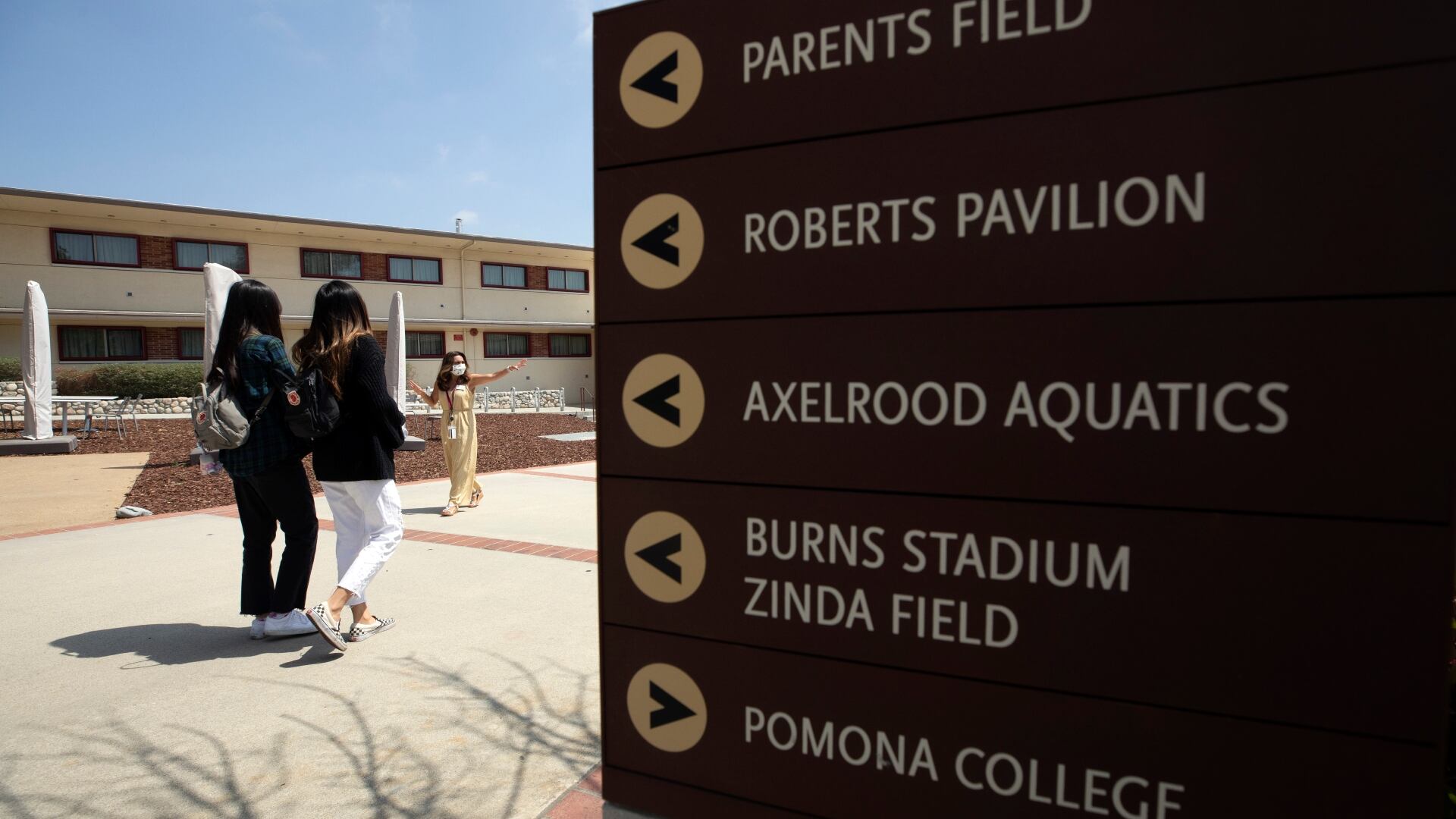
In February, Senator Jeff Merkley (D-Ore.) and Representative Jamaal Bowman (D-N.Y. 16th District) introduced the Fair College Admissions for Students Act. The bill looks to curb the admissions advantage given to the children of alumni and donors for colleges and universities. Sen. Merkley joined Cheddar news to discuss the push behind the legislation. "My dad was a mechanic. I was applying to schools around the country. I never thought about the fact that those students who came from the most privileged backgrounds also got a special advantage in applying to college," he said. "They take up 10-25 percent of the slots at many of our universities, and so this is kind of affirmative action for those who need it least rather than a level playing field for everyone else." If enacted, the law would amend the Higher Education Act of 1965 doing away with legacy or donor status admissions for any school participating in the federal student aid program.
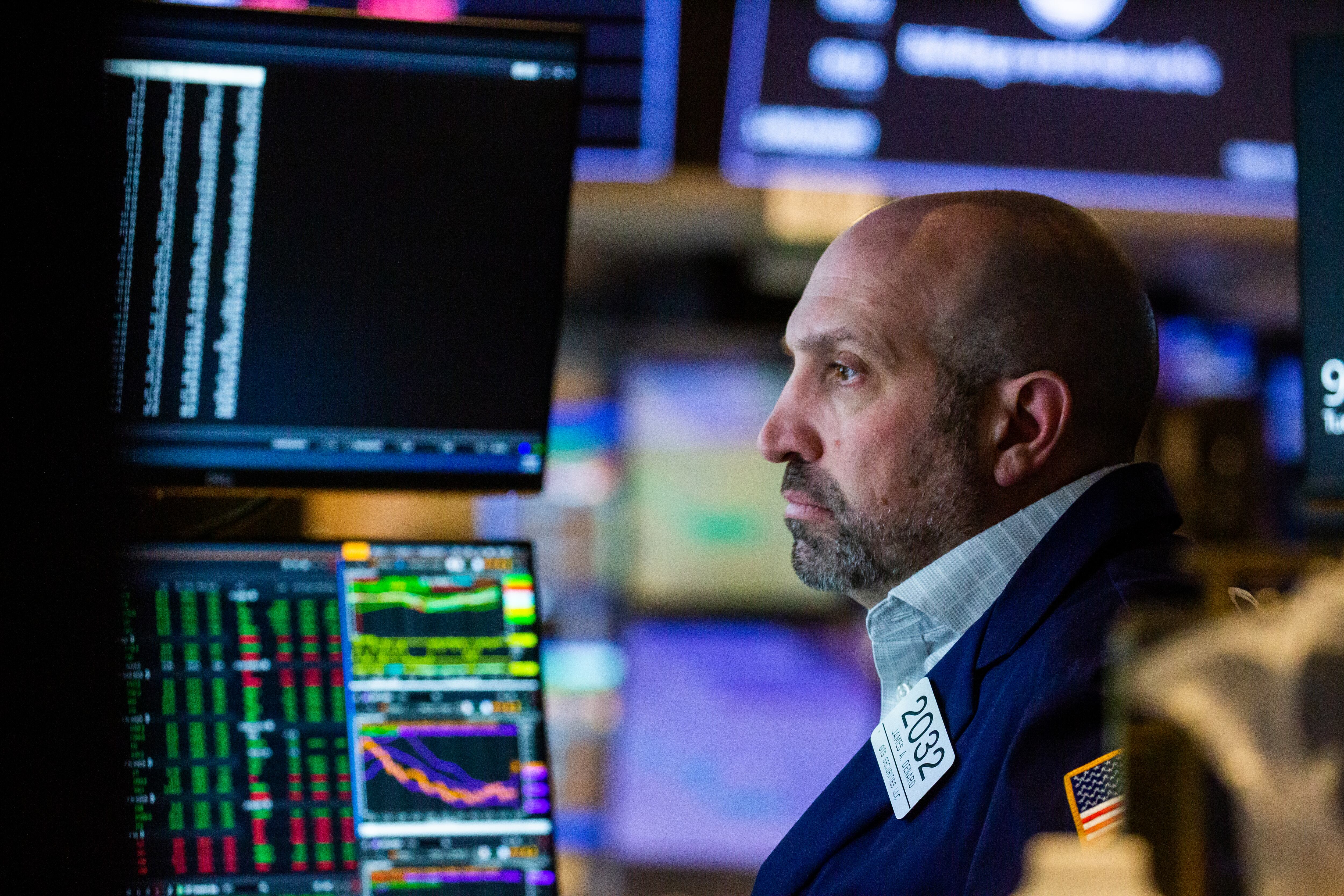
Nancy Daoud, a private wealth adviser for Ameriprise Financial, joins Cheddar News' Closing Bell, where she discusses what led to a sharp spike on Wall Street during Tuesday's session and what she will be watching for most closely when the Fed announces it latest policy decision on Wednesday.
Russia's economy is effectively at a standstill after it was slapped with extensive western sanctions, and now it has to make the first of four monthly interest payments on dollar bonds. It's likely the country will not be able to pay — so what happens next? Major credit ratings agencies have downgraded Russian sovereign debt, with Fitch issuing a 'C' rating and S&P Global Ratings issuing a 'CCC-' rating. Caleb Silver, Editor in Chief of Investopedia, joins Closing Bell to discuss what a Russian debt default could mean for Russia's economy, U.S. consumers who have pensions with exposure to Russian assets, and whether this could create a global financial crisis.
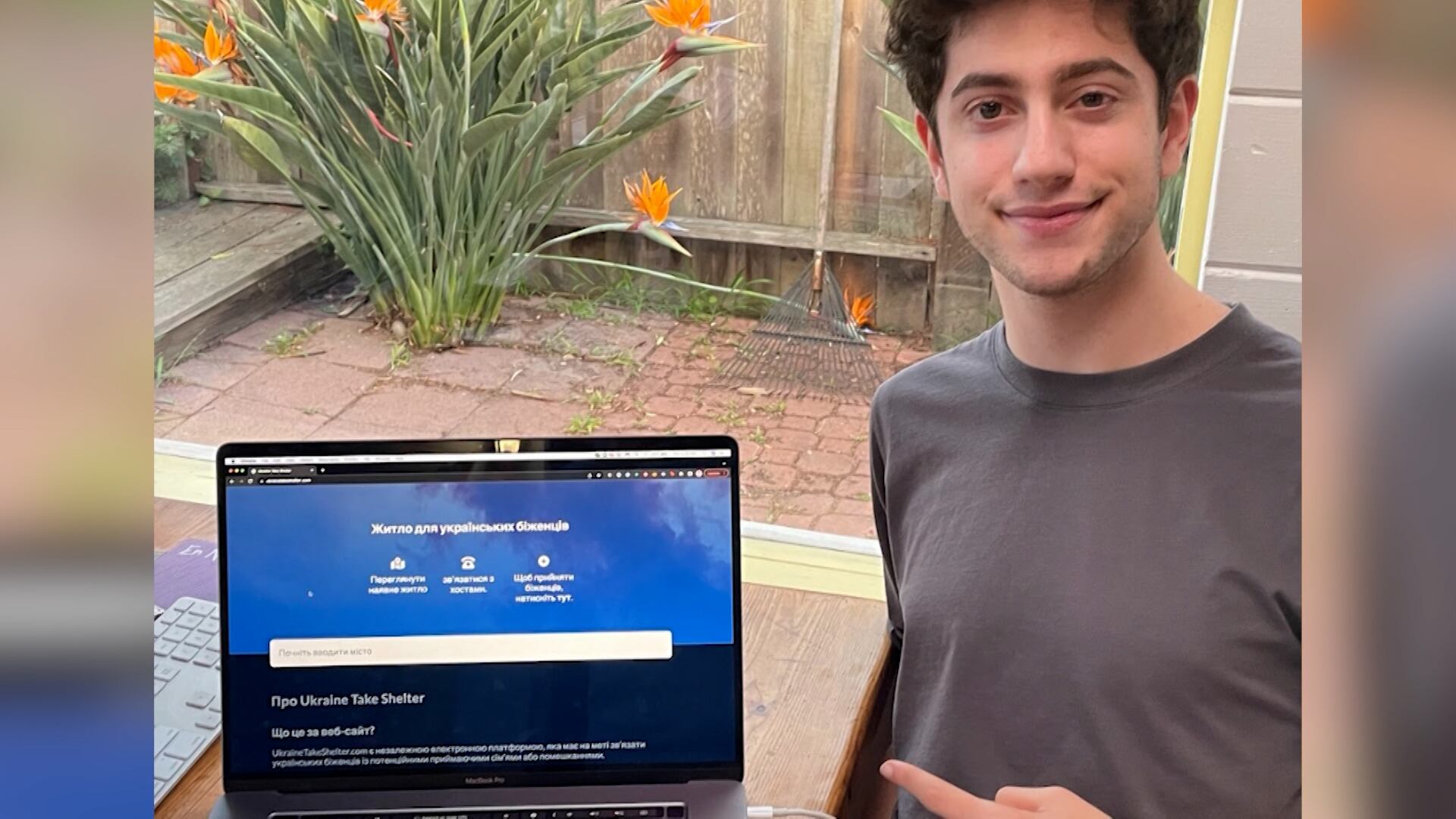
With the number of Ukrainians being displaced due to the Russian invasion surging, two students from Harvard took it on themselves to develop a website to help connect potential hosts with refugees seeking housing. The co-founder of the website Ukraine Takes Shelter, Marco Burstein, joined Cheddar news to discuss working together with fellow freshman Avi Schiffmann to streamline the effort to aid Ukrainian refugees. "We basically worked for three days straight developing the website, and since then the response has been pretty incredible," Burstein said.
Over three weeks ago, WNBA player Brittney Griner was arrested in Russia on drug charges. According to reports, the Star arrived at an airport near Moscow where authorities found Vape cartridges and hashish oil in her luggage. Grindr faces serious charges that could carry a possible sentence of 5-10 years in a Russian prison. Experts warn that Griner's arrest could be used as a bargaining chip. Partner at Stroock & Stroock & Lavan, Thomas Firestone, joined Cheddar to discuss more.