Among the more ambitious parts of Joe Biden's policy agenda, announced to little fanfare just before the pandemic hit back in February, is a relatively straightforward idea: make the federal housing voucher program — known as Section 8 — universal, available to every low-income family who qualifies.
That policy alone, the focal point of Biden's $640 billion housing plan, would go a long way toward solving this country's affordable housing crisis, according to Julian Castro, the former HUD secretary under President Obama.
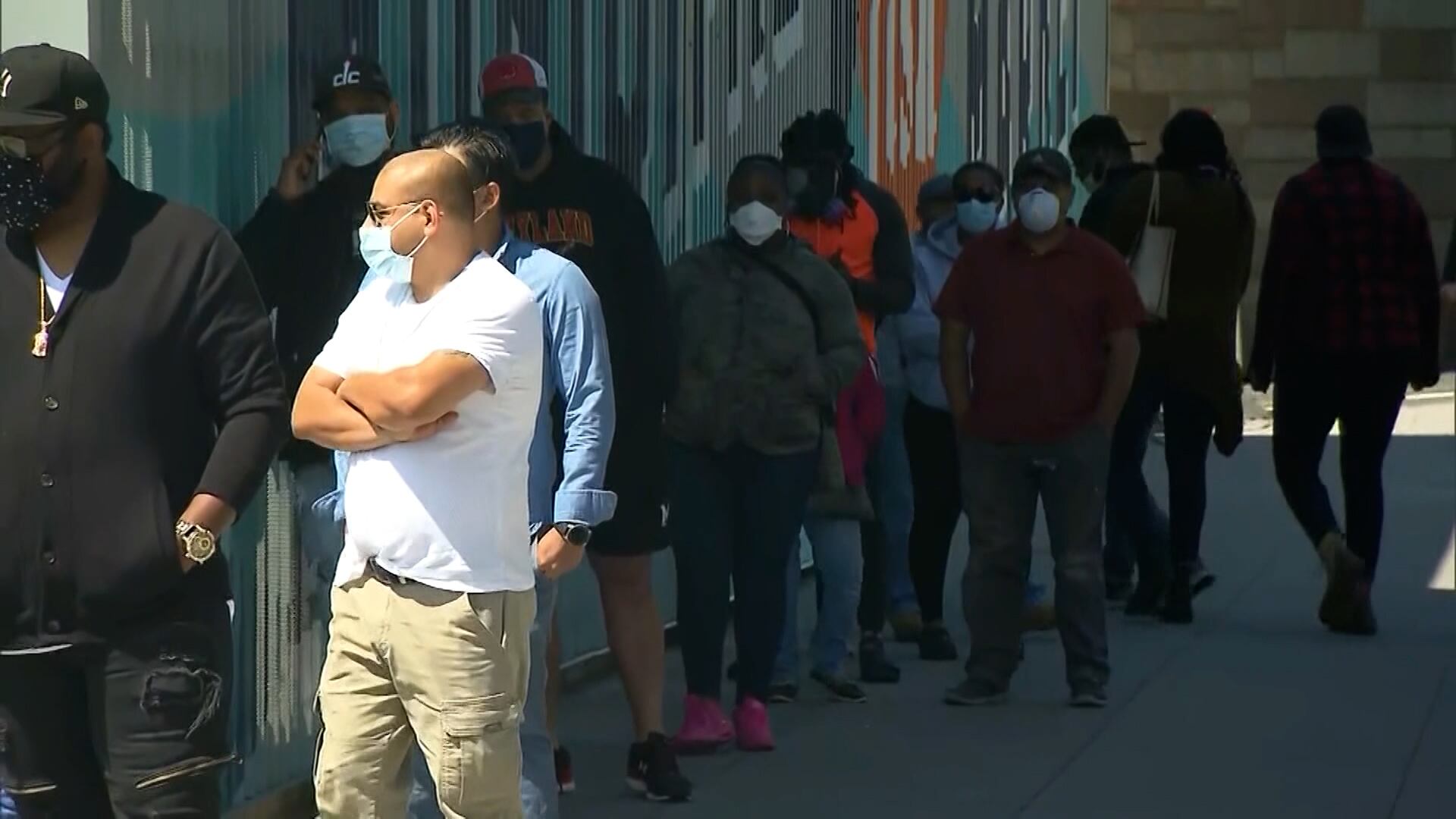
The crisis has been exacerbated by COVID-19; an estimated 20 million people are at risk of eviction over the next several months, as state and local moratoriums enacted in March begin to expire along with the federal enhanced unemployment benefits. But even in the absence of an event like coronavirus, expanding Section 8 might be the single best — and most realistic — policy that a Biden administration could pass that would close the delta between families who need access to affordable housing, and families who actually get it, according to Castro. (Right now, an estimated 11 million people are left out).
While homelessness had been on the decline, it has ticked back up in recent years, partially, Castro said, because the Trump administration has not prioritized action on affordable housing
Education is clearly important, Castro said, but it gives a pass to the federal government's responsibility to invest in housing.
"There's no commitment in this administration to actually make those investments," he said, noting that there has been no action in the Republican-controlled Senate on the HEROES Act, which would provide $100 billion in emergency rental assistance for those affected by the pandemic.
But the root problem — spiking rents, not enough inventory, a general decline in the welfare state — long preceded coronavirus.
"The scale of the problem we have...requires significant federal government investment in more affordable housing," Castro said.
Carlo and Baker discuss the sweeping new vaccine mandate in NYC that will target all private businesses. Plus, Trump's media venture gets its CEO and more.
Rebecca Walser, President of Walser Wealth Management, joins Cheddar News' Closing Bell, where she discusses the factors behind Monday's surge on Wall Street and explains why investors will likely experience volatility in the market throughout the month of December.
Cheddar's Chloe Aiello joined "Closing Bell" to break down the progress of the SAFE Banking Act in Congress as cannabis businesses operators struggle to find financial institutions that will service them. Banks face steep federal penalties, including the risk of losing a bank charter, if found to be servicing marijuana businesses even if their state has legalized operations. Aiello reported that while there was some bipartisan support for the measure in the Senate, the bill faces some opposition from conservatives with "longstanding concerns" about cannabis and progressives who prefer a more comprehensive approach to reform.
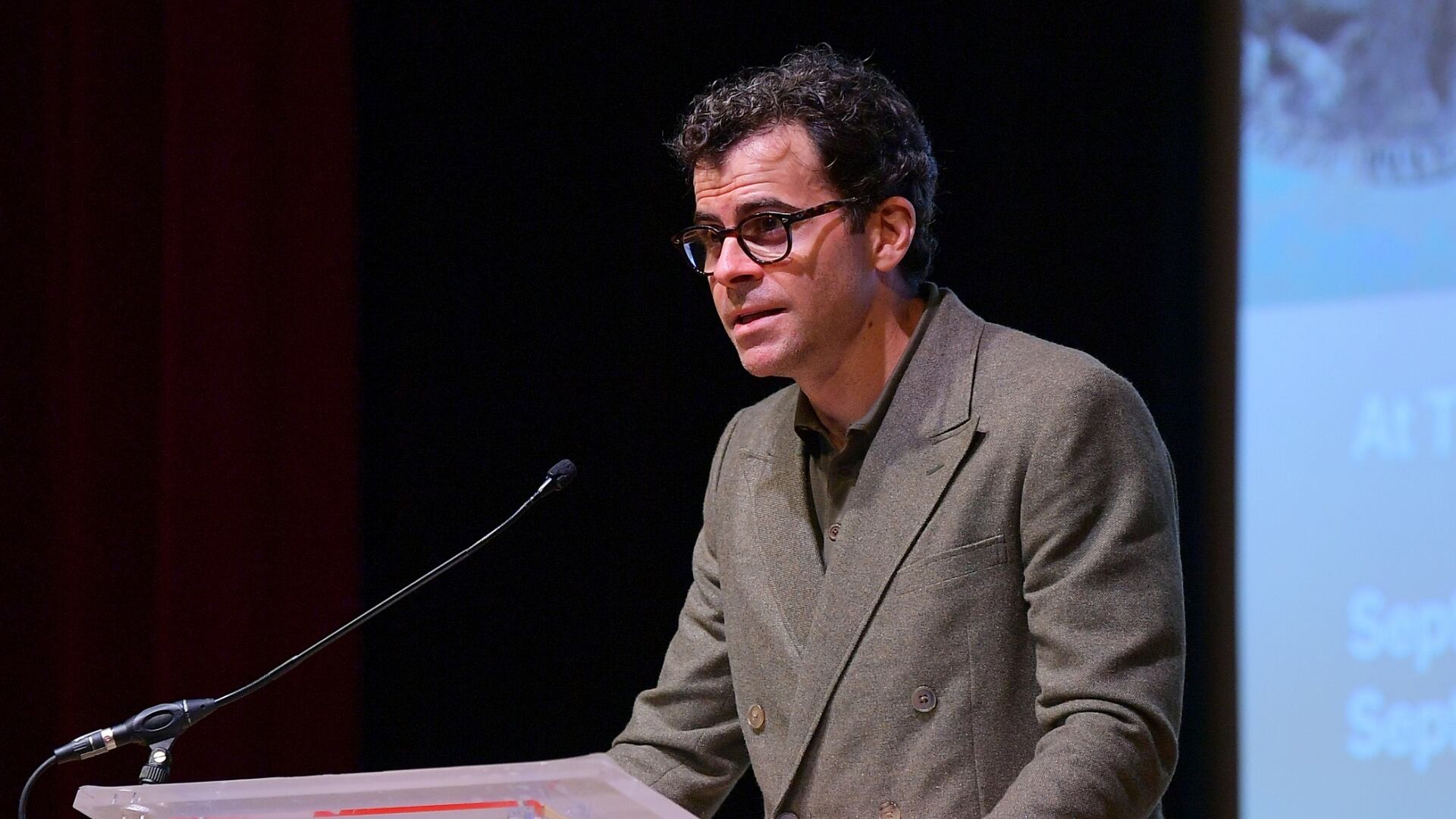
Head of Instagram Adam Mosseri is slated to testify this week in front of the Senate Commerce Subcommittee after a Wall Street Journal report that found the Meta-owned social media platform is negatively impacting the mental wellness of teen girls.
Chinese regulators are reportedly behind China-based ride-hailing company DiDi exiting from the New York Stock Exchange, just days after listing earlier this year. The regulators stated prior that DiDi had not received the necessary clearances to list in the states. Gordon Chang, Asian affairs expert, joined Cheddar to break down what the delisting says about the relationship between nations. "This really strikes me as an attempt to really to force a decoupling of China and the U.S. in the financial markets," Chang said.
U.S. Futures were pointing to a higher open to round out the week despite a miss on the November Jobs Report, which showed slower job growth than expected-- and as the omicron variant continues to spread across the country. Patrick Healey, Founder & President at Caliber Financial Partners joined Cheddar's Opening Bell to discuss.
Just days after the detection of the Omicron variant, the World Health Organization has agreed to start the process of establishing a global pandemic treaty or accord. Amy Maxmen, senior reporter for Nature, and Dr. Samuel Scarpino, managing director for the Rockefeller Foundation's Pandemic Prevention Institute, joined Cheddar to discuss this effort and what lessons can be learned from the many COVID-19 failures as the world prepares for future pandemics.