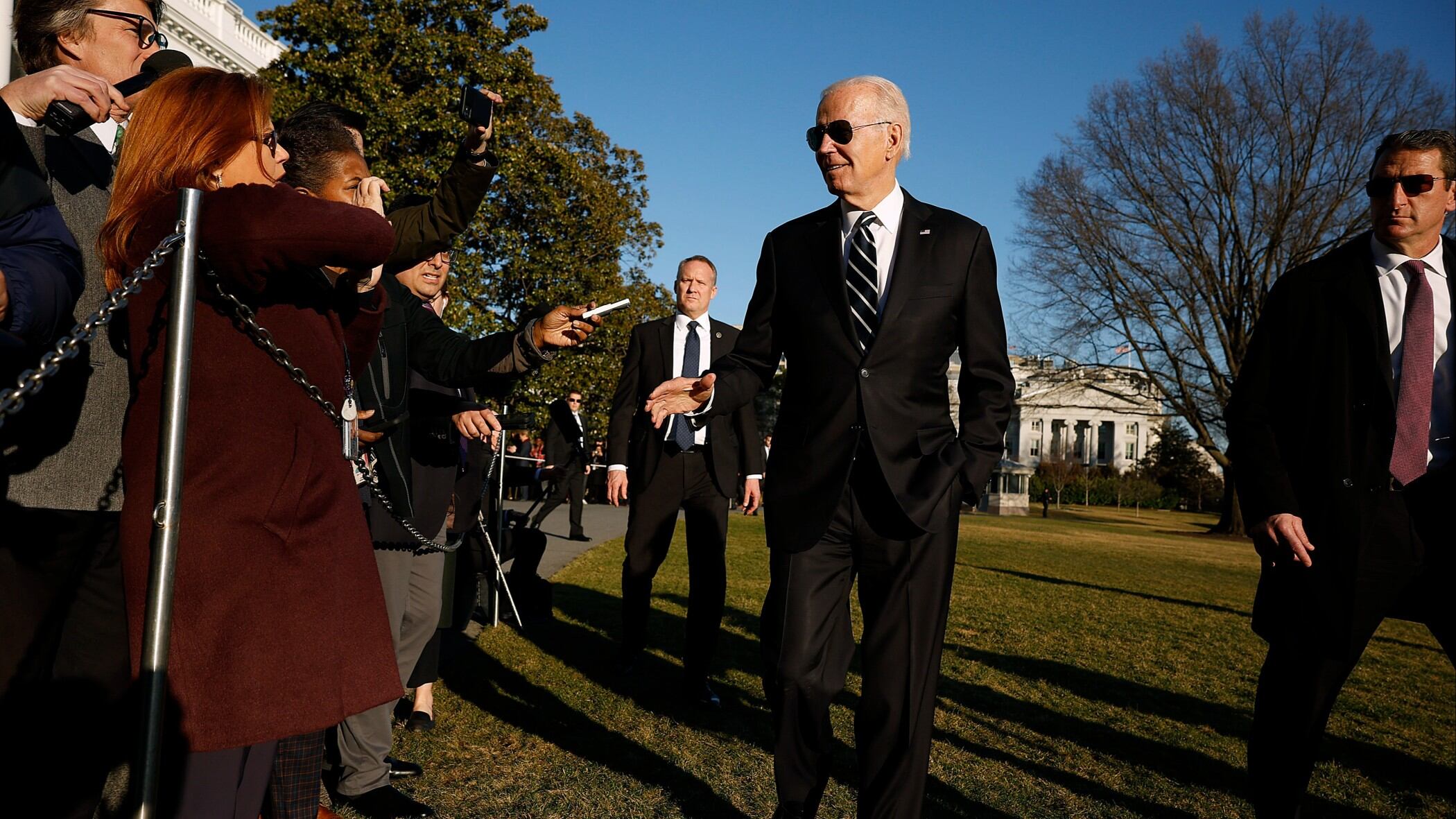
Among the more ambitious parts of Joe Biden's policy agenda, announced to little fanfare just before the pandemic hit back in February, is a relatively straightforward idea: make the federal housing voucher program — known as Section 8 — universal, available to every low-income family who qualifies.
That policy alone, the focal point of Biden's $640 billion housing plan, would go a long way toward solving this country's affordable housing crisis, according to Julian Castro, the former HUD secretary under President Obama.
The crisis has been exacerbated by COVID-19; an estimated 20 million people are at risk of eviction over the next several months, as state and local moratoriums enacted in March begin to expire along with the federal enhanced unemployment benefits. But even in the absence of an event like coronavirus, expanding Section 8 might be the single best — and most realistic — policy that a Biden administration could pass that would close the delta between families who need access to affordable housing, and families who actually get it, according to Castro. (Right now, an estimated 11 million people are left out).
While homelessness had been on the decline, it has ticked back up in recent years, partially, Castro said, because the Trump administration has not prioritized action on affordable housing
In a separate interview with Cheddar on Monday, current HUD Sec. Ben Carson said that education is the single most important thing when it comes to lifting people out of poverty and homelessness.
Education is clearly important, Castro said, but it gives a pass to the federal government's responsibility to invest in housing.
"There's no commitment in this administration to actually make those investments," he said, noting that there has been no action in the Republican-controlled Senate on the HEROES Act, which would provide $100 billion in emergency rental assistance for those affected by the pandemic.
But the root problem — spiking rents, not enough inventory, a general decline in the welfare state — long preceded coronavirus.
"The scale of the problem we have...requires significant federal government investment in more affordable housing," Castro said.