By Andrew DeMillo
A federal judge struck down Arkansas' first-in-the-nation ban on gender-affirming care for children as unconstitutional Tuesday, the first ruling to overturn such a prohibition as a growing number of Republican-led states adopt similar restrictions.
U.S. District Judge Jay Moody issued a permanent injunction against the Arkansas law, which would have prohibited doctors from providing gender-affirming hormone treatment, puberty blockers or surgery to anyone under 18.
Arkansas' law, which Moody temporarily blocked in 2021, also would have prohibited doctors from referring patients elsewhere for such care.
In his order, Moody ruled that the prohibition violated the due process and equal protection rights of transgender youth and families. He said the law also violated the First Amendment rights of medical providers by prohibiting them from referring patients elsewhere.
“Rather than protecting children or safeguarding medical ethics, the evidence showed that the prohibited medical care improves the mental health and well-being of patients and that, by prohibiting it, the state undermined the interests it claims to be advancing,” Moody wrote in his ruling.
Republican lawmakers in Arkansas enacted the ban in 2021, overriding a veto by former GOP Gov. Asa Hutchinson. Hutchinson, who left office in January, said the law went too far by cutting off treatments for children currently receiving such care.
The ruling affects only the Arkansas ban but may carry implications for the fates of similar prohibitions, or discourage attempts to enact them, in other states.
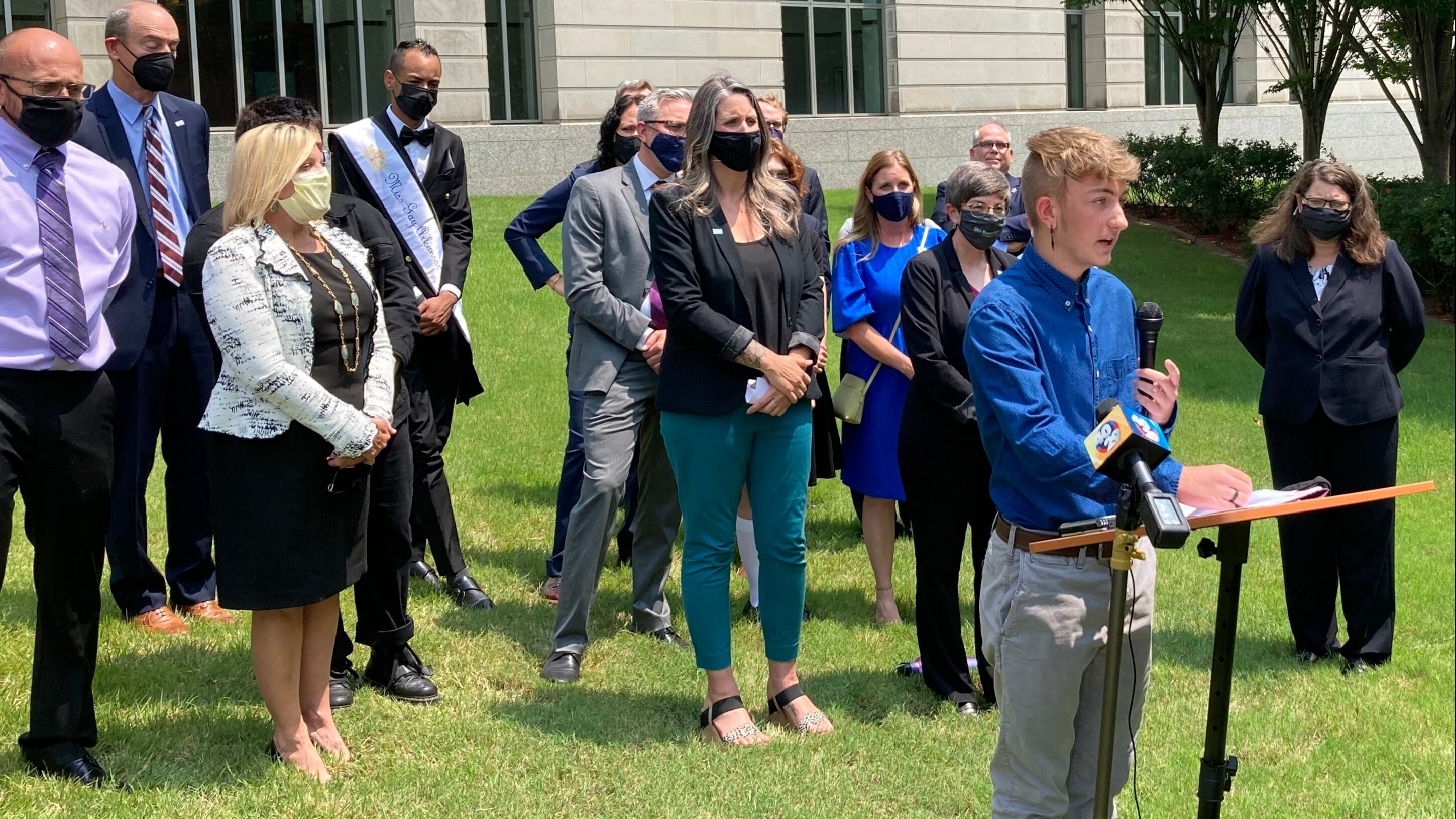
“This decision sends a clear message. Fear-mongering and misinformation about this health care do not hold up to scrutiny; it hurts trans youth and must end," said Holly Dickson, executive director of the American Civil Liberties Union of Arkansas. "Science, medicine, and law are clear: gender-affirming care is necessary to ensure these young Arkansans can thrive and be healthy.”
The ACLU challenged the law on behalf of four transgender youth and their families and two doctors.
At least 19 other states have enacted laws restricting or banning gender-affirming care for minors following Arkansas' law, and federal judges have temporarily blocked similar bans in Alabama and Indiana. Three states have banned or restricted the care through regulations or administrative orders.
Florida’s law goes beyond banning the treatments for youth, by also prohibiting the use of state money for gender-affirming care and placing new restrictions on adults seeking treatment. A federal judge has blocked Florida from enforcing its ban on three children who have challenged the law.
Children’s hospitals around the country have faced harassment and threats of violence for providing such care.
The state has argued that the prohibition is within its authority to regulate the medical profession. People opposed to such treatments for children argue they are too young to make such decisions about their futures. Major medical groups, including the American Medical Association and the American Academy of Pediatrics, oppose the bans and experts say treatments are safe if properly administered.
The state is likely to appeal Moody's decision to the 8th U.S. Circuit Court of Appeals, which last year upheld the judge's temporary order blocking the law.
Gov. Sarah Huckabee Sanders, Hutchinson's successor, in March signed legislation attempting to effectively reinstate Arkansas' ban by making it easier to sue providers of gender-affirming care for children. That law doesn't take effect until later this summer.
A roughly two-week trial before Moody included testimony from one of the transgender youths challenging the state’s ban. Dylan Brandt, 17, testified in October that the hormone therapy he has received has transformed his life and that the ban would force him to leave the state.
“I’m so grateful the judge heard my experience of how this health care has changed my life for the better and saw the dangerous impact this law could have on my life and that of countless other transgender people,” Brandt said in a statement released by the ACLU. “My mom and I wanted to fight this law not just to protect my health care, but also to ensure that transgender people like me can safely and fully live our truths."