A Montana judge on Monday sided with young environmental activists who said state agencies were violating their constitutional right to a clean and healthful environment by permitting fossil fuel development without considering its effect on the climate.
District Court Judge Kathy Seeley found the policy the state uses in evaluating requests for fossil fuel permits — which does not allow agencies to evaluate the effects of greenhouse gas emissions — is unconstitutional.
Julia Olson, an attorney representing the youth and with Our Children’s Trust, an Oregon environmental group that has filed similar lawsuits in every state since 2011, celebrated the ruling.
“As fires rage in the West, fueled by fossil fuel pollution, today’s ruling in Montana is a game-changer that marks a turning point in this generation’s efforts to save the planet from the devastating effects of human-caused climate chaos,” Olson said in a statement. “This is a huge win for Montana, for youth, for democracy, and for our climate. More rulings like this will certainly come.”
Judge Seeley wrote in the ruling that “Montana’s emissions and climate change have been proven to be a substantial factor in causing climate impacts to Montana’s environment and harm and injury” to the youth.
However, it's up to the state Legislature to determine how to bring the policy into compliance. That leaves slim chances for immediate change in a fossil fuel-friendly state where Republicans dominate the statehouse.
Attorneys for the 16 plaintiffs, ranging in age from 5 to 22, presented evidence during the two-week trial in June that increasing carbon dioxide emissions are driving hotter temperatures, more drought and wildfires and decreased snowpack. Those changes are harming the young people's physical and mental health, according to experts brought in by the plaintiffs.
The state argued that even if Montana completely stopped producing C02, it would have no effect on a global scale because states and countries around the world contribute to the amount of C02 in the atmosphere.
A remedy has to offer relief, the state said, or it’s not a remedy at all.
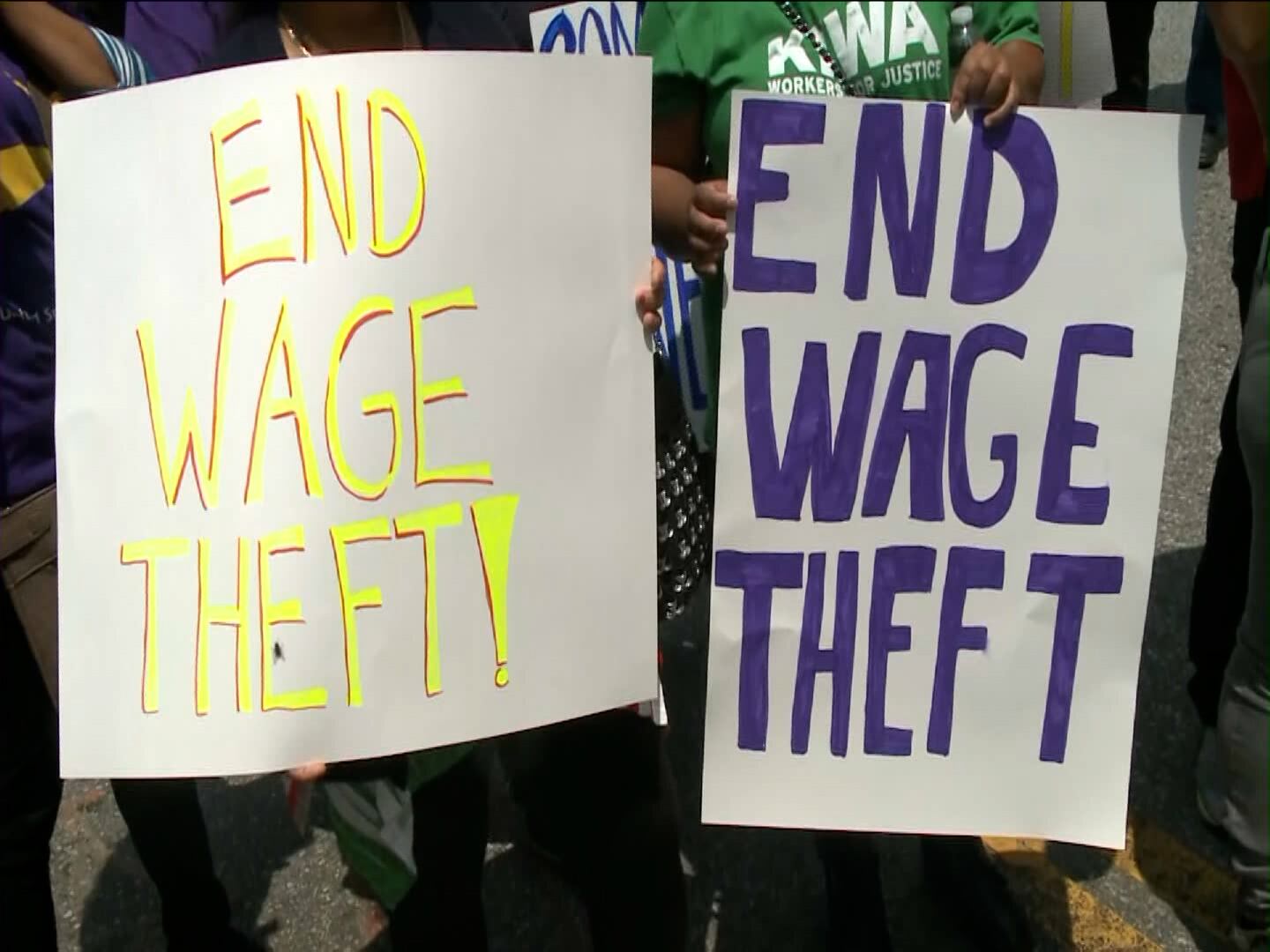
The average city in California has a 38% higher cost of living than the average American city, according to a cost of living index. For many, the general minimum wage of $15/hour just doesn't cut it. Anti-poverty activist Joe Sanberg wants to get the minimum wage changed to $18/hour. He joins Cheddar News to discuss the Living Wage Act of 2022.
Liana Guzmán, CEO of FOLX Health, joins Cheddar News to discuss the company launching billboards across the country in response to anti-LGBTQ+ legislation.
President Biden has announced an additional $800 million in military assistance to Ukraine, including artillery, armored personnel carriers, and helicopters. It comes as Russian forces appear to be preparing for a new, aggressive offensive in the eastern part of Ukraine. Paul McLeary, defense reporter for Politico, joined Cheddar to discuss this new round of aid and what it means for the U.S. commitment to arming the embattled country.
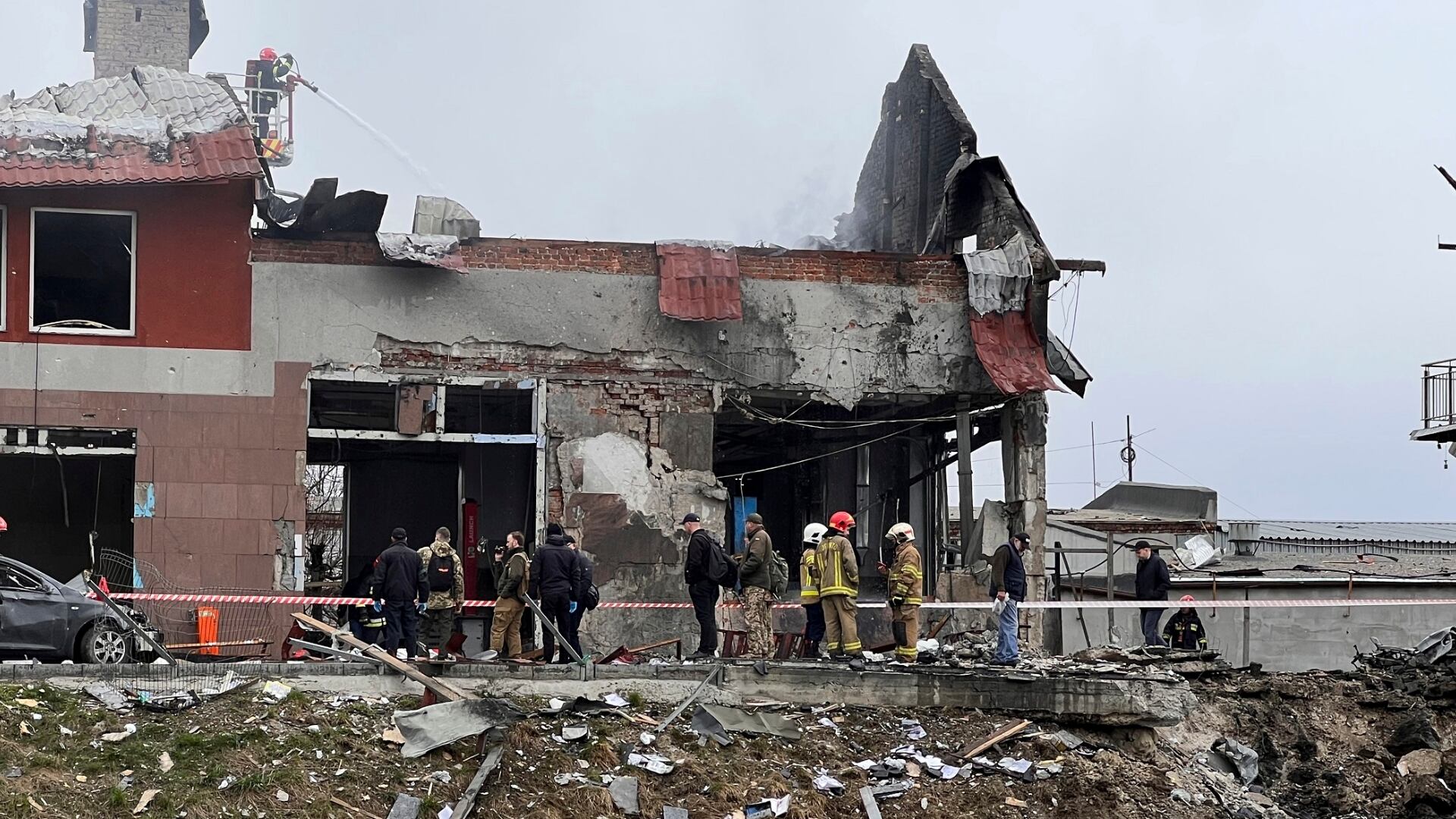
Catching you up on what you need to know on April 18, 2022, with Russian missile attacks on the Ukrainian city of Lviv killing seven, mass shootings in South Carolina and Pittsburgh, Lucky Charms cereal under official investigation by the FDA, and more.
Activism is growing around the country in response to school boards banning books from shelves that focus on sexuality, gender, identity, or race. Jen Cousins, co-founder of The Florida Freedom to Read Project, joins Cheddar News to discuss.
As the Russian invasion of Ukraine intensifies, President Biden has announced a ban on importing Russian oil, gas, and energy. To discuss how this ban will impact the war and Americans, Amir Handjani, non-resident fellow at Quincy Institute, joins Cheddar News.
Thousands of protesters around the world are expressing their solidarity with Ukraine against Russia's invasion.
Jason Beardsley, national executive director of the Association of the U.S. Navy and national security expert, joins Cheddar News to discuss.
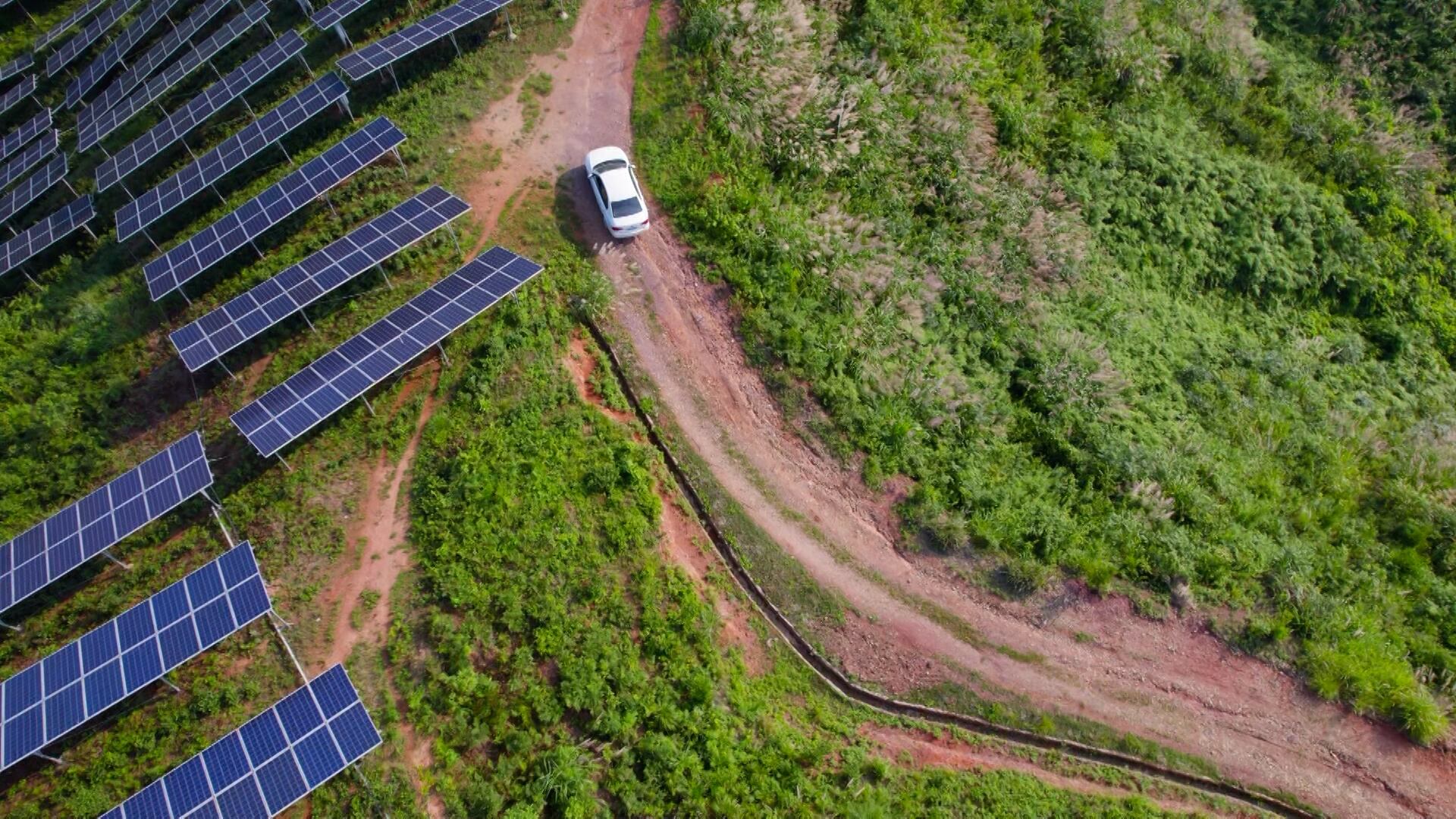
As gas prices surge amid the Russian invasion of Ukraine, other nations could potentially transition faster to using clean energy than previously expected. Philip K. Verleger, a senior fellow at the Niskanen Center, joined Cheddar News to explain how this could be a possibility in the near future. "Part of the reason I think we have this invasion and the tantrum that's being thrown by Russia, terrible tantrum, is because the Russians were trying to slow down the transition," he said. "Ironically they speeded it up."