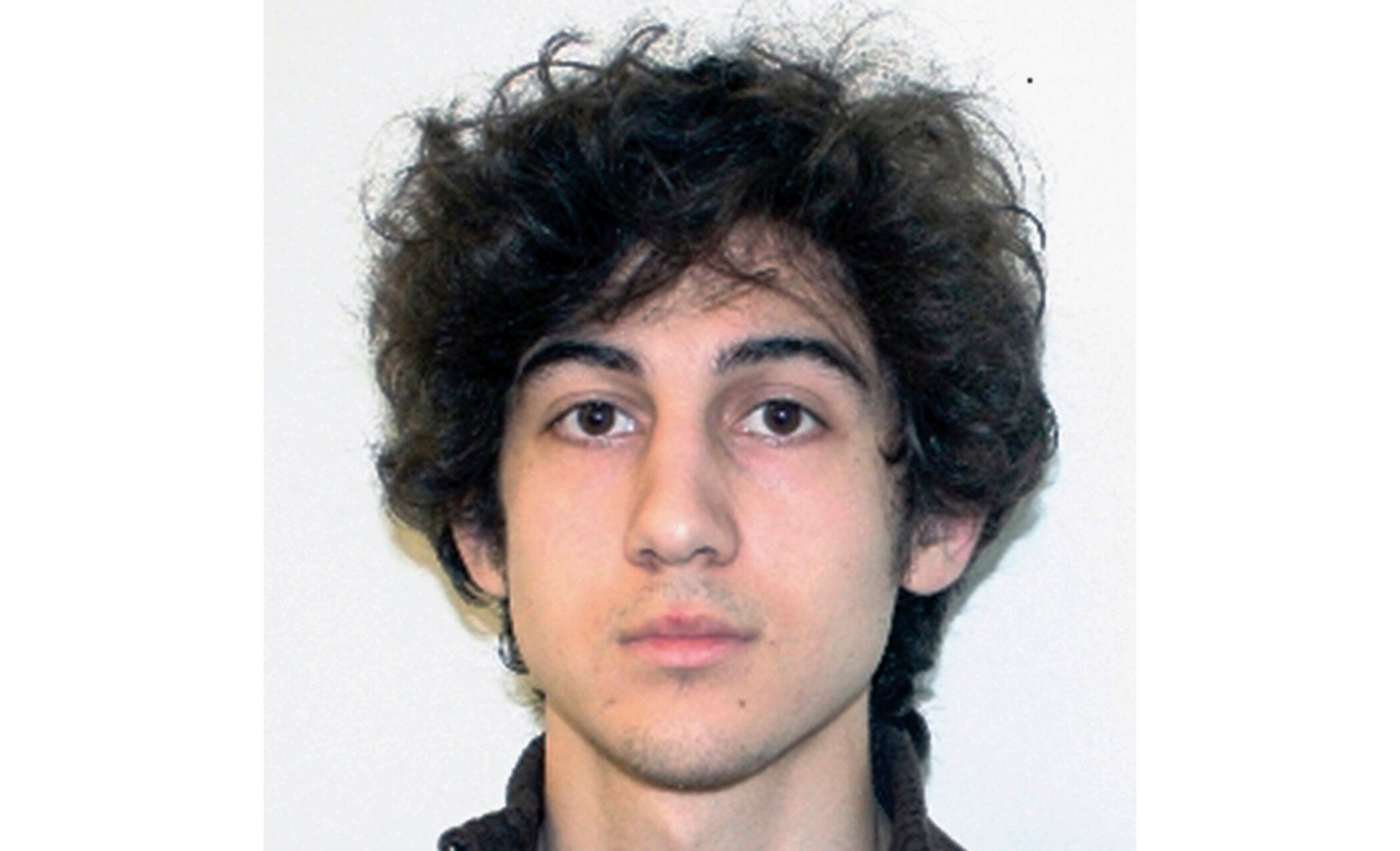
A U.S. District Court judge agreed to let federal prosecutors use convicted Boston Marathon bomber Dzhokhar Tsarnaev's $1,400 COVID-19 stimulus payment, as well as other money held in his inmate trust account, to help pay the millions of dollars he was ordered to pay his victims, The Wall Street Journal reported Thursday.
In a filing Wednesday, the U.S. attorney's office in Boston asked a judge to order the federal Bureau of Prisons to turn the money over to the Clerk of the Court “as payment towards his outstanding criminal monetary penalties, including unpaid special assessment and restitution."
In addition to the stimulus payment, Tsarnaev, who's being held at a maximum security prison in Florence, Colorado, has received money from dozens of sources during his incarceration, including the federal public defender's office and regular payments from individuals living in Indiana, New Jersey and Maryland, according to the filing by acting U.S. Attorney for Massachusetts, Nathaniel Mendell.
As of Dec. 22, Tsarnaev had $3,885 and change in his account.
He was convicted in 2015 of 30 charges in connection with the 2013 bombing at the Boston Marathon finish line that killed three spectators and injured more than 260 others. In 2016 he was ordered to pay a $3,000 special assessment and more than $101 million in criminal restitution.
So far, Tsarnaev has paid a little more than $2,200 of that, all toward the assessment, according to the filing.
And although he has not paid a penny in restitution, Tsarnaev has used his inmate account to pay his siblings for items such as “gifts,” “support,” and “books,” according to the filing.
“The United States submits that the requested relief is reasonable and appropriate in this instance, especially in light of the defendant prioritizing payments to his siblings over the victims of his crimes,” prosecutors wrote.
An email seeking comment was left with Tsarnaev's attorneys.
Tsarnaev was originally sentenced to death, but the federal appeals court in Boston threw out the death sentence in July 2020 because, it said, the judge at his trial did not do enough to ensure the jury would not be biased against him. He is currently serving a life sentence.
The Biden administration has asked the Supreme Court to reinstate Tsarnaev's death sentence. The high court heard arguments in October but has yet to rule.
Maude Okrah, co-founder of Black Beauty Roster, joins Cheddar News to discuss how her company is working with WarnerMedia to provide diverse makeup and hair stylists for actors of color on set.
As half a million Ukrainians fled when Russia invaded its neighbor, some civilians chose to stay in harm's way. Igor Gamaniuk, a 17-year-old Ukrainian college student, joined Cheddar News to talk about his decision to remain in his beloved country and volunteer to support soldiers with food, clothing, and supplies. "Right now people are pretty calm in my town. We are trying not to panic. But we have to be cautious because every day and every night the siren could sound and we have to move away from the window or go to the nearest shelter," Gamaniuk explained.
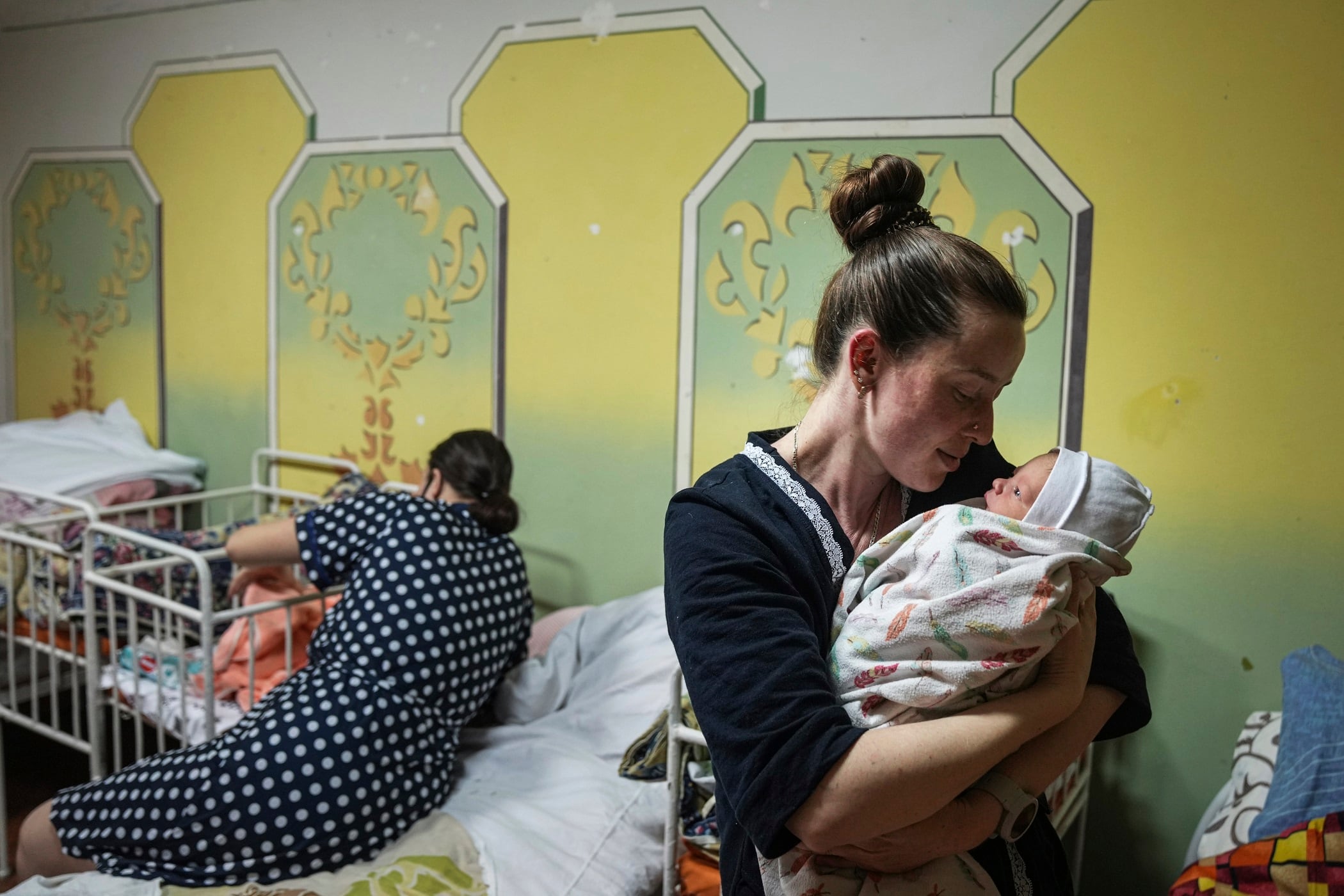
A hospital basement in Ukraine’s coastal city of Mariupol has transformed into a bomb shelter and maternity ward amid shelling during Russia’s invasion.
To kick off Women's History Month, Luminary will be hosting its first annual #InThisTogether Summit. Cate Luzio, founder and CEO of Luminary, joins Cheddar News to discuss the event.
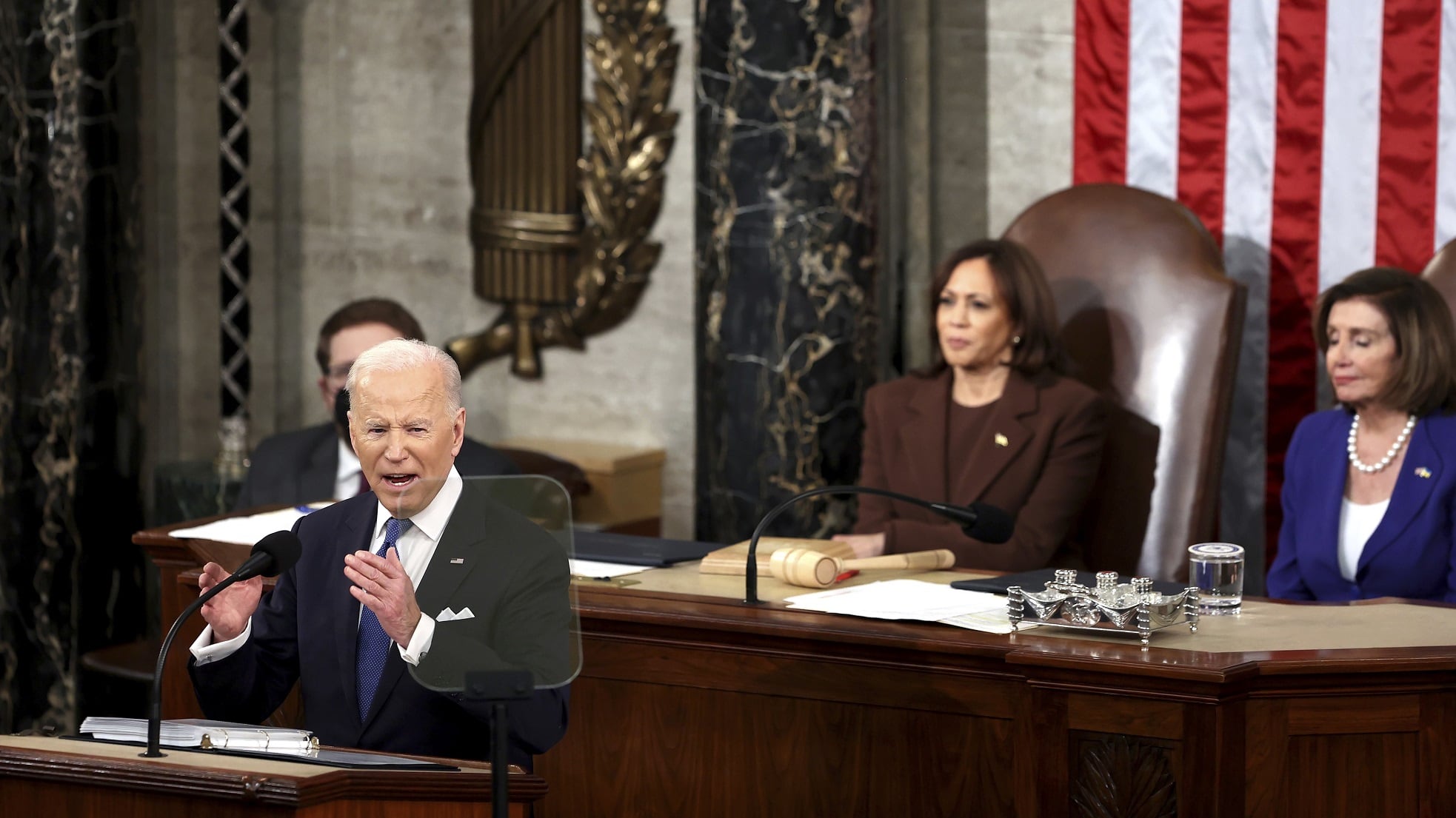
President Biden says the union is strong, Russia is attacking civilians, and Mardis Gras returns! Here is all you Need2Know for Wednesday, March 2, 2022.
World leaders are currently dealing with a handful of pressing issues, including Russia's invasion of Ukraine, inflation, and not to mention the COVID-19 pandemic; but it could be argued that the most pressing issue is one that has experienced its fair share of neglect in the past -- climate change. As tensions escalate between Russia and Ukraine, there is fear the focus on climate will once again be pushed aside. However, the White House appears to be making some effort to prevent that from happening. The White House Office of Science and Technology held a first-of-its-kind roundtable discussion with some of the nation's leading climate scientists on Thursday. Michael Mann, Director of the Earth System Science Center at Pennsylvania State University, and author of the book 'The New Climate War' joins Cheddar News' Closing Bell to discuss his experience as one of the climate scientists at the White House event.
U.S. stocks rebounded to end higher on Thursday after President Biden announced new sanctions against Russia following the country's attack on Ukraine. The Dow was down 859 points at its lowest point of the session, before ultimately finishing the day in the green. Melissa Armo, founder and owner of the Stock Swoosh, joins Cheddar News' Closing Bell to discuss.
Professional golfer Phil Mickelson issued an apology this week after facing backlash over comments he made in support of a golf tour backed by Saudi Arabia. The proposed golf league is called the Super Golf League and is funded by the Public Investment Fund, the financial arm of the Saudi government. Mickelson faced criticism after seeming to imply that he was willing to overlook the Middle Eastern country's human rights record in order to create a league that would rival the PGA Tour. David Salituro, PGA sportswriter for fansided.com, joins Cheddar News' Closing Bell to discuss.
HearHere bills itself as a mobile audio entertainment app for road trips. The company just announced $3.2 million in seed funding led by Camping World, a retail company that sells recreational vehicles and camping supplies. HearHere's GPS-powered app offers over 8,880 stories across the continental U.S. and serves up the stories based on a users' geographic location and interests. The stories are narrated by some big-name celebrities including actor Kevin Costner, who is a co-founder of the company. Woody Sears, co-founder and CEO of HearHere, joins Cheddar News' Closing Bell to discuss.