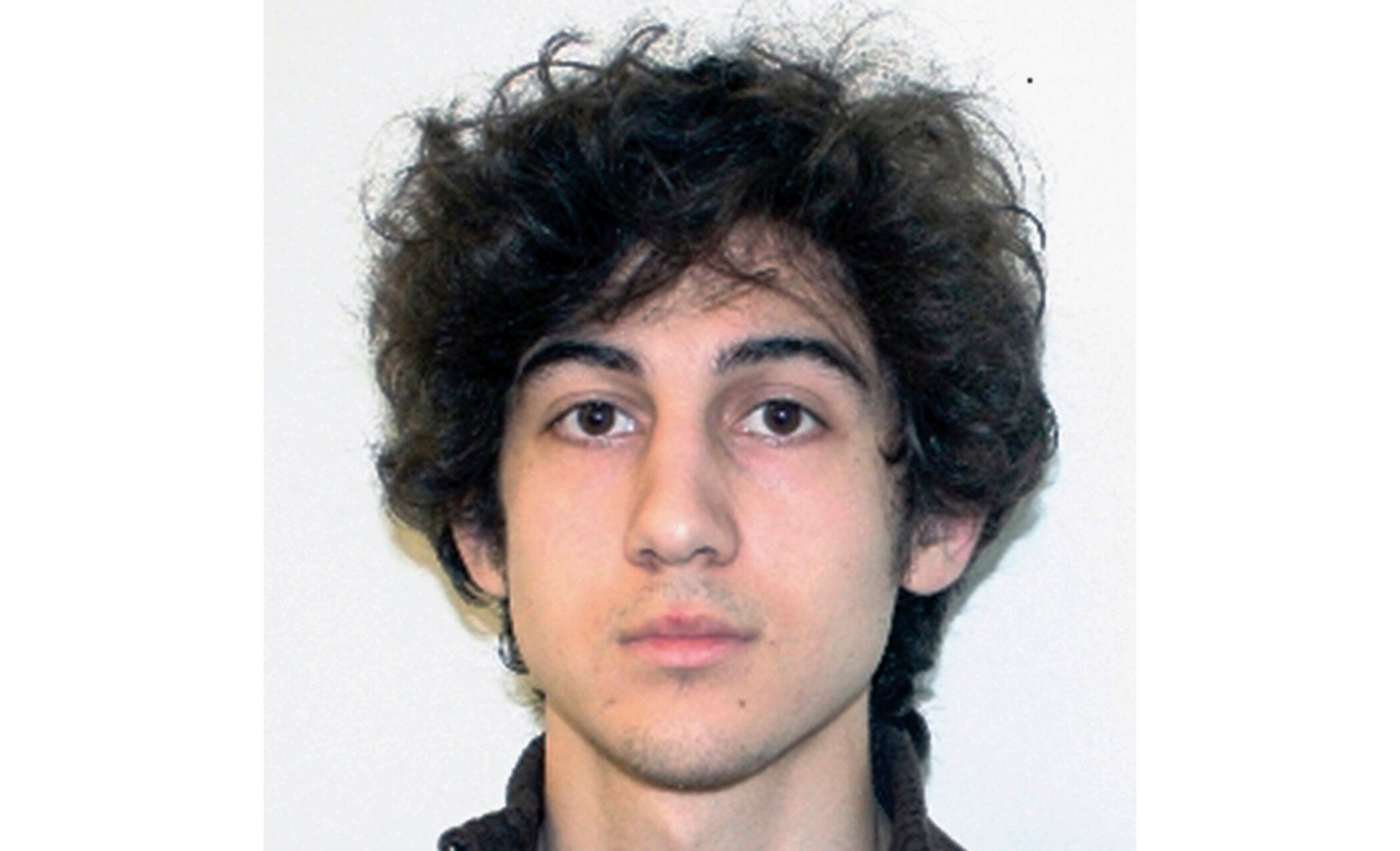
A U.S. District Court judge agreed to let federal prosecutors use convicted Boston Marathon bomber Dzhokhar Tsarnaev's $1,400 COVID-19 stimulus payment, as well as other money held in his inmate trust account, to help pay the millions of dollars he was ordered to pay his victims, The Wall Street Journal reported Thursday.
In a filing Wednesday, the U.S. attorney's office in Boston asked a judge to order the federal Bureau of Prisons to turn the money over to the Clerk of the Court “as payment towards his outstanding criminal monetary penalties, including unpaid special assessment and restitution."
In addition to the stimulus payment, Tsarnaev, who's being held at a maximum security prison in Florence, Colorado, has received money from dozens of sources during his incarceration, including the federal public defender's office and regular payments from individuals living in Indiana, New Jersey and Maryland, according to the filing by acting U.S. Attorney for Massachusetts, Nathaniel Mendell.
As of Dec. 22, Tsarnaev had $3,885 and change in his account.
He was convicted in 2015 of 30 charges in connection with the 2013 bombing at the Boston Marathon finish line that killed three spectators and injured more than 260 others. In 2016 he was ordered to pay a $3,000 special assessment and more than $101 million in criminal restitution.
So far, Tsarnaev has paid a little more than $2,200 of that, all toward the assessment, according to the filing.
And although he has not paid a penny in restitution, Tsarnaev has used his inmate account to pay his siblings for items such as “gifts,” “support,” and “books,” according to the filing.
“The United States submits that the requested relief is reasonable and appropriate in this instance, especially in light of the defendant prioritizing payments to his siblings over the victims of his crimes,” prosecutors wrote.
An email seeking comment was left with Tsarnaev's attorneys.
Tsarnaev was originally sentenced to death, but the federal appeals court in Boston threw out the death sentence in July 2020 because, it said, the judge at his trial did not do enough to ensure the jury would not be biased against him. He is currently serving a life sentence.
The Biden administration has asked the Supreme Court to reinstate Tsarnaev's death sentence. The high court heard arguments in October but has yet to rule.
Lonely Planet is looking to provide tech-savvy travelers with the building blocks to plan their own trips in a new travel experience series. Sebastian Modak, editor-at-large for Lonely Planet, joined Cheddar News to discuss its travel planning innovation. "We’re really offering new perspectives on these places and new approaches to experiencing them," Modak said.
Dubbed the "Ethereum Killer," Solana is known for its super-fast, low-cost transactions, which has proven attractive to defi companies looking to scale up quickly.
Chanda Smith Baker, Chief Impact Officer & SVP at The Minneapolis Foundation, joins ChedHER to discuss how the foundation is driving action for the greatest civic, social, and economic needs and gives advice for others seeking a career in the nonprofit industry.
Stax Payments recently announced a $245 million funding round. Suneera Madhani, CEO and Founder of Stax Payments and Host and Producer of 'CEO School' the podcast, joins ChedHER to discuss how to get more female founders to break $1 million in revenue.
Dr. Kat Cohen, Founder and CEO of IvyWise, talks about how the higher education industry has evolved over the past 20 years, and what to consider as the college decision deadline approaches.
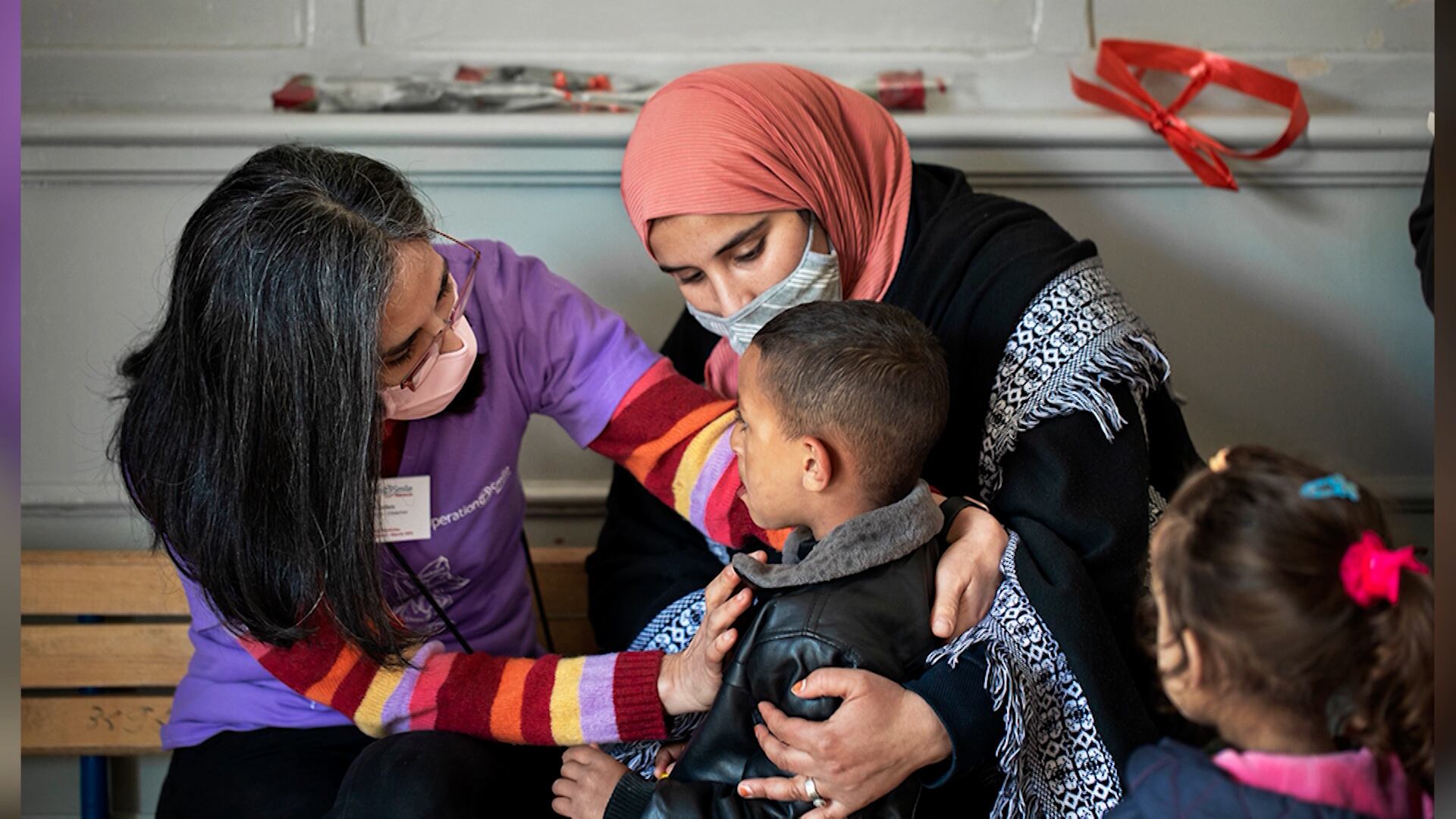
An estimated five billion people lack access to affordable and safe surgical care around the world. For World Health Day, Cheddar News spoke with Kristie Magee Porcaro of Operation Smile, a nonprofit organization assisting with cleft lip and palate surgeries, about how they work to better it around the globe.
Ketanji Brown Jackson was confirmed to the U.S. Supreme Court, House Speaker Nancy Pelosi has COVID< and Miami has outdone itself with a shiny crypto bull. Here is all the news you Need2Know for Friday, April 8, 2022.
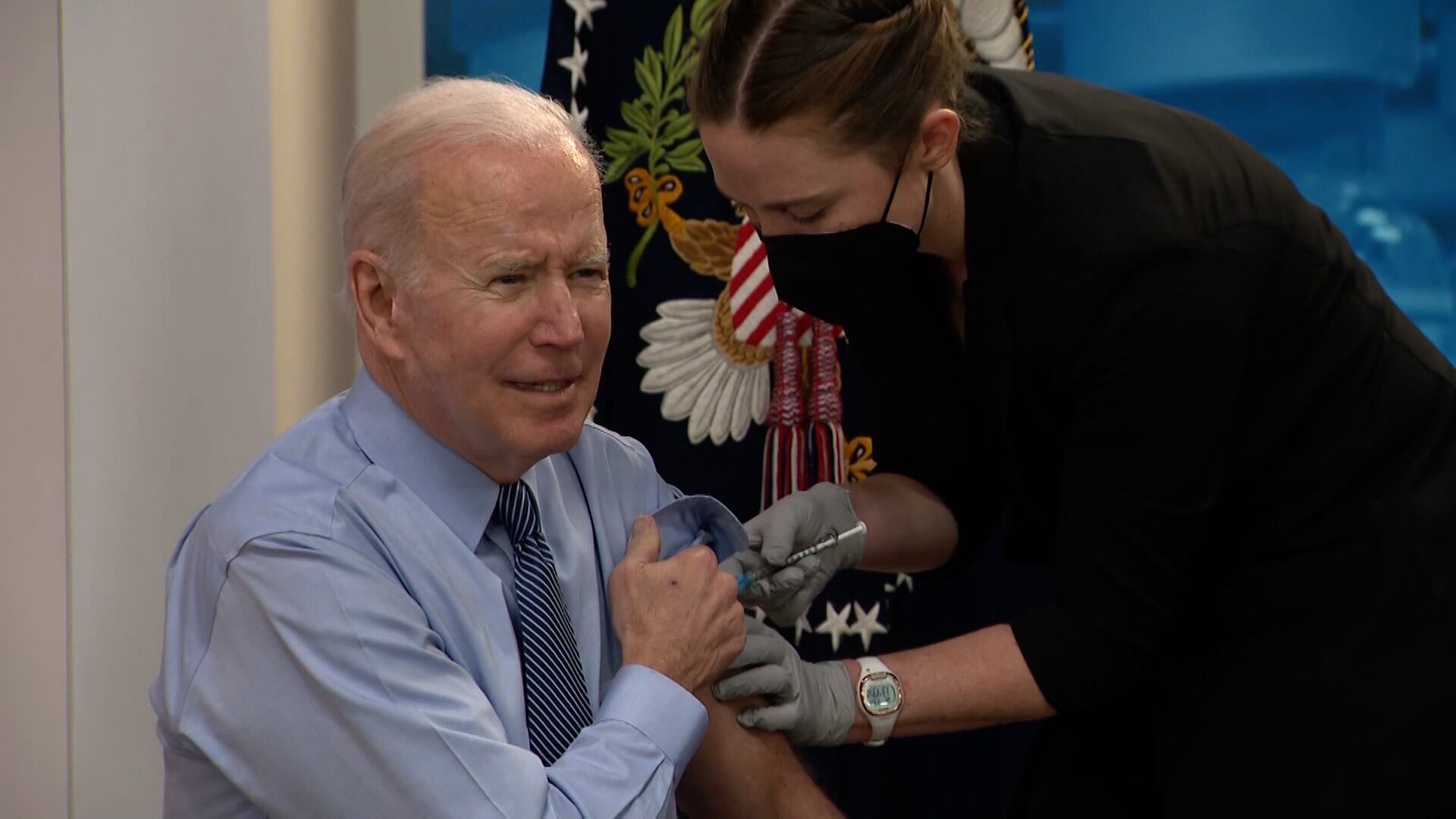
There has been notable disagreement in the medical community about a fourth COVID-19 vaccine dose. The FDA last week authorized a second booster dose for older and immunocompromised individuals, as some agency officials did not support the idea. The FDA made the decision without meeting with its advisory committee, as it had ahead of its recommendations on the previous COVID-19 vaccine doses.
The CDC followed in the footsteps of the FDA and authorized a fourth dose as well. Reports say the agency also did not discuss the move with its own advisory team of vaccine experts. Now, a growing number of doctors are speaking out against the decisions - leaving people confused about whether they should get another vaccine dose. Dr. Julie Morita, a member of the CDC's advisory committee to the director, and the executive vice president of the Robert Wood Johnson Foundation, joins Cheddar News' Closing Bell to discuss.