Nate Coulter, executive director of the Central Arkansas Library System (CALS), looks at a book in the main branch of the public library in downtown Little Rock, Ark., on May 23, 2023. Arkansas is temporarily blocked from enforcing a law that would have allowed criminal charges against librarians and booksellers for providing “harmful” materials to minors, a federal judge ruled Saturday, July 29. (AP Photo/Katie Adkins, File)
Arkansas is temporarily blocked from enforcing a law that would have allowed criminal charges against librarians and booksellers for providing “harmful” materials to minors, a federal judge ruled Saturday.
U.S. District Judge Timothy L. Brooks issued a preliminary injunction against the law, which also would have created a new process to challenge library materials and request that they be relocated to areas not accessible by kids. The measure, signed by Republican Gov. Sarah Huckabee Sanders earlier this year, was set to take effect Aug. 1.
A coalition that included the Central Arkansas Library System in Little Rock had challenged the law, saying fear of prosecution under the measure could prompt libraries and booksellers to no longer carry titles that could be challenged.
The judge also rejected a motion by the defendants, which include prosecuting attorneys for the state, seeking to dismiss the case.
The ACLU of Arkansas, which represents some of the plaintiffs, applauded the court's ruling, saying that the absence of a preliminary injunction would have jeopardized First Amendment rights.
“The question we had to ask was — do Arkansans still legally have access to reading materials? Luckily, the judicial system has once again defended our highly valued liberties," Holly Dickson, the executive director of the ACLU in Arkansas, said in a statement.
The lawsuit comes as lawmakers in an increasing number of conservative states are pushing for measures making it easier to ban or restrict access to books. The number of attempts to ban or restrict books across the U.S. last year was the highest in the 20 years the American Library Association has been tracking such efforts.
Laws restricting access to certain materials or making it easier to challenge them have been enacted in several other states, including Iowa, Indiana and Texas.
Arkansas Attorney General Tim Griffin said in an email Saturday that his office would be "reviewing the judge’s opinion and will continue to vigorously defend the law.”
The executive director of Central Arkansas Library System, Nate Coulter, said the judge's 49-page decision recognized the law as censorship, a violation of the Constitution and wrongly maligning librarians.
“As folks in southwest Arkansas say, this order is stout as horseradish!” he said in an email.
“I’m relieved that for now the dark cloud that was hanging over CALS’ librarians has lifted,” he added.
Cheryl Davis, general counsel for the Authors Guild, said the organization is “thrilled” about the decision. She said enforcing this law “is likely to limit the free speech rights of older minors, who are capable of reading and processing more complex reading materials than young children can.”
The Arkansas lawsuit names the state’s 28 local prosecutors as defendants, along with Crawford County in west Arkansas. A separate lawsuit is challenging the Crawford County library’s decision to move children’s books that included LGBTQ+ themes to a separate portion of the library.
The plaintiffs challenging Arkansas’ restrictions also include the Fayetteville and Eureka Springs Carnegie public libraries, the American Booksellers Association and the Association of American Publishers.
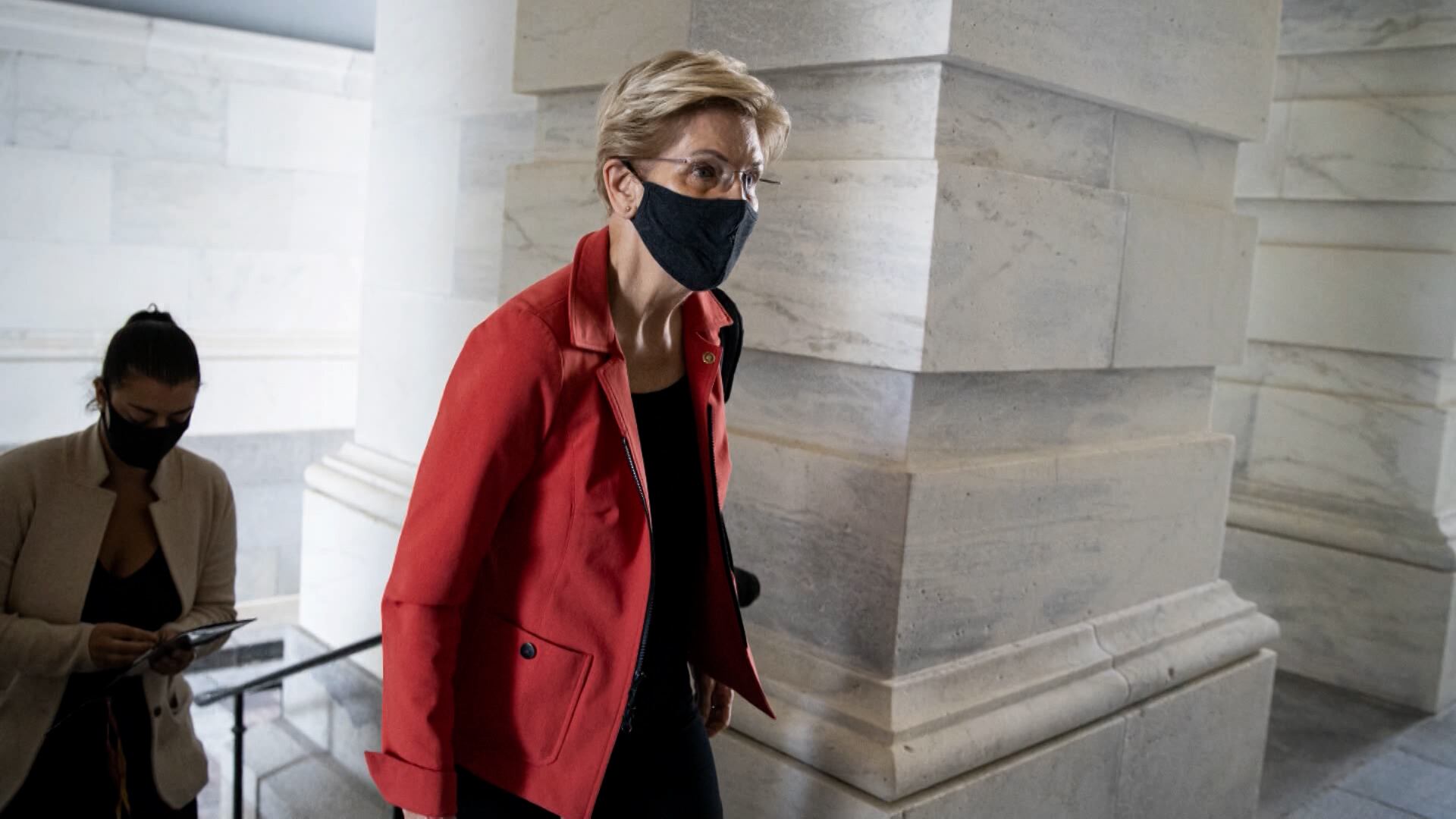
Cryptocurrency is expected to become a part of our daily lives — but what sort of environmental impact does it have? As the U.S. becomes the crypto mining capital of the world, climate advocates are worried about mining companies reopening old coal plants, using massive amounts of energy, wasteful hardware, and more. Congressional Democrats led by Senator Elizabeth Warren are demanding answers from mining firms about their electricity use and waste levels. John Belizaire, CEO of Soluna Computing, joins Cheddar Climate to discuss the congressional letters, how crypto mining can become a green industry, and more.
The Supreme Court will reconsider race-based affirmative action in college admissions. The court will examine admissions policies at Harvard University and The University of North Carolina Chapel Hill, which count the race of applicants as a factor in admissions. The court has upheld affirmative action policies in the past, saying it helps to create more diverse student bodies. However, the conservative Supreme Court could be skeptical and even possibly hostile to such policies. Nick Anderson, Higher Education Writer, Washington Post joined Cheddar's Opening Bell to discuss.
Stephanie Akin, Politics Reporter for CQ Roll Call, breaks down
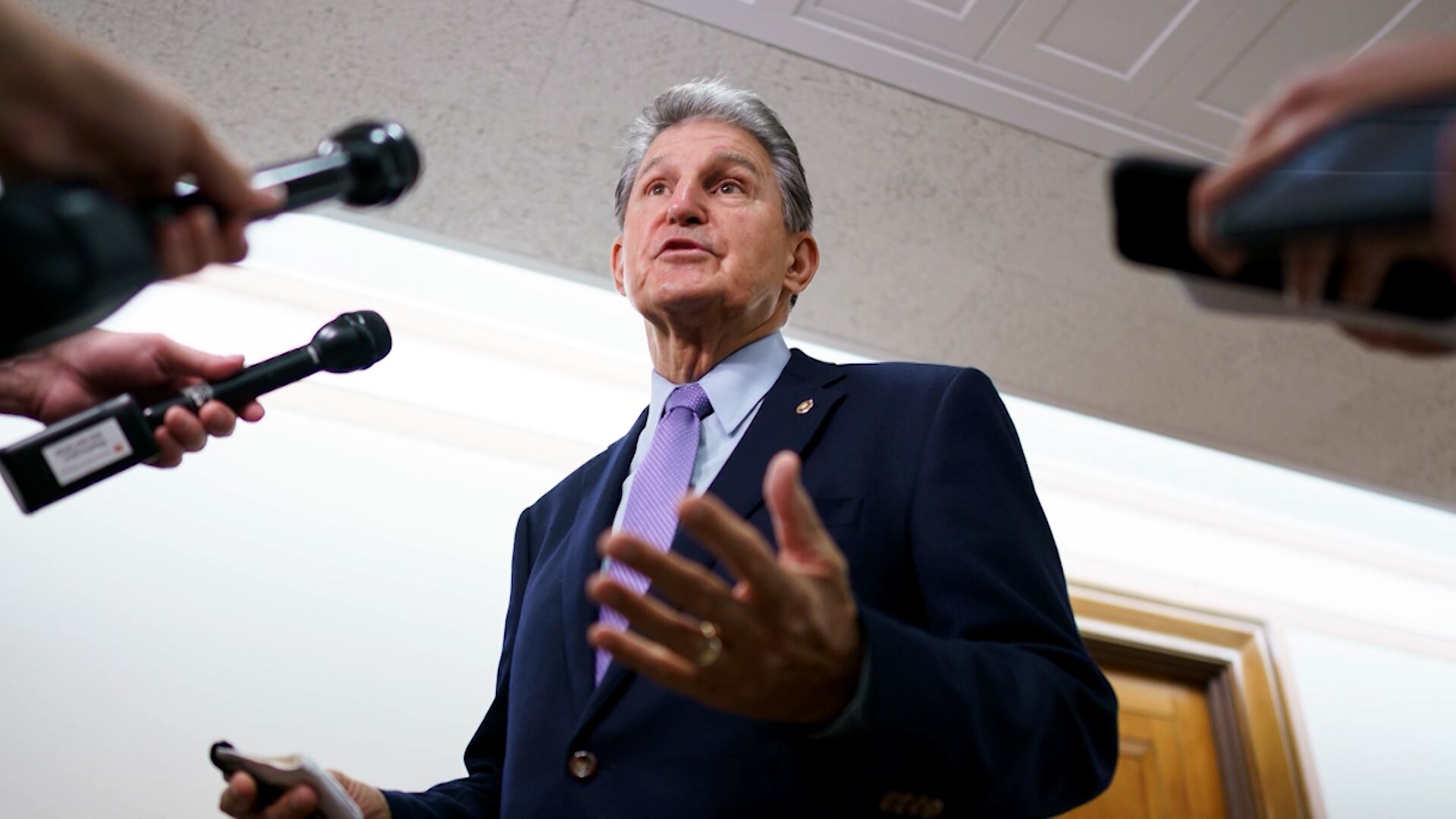
Senator Manchin's donation pool, and highlights what this support means for the conservative Democrat as well as the Republican party.
The global oil benchmark surpassed $90 for the first time in more than seven years. This comes as growing tensions between Russia and Ukraine add to concerns about the already-tight market. Jay Hatfield, Chief Investment Officer at ICAP, joined Cheddar to discuss what this benchmark means for the oil industry, and what might happen if Russia does invade its neighbor.
With the Beijing Winter Olympics set to get underway on Friday, Dan Wolken, a national columnist for USA Today, joined Cheddar News to break down the big storylines as the pandemic and international conflicts threaten to cast a cloud over the event that is aspirationally seen as a beacon of international cooperation. Wolken noted specific issues over cybersecurity for visiting athletes and disputes over human rights leading to a diplomatic boycott have been making waves even before the opening ceremony. "So you've got sort of these barbs going back and forth already between the Americans and the Chinese, and things haven't even started yet," he said. "We don't even know what's going to happen once the games start and people actually start winning medals."
We are a week away from the 2022 Beijing Olympics, and China has already faced a host of problems leading up to the opening ceremony of the Beijing games. DJ Peterson, president of Longview Global Advisors, joins Cheddar News to discuss the many concerns and controversies surrounding the event.
In 2021, QAnon, the community which traffics in conspiracy theories saw a rapid growth in its numbers. As a result of vaccine rollouts, a number of conspiracies surrounding them also began to circulate which then led to the rise of "Anti-Vaxxers". As a result, the QAnon and anti-vax communities have become increasingly intertwined and the results could be costing lives. Senior Researcher at Media Matters Alex Kaplan, joined Cheddar to discuss more.
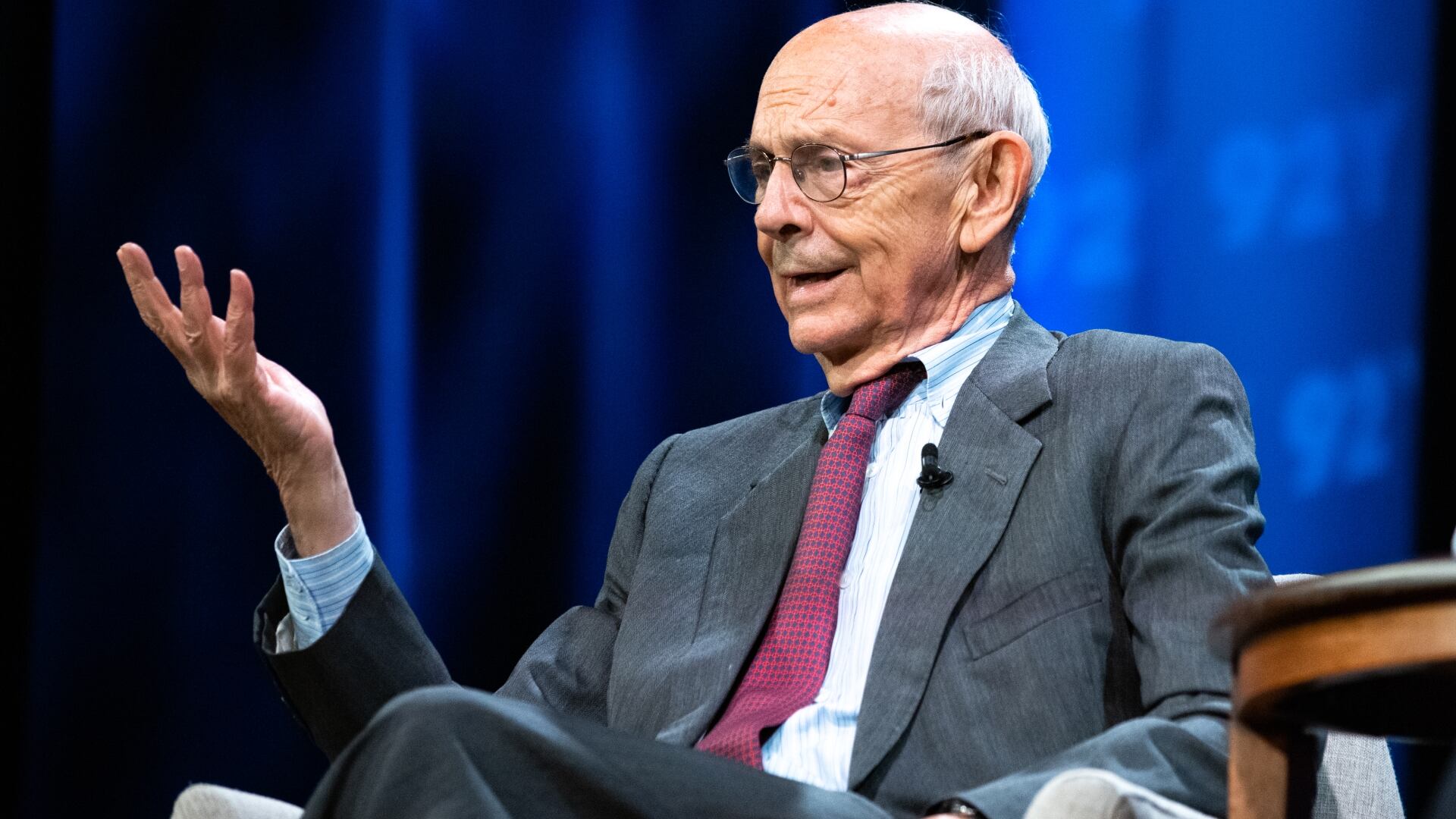
Supreme Court Justice Breyer has announced that he will officially retire from his post. He has served as the senior member of the more liberal wing in recent years. Now his retirement puts pressure on President Biden to decide on who will replace Breyer. Attorney and Media Editor at SCOTUS blog Katie Barlow, joined Cheddar to discuss more.
A long awaited report in the UK looking into the alleged parties held at 10 Downing Street during lockdown finds a culture of excessive drinking and a "failure of leadership" in Boris Johnson's government. Cheddar News speaks with international journalist Thomas Cole, who is closely monitoring latest developments.