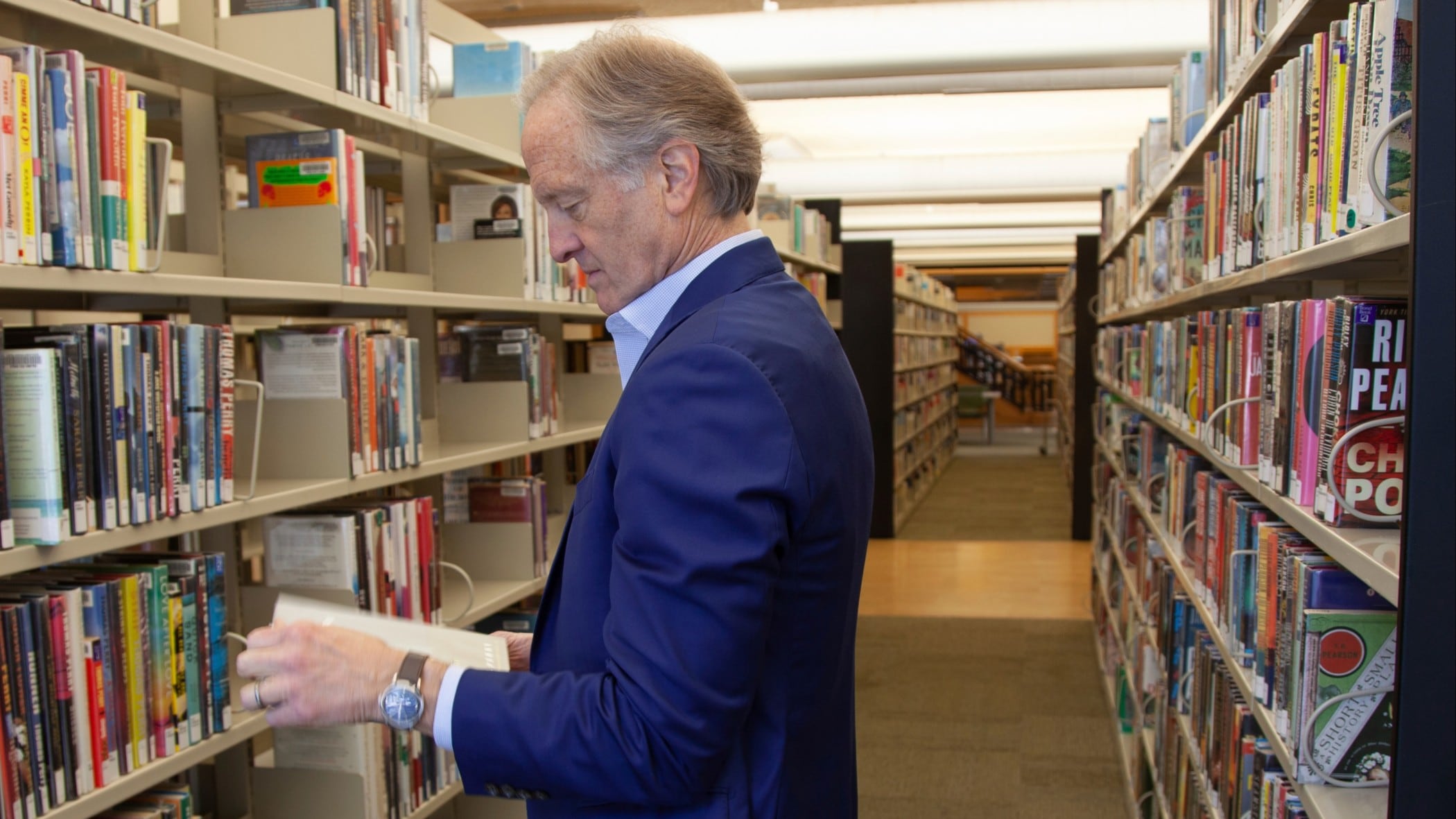
Nate Coulter, executive director of the Central Arkansas Library System (CALS), looks at a book in the main branch of the public library in downtown Little Rock, Ark., on May 23, 2023. Arkansas is temporarily blocked from enforcing a law that would have allowed criminal charges against librarians and booksellers for providing “harmful” materials to minors, a federal judge ruled Saturday, July 29. (AP Photo/Katie Adkins, File)
Arkansas is temporarily blocked from enforcing a law that would have allowed criminal charges against librarians and booksellers for providing “harmful” materials to minors, a federal judge ruled Saturday.
U.S. District Judge Timothy L. Brooks issued a preliminary injunction against the law, which also would have created a new process to challenge library materials and request that they be relocated to areas not accessible by kids. The measure, signed by Republican Gov. Sarah Huckabee Sanders earlier this year, was set to take effect Aug. 1.
A coalition that included the Central Arkansas Library System in Little Rock had challenged the law, saying fear of prosecution under the measure could prompt libraries and booksellers to no longer carry titles that could be challenged.
The judge also rejected a motion by the defendants, which include prosecuting attorneys for the state, seeking to dismiss the case.
The ACLU of Arkansas, which represents some of the plaintiffs, applauded the court's ruling, saying that the absence of a preliminary injunction would have jeopardized First Amendment rights.
“The question we had to ask was — do Arkansans still legally have access to reading materials? Luckily, the judicial system has once again defended our highly valued liberties," Holly Dickson, the executive director of the ACLU in Arkansas, said in a statement.
The lawsuit comes as lawmakers in an increasing number of conservative states are pushing for measures making it easier to ban or restrict access to books. The number of attempts to ban or restrict books across the U.S. last year was the highest in the 20 years the American Library Association has been tracking such efforts.
Laws restricting access to certain materials or making it easier to challenge them have been enacted in several other states, including Iowa, Indiana and Texas.
Arkansas Attorney General Tim Griffin said in an email Saturday that his office would be "reviewing the judge’s opinion and will continue to vigorously defend the law.”
The executive director of Central Arkansas Library System, Nate Coulter, said the judge's 49-page decision recognized the law as censorship, a violation of the Constitution and wrongly maligning librarians.
“As folks in southwest Arkansas say, this order is stout as horseradish!” he said in an email.
“I’m relieved that for now the dark cloud that was hanging over CALS’ librarians has lifted,” he added.
Cheryl Davis, general counsel for the Authors Guild, said the organization is “thrilled” about the decision. She said enforcing this law “is likely to limit the free speech rights of older minors, who are capable of reading and processing more complex reading materials than young children can.”
The Arkansas lawsuit names the state’s 28 local prosecutors as defendants, along with Crawford County in west Arkansas. A separate lawsuit is challenging the Crawford County library’s decision to move children’s books that included LGBTQ+ themes to a separate portion of the library.
The plaintiffs challenging Arkansas’ restrictions also include the Fayetteville and Eureka Springs Carnegie public libraries, the American Booksellers Association and the Association of American Publishers.
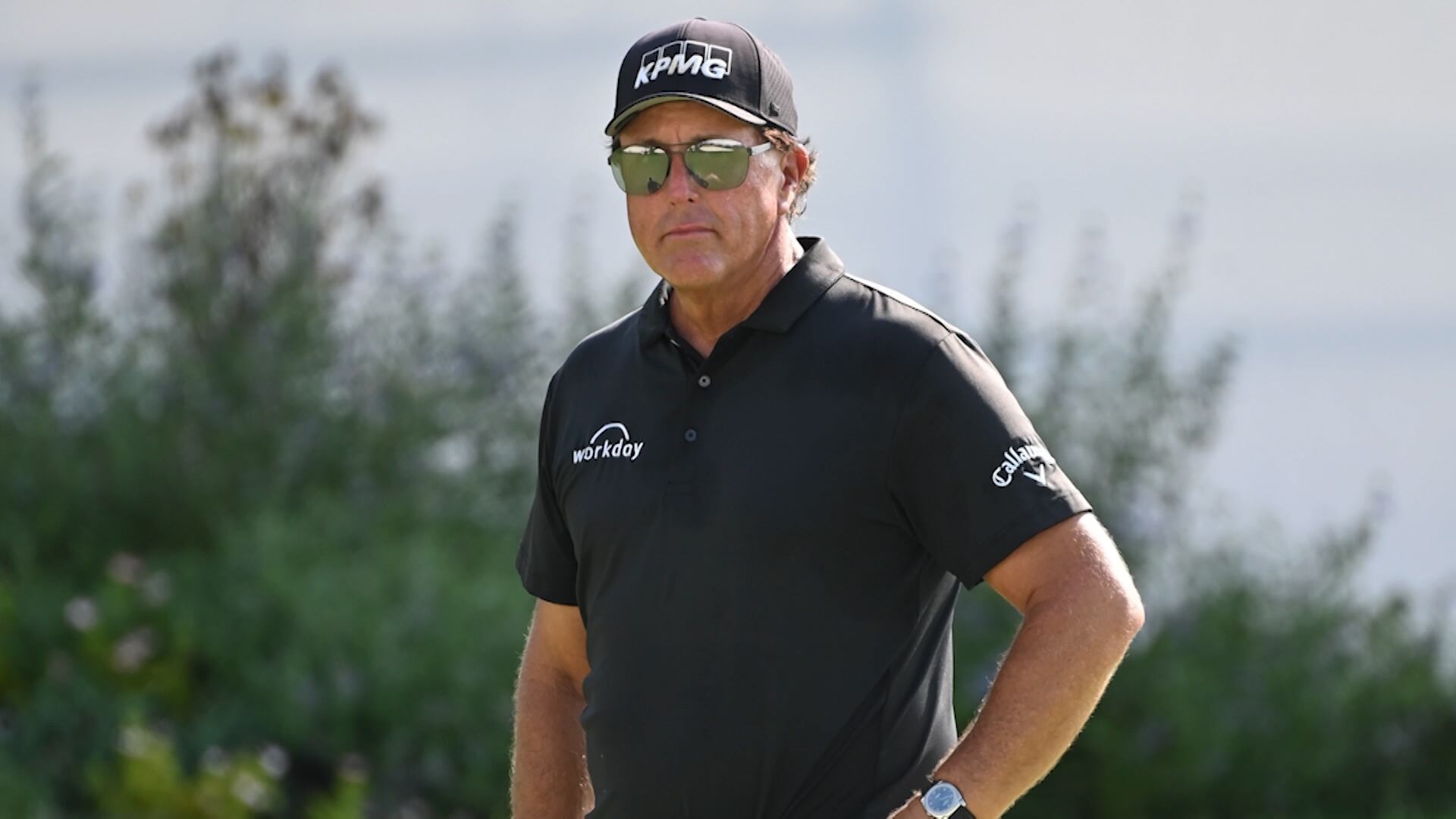
The PGA has suspended 17 golfers, including Phil Mickelson and Dustin Johnson, who are competing in a Saudi-backed golf event outside of London. In a memo, commissioner Jay Monahan said "these players have made their choice for their own financial-based reasons", announcing they are ineligible to participate on the PGA tour or any other tours it sanctions. Hugh Kellenberger, Senior Managing Editor at the Athletic, breaks down the controversy, and what might happen next.
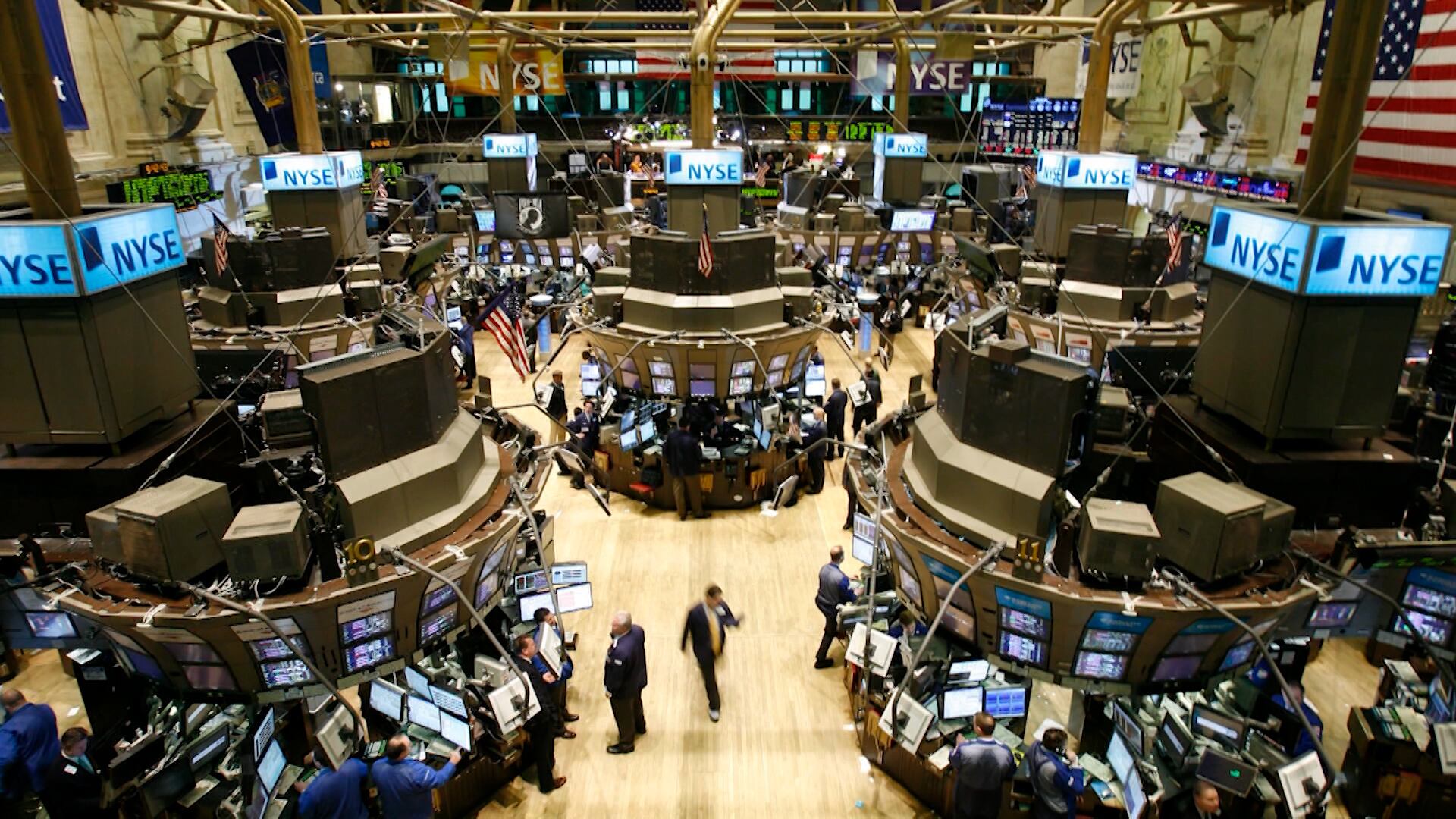
U.S. stocks closed Friday at session lows after May CPI data showed inflation in the U.S. has not peaked and is still rising rapidly. For the week, the S&P fell 5.06%, the Dow lost 4.58%, and the Nasdaq dropped 5.60%, marking the worst week since January for all three major indexes. Mike Zigmont, Head of Trading and Research at Harvest Volatility Management, joins Cheddar News' Closing Bell to discuss.
Benefits brokerage, Nava Benefits, raised $40 million in a Series B round. Nava says it's on a mission to fix healthcare, one benefits plan at a time. The startup is working to bring benefits to small business that are normally available to only Fortune 500 companies. Brandon Weber, Co-Founder and CEO of Nava Benefits, joined Cheddar News' Closing Bell to discuss.
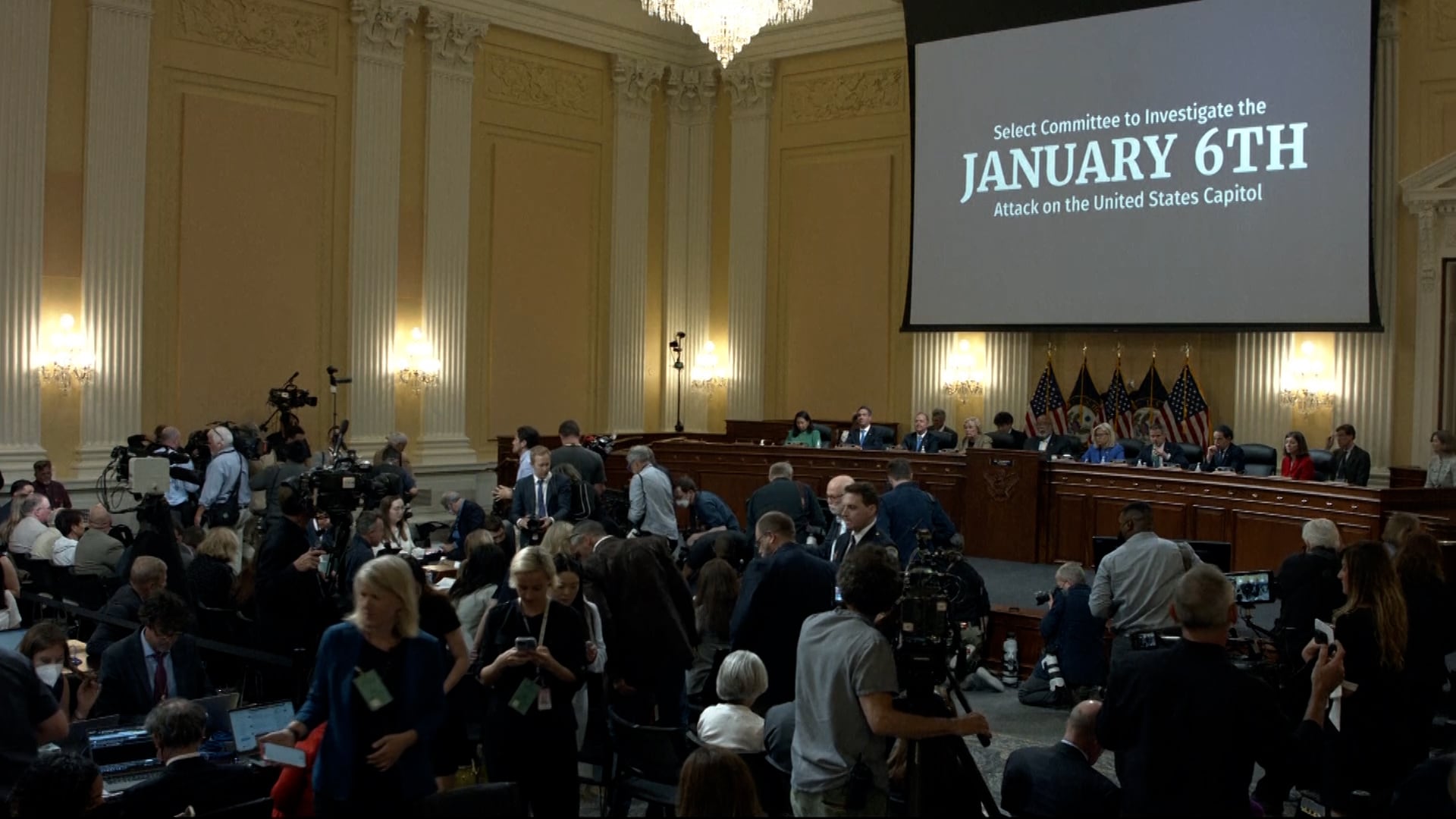
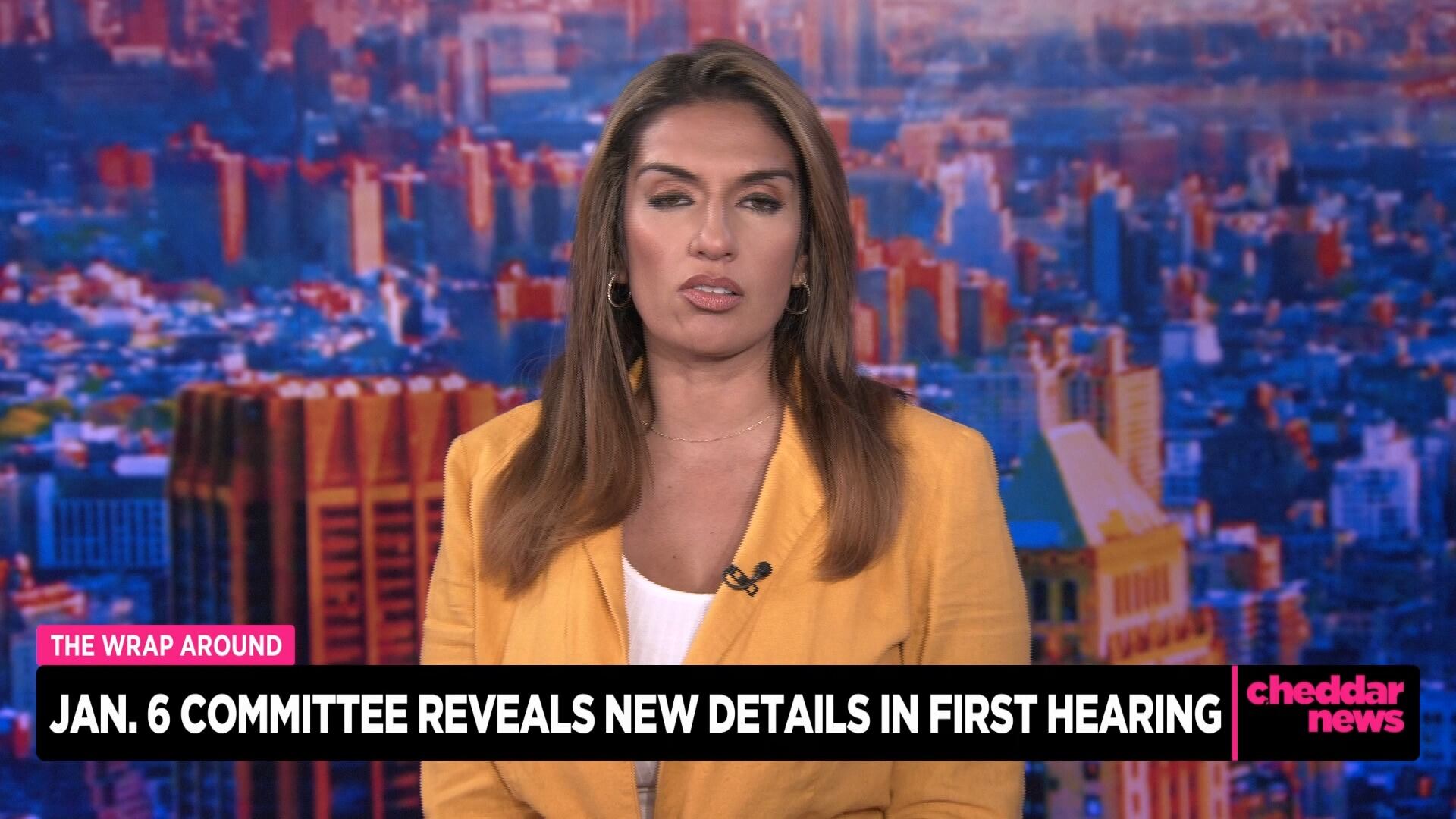
The House Select Committee investigating the Jan. 6 riots on Capitol Hill held its first primetime hearing on Thursday. Cheddar News speaks with legal analyst Tracy Pearson, who breaks down the biggest takeaways.
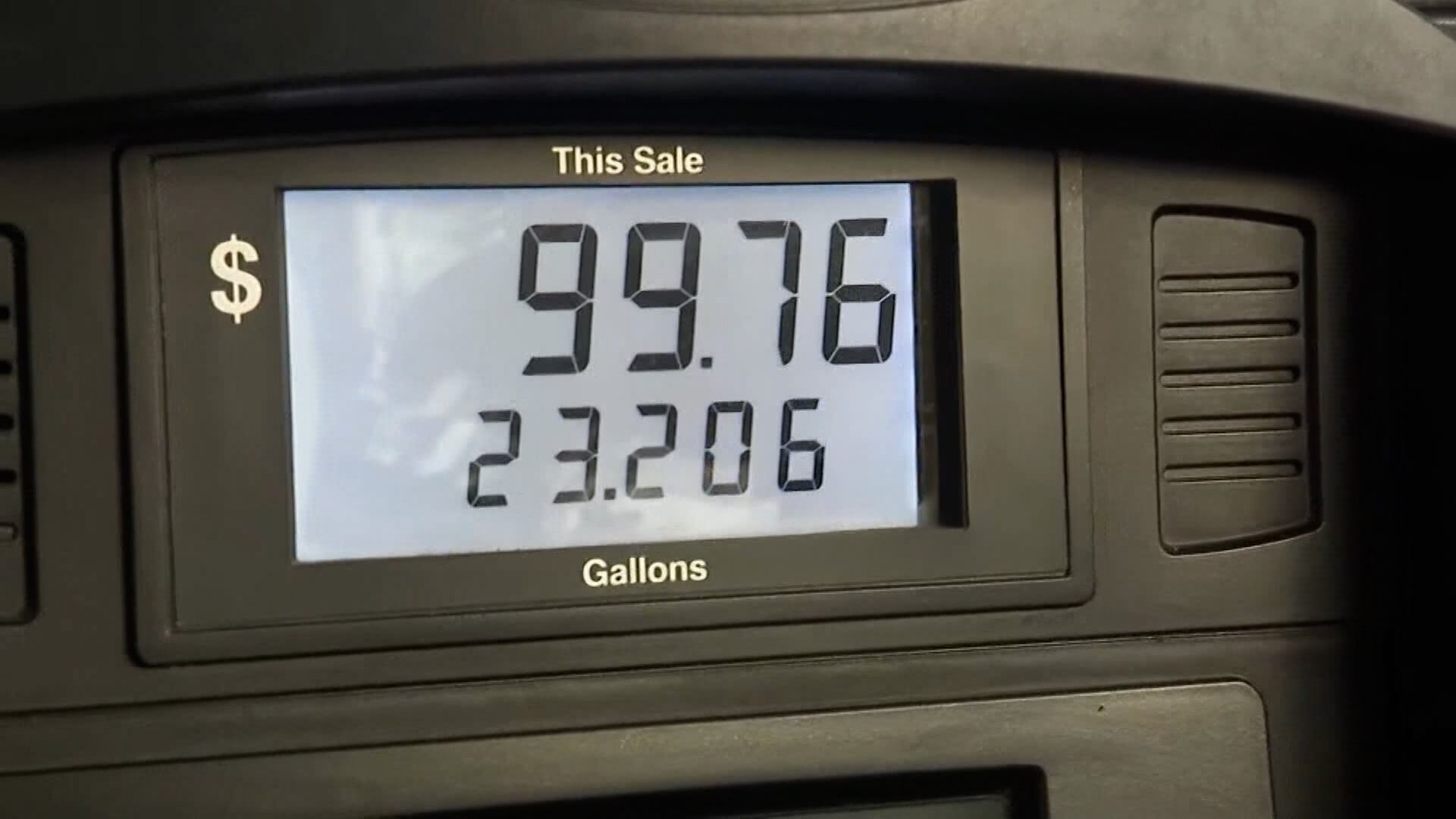
Fuel and oil prices have risen almost 17 percent since May, making the national gas prices reach nearly $5 a gallon. Andrew Lipow from consulting firm Lipow Oil Associates joined Cheddar News to discuss the future of gas prices. "The biggest issue on the oil market is really events that are beyond our control, which is what is happening over in Europe," he said, regarding the ongoing Russia Ukraine war. Lipow also said he predicted gas prices to hit $5.05 and that he's focused on the Biden administration's overtures in repairing a relationship with Saudi Arabia.
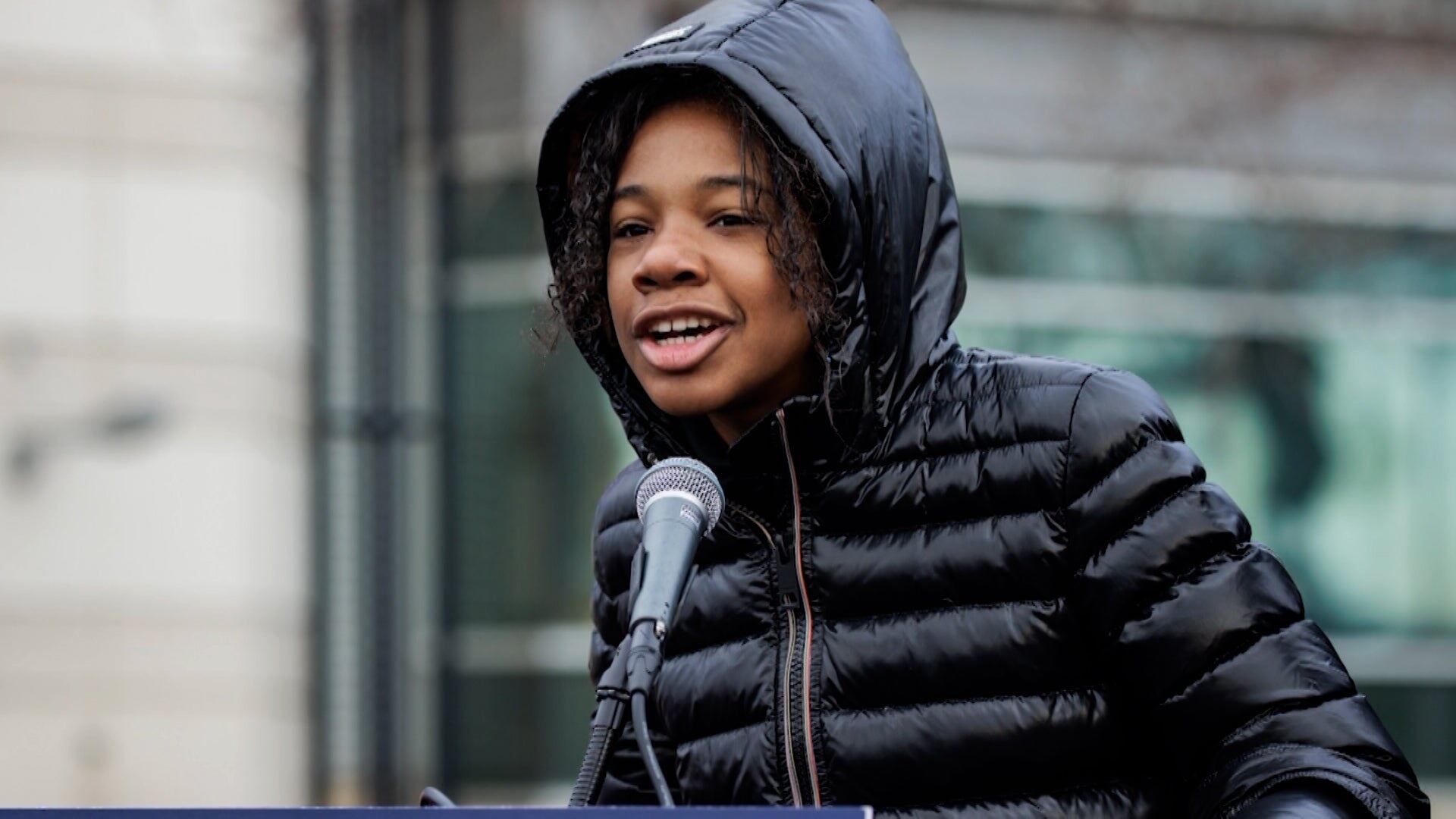
March For Our Lives will be returning this weekend to Washington, DC, in the wake of the recent mass shooting seen throughout the country. Marchers include Yolanda Renee King, the only granddaughter of Martin Luther King Jr. She joined Cheddar News to discuss the importance of the march and activism in general. "I just think that it's so important to have these rallies because we need to demand to our leaders and politicians that they pass legislation and that and we actually need to see action," she said.
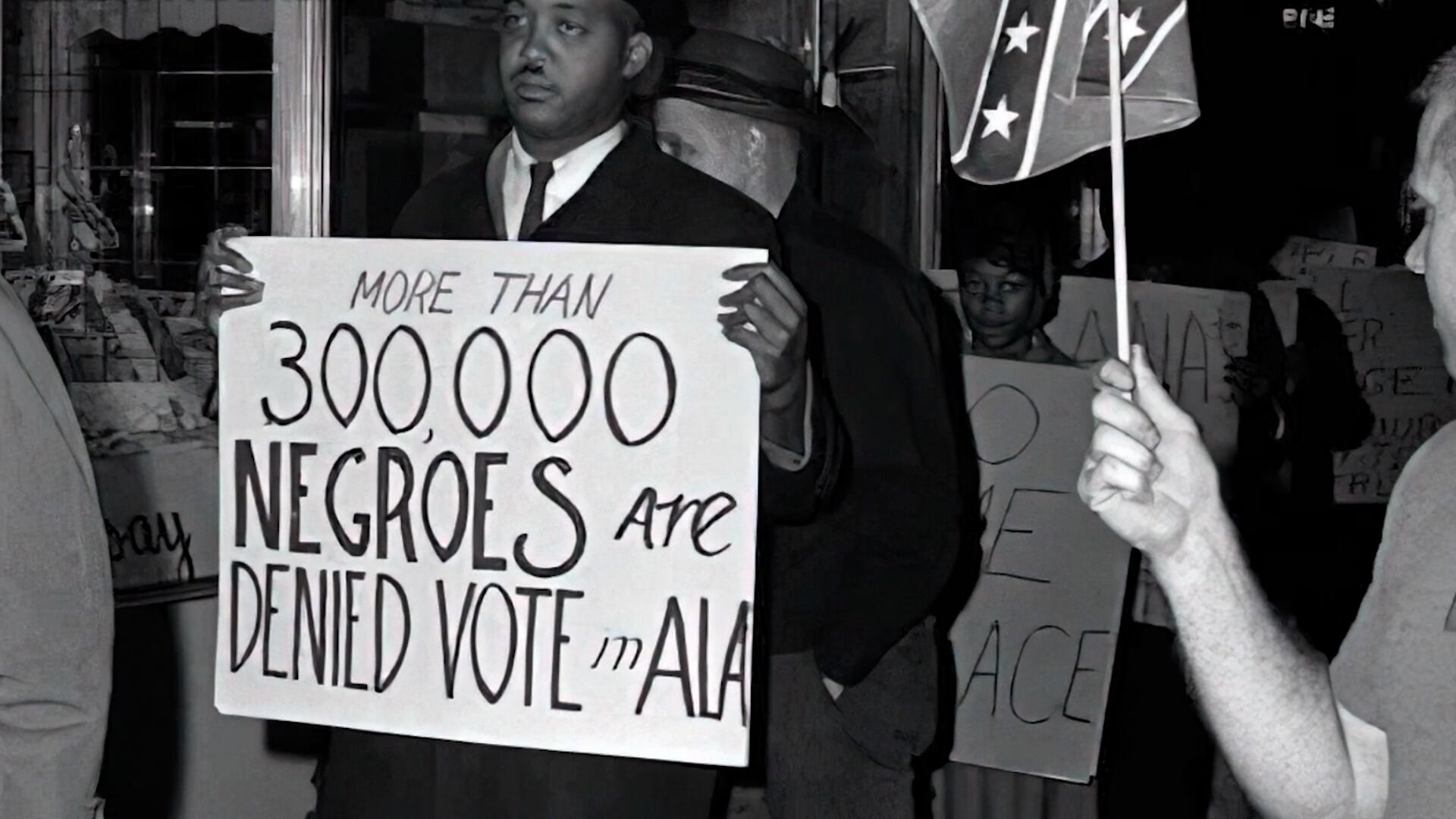
Erika Alexander and Whitney Dow, directors of 'The Big Payback,' join Cheddar News to discuss their new film, 'The Big Payback.' It premieres Saturday, June 11 at the Tribeca Festival.
President Biden proposed a new rule that would add 500,000 chargers for electric vehicles nationwide. The proposal comes amid the rapid shift to EVs with dozens of automakers announcing plans for all-electric fleets within the next decade. But with the new surge will the U.S. have the proper infrastructure to keep up? Scott Painter, founder and CEO of Autonomy.com joined Cheddar's Opening Bell to discuss. "I really think the idea of standardization is a big deal. Standardization certainly makes it much better for everybody to be able to get a charge when they need one," he said.
The House select committee investigating the January 6th riots on Capitol Hill is opening its landmark series of public hearings. Cheddar News speaks with Mike Sozan, senior fellow at the Center for American Progress who explains how to follow the hearings and what to expect.