An empty restaurant serving only takeout due to the novel coronavirus, COVID-19, outbreak is seen in Washington, DC, on March 18, 2020. (Photo by NICHOLAS KAMM / AFP) (Photo by NICHOLAS KAMM/AFP via Getty Images)
JPMorgan Chase will invest $8 million in small businesses in the U.S., Europe, and China that have been hit hard by the public health and economic impacts of the COVID-19 crisis.
The investment is part of a much larger $50 million global philanthropic commitment to help provide emergency healthcare, food, and other humanitarian relief to vulnerable communities and existing nonprofit partners.
Chase will deploy the first $15 million “promptly” and the remainder over time. As consumers self-quarantine and cities go on lockdown, small businesses have already been majorly disrupted by the pandemic and are preparing for much worse over the coming weeks.
About half of small businesses have 14 or fewer cash buffer days, according to a JPMorgan research report on small business financial health in urban communities. In black or Hispanic communities, most small businesses have fewer than 21 cash buffer days.
Chase is working with its customers, including small businesses, to waive fees, extend payment due dates for cards, auto loans, and mortgages, and increase credit lines as needed due to coronavirus-related challenges, a spokesman for the company said.
Like most banks, it’s also directing people to its mobile app, but many small businesses still require branches to make change for drawers and to deposit cash.
The bank’s financial commitment follows one by Facebook, which said Tuesday it would invest a whopping $100 million in now struggling small businesses. Delivery startups like Grubhub and DoorDash are deferring or waiving commissions to encourage people to continue giving business to independent local restaurants.
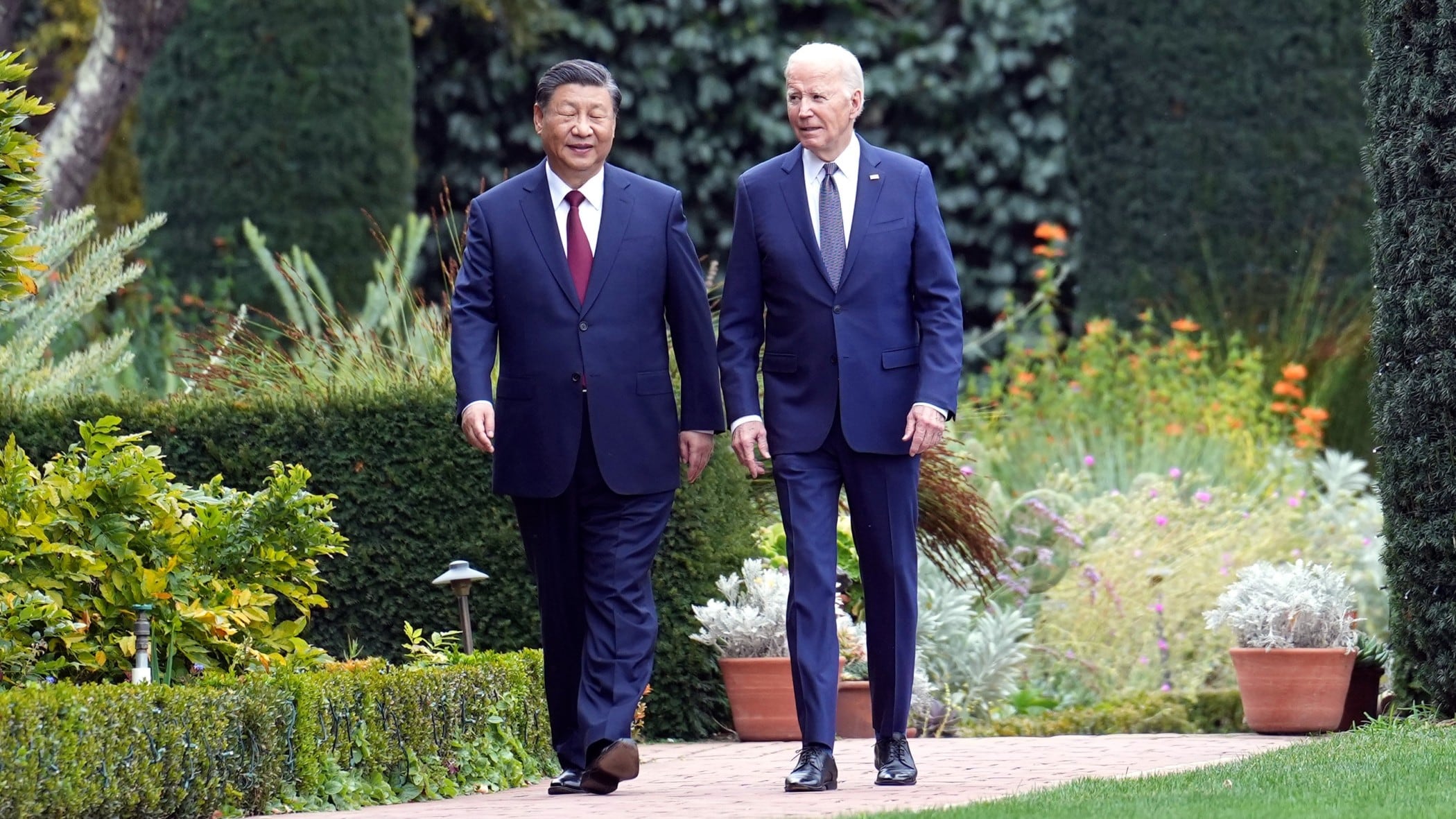
President Joe Biden and Chinese President Xi Jinping have discussed Taiwan, artificial intelligence and security issues in a call meant to demonstrate a return to regular leader-to-leader dialogue between the two powers.
April is Earth month, and while the green revolution might feel far away, the founder of climate VC Siam Capital says it’s on it’s way, and, even better: it won't cost you more.
From snow in April to heatwaves in December, it’s hard to plan a trip in a climate change world. Startup Sensible Weather thinks weather-based travel reimbursements are the solution.
Between corporate debt and the widening gap between ‘the haves and the have nots,’ there are reasons to be cautious about the economy, even with interest rate cuts on their way.
If the A.I. hype hasn’t given you enough of a reason to be excited (and a little terrified), the CEO of Zapata AI says the next frontier is designing bridges or creating pharmaceutical drugs.
Stocks are near record highs, inflation is moderating, and analyst Deiya Pernas is 'optimistic' the U.S. is heading for a soft landing without a recession – which is good news for your wallet.