This Feb. 24, 2021 photo shows a Johnson & Johnson logo on the exterior of a first aid kit in Walpole, Mass. Johnson & Johnson is recalling five of its sunscreen products after testing found low levels of benzene _ a chemical that can cause cancer with repeated exposure _ in some product samples, the company said late Wednesday, July 14, 2021. (AP Photo/Steven Senne, file)
By Linda A. Johnson
Johnson & Johnson said Wednesday that it is recalling five of its sunscreen products after some samples were found to contain low levels of benzene, a chemical that can cause cancer with repeated exposure.
The affected products, packaged in aerosol cans, are Aveeno Protect + Refresh aerosol sunscreen, and four Neutrogena sunscreen versions: Beach Defense aerosol sunscreen, CoolDry Sport aerosol sunscreen, Invisible Daily Defense aerosol sunscreen and UltraSheer aerosol sunscreen.
The recall includes all can sizes and all levels of sun protection factor, or SPF. The products were distributed nationwide through retailers.
The health care giant said the benzene was found after testing by the company and an independent laboratory. It is investigating how the chemical got into the products.
J&J said it’s working to get all lots of the five products removed from store shelves. It urged consumers to stop using the sunscreens immediately and said customers can get a refund by calling J&J’s Consumer Care Center at 1-800-458-1673. More information is available at the websites for Neutrogena and Aveeno.
J&J said in a statement that “use of these products would not be expected to cause adverse health consequences" and that it voluntarily decided to recall them "out of an abundance of caution.” The statement added that people should use an alternate sunscreen to protect themselves from the skin cancer melanoma.
Benzene is a highly flammable, widely used chemical that's present throughout the environment. It can cause cancer with repeated exposure at high enough levels. It also can damage the immune system and prevent cells from functioning properly, according to the U.S. Centers for Disease Control and Prevention.
The chemical's effects vary by whether a person accidentally inhales or ingests it or gets it on skin and clothing. Symptoms range from dizziness and irregular heartbeat to convulsions and, at very high levels, death.
J&J, which is based in New Brunswick, New Jersey, said it has notified the Food and Drug Administration of the recall.
While the U.S. may slowly be on the path to lowering inflation (and therefore interest rates), Europe has thoroughly trounced America, putting it on the path to lower rates by this summer.
April's release of the monthly Housing Starts and Building Permits reports by the Census Bureau provides crucial insights into the construction activity in the housing market. These reports are an economic indicator, shedding light on the current state of the housing market and its broader economic impact.
Caitlin Clark is heading to the Indiana Fever, the number one draft pick and the highest-scoring college basketball player of all time. And while she may not be getting millions from the WNBA, there's a few ways she'll net compensation for her generational talents.
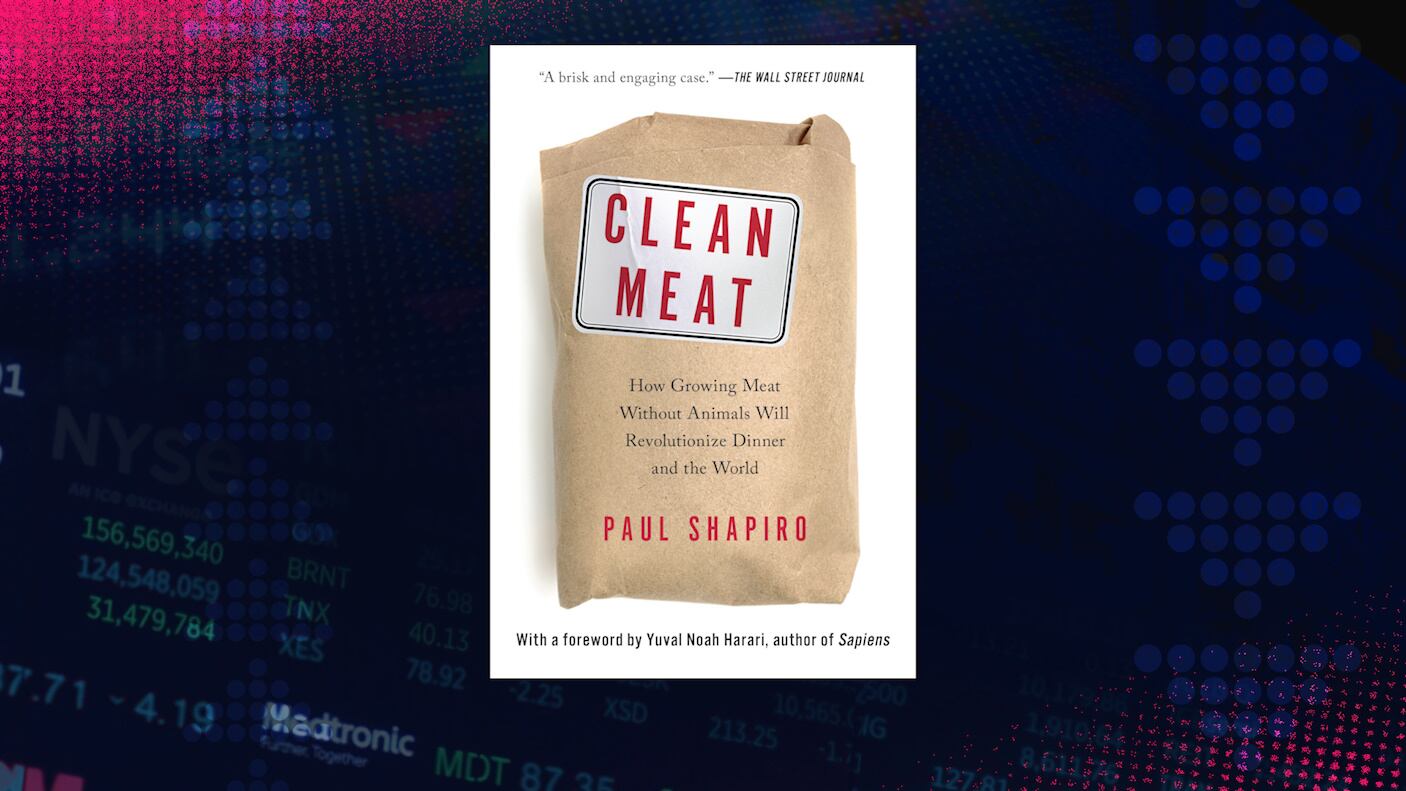
Author of 'Clean Meat,' Paul Shapiro joins Cheddar to discuss how the cellular agricultural revolution helps lower rates of foodborne illness and greatly improves environmental sustainability. Plus, how his company The Better Meat Co. is bringing healthier food options to the table.
Recent headlines might make it sound like World War III is imminent, but when it comes to your finances, it's not the time to panic. The market is coming off its longest winning streak since 2011.
You may have noticed fewer new venture capital-backed startups (like Airbnb or Uber) lately. The market slowed to a crawl after 2021, but things are expected to take off again in 2025.
Corporate earnings season is underway, that time when companies share their billions in sales or double-digit profits. But the data shows even companies are struggling with high inflation and interest rates.
Boeing continues their terrifying trend of having their planes fall apart mid-flight, inflation — checks notes — is still up and the future of AI looks terrifying. Cheery!
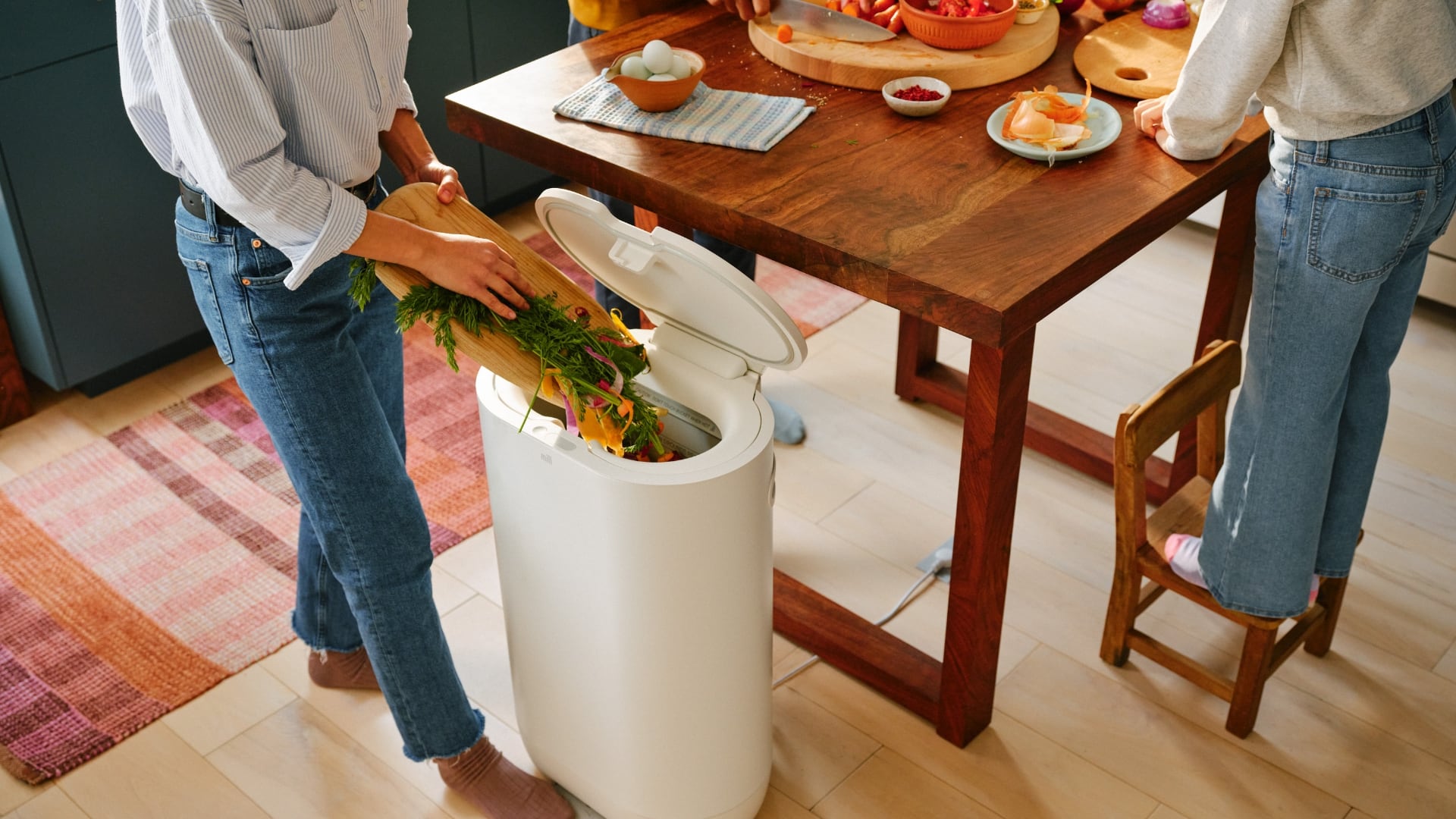
Food waste – uneaten scraps or leftovers sent to landfills – is responsible for 10% of global emissions. Mill, a new product from the co-founder of Nest, thinks technology can play a role in eliminating it.
By the time the 2024 election is over, be prepared to see some form of a recession – but this shouldn’t be as bad as what we experienced in 2020 or 2008.