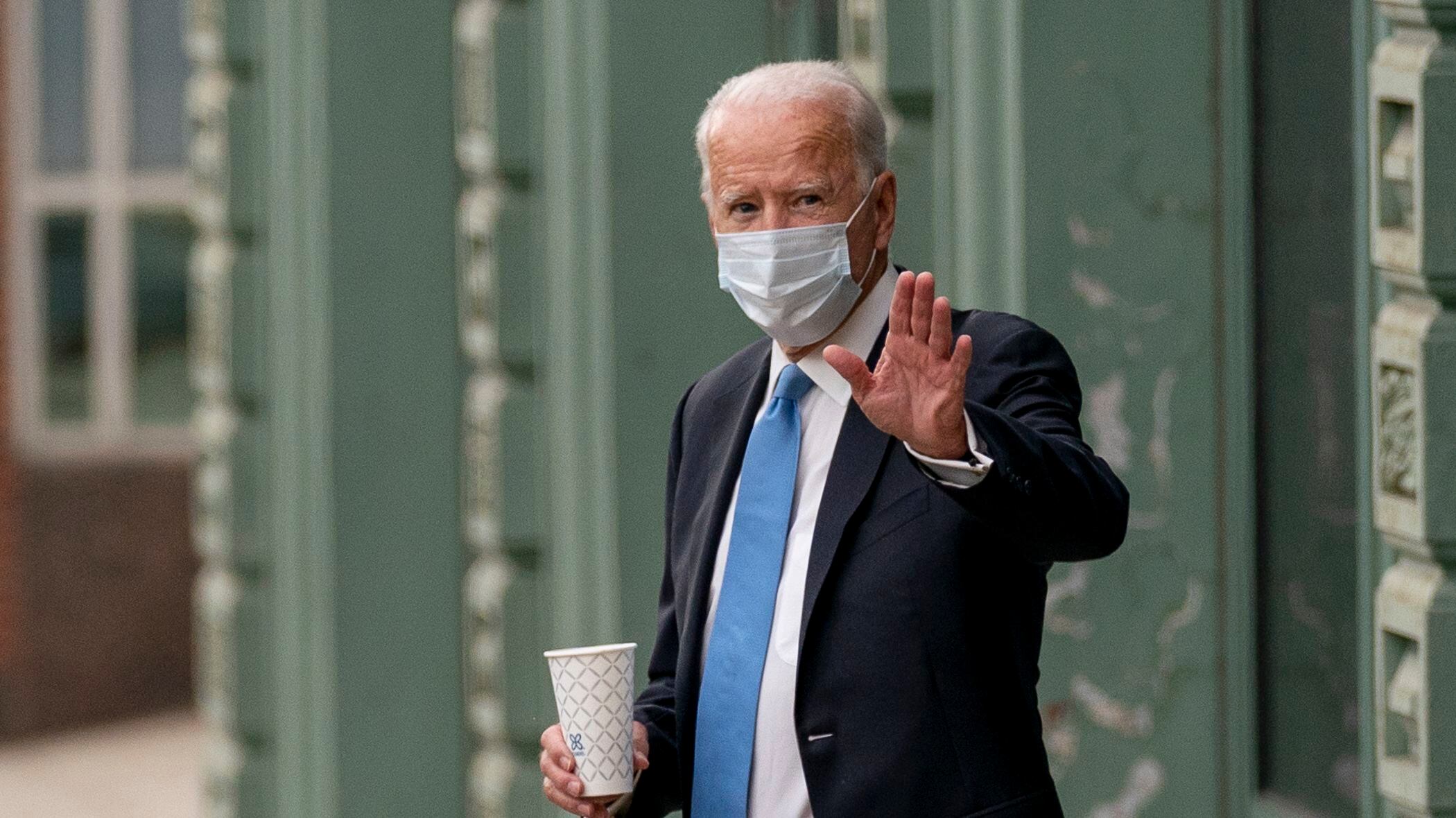
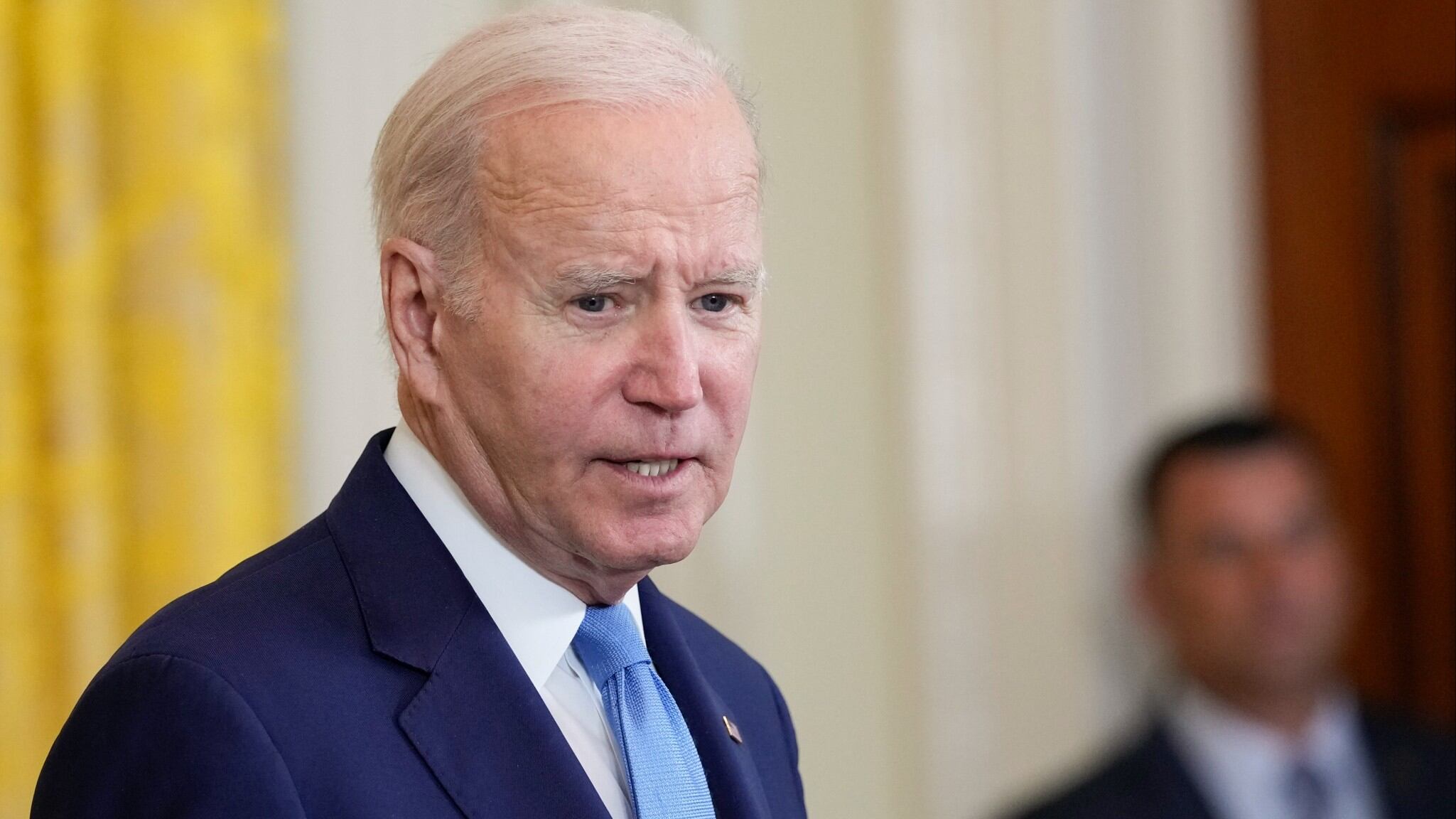
Democratic presidential candidate former Vice President Joe Biden departs the Queen Theater in Wilmington, Del., Thursday, Oct. 1, 2020, after pre-taping his speech for the Al Smith dinner. (AP Photo/Andrew Harnik)
Joe Biden has tested negative for the coronavirus, his primary care doctor confirmed on Friday.
The Democratic presidential nominee and his wife were tested earlier in the day after news of President Donald Trump's infection was announced.
Dr. Kevin O'Connor released the negative results in a statement issued by the Biden campaign. Biden was on the debate stage with Trump for more than 90 minutes earlier in the week. It's still unclear if Biden will hold campaign events later in the day.
Biden, in a social media post, thanked his supporters for "messages of concern." He added: "I hope this serves as a reminder: wear a mask, keep social distance, and wash your hands."
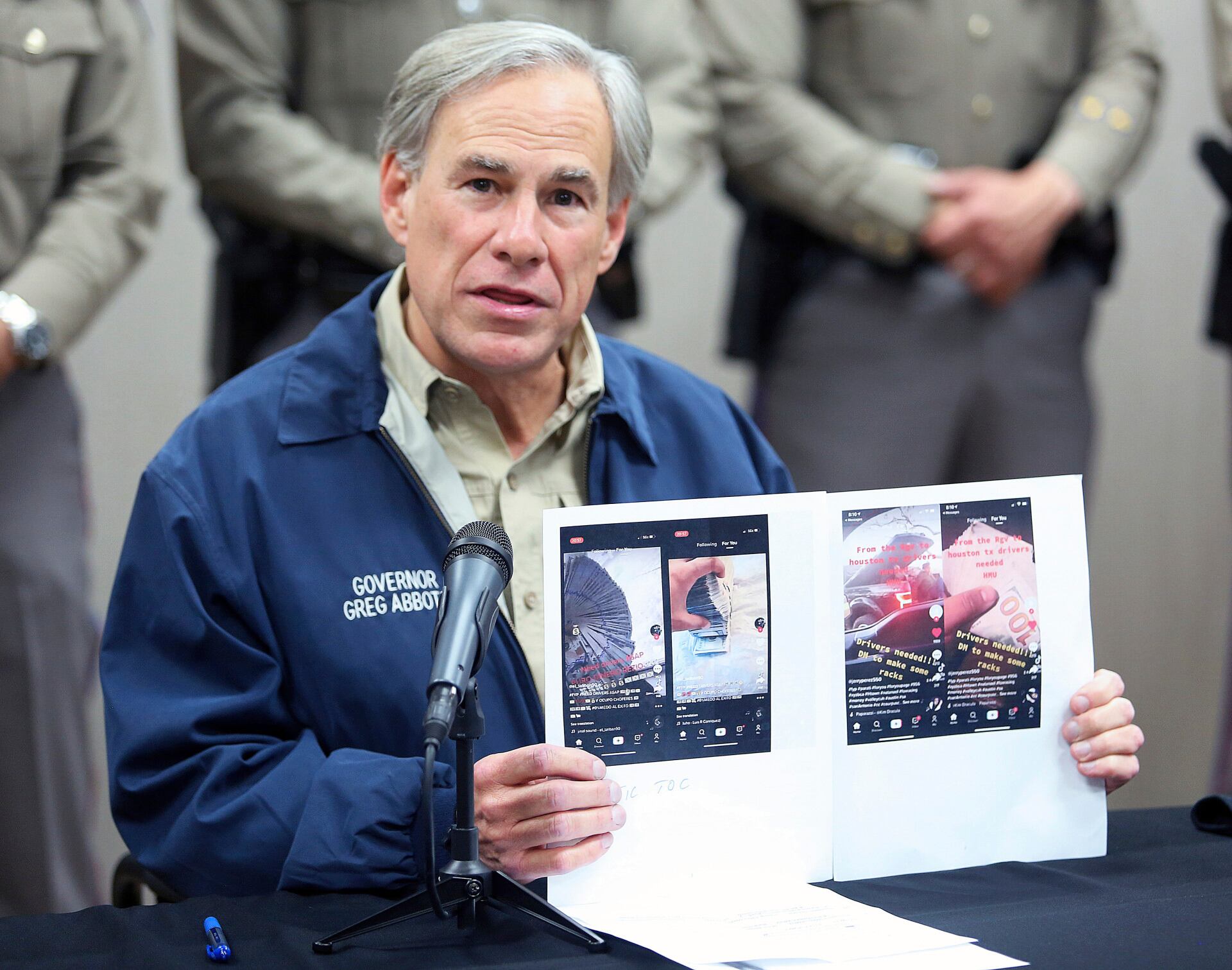
A First Amendment group sued Texas Governor Greg Abbott and others on Thursday over the state’s TikTok ban on official devices, arguing the prohibition – which extends to public universities – is unconstitutional and impedes academic freedom.
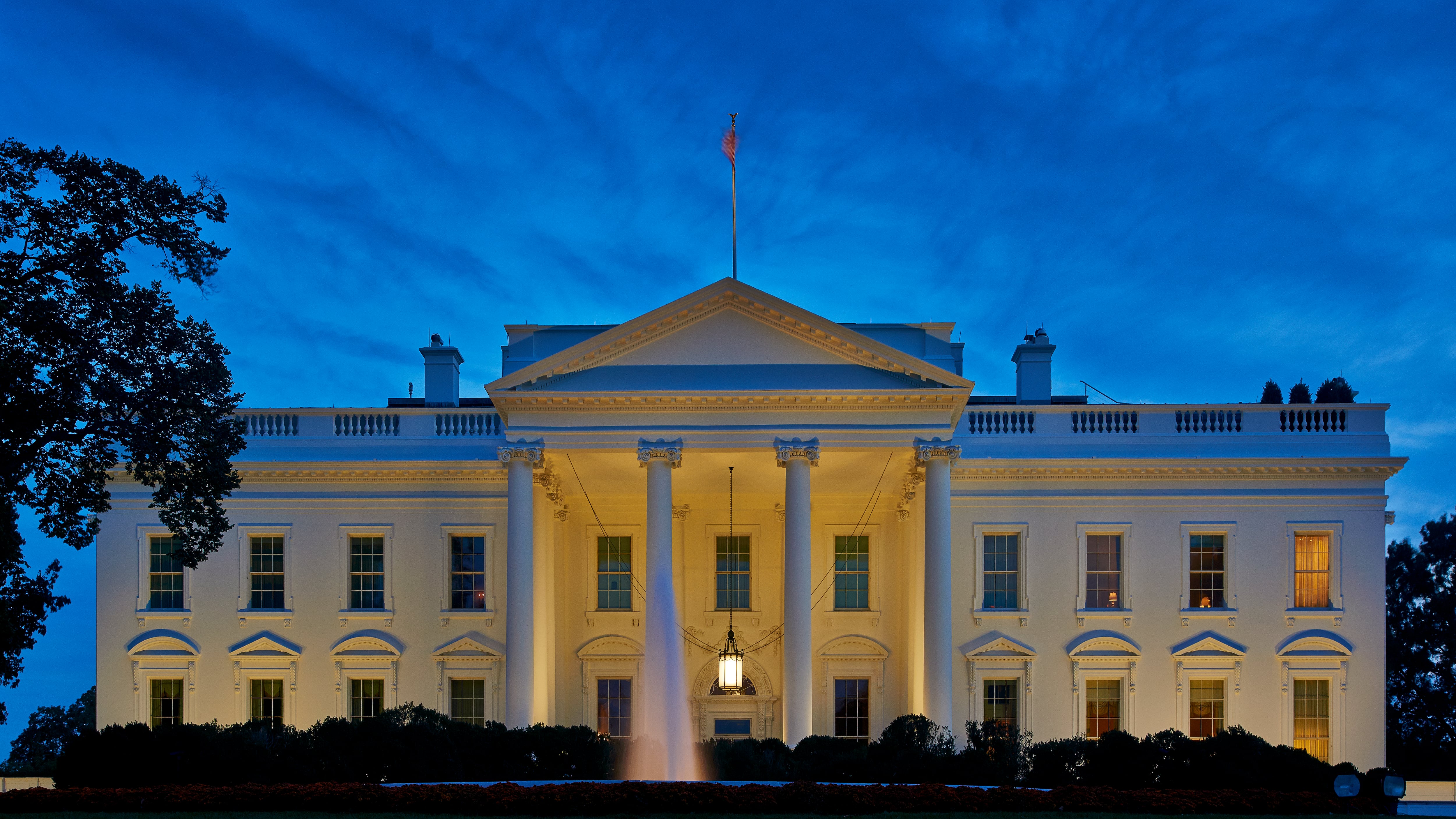
No fingerprints or DNA turned up on the baggie of cocaine found in a lobby at the White House last week despite a sophisticated FBI crime lab analysis, and surveillance footage of the area didn’t identify a suspect, according to a summary of the Secret Service investigation obtained by The Associated Press. There are no leads on who brought the drugs into the building.
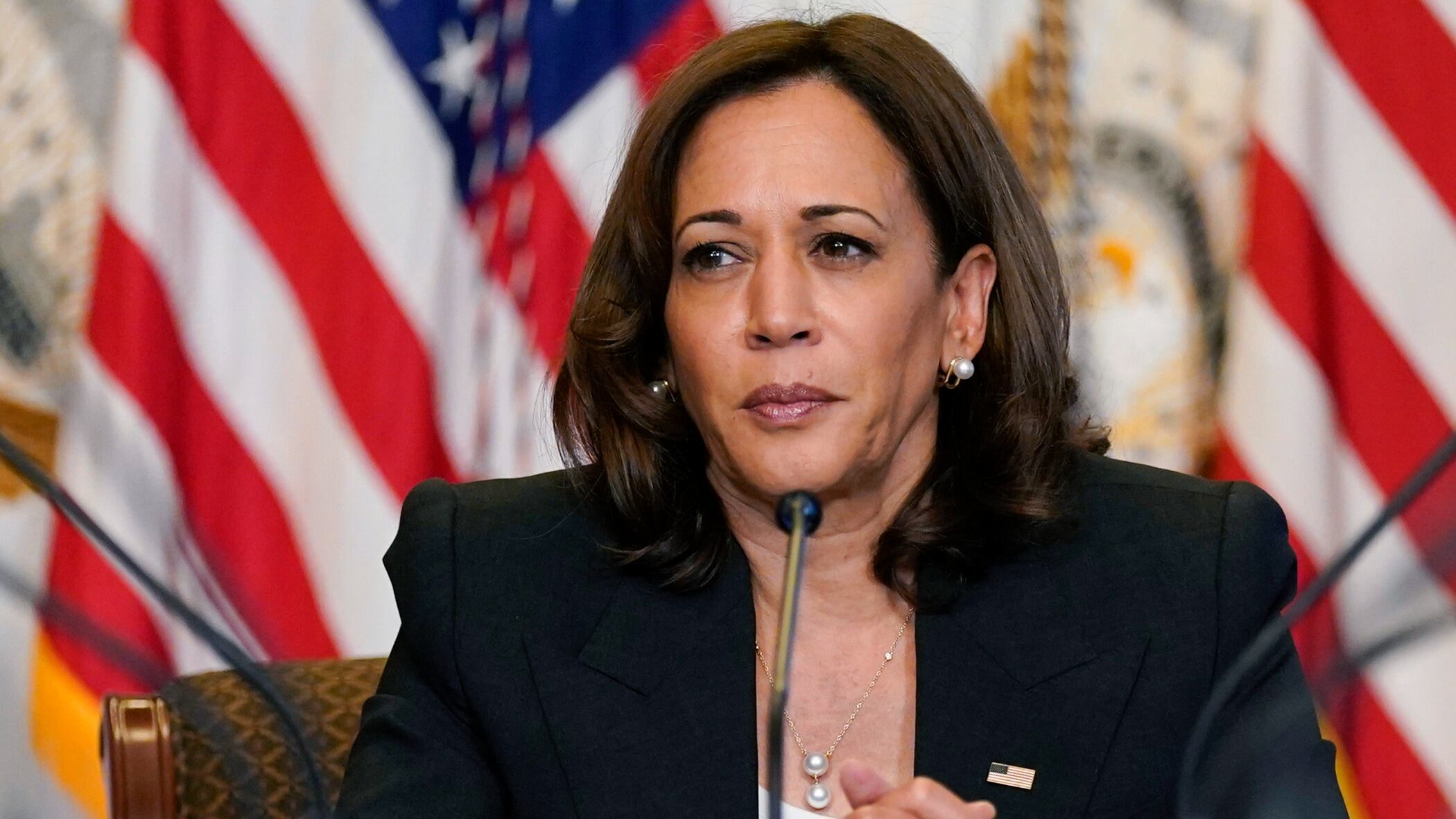
Kamala Harris, who made history as the first woman or person of color to serve as vice president, has made history again by matching the record for most tiebreaking votes in the Senate.
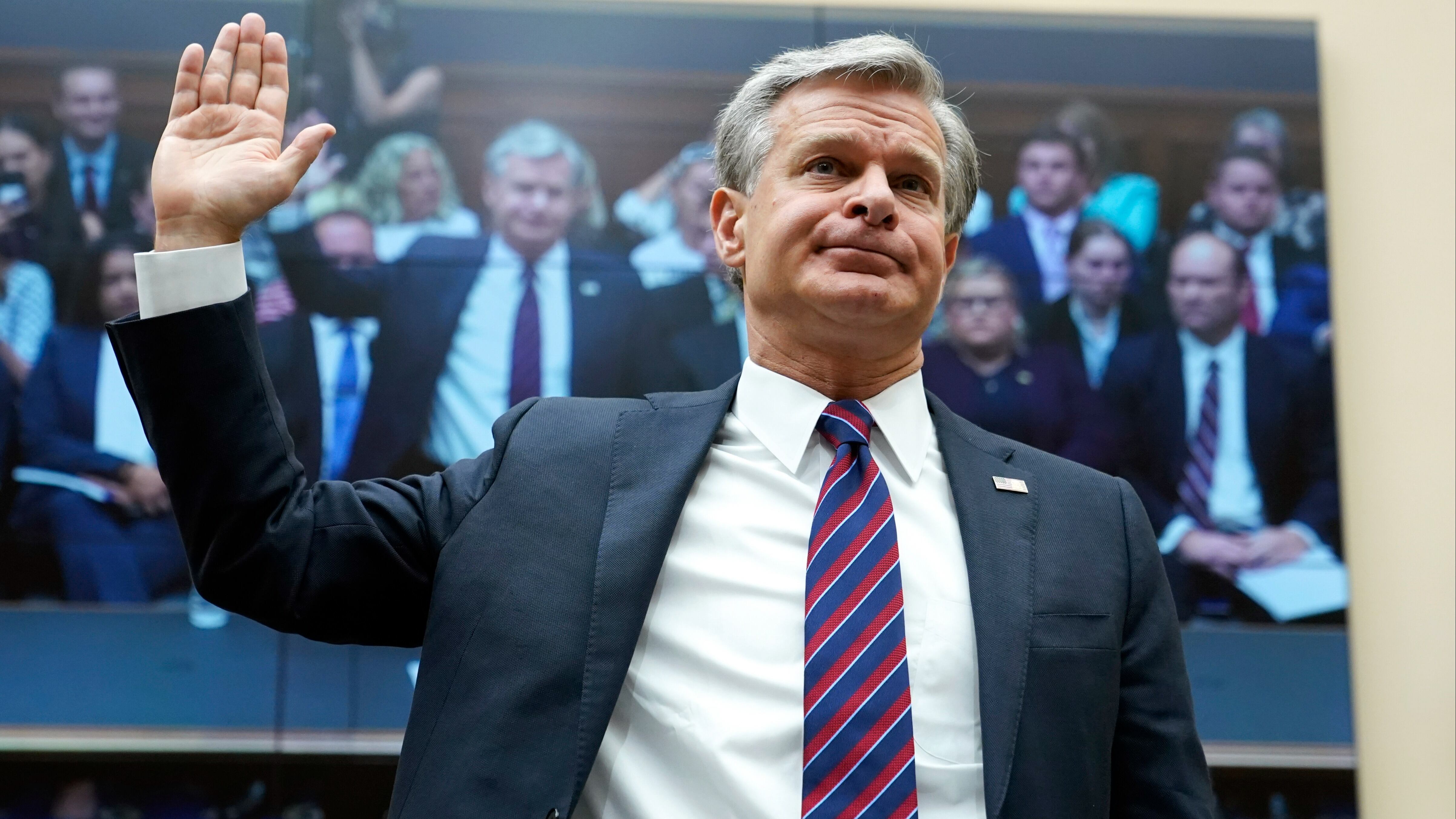
Republicans on the House Judiciary Committee accused the agency of targeting conservatives, suppressing evidence that Covid-19 came from a lab leak and abusing its surveillance powers.
The Biden administration calls it a “student loan safety net.” Opponents call it a backdoor attempt to make college free. And it could be the next battleground in the legal fight over student loan relief.
Nearly 30,000 people in Mississippi were dropped from the state's Medicaid program after an eligibility review that the government ended during the pandemic.