By Christopher Rugaber
The number of laid-off workers seeking unemployment benefits remained stuck at 1.3 million last week, a historically high level that indicates many companies are still cutting jobs as the viral outbreak intensifies.
The elevated level of applications for jobless aid is occurring as new confirmed cases of coronavirus are spiking across much of the Sunbelt, threatening to weaken the economic recovery. Case counts are rising in 40 states and 22 states have either paused or reversed their efforts to reopen their economies, according to Bank of America.
Rising infections paralleled rising applications for aid in some states getting hit right now, and fell in states with declining infections. In Florida claims doubled to 129,000, and in Georgia, they rose nearly one-third to 136,000, according to the Labor Department's Thursday report. In California, they increased 23,000 to nearly 288,000. Applications also rose in Arizona and South Carolina.
Applications fell in Texas, which has seen infections spike, and in New Jersey and New York, where the virus is mostly under control.
"Conditions in the labor market remain weak and the risk of mounting permanent job losses is high, especially If activity continues to be disrupted by repeated virus-related shutdowns," said Rubeela Farooqi, chief U.S. economist at High Frequency Economics.
A separate government report showed that retail sales jumped 7.5% in June, a healthy gain that suggested the economy was healing just before the viral resurgence has weighed on hopes for a steady recovery.
The Census Bureau reported Thursday that retail sales are 1.1% higher than their levels from a year ago, after a brutal plunge in March and April was offset by a decent rebound in May and June.
While applications for jobless aid fell by about 10,000 from the previous week, the figure has now topped 1 million for 17 straight weeks. The record high for weekly unemployment applications before the pandemic was nearly 700,000.
Those figures are adjusted for seasonal variations, a practice intended to filter out trends that don't reflect on the economy, such as the firing of seasonal workers after the winter holidays. Yet the impact of the coronavirus has made such adjustments less relevant, economists say, because claims are so far above normal levels.
Before seasonal adjustment, applications actually rose 100,000 to 1.5 million, a sign that layoffs are worsening.
The total number of people who are receiving jobless benefits dropped 400,000 to 17.3 million, the government said. That suggests that some companies are continuing to rehire workers, which could offset some of the job losses reflected in the still-high level of claims.
An additional 928,000 people sought benefits last week under a separate program for self-employed and gig workers that has made them eligible for aid for the first time. These figures aren't adjusted for seasonal variations, so the government doesn't include them in the official count.
The economic recovery is also threatened by the pending expiration of many government support programs that have shored up household and business finances.
The government's small business loan program, known as the Paycheck Protection Program, will finish taking applications Aug. 8. More than $500 billion has already been lent and more than half of small companies that got loans say they have spent all the money, according to a survey by the National Federation of Independent Business. Nearly one-quarter say they have or expect they will lay off workers once the funds run out.
And an extra $600 in weekly unemployment benefits provided by the federal government on top of regular aid from the states is set to expire this month. Those funds, along with the $1,200 relief checks sent out in April, enabled millions of Americans to stay current on housing costs and bills.
Meghan McGowan, 30, lost two jobs when the pandemic intensified in mid-March, one as a full-time librarian in Detroit and a second as a substitute at a different library system to help bring in some extra cash.
She is currently making more from unemployment than she earned at her previous jobs but is prepared to return to work even though she worries about the health risks. Detroit is a viral hot spot.
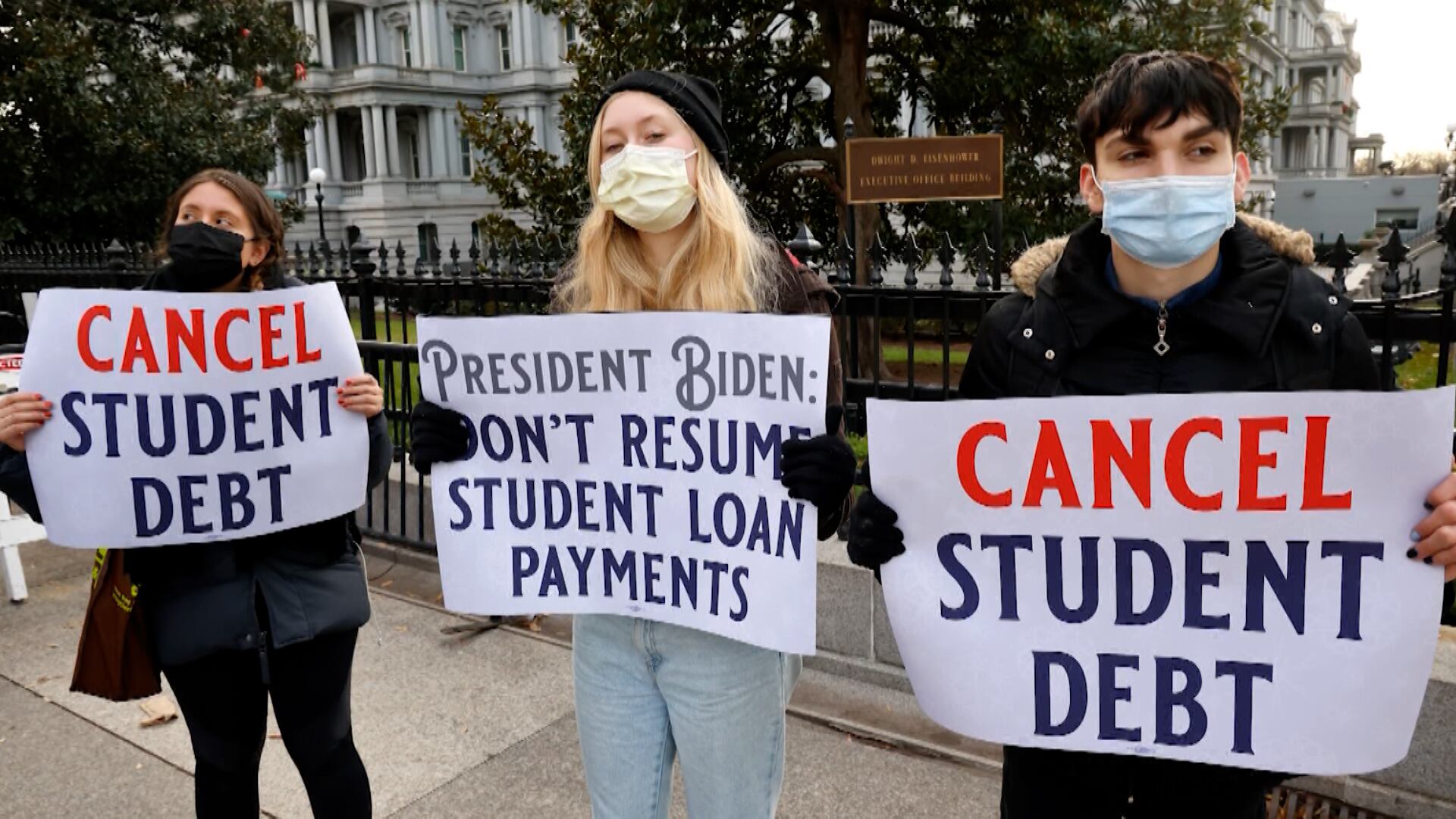
The looming expiration of the $600 is nerve-wracking for her because the hiatus on her student loans will end this fall and she has an auto insurance bill due.
"Before when I was working through grad school I worked in restaurants so that had always been my backup plan, but that's not an option now," she said.
Companies continue to lay off people. American Airlines warned its workers Wednesday that it may have to cut up to 25,000 jobs in October because of sharply reduced air travel. Airlines are barred from layoffs until then as a condition of federal aid they have received. United Airlines has already told 36,000 workers they may lose their jobs.
Air traffic began to slowly rebound in mid-April, but like other parts of the economy, the improvement plateaued in July as the viral outbreak worsens.
___
AP Personal Finance Writer Sarah Skidmore Sell contributed to this report from Portland, Oregon