Johnson & Johnson is earmarking nearly $9 billion to cover allegations that its baby power containing talc caused cancer, more than quadrupling the amount that the company had previously set aside to pay for its potential liability.
Under a proposal announced Tuesday, a J&J subsidiary will re-file for Chapter 11 bankruptcy protection and seek court approval for a plan that would result in one of the largest product-liability settlements in U.S. history.
The $8.9 billion that J&J would transfer to the subsidiary, LTL Management, would be payable over the next 25 years. The amount is up from the $2 billion that the New Brunswick, New Jersey, company set aside in October 2021.
The revised amount is being backed by more than 60,000 parties that have filed lawsuits alleging harm from J&J talcum powder, according to the company.
J&J isn't admitting any wrongdoing as part of the proposed settlement, a point that company executive emphasized in a Tuesday statement that maintained the claims “are specious and lack scientific merit.”
But fighting the lawsuits in court would take decades and be expensive, said Erik Haas, J&J's worldwide vice president of litigation.
The lawsuits filed against J&J had alleged its talcum powder caused users to develop ovarian cancer, through use for feminine hygiene, or mesothelioma, a cancer that strikes the lungs and other organs.
The claims contributed to drop in J&J's sales of baby powder, prompting the company to stop selling its talc-based products in 2020. Last year, J&J announced plans to cease sales of the product worldwide.
J&J's stock rose 3% in after-hours trading Tuesday after the company's announcement.
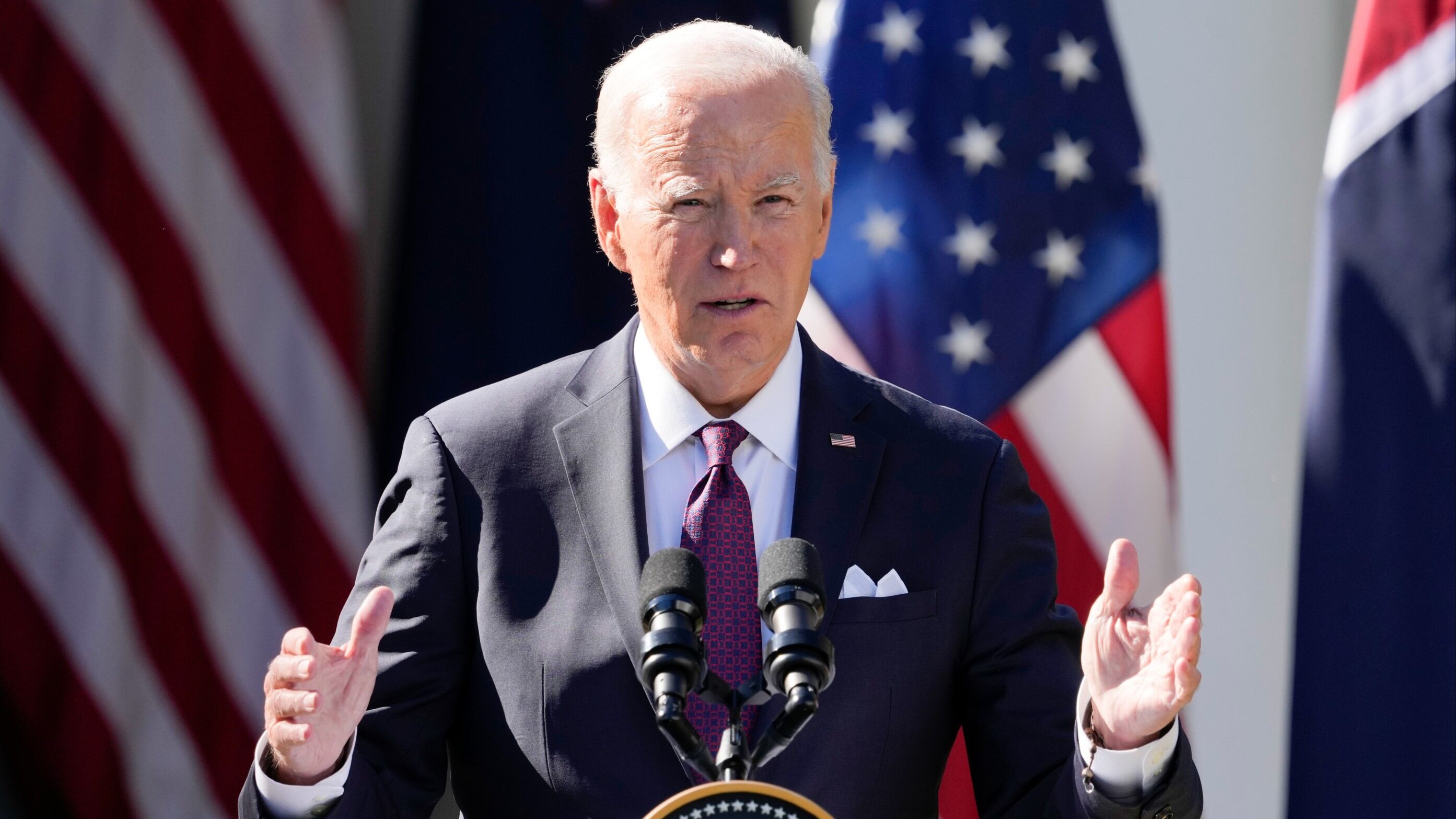
The Biden administration wants to ban another type of bank “junk fee," targeting fees that are typically charged by banks when a transaction is declined in real time.
Al Root, senior writer at Barron’s, breaks down everything expected from Tesla’s earnings report, from Elon Musk’s demands from the board to why the market has been looking for affordable EV options.
Online retailer eBay Inc. will cut about 1,000 jobs, or an estimated 9% of its full-time workforce. The announcement follows similar moves by other tech companies that ramped up hiring during the pandemic while people spent more time and money online.
Tony Drake, CFP at Drake and Associates, LLC shares thoughts on whether the record gains in technology will broaden to other sectors, the risks of the Fed keeping interest rates higher for too long, and the health of the U.S. consumer.
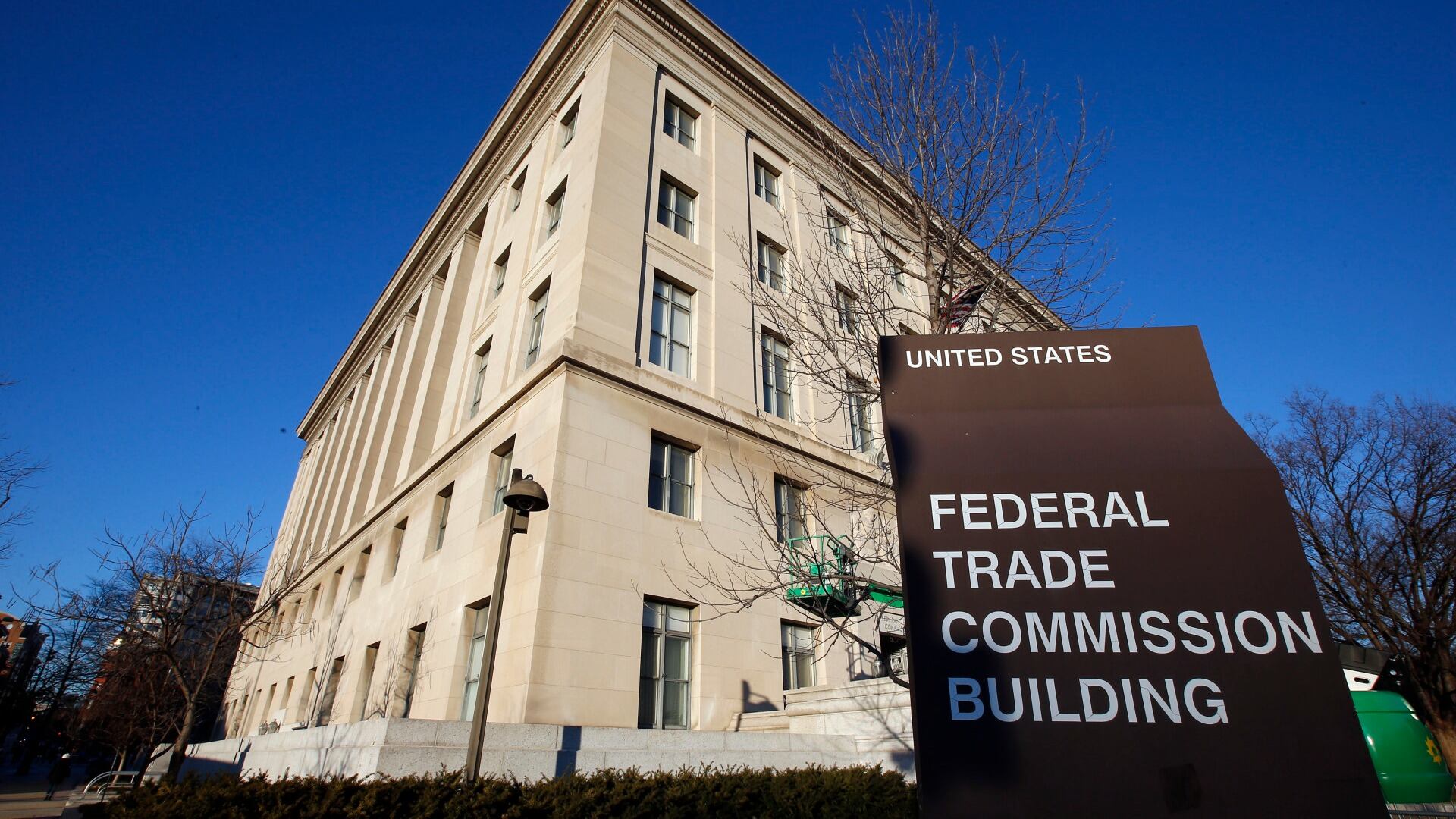
The Federal Trade Commission ruled that Intuit engaged in deceptive practices by running ads claiming consumers could file their taxes for free using TurboTax — when many taxpayers did not qualify for such free offerings.
WWE’s weekly television show, “Raw,” will move to Netflix next year as part of a major streaming deal worth more than $5 billion. WWE, which is part of TKO Group Holdings Inc., said Tuesday that “Raw” will air on Netflix starting in January 2025.