Johnson & Johnson is earmarking nearly $9 billion to cover allegations that its baby power containing talc caused cancer, more than quadrupling the amount that the company had previously set aside to pay for its potential liability.
Under a proposal announced Tuesday, a J&J subsidiary will re-file for Chapter 11 bankruptcy protection and seek court approval for a plan that would result in one of the largest product-liability settlements in U.S. history.
The $8.9 billion that J&J would transfer to the subsidiary, LTL Management, would be payable over the next 25 years. The amount is up from the $2 billion that the New Brunswick, New Jersey, company set aside in October 2021.
The revised amount is being backed by more than 60,000 parties that have filed lawsuits alleging harm from J&J talcum powder, according to the company.
J&J isn't admitting any wrongdoing as part of the proposed settlement, a point that company executive emphasized in a Tuesday statement that maintained the claims “are specious and lack scientific merit.”
But fighting the lawsuits in court would take decades and be expensive, said Erik Haas, J&J's worldwide vice president of litigation.
The lawsuits filed against J&J had alleged its talcum powder caused users to develop ovarian cancer, through use for feminine hygiene, or mesothelioma, a cancer that strikes the lungs and other organs.
The claims contributed to drop in J&J's sales of baby powder, prompting the company to stop selling its talc-based products in 2020. Last year, J&J announced plans to cease sales of the product worldwide.
J&J's stock rose 3% in after-hours trading Tuesday after the company's announcement.
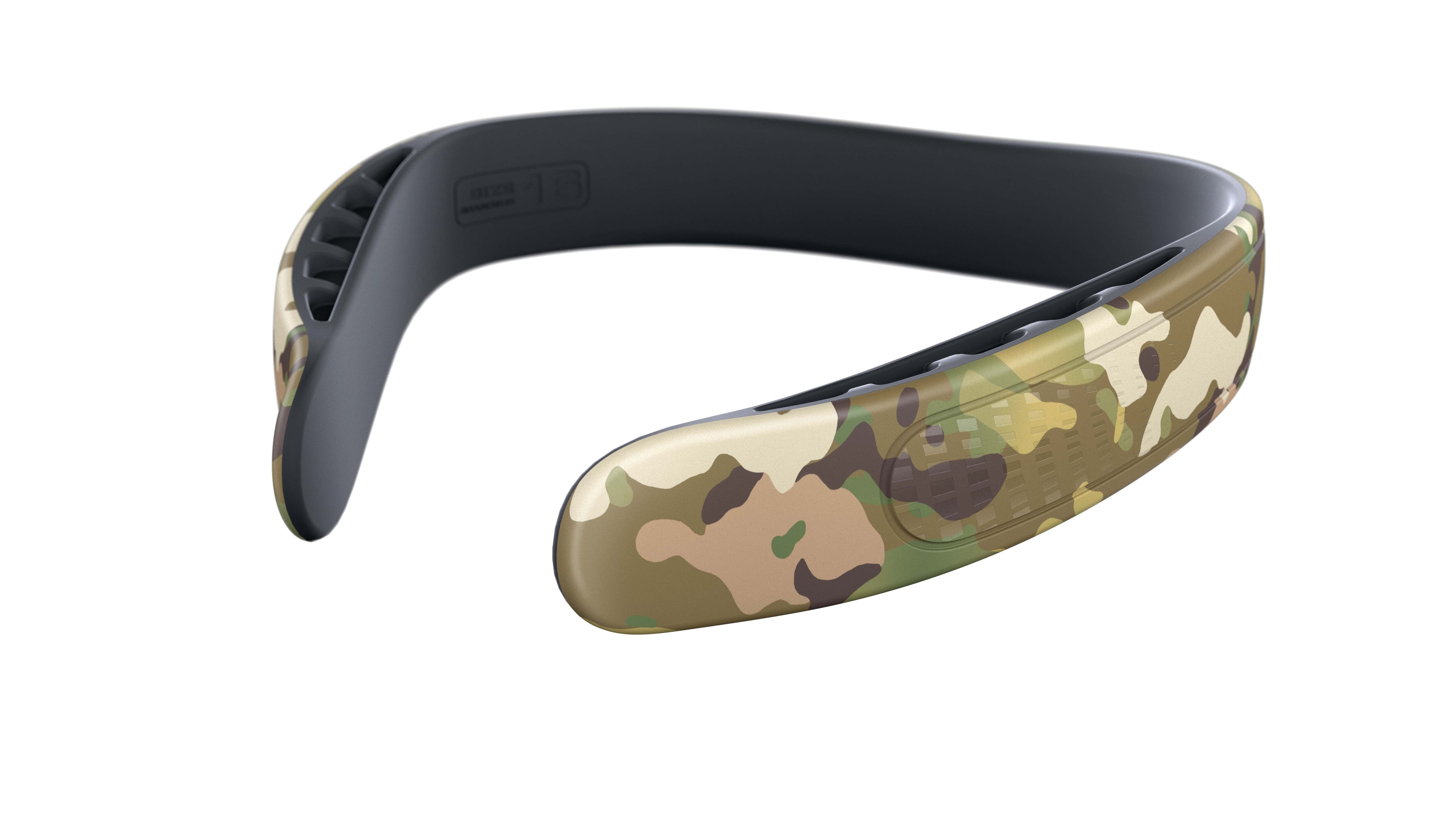
The Q-Collar helps protect athletes from impact-related concussions. Now, the U.S. Army is evaluating if the device could help reduce traumatic brain injury cased by blast weapons.
Co-founder and executive chairman of the board at Vaxxinity Lou Reese shares how the company is working to bring vaccines for chronic illnesses like heart disease and Parkinson’s to market with an eye for accessibility.
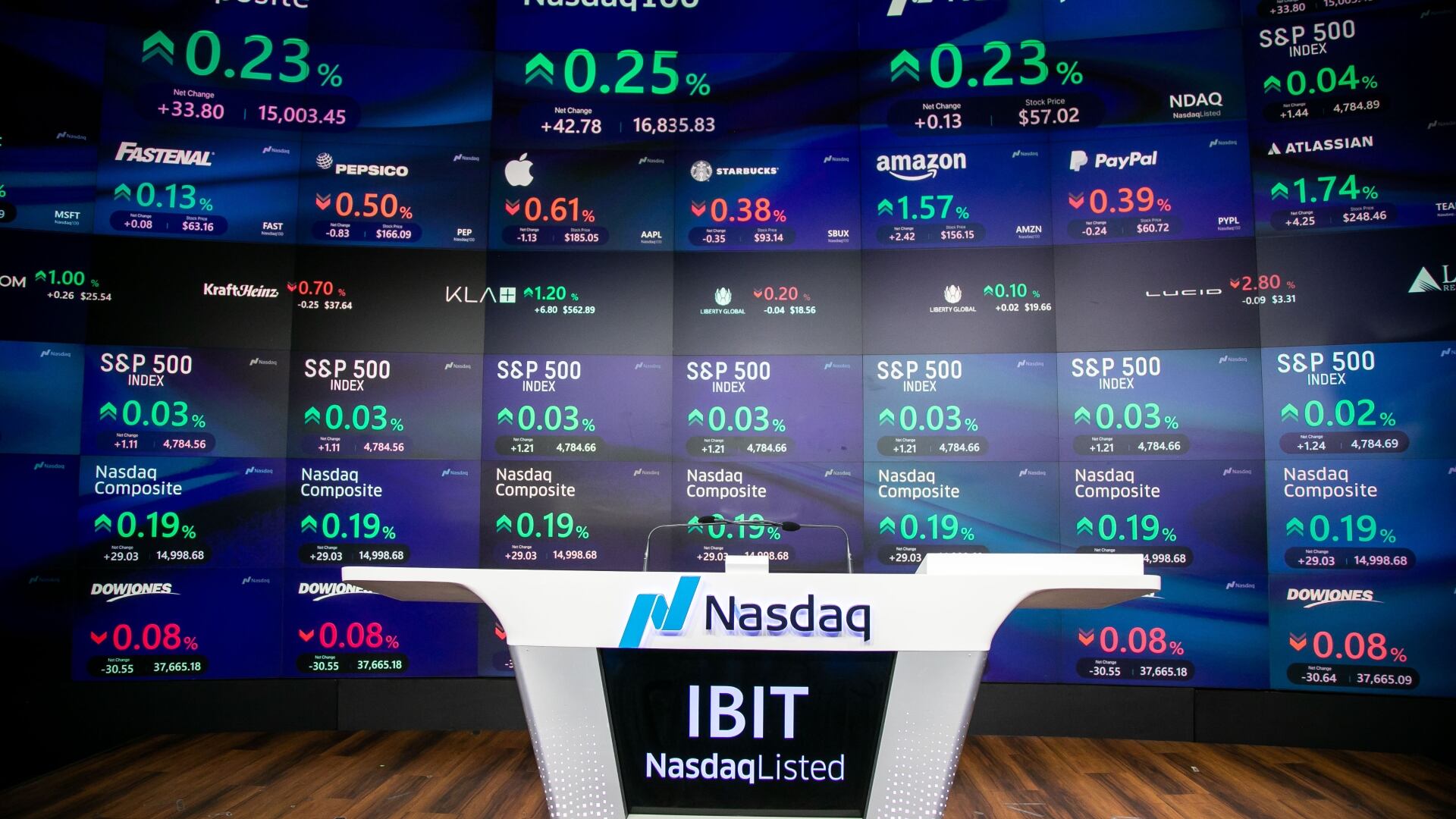
Mario Veneroso, Kingsview Asset Management Partner, weighs in on the latest economic data and whether the market is pricing in too many rate cuts for the coming year.
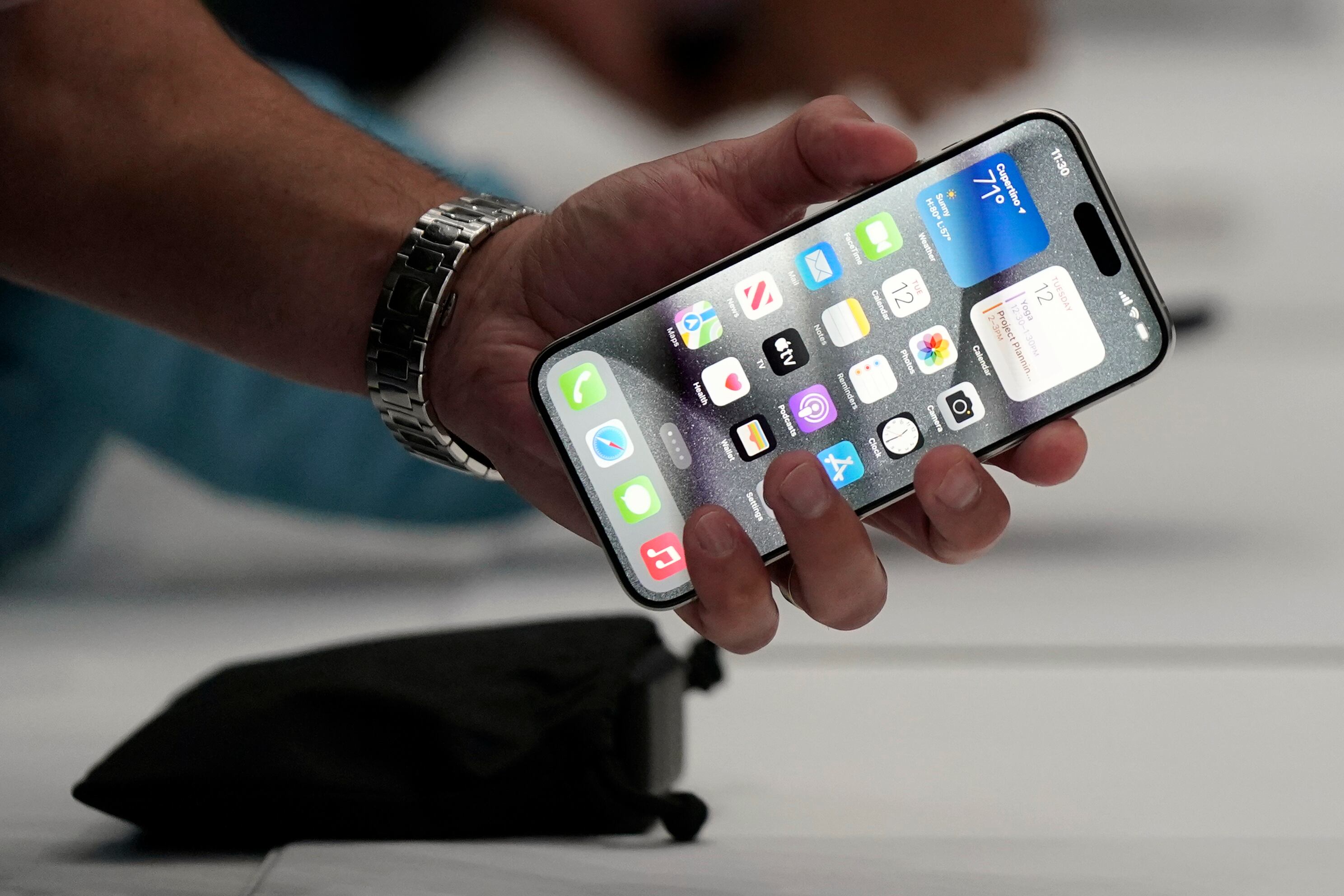
Apple has rolled out an update to its operating system this week with a feature called Stolen Device Protection. It makes it a lot harder for phone thieves to access key functions and settings, and users are being urged to turn it on immediately.
The U.S. economy grew at an unexpectedly brisk 3.3% annual pace from October through December as Americans showed a continued willingness to spend freely despite high interest rates and frustrating price levels.
Alan Becker, CEO and Investment Adviser Representative at Retirement Solutions Group and RSG Investments, shares his thoughts on the latest GDP data plus why he's not sold cryptocurrency as a long-term asset.