Johnson & Johnson is earmarking nearly $9 billion to cover allegations that its baby power containing talc caused cancer, more than quadrupling the amount that the company had previously set aside to pay for its potential liability.
Under a proposal announced Tuesday, a J&J subsidiary will re-file for Chapter 11 bankruptcy protection and seek court approval for a plan that would result in one of the largest product-liability settlements in U.S. history.
The $8.9 billion that J&J would transfer to the subsidiary, LTL Management, would be payable over the next 25 years. The amount is up from the $2 billion that the New Brunswick, New Jersey, company set aside in October 2021.
The revised amount is being backed by more than 60,000 parties that have filed lawsuits alleging harm from J&J talcum powder, according to the company.
J&J isn't admitting any wrongdoing as part of the proposed settlement, a point that company executive emphasized in a Tuesday statement that maintained the claims “are specious and lack scientific merit.”
But fighting the lawsuits in court would take decades and be expensive, said Erik Haas, J&J's worldwide vice president of litigation.
The lawsuits filed against J&J had alleged its talcum powder caused users to develop ovarian cancer, through use for feminine hygiene, or mesothelioma, a cancer that strikes the lungs and other organs.
The claims contributed to drop in J&J's sales of baby powder, prompting the company to stop selling its talc-based products in 2020. Last year, J&J announced plans to cease sales of the product worldwide.
J&J's stock rose 3% in after-hours trading Tuesday after the company's announcement.
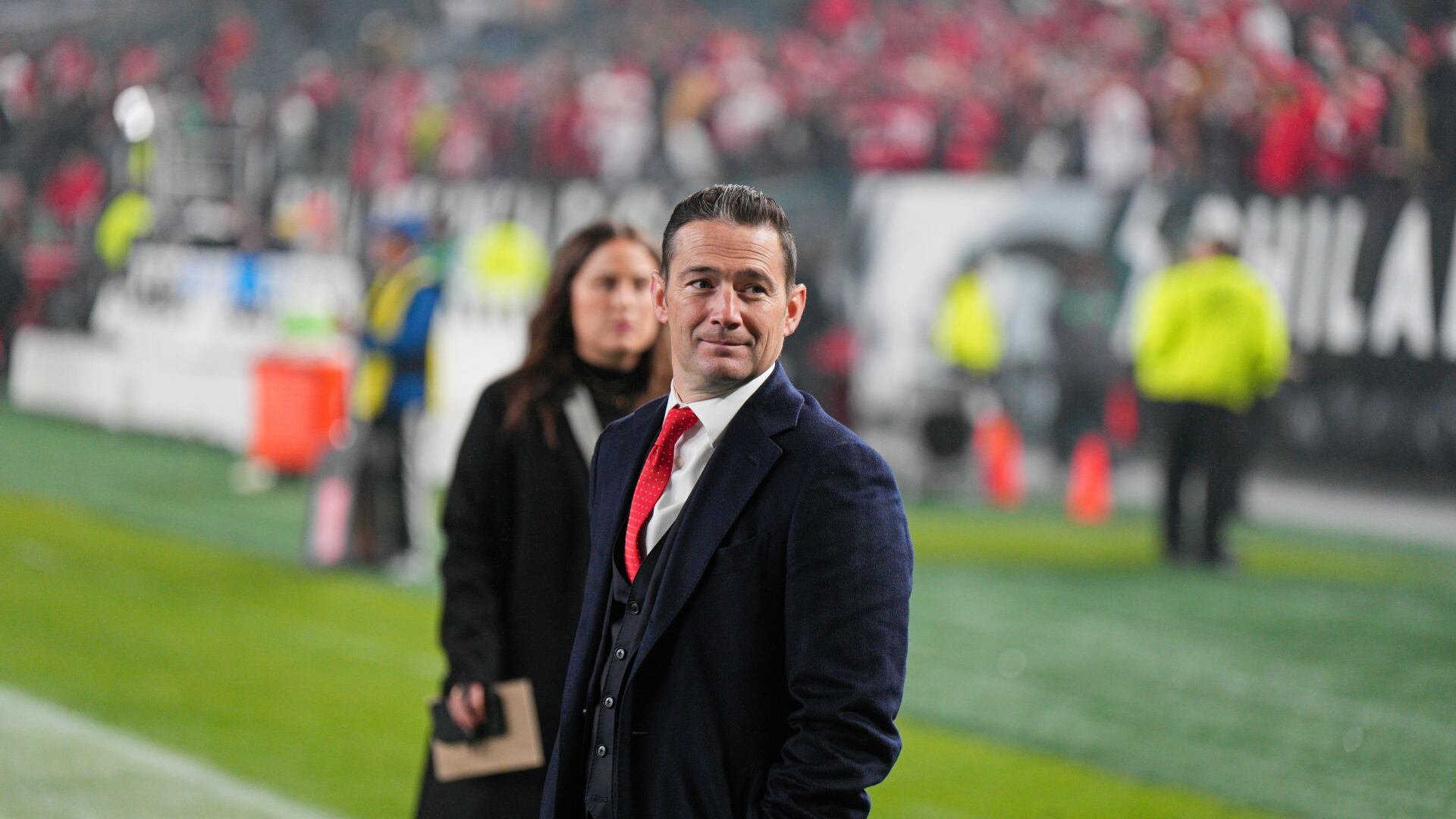
San Francisco 49ers president Al Guido discusses what goes into preparing for Super Bowl LVIII, building a championship-ready team, and how Taylor Swift and streaming are both bringing new fans to the NFL.
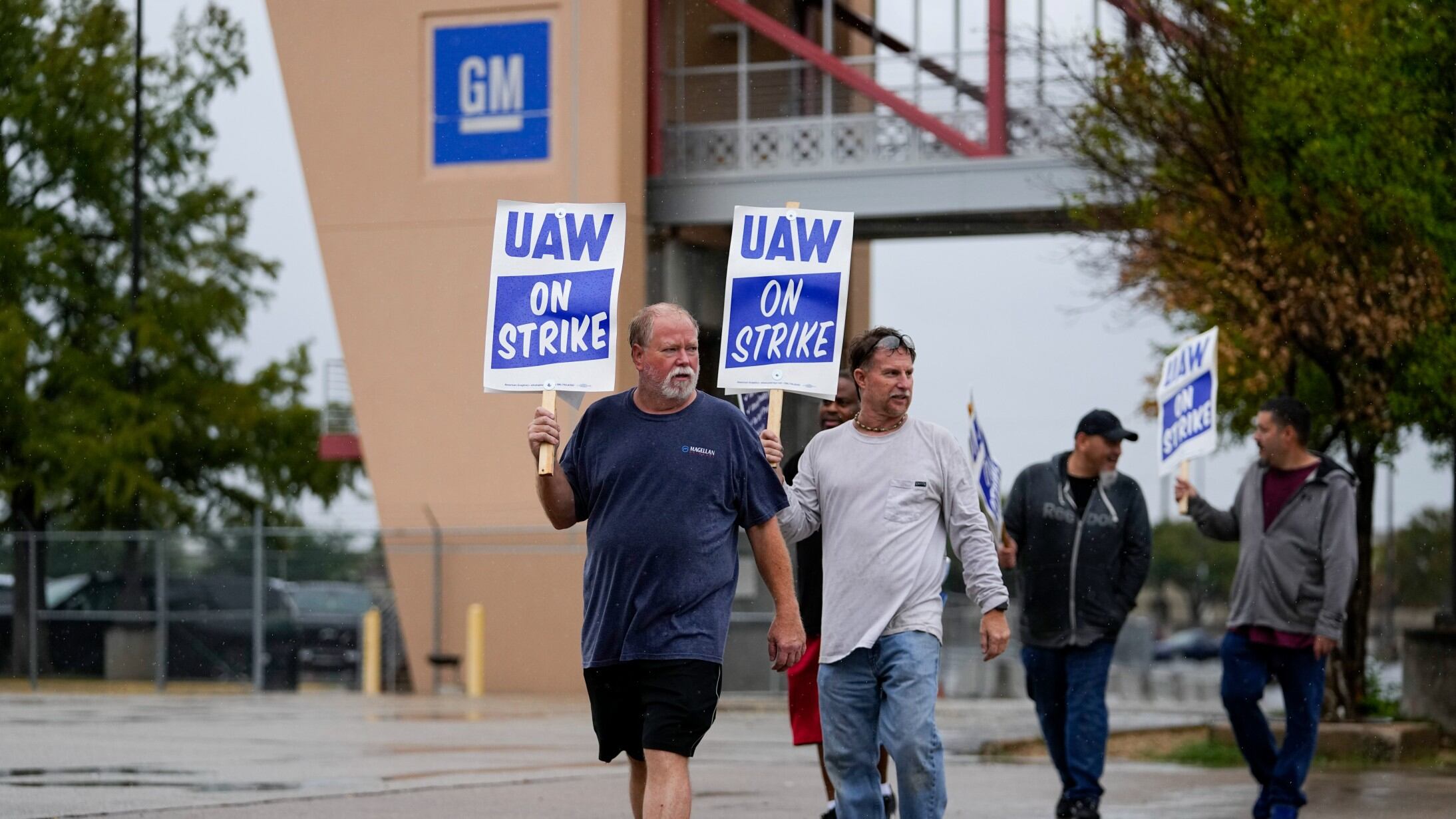
A $1 billion loss from a six-week strike did not crash GM's net income last year, which instead rose 12% — and the automaker expects improvement in 2024, too.
Accrue CEO and founder Michael Hershfield explains why Americans' credit card delinquencies are on the rise, advice on what can help, and the key difference between Boomers and Gen Z when it comes to money.
Senior Economist at Morning Consult Kayla Bruun shares thoughts on what to expect from the Fed's January meeting and where monetary policy is headed, as well as how consumers are faring.
Former Medtronic CEO and author of 'True North' Bill George explains the steps Boeing leadership must take to regain client and consumer trust after 737 Max 9 production was stopped.
Amazon blamed "regulatory hurdles" for calling off its proposed acquisition of robot vacuum maker iRobot. Not even a Roomba could clean up the deal's antitrust scrutiny.
To celebrate Flutter Entertainment's debut on the NYSE, FanDuel CEO Amy Howe shares her thoughts on the company's plans for growth, the future of online sportsbetting, and Super Bowl Sunday.
Investopedia's Caleb Silver shares thoughts on the upcoming Fed meeting, why individual investors are still slightly skeptical, and what he's looking for from mega cap tech earnings.
Season's greetings! Tax season, that is. January 29 is the first day you can file your tax return. We walk you through each step — plus a checklist you can download.