Johnson & Johnson is earmarking nearly $9 billion to cover allegations that its baby power containing talc caused cancer, more than quadrupling the amount that the company had previously set aside to pay for its potential liability.
Under a proposal announced Tuesday, a J&J subsidiary will re-file for Chapter 11 bankruptcy protection and seek court approval for a plan that would result in one of the largest product-liability settlements in U.S. history.
The $8.9 billion that J&J would transfer to the subsidiary, LTL Management, would be payable over the next 25 years. The amount is up from the $2 billion that the New Brunswick, New Jersey, company set aside in October 2021.
The revised amount is being backed by more than 60,000 parties that have filed lawsuits alleging harm from J&J talcum powder, according to the company.
J&J isn't admitting any wrongdoing as part of the proposed settlement, a point that company executive emphasized in a Tuesday statement that maintained the claims “are specious and lack scientific merit.”
But fighting the lawsuits in court would take decades and be expensive, said Erik Haas, J&J's worldwide vice president of litigation.
The lawsuits filed against J&J had alleged its talcum powder caused users to develop ovarian cancer, through use for feminine hygiene, or mesothelioma, a cancer that strikes the lungs and other organs.
The claims contributed to drop in J&J's sales of baby powder, prompting the company to stop selling its talc-based products in 2020. Last year, J&J announced plans to cease sales of the product worldwide.
J&J's stock rose 3% in after-hours trading Tuesday after the company's announcement.
The NBA is organizing its next media rights deal to figure out which networks and streaming services will show their games for the next decade. Last time, most of the prominent streaming services didn't exist yet.
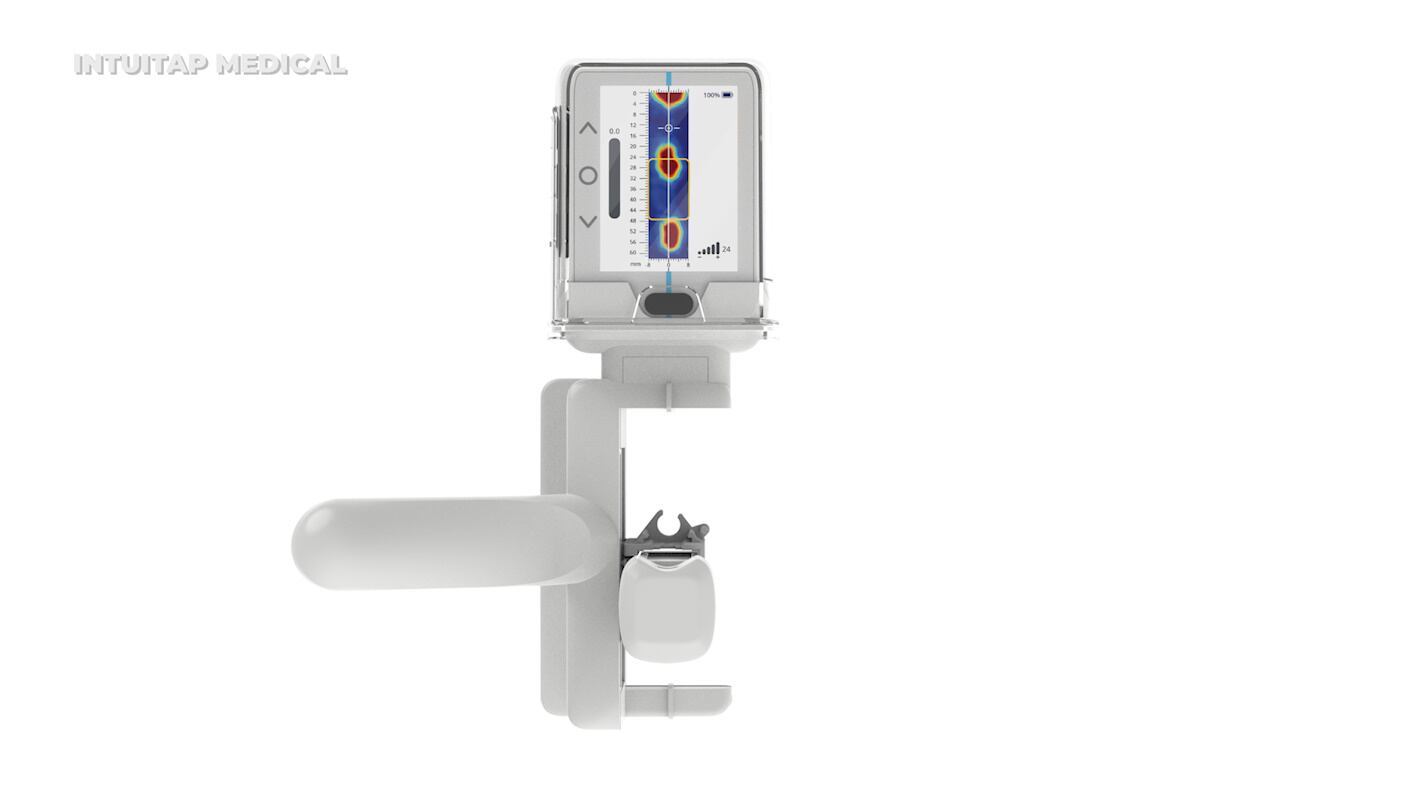
Jessica Traver Ingram, CEO and co-founder of IntuiTap Medical, discusses developing the company's Ver Touch device, the crucial FDA approval it just won, and why innovation in spinal blocks and epidurals is long overdue.
Matt Stucky, Chief Portfolio Manager of Equities at Northwestern Mutual Wealth Management chats why Nvidia has been unsteady leading up to its latest earnings results, plus what’s to come for the so-called ‘Magnificent 7.’
Walmart's revenue increased last quarter because customers kept coming back again and again. Are most shoppers buying and avoid the same products as you are?
NBA champion Kendrick Perkins and Edly founder Chris Ricciardi discuss working together to create Nilly, a new platform where fans can invest in name, image, and likeness deals of their favorite college athletes.
Off the back of their latest earnings results, Hungryroot CEO Ben McKean discusses how the company is bringing healthy food straight to customers' doors and how it's using A.I.