Johnson & Johnson is earmarking nearly $9 billion to cover allegations that its baby power containing talc caused cancer, more than quadrupling the amount that the company had previously set aside to pay for its potential liability.
Under a proposal announced Tuesday, a J&J subsidiary will re-file for Chapter 11 bankruptcy protection and seek court approval for a plan that would result in one of the largest product-liability settlements in U.S. history.
The $8.9 billion that J&J would transfer to the subsidiary, LTL Management, would be payable over the next 25 years. The amount is up from the $2 billion that the New Brunswick, New Jersey, company set aside in October 2021.
The revised amount is being backed by more than 60,000 parties that have filed lawsuits alleging harm from J&J talcum powder, according to the company.
J&J isn't admitting any wrongdoing as part of the proposed settlement, a point that company executive emphasized in a Tuesday statement that maintained the claims “are specious and lack scientific merit.”
But fighting the lawsuits in court would take decades and be expensive, said Erik Haas, J&J's worldwide vice president of litigation.
The lawsuits filed against J&J had alleged its talcum powder caused users to develop ovarian cancer, through use for feminine hygiene, or mesothelioma, a cancer that strikes the lungs and other organs.
The claims contributed to drop in J&J's sales of baby powder, prompting the company to stop selling its talc-based products in 2020. Last year, J&J announced plans to cease sales of the product worldwide.
J&J's stock rose 3% in after-hours trading Tuesday after the company's announcement.
Student loan borrowers have the ability to earn retirement funds pegged to their payments – and the company Summer might be bringing it to your workplace.
It might not be what investors want to hear… but bringing down inflation could mean interest rates stay higher for (even) longer. But it's not all downside.
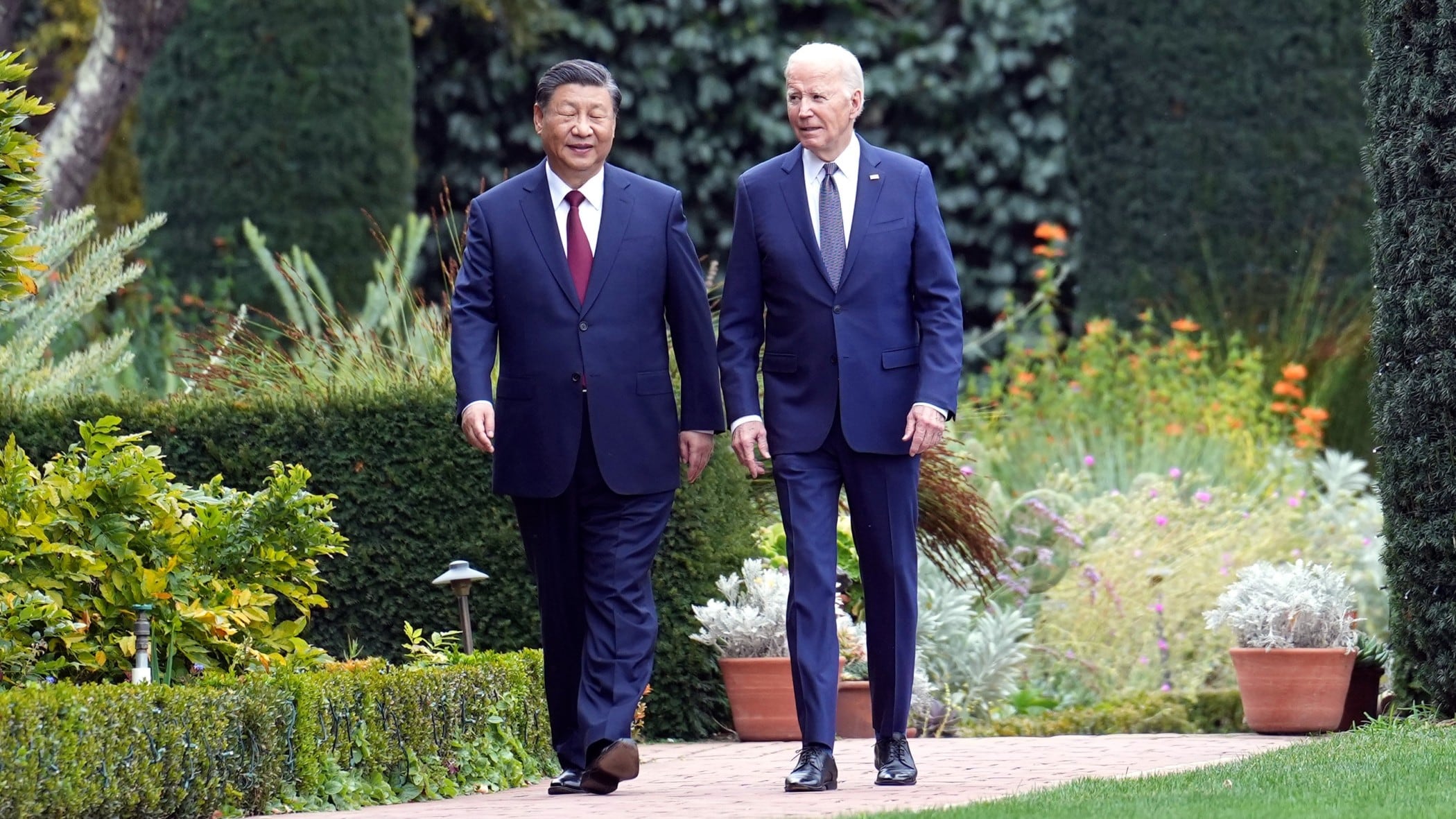
President Joe Biden and Chinese President Xi Jinping have discussed Taiwan, artificial intelligence and security issues in a call meant to demonstrate a return to regular leader-to-leader dialogue between the two powers.
April is Earth month, and while the green revolution might feel far away, the founder of climate VC Siam Capital says it’s on it’s way, and, even better: it won't cost you more.
From snow in April to heatwaves in December, it’s hard to plan a trip in a climate change world. Startup Sensible Weather thinks weather-based travel reimbursements are the solution.
Between corporate debt and the widening gap between ‘the haves and the have nots,’ there are reasons to be cautious about the economy, even with interest rate cuts on their way.
If the A.I. hype hasn’t given you enough of a reason to be excited (and a little terrified), the CEO of Zapata AI says the next frontier is designing bridges or creating pharmaceutical drugs.