JetBlue says it will end a partnership with American Airlines in the Northeast after losing a court fight over the deal, and will instead focus on salvaging its proposed purchase of Spirit Airlines.
JetBlue Airways said Wednesday that it will not appeal a federal judge's ruling blocking the deal with American.
With its decision, JetBlue said the U.S. Justice Department should reconsider its opposition to a JetBlue-Spirit combination.
The Justice Department sued to block both the JetBlue-American deal and JetBlue's agreement to buy Spirit for $3.8 billion on grounds that they would hurt competition.
The Justice Department won a trial in Boston last fall over the JetBlue-American partnership. U.S. District Judge Leo Sorokin decided in May that the airlines must end their Northeast Alliance, or NEA, which began in 2021, because it violates U.S. antitrust law.
“Despite our deep conviction in the procompetitive benefits of the NEA, after much consideration, JetBlue has made the difficult decision not to appeal the court’s determination ... and has instead initiated the termination of the NEA, beginning a wind down process that will take place over the coming months,” New York-based JetBlue said in a statement. “We will now turn even more focus to our proposed combination with Spirit.”
Shortly after JetBlue's announcement, American said it respects JetBlue’s decision "to focus on its other antitrust and regulatory challenges," but it will press ahead with its own appeal in the case.
JetBlue's decision to choose a purchase of Spirit over a geographically limited deal with American grew more likely in recent weeks, as JetBlue declined to say whether it would appeal the Northeast Alliance ruling.
While the deal with American helped JetBlue grow in one region of the country, buying Spirit would let JetBlue grow quickly to nearly 10% of the nationwide air-travel market. That would make JetBlue much closer in size to United, Delta, Southwest — and American.
Last month, JetBlue and American asked Judge Sorokin to let them keep selling tickets on each other’s flights, an arrangement called code-sharing, and offering reciprocal frequent-flyer benefits. The judge has not ruled on the request, but those features of the NEA will now go away.
Meanwhile, a trial has been scheduled for October in the Justice Department's lawsuit against the JetBlue-Spirit merger. The government argues that consumers will suffer if Spirit — the nation’s biggest discount airline — is eliminated.
Savanthi Syth, an airline analyst for Raymond James & Associates, said JetBlue’s withdrawal from the deal with American marginally improves its chances to buy Spirit. She said JetBlue could point to the decision — and a conditional agreement to sell Spirit's operation at LaGuardia Airport in New York — as signs that it is trying to ease concerns about reduced competition.
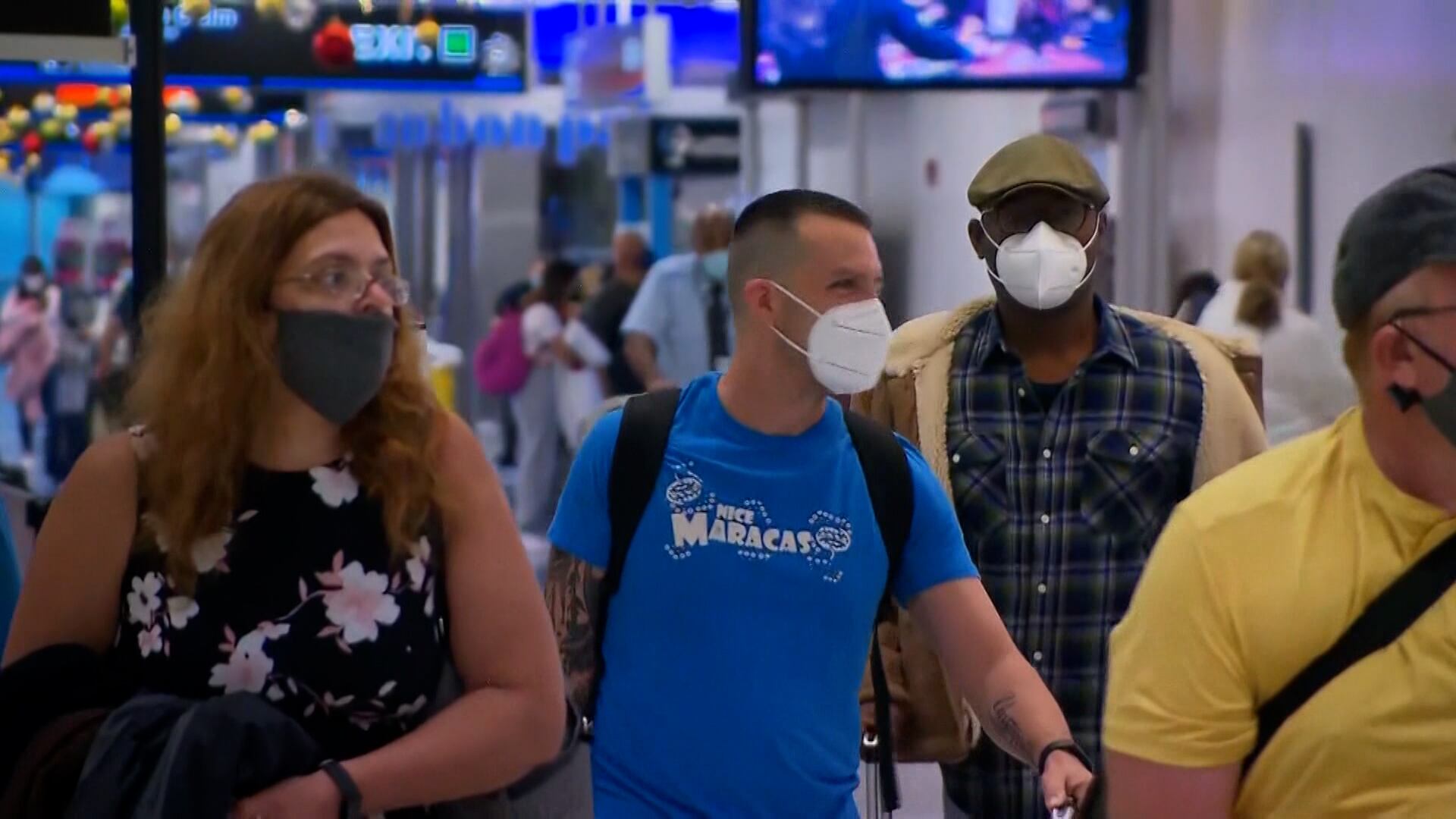
The TSA screened more than 2.2 million airline passengers on Friday, the most since March 2020. Willis Orlando, senior product operations specialist at Scott's Cheap Flights, discusses the impact of the surge on the travel industry as well as travel infrastructure itself.
Stocks began the week closing at session lows on a day when bond yields rose and President Biden decided to stick with Jerome Powell as Fed Chair. Bryan Lee, Chief Investment Officer at Blue Zone Wealth Advisors, joins Cheddar News' Closing Bell, where he breaks down the day's activity and discusses what the Fed now needs to do going forward.
A group of crypto enthusiasts pooled over $40 million dollars in an attempt to win a copy of the U.S. Constitution last week. However, their efforts came up short, as hedge fund billionaire Ken Griffin emerged as the victor in a $43.2 million Sotheby's auction. Matt Cutler, CEO & Co-Founder of Blocknative, joins Cheddar News' Closing Bell, where he explains why ConstitutionDAO ultimately came up short.
Gparency, a company that says its mission is to revolutionize the commercial mortgage industry, raised $15 million in its first funding round - representing the largest ever seed round in the commercial real estate space. Gparency's service will allow landlords and real estate developers to receive funding directly from banks, without the need for a mortgage broker. The company says its new approach will give power back to the consumer. Gparency founder and CEO Ira Zlotowitz joins Cheddar News' Closing Bell to discuss.
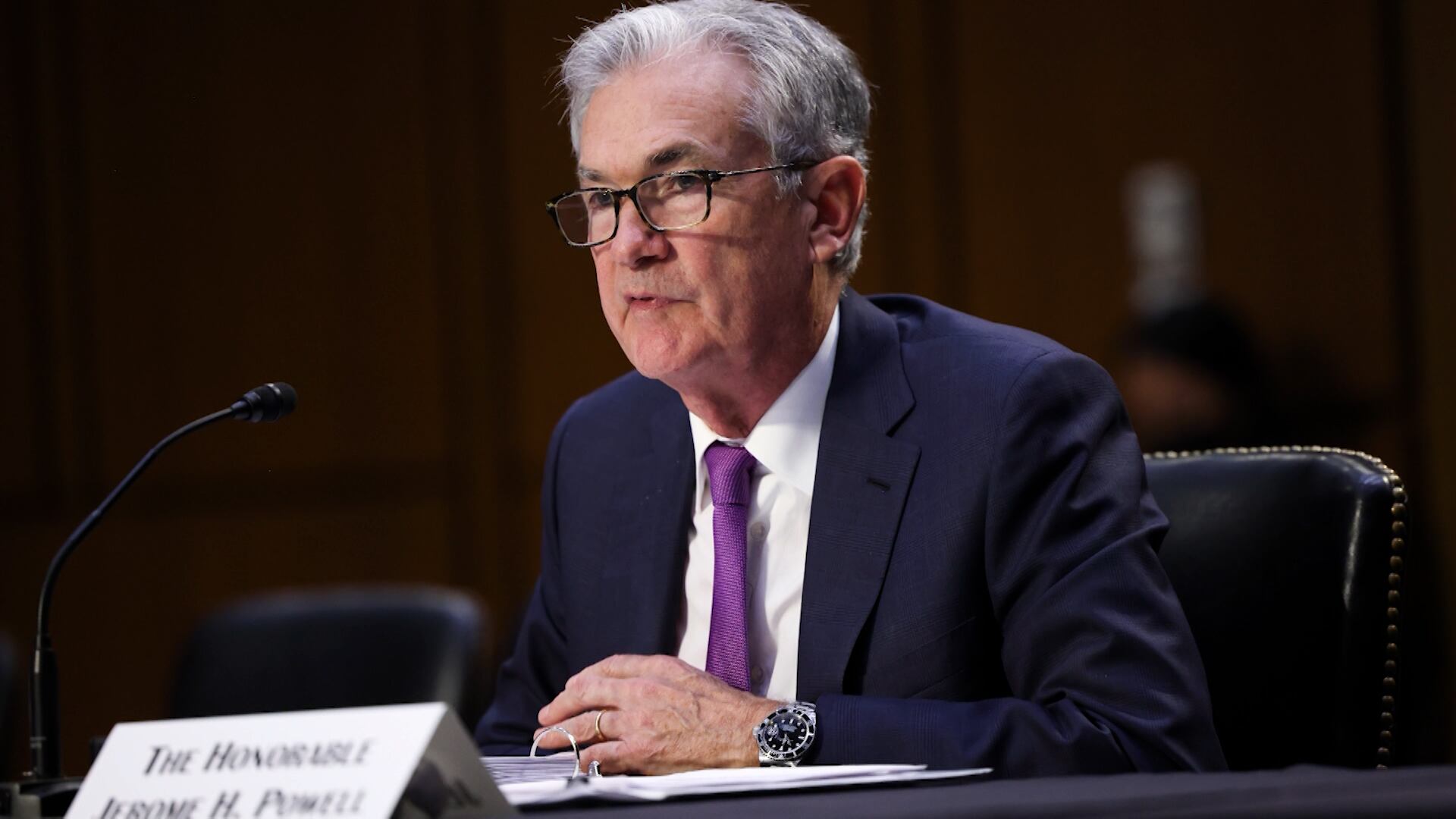
President Joe Biden announced Monday he is re-nominating Federal Reserve Chairman Jerome Powell after weeks of speculation that he would choose Democrat and Fed Governor Lael Brainard to fill the role. Biden could be looking for continuity as the U.S. continues to grapple with COVID-19 and high inflation, and investors could be on the same page: markets and treasuries ticked up after the White House made the announcement. MarketWatch Senior Reporter Greg Robb joins Cheddar News' Closing Bell to discuss Powell's re-nomination, what we can expect from the Fed's December meeting, whether it will speed up its taper timeline, and more.
President Joe Biden named Jerome Powell, initially appointed by President Trump, to keep his seat as the chair of the Federal Reserve on Monday amid the ongoing challenges of the pandemic, inflation, and unemployment. David Beckworth, a former international economist for the Treasury Department and a senior fellow with the Mercatus Center, joined Cheddar to discuss what he sees as the practicality of Biden's decision. "What Powell brings to the table is he's built up political capital with Republicans and Democrats," he said. "It's easy for him to get the job done. I think in one way he was the path of least resistance for the president."
As housing prices continues to rise, Tim Rood, managing director at the real estate finance solutions company SitusAMC, joined Cheddar's "Closing Bell" to talk about what is driving up the costs, attributing it to supply chain constraints and regulatory expenses. Rood stated that the federal government's response to the 2008 financial crisis has added to the growing price tags. "The government came down super hard on banks and independent mortgage companies because of the defaults," he said.