JetBlue says it will end a partnership with American Airlines in the Northeast after losing a court fight over the deal, and will instead focus on salvaging its proposed purchase of Spirit Airlines.
JetBlue Airways said Wednesday that it will not appeal a federal judge's ruling blocking the deal with American.
With its decision, JetBlue said the U.S. Justice Department should reconsider its opposition to a JetBlue-Spirit combination.
The Justice Department sued to block both the JetBlue-American deal and JetBlue's agreement to buy Spirit for $3.8 billion on grounds that they would hurt competition.
The Justice Department won a trial in Boston last fall over the JetBlue-American partnership. U.S. District Judge Leo Sorokin decided in May that the airlines must end their Northeast Alliance, or NEA, which began in 2021, because it violates U.S. antitrust law.
“Despite our deep conviction in the procompetitive benefits of the NEA, after much consideration, JetBlue has made the difficult decision not to appeal the court’s determination ... and has instead initiated the termination of the NEA, beginning a wind down process that will take place over the coming months,” New York-based JetBlue said in a statement. “We will now turn even more focus to our proposed combination with Spirit.”
Shortly after JetBlue's announcement, American said it respects JetBlue’s decision "to focus on its other antitrust and regulatory challenges," but it will press ahead with its own appeal in the case.
JetBlue's decision to choose a purchase of Spirit over a geographically limited deal with American grew more likely in recent weeks, as JetBlue declined to say whether it would appeal the Northeast Alliance ruling.
While the deal with American helped JetBlue grow in one region of the country, buying Spirit would let JetBlue grow quickly to nearly 10% of the nationwide air-travel market. That would make JetBlue much closer in size to United, Delta, Southwest — and American.
Last month, JetBlue and American asked Judge Sorokin to let them keep selling tickets on each other’s flights, an arrangement called code-sharing, and offering reciprocal frequent-flyer benefits. The judge has not ruled on the request, but those features of the NEA will now go away.
Meanwhile, a trial has been scheduled for October in the Justice Department's lawsuit against the JetBlue-Spirit merger. The government argues that consumers will suffer if Spirit — the nation’s biggest discount airline — is eliminated.
Savanthi Syth, an airline analyst for Raymond James & Associates, said JetBlue’s withdrawal from the deal with American marginally improves its chances to buy Spirit. She said JetBlue could point to the decision — and a conditional agreement to sell Spirit's operation at LaGuardia Airport in New York — as signs that it is trying to ease concerns about reduced competition.
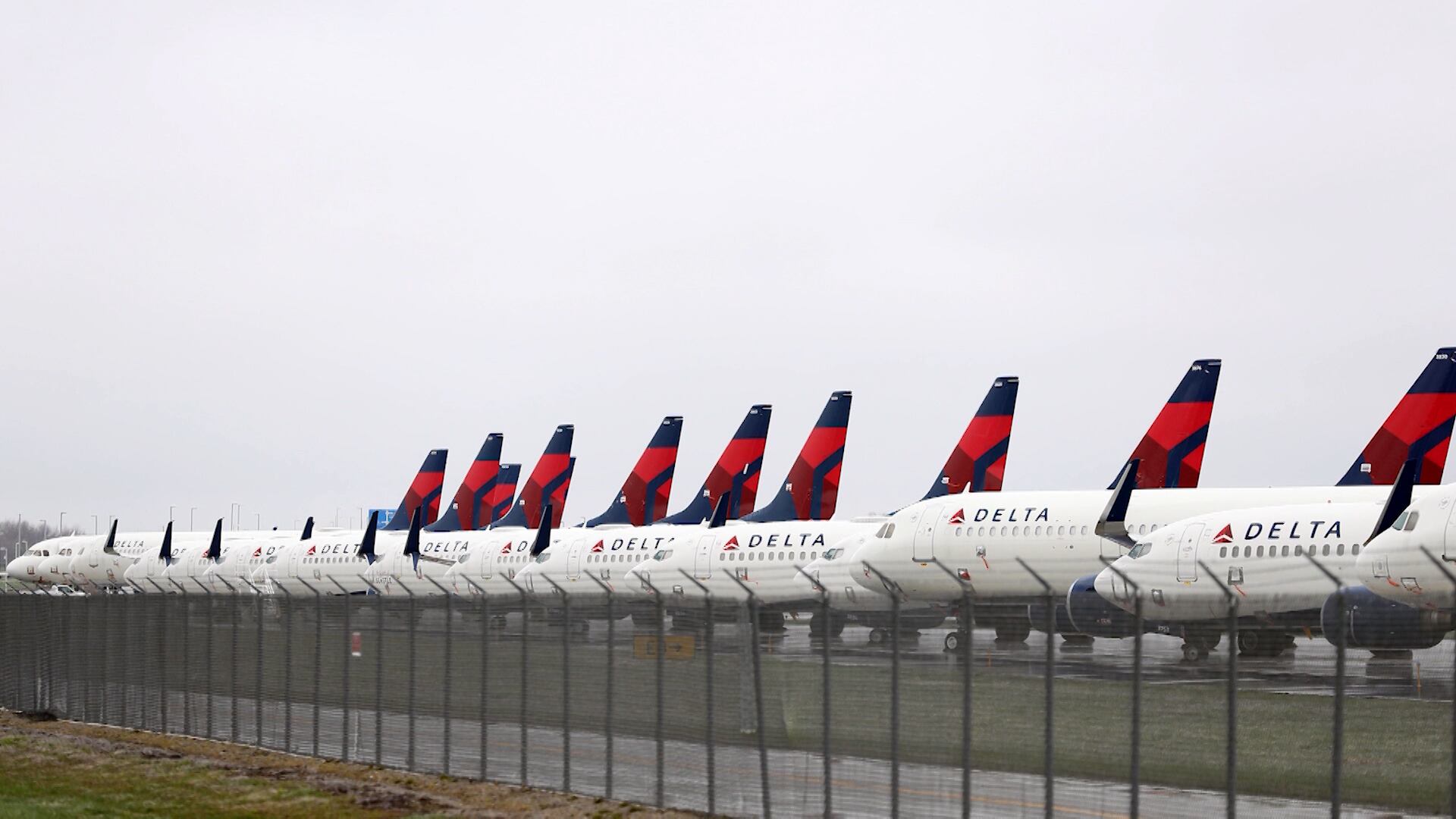
Delta Air Lines CFO Dan Janki joined Cheddar's Kristen Scholer to talk about the airline's 2022 outlook on its Capital Markets Day as the travel industry recovers from pandemic disruptions. The airline projects a return to profitability next year despite the emergence of the omicron variant during the peak holiday season. Janki said that there had been no impact on domestic travel as of yet, but the company is remaining vigilant for any change. He did note that there had been some international fallout as countries implemented travel restrictions.
Tom Shannon, Bowlero CEO, joined Cheddar to discuss the decision to bring the company to the New York Stock Exchange via a SPAC merger with Isos Acquisition Corporation. Shannon said one of the goals of the public offering is to expand operations internationally, noting that Bowlero has the potential to reach worldwide markets due to the sport's popularity. "Bowling is a global market, and I'll give you an example. In South Korea, there are three million league bowlers and 1,200 bowling centers in South Korea alone," he said.
If you're looking for a date, 2022 might be your year. Online dating platform Bumble is buzzing with dating predictions from its latest survey. Shan Boodram, sex and relationships expert at Bumble, joined Cheddar to discuss some of the findings and what people can expect from the future dating landscape. Some of the results showed that public displays of affection are back on the rise as more people get vaccinated and that more users are opting for alcohol-free first dates. She also explained the trend of "explori-dating," a way that users are attempting to get out of their comfort zone. "People are willing to date outside of their city to get to that," she said.
Anthony Martini, Chief Music Officer of Slip.stream, and Jesse Korwin, CMO of Slip.stream, talk about the challenges creators have uploading music on Twitch and how 'Slip.stream' prioritizes artists by streamlining the licensing process.
Cheddar is looking back at the 12 biggest buzzwords of the year leading up to Christmas. The seventh term in the countdown is Transitory. Definition: (adjective) of brief gratification, not permanent.
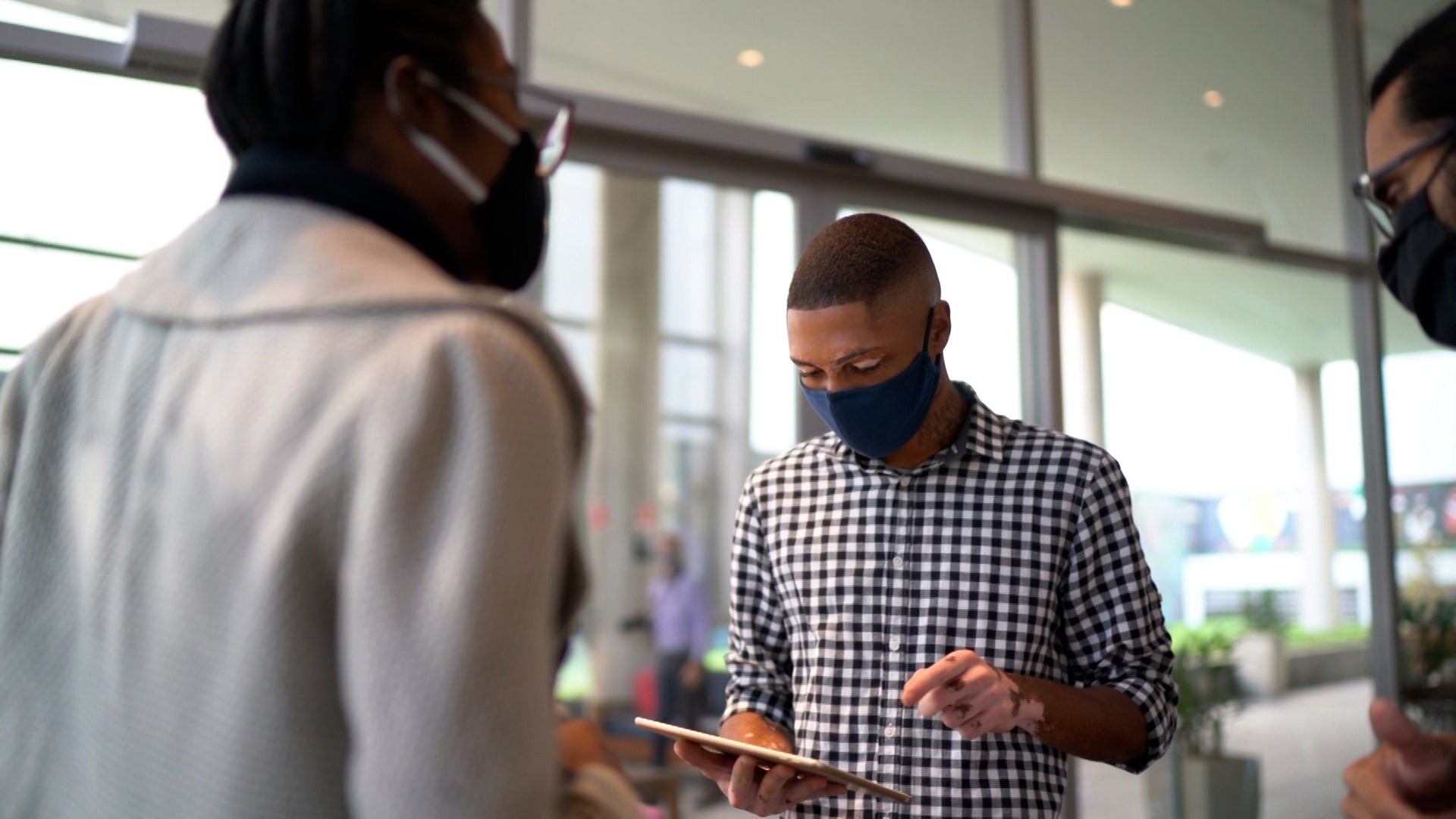
More businesses are requiring workers to return to the office, but there is concern that many employees in the middle class, especially women and people of color, need remote work options for reasons including childcare and financial security. Joan Williams, director of the Center for WorkLife Law at the University of California, joined Cheddar to discuss why office mandates could be detrimental to the middle class. She noted that while companies claim a return to offices would help foster more collaboration and efficiency, reports show that they are successfully able to do their jobs from home.
Fresh Vine Wine, a maker of low-carb, low-calorie, and gluten-free wines, made its public debut on the NYSE. Celeb do-owners Nina Dobrev and Julianne Hough, alongside CEO Janelle Anderson, joined Cheddar's Azia Celestino to talk about their partnership, the decision to launch an IPO, and tout the healthy lifestyle market their product is going for.
The automotive industry continues to reel as the ongoing global semiconductor chip shortage continues to cause prices to rise. Ben Preston, autos reporter for Consumer Reports, joined Cheddar to discuss the state of the car industry. "I think that right now is a terrible time to buy a new car because dealership lots are looking a bit thin," Preston said. He noted that once manufacturers had initially halted production due to the pandemic, chip companies shifted toward providing service to tech companies, leading to supply constraints as every new car built needs about 30 to 100 chips in its construction.