JetBlue says it will end a partnership with American Airlines in the Northeast after losing a court fight over the deal, and will instead focus on salvaging its proposed purchase of Spirit Airlines.
JetBlue Airways said Wednesday that it will not appeal a federal judge's ruling blocking the deal with American.
With its decision, JetBlue said the U.S. Justice Department should reconsider its opposition to a JetBlue-Spirit combination.
The Justice Department sued to block both the JetBlue-American deal and JetBlue's agreement to buy Spirit for $3.8 billion on grounds that they would hurt competition.
The Justice Department won a trial in Boston last fall over the JetBlue-American partnership. U.S. District Judge Leo Sorokin decided in May that the airlines must end their Northeast Alliance, or NEA, which began in 2021, because it violates U.S. antitrust law.
“Despite our deep conviction in the procompetitive benefits of the NEA, after much consideration, JetBlue has made the difficult decision not to appeal the court’s determination ... and has instead initiated the termination of the NEA, beginning a wind down process that will take place over the coming months,” New York-based JetBlue said in a statement. “We will now turn even more focus to our proposed combination with Spirit.”
Shortly after JetBlue's announcement, American said it respects JetBlue’s decision "to focus on its other antitrust and regulatory challenges," but it will press ahead with its own appeal in the case.
JetBlue's decision to choose a purchase of Spirit over a geographically limited deal with American grew more likely in recent weeks, as JetBlue declined to say whether it would appeal the Northeast Alliance ruling.
While the deal with American helped JetBlue grow in one region of the country, buying Spirit would let JetBlue grow quickly to nearly 10% of the nationwide air-travel market. That would make JetBlue much closer in size to United, Delta, Southwest — and American.
Last month, JetBlue and American asked Judge Sorokin to let them keep selling tickets on each other’s flights, an arrangement called code-sharing, and offering reciprocal frequent-flyer benefits. The judge has not ruled on the request, but those features of the NEA will now go away.
Meanwhile, a trial has been scheduled for October in the Justice Department's lawsuit against the JetBlue-Spirit merger. The government argues that consumers will suffer if Spirit — the nation’s biggest discount airline — is eliminated.
Savanthi Syth, an airline analyst for Raymond James & Associates, said JetBlue’s withdrawal from the deal with American marginally improves its chances to buy Spirit. She said JetBlue could point to the decision — and a conditional agreement to sell Spirit's operation at LaGuardia Airport in New York — as signs that it is trying to ease concerns about reduced competition.
As Meta and Microsoft ramp up their AR and VR tech futures, analysts have been waiting on word from Apple, but the consumer tech giant is reportedly delaying such an announcement. Doug Astrop, a managing partner at Exponential Investment Partners, joined Cheddar to dive into the rumors about the possibilities of a foray into the metaverse by Tim Cook's megacorp sometime in 2022 or 2023. "We can't really predict with a great deal of certainty how it's going to play out, but I'm confident Apple's going to be a big player and do very well in any scenario that unfolds," said Astrop.
Monster Beverage is charging into the beer and hard seltzer biz with its $330 acquisition of CANarchy Craft Brewery Collective. The energy drink finalized the deal a week after Constellation Brands Inc. made a deal with Coca-Cola to acquire the Fresca brand.
Ford has seen a record 52-week high for its valuation, hitting more than $100 billion for the first time. The rise in its stocks comes amid its push for more electric vehicles, including the highly anticipated F-150 Lightning pickup, coming this spring.
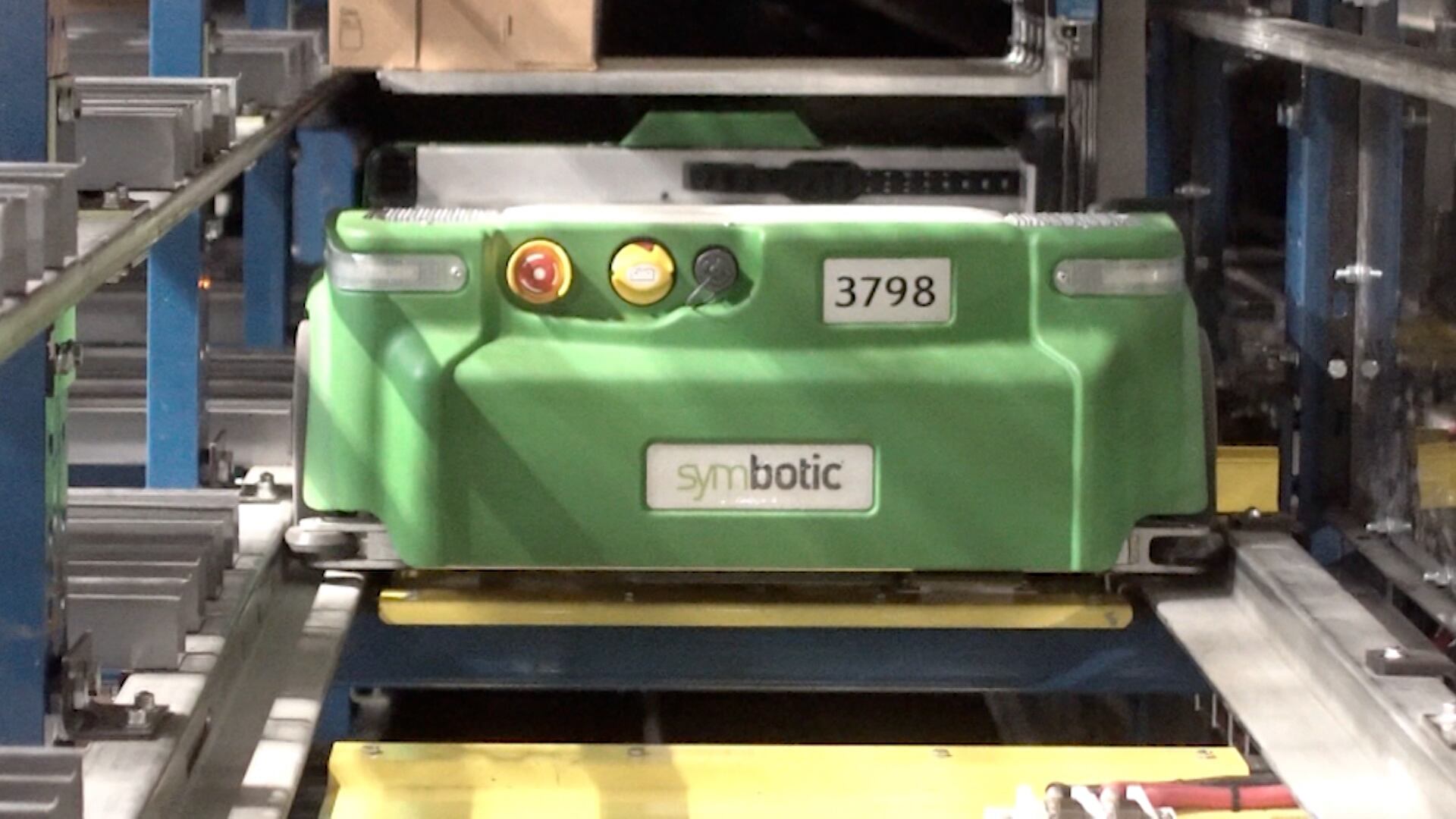
Specializing in AI, robotics, and automation for the global supply chain, Symbotic announced last month it will be tapping the public markets in a SPAC deal with investment giant SoftBank. Symbotic CFO Tom Ernst and Vikas Parekh, a managing partner at SoftBank Investment Advisers spoke with Cheddar about going public and the future of modernizing logistics amid the constrained supply networks. "The supply chain is fundamentally broken," said Ernst. "By employing the best in modern technology for autonomous vehicles and artificial intelligence, we're able to fundamentally rethink the way in which you receive and store and sort goods, making for a dramatically more efficient supply chain."
JP Morgan Chase beat Q4 earnings estimates, largely attributed to credit card borrowers and corporations. Meanwhile, Wells Fargo also reported strong quarterly earnings and saw a 15 percent growth in its shares for the year.
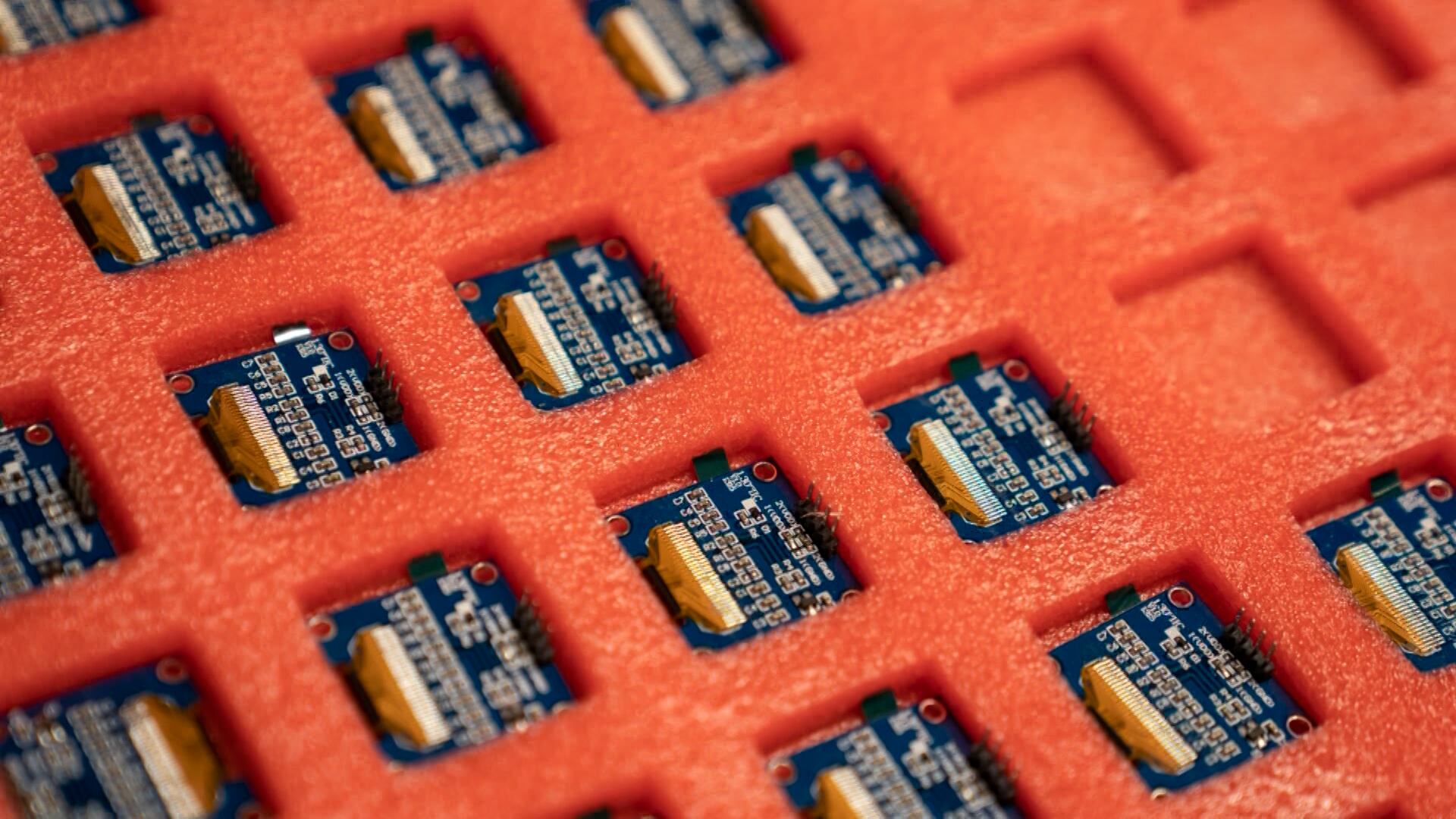
Taiwan Semiconductor Manufacturing Company (TSMC), the largest supplier of semiconductors, doubled its Q4 revenue forecast and announced a $44 billion investment for expanded chip manufacturing in 2022. Caleb Silver, Editor in Chief at Investopedia, joined Cheddar to discuss the future for the global tech giant. "It has the money. It has the equity. It has the dominance over the market, so not a surprise at all, and it's taking charge as we head into this sort of next phase of advanced chipmaking," Silver said.
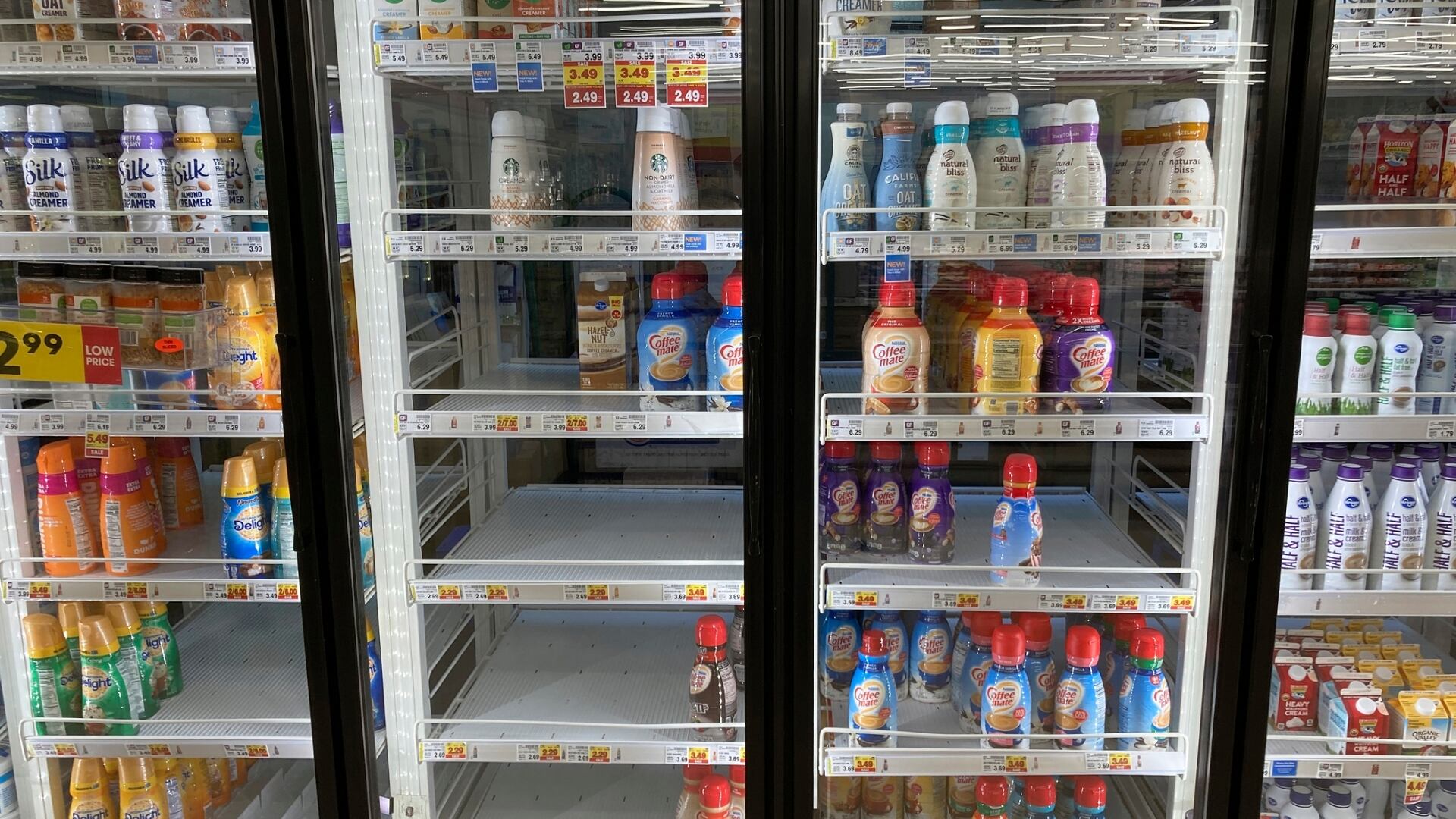
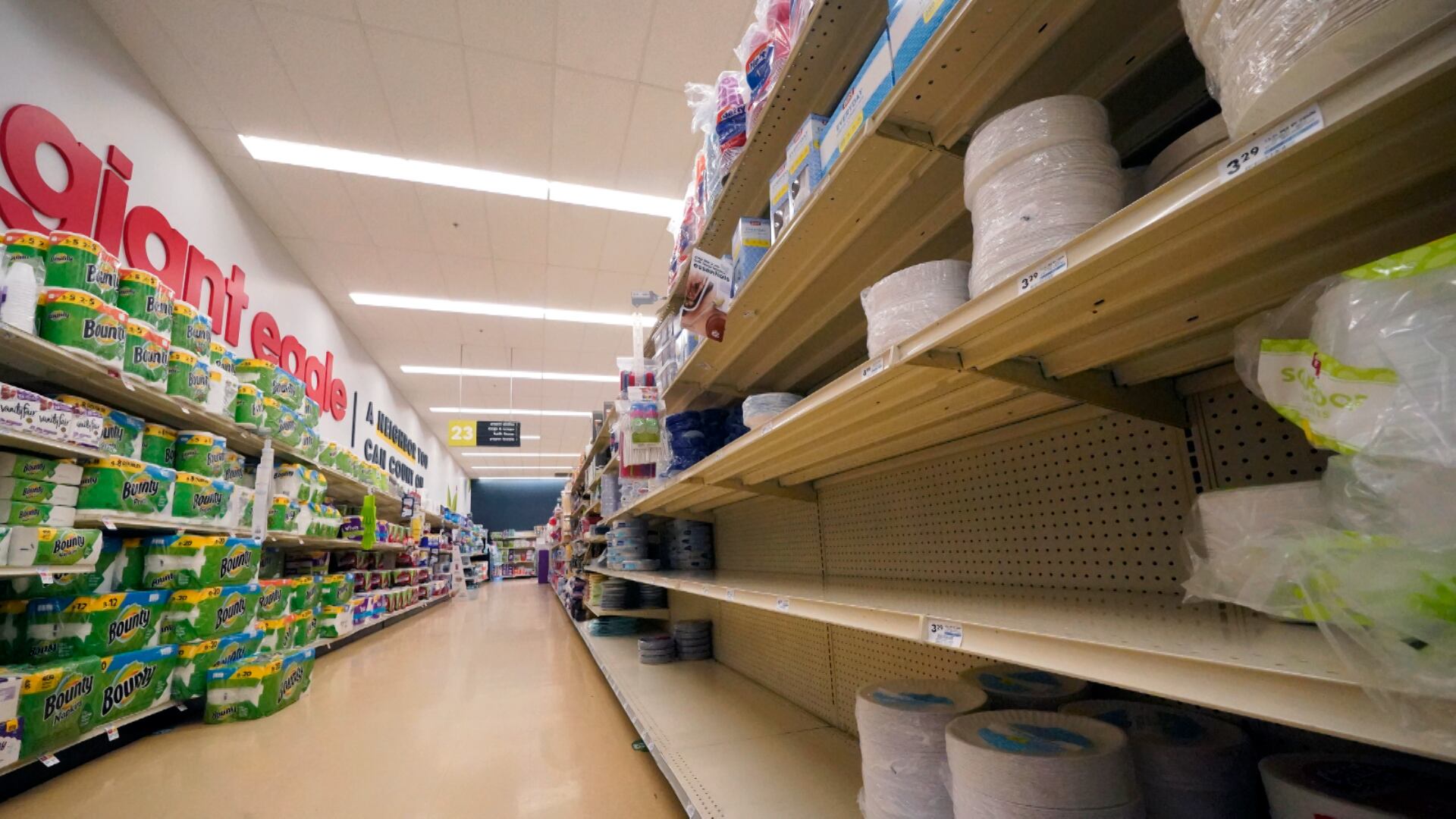
Grocery stores are restricting hours and services due to omicron-related labor and supply chain issues. This also comes at a time of labor unrest for supermarket giant Kroger as more than 8,000 workers at its King Soopers chain in Colorado have gone on strike.
Michael Hershfield, Founder & CEO of Accrue Savings, joined Wake Up With Cheddar to discuss the company's new round of funding, and its core mission of rewarding consumers for saving rather than taking on more debt with buy now, pay later options.
Ellen Davis, Executive VP of Industry Engagement at the Consumer Brands Association, joined Wake Up With Cheddar to break down what consumers need to know about how the pandemic and supply chain constraints are affecting the availability of everyday items.