JetBlue says it will end a partnership with American Airlines in the Northeast after losing a court fight over the deal, and will instead focus on salvaging its proposed purchase of Spirit Airlines.
JetBlue Airways said Wednesday that it will not appeal a federal judge's ruling blocking the deal with American.
With its decision, JetBlue said the U.S. Justice Department should reconsider its opposition to a JetBlue-Spirit combination.
The Justice Department sued to block both the JetBlue-American deal and JetBlue's agreement to buy Spirit for $3.8 billion on grounds that they would hurt competition.
The Justice Department won a trial in Boston last fall over the JetBlue-American partnership. U.S. District Judge Leo Sorokin decided in May that the airlines must end their Northeast Alliance, or NEA, which began in 2021, because it violates U.S. antitrust law.
“Despite our deep conviction in the procompetitive benefits of the NEA, after much consideration, JetBlue has made the difficult decision not to appeal the court’s determination ... and has instead initiated the termination of the NEA, beginning a wind down process that will take place over the coming months,” New York-based JetBlue said in a statement. “We will now turn even more focus to our proposed combination with Spirit.”
Shortly after JetBlue's announcement, American said it respects JetBlue’s decision "to focus on its other antitrust and regulatory challenges," but it will press ahead with its own appeal in the case.
JetBlue's decision to choose a purchase of Spirit over a geographically limited deal with American grew more likely in recent weeks, as JetBlue declined to say whether it would appeal the Northeast Alliance ruling.
While the deal with American helped JetBlue grow in one region of the country, buying Spirit would let JetBlue grow quickly to nearly 10% of the nationwide air-travel market. That would make JetBlue much closer in size to United, Delta, Southwest — and American.
Last month, JetBlue and American asked Judge Sorokin to let them keep selling tickets on each other’s flights, an arrangement called code-sharing, and offering reciprocal frequent-flyer benefits. The judge has not ruled on the request, but those features of the NEA will now go away.
Meanwhile, a trial has been scheduled for October in the Justice Department's lawsuit against the JetBlue-Spirit merger. The government argues that consumers will suffer if Spirit — the nation’s biggest discount airline — is eliminated.
Savanthi Syth, an airline analyst for Raymond James & Associates, said JetBlue’s withdrawal from the deal with American marginally improves its chances to buy Spirit. She said JetBlue could point to the decision — and a conditional agreement to sell Spirit's operation at LaGuardia Airport in New York — as signs that it is trying to ease concerns about reduced competition.
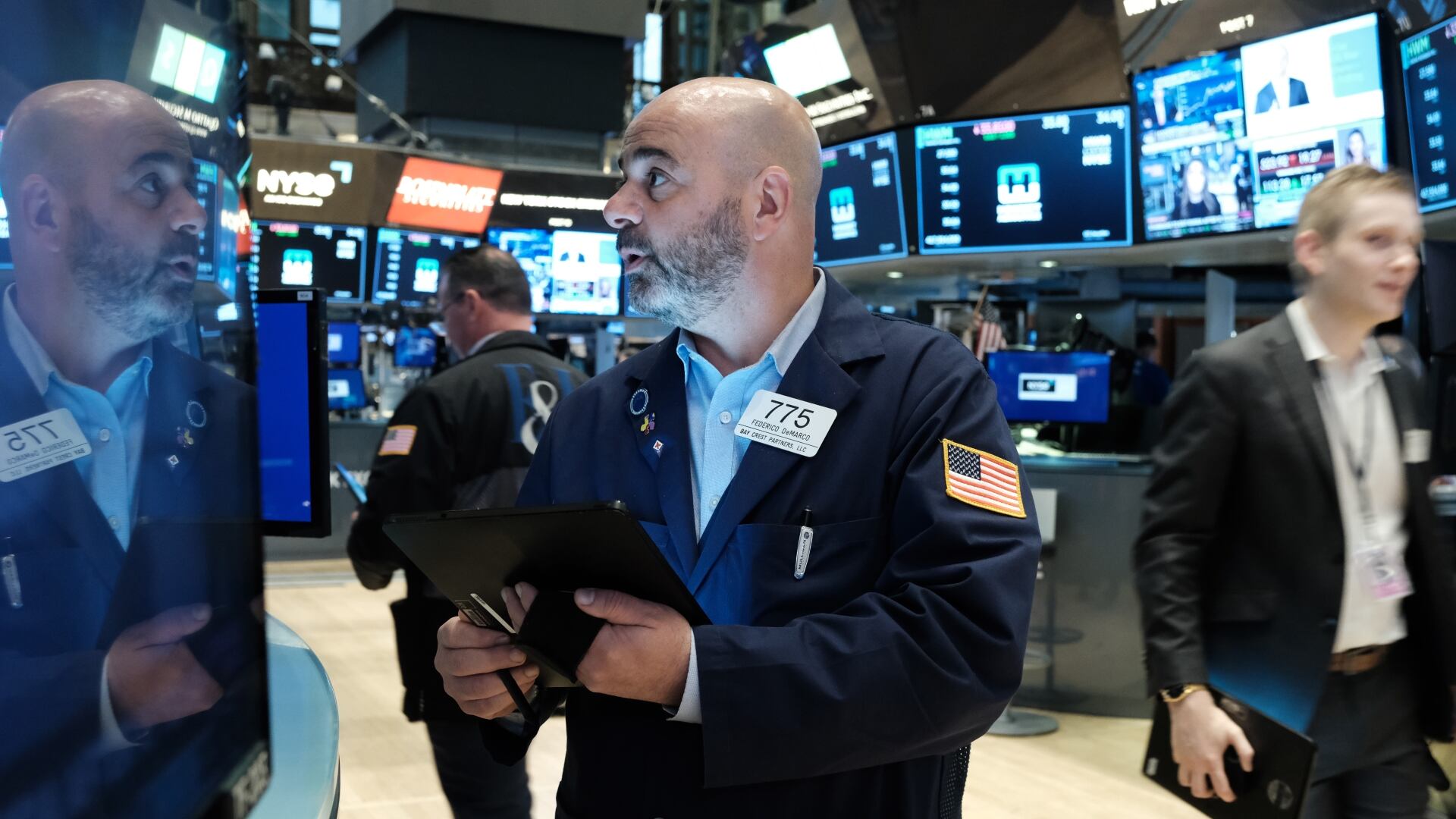
Following a session in which investors saw gains across the major indexes, Wealth Consulting Group CEO Jimmy Lee says investors need to remember that midterm election years tend to be more volatile in general.
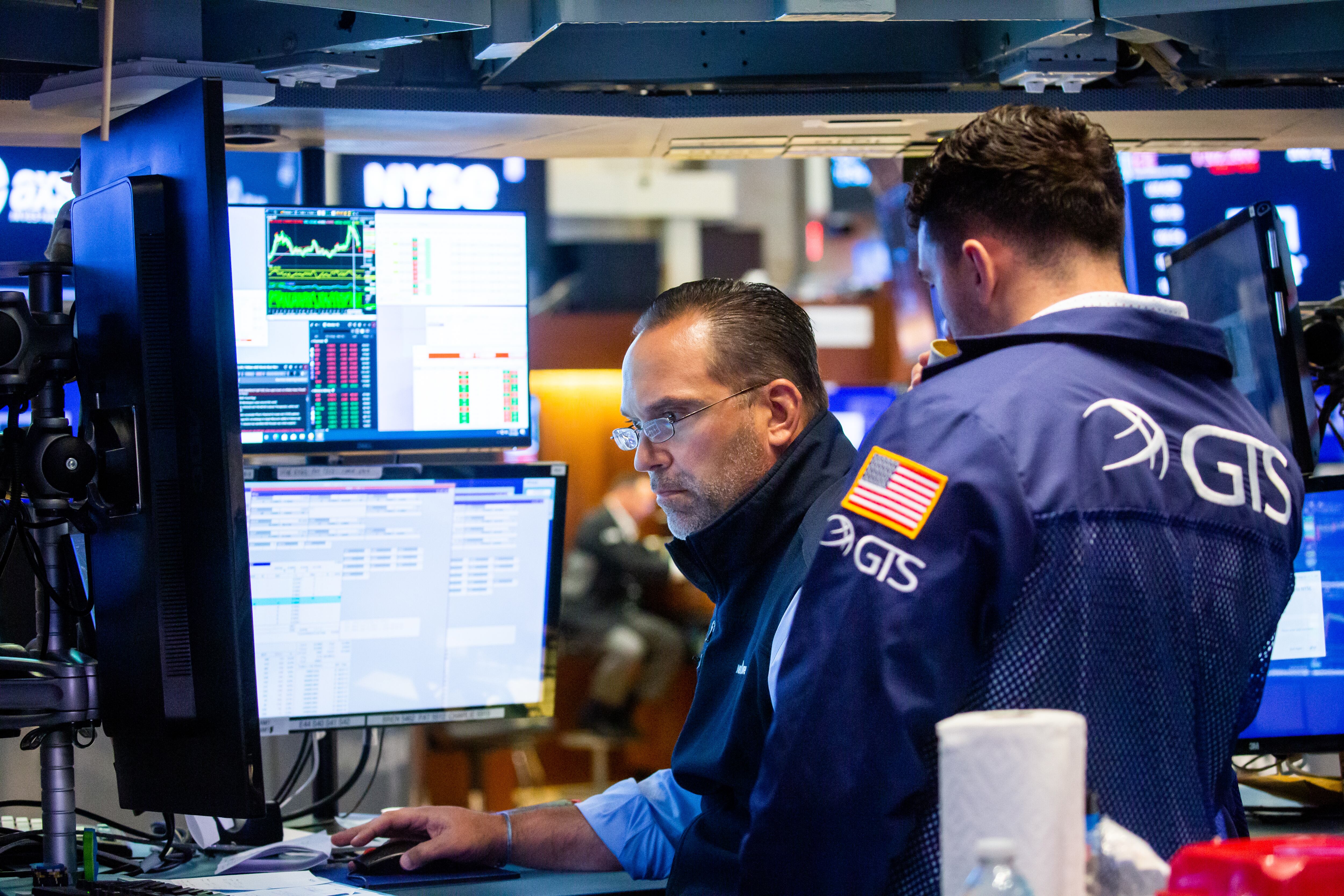
Stocks closed lower to end the last trading day of May, but the S&P 500 and the Dow Jones both rose over the past month. The Federal Reserve in early May raised interest rates by half a percentage point as it tries to fight inflation, but the question continues to linger: will we enter a recession as we try to tame inflation? Anthony Saccaro, Founder & President of Providence Financial, joins Closing Bell to discuss today's close, the possibility of a recession, where he is telling clients to look for opportunities, and more.
The semiconductor industry is at an inflection point as it tries to fully recover from the worst of pandemic-era headwinds. While Broadcom has announced it will buy cloud computing company VMware, Nvidia is lowering its current quarterly outlook. Meanwhile, TSMC and Intel are contemplating raising prices -- again -- thanks to higher materials costs. Where does the industry go from here? Ted Mortonson, technology strategist at Baird, joins Closing Bell to discuss.
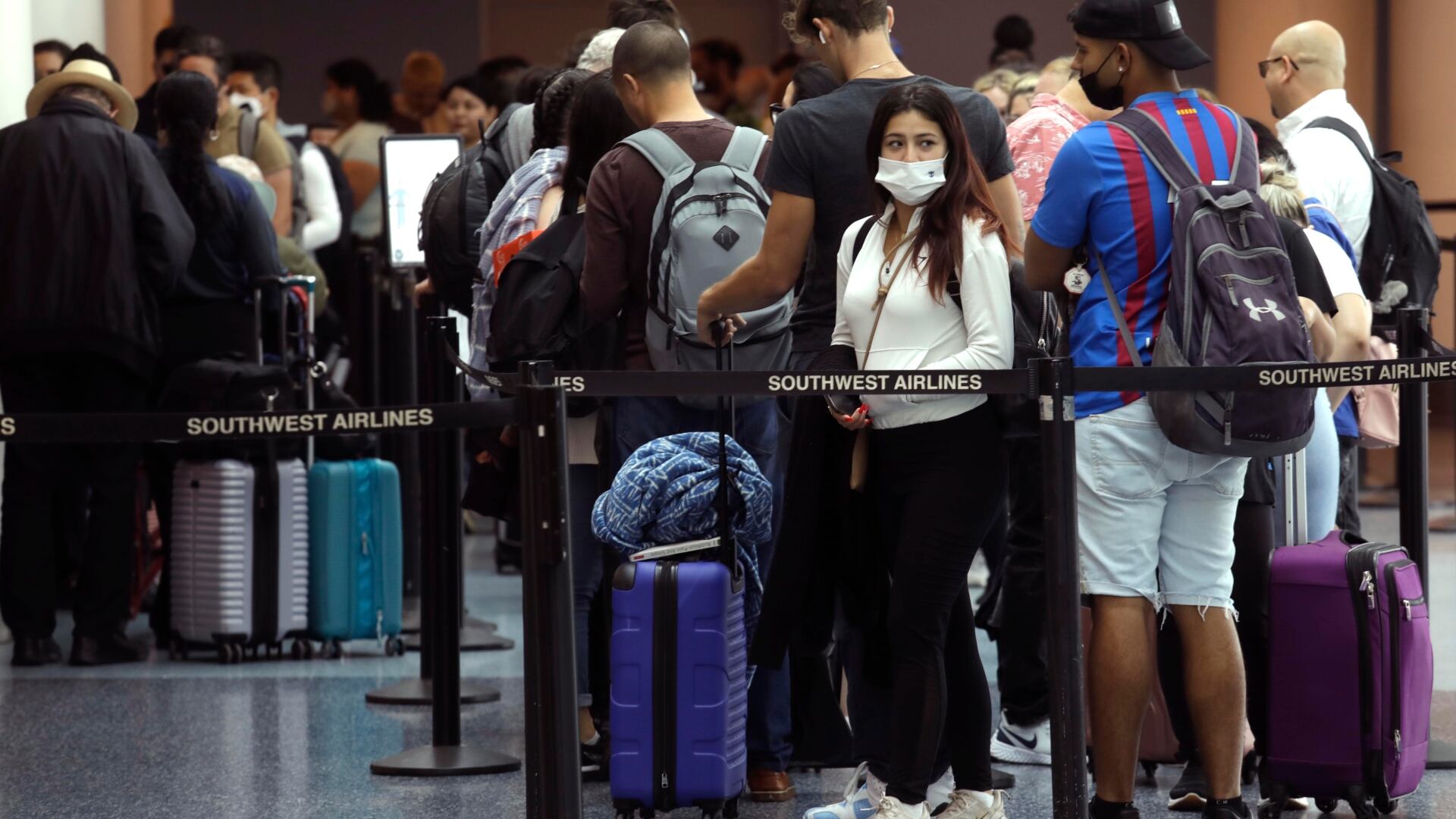
Memorial Day rang in the unofficial start of summer here in the United States -- and with it, the unofficial start of summer travel. Whether consumers traveled by air or by land, they probably experienced some form of frustration over the weekend. Flyers faced delays and cancellations, and drivers faced the most expensive gas prices ever recorded on Memorial Day. Zach Griff, Senior Aviation Reporter for the Points Guy, joins Cheddar News' Closing Bell to discuss.
Next-generation gaming ecosystem Joystick recently raised $8 million in a seed round and is in the process of raising a $110 million Series A funding round. Gaming ecosystems are a relatively new type of platform in the Web3 space, allowing users to maximize their play-to-earn gaming opportunities, exchange crypto-currencies, and sell their digital assets. Joystick says its platform is flipping the current model on its head by giving players the opportunity to keep 100% of the revenue they earn. Robin Defay, co-founder and CEO of Joystick, and Michael Le, co-founder of Joystick and TikTok content creator, join Cheddar News' Closing Bell to discuss.
Abe Stein, Head of Innovation at Sports Innovation Lab, joins Cheddar News' Closing Bell, where he explains why the top four spots on his company's 2022 list are European soccer clubs and discusses Sports Innovation Lab's plan to publish data on women's pro sports teams in the not-too-distant future.
Joel Birch, Co-Founder and CEO of Stacked, joins Cheddar News' Closing Bell, where he explains why he doesn't see any new catalysts that would lead to a Bitcoin rally at the moment. He also reiterates that now is a good time for long-term Bitcoin investors to buy low.
The dating app Bumble has sponsored bills and pushed lawmakers to criminalize the online practice of sending unsolicited nudes or “cyberflashing." Payton Iheme, Bumble's head of public policy for the Americas, joined Cheddar News to discuss why the app was going after the harassing behavior beyond its own platform. "Now, while we went to work internally in the company, and we created something called private detector to automatically blur those images so the user can decide if they want to see them, there's nothing for the rest of the internet," she said. "And so that's why we went to work with these laws."