JetBlue says it will end a partnership with American Airlines in the Northeast after losing a court fight over the deal, and will instead focus on salvaging its proposed purchase of Spirit Airlines.
JetBlue Airways said Wednesday that it will not appeal a federal judge's ruling blocking the deal with American.
With its decision, JetBlue said the U.S. Justice Department should reconsider its opposition to a JetBlue-Spirit combination.
The Justice Department sued to block both the JetBlue-American deal and JetBlue's agreement to buy Spirit for $3.8 billion on grounds that they would hurt competition.
The Justice Department won a trial in Boston last fall over the JetBlue-American partnership. U.S. District Judge Leo Sorokin decided in May that the airlines must end their Northeast Alliance, or NEA, which began in 2021, because it violates U.S. antitrust law.
“Despite our deep conviction in the procompetitive benefits of the NEA, after much consideration, JetBlue has made the difficult decision not to appeal the court’s determination ... and has instead initiated the termination of the NEA, beginning a wind down process that will take place over the coming months,” New York-based JetBlue said in a statement. “We will now turn even more focus to our proposed combination with Spirit.”
Shortly after JetBlue's announcement, American said it respects JetBlue’s decision "to focus on its other antitrust and regulatory challenges," but it will press ahead with its own appeal in the case.
JetBlue's decision to choose a purchase of Spirit over a geographically limited deal with American grew more likely in recent weeks, as JetBlue declined to say whether it would appeal the Northeast Alliance ruling.
While the deal with American helped JetBlue grow in one region of the country, buying Spirit would let JetBlue grow quickly to nearly 10% of the nationwide air-travel market. That would make JetBlue much closer in size to United, Delta, Southwest — and American.
Last month, JetBlue and American asked Judge Sorokin to let them keep selling tickets on each other’s flights, an arrangement called code-sharing, and offering reciprocal frequent-flyer benefits. The judge has not ruled on the request, but those features of the NEA will now go away.
Meanwhile, a trial has been scheduled for October in the Justice Department's lawsuit against the JetBlue-Spirit merger. The government argues that consumers will suffer if Spirit — the nation’s biggest discount airline — is eliminated.
Savanthi Syth, an airline analyst for Raymond James & Associates, said JetBlue’s withdrawal from the deal with American marginally improves its chances to buy Spirit. She said JetBlue could point to the decision — and a conditional agreement to sell Spirit's operation at LaGuardia Airport in New York — as signs that it is trying to ease concerns about reduced competition.
API platform RapidAPI recently became a unicorn with a $1 billion valuation after raising $150 million in a Series D funding round led by Softbank Vision Two Fund. Microsoft's Venture Fund, M12, and Andreessen Horowitz also participated. RapidAPI says it provides the world's largest API hub which enables millions of developers and companies to build software faster. Iddo Gino, founder and CEO of RapidAPI, joins Cheddar News' Closing Bell to discuss.
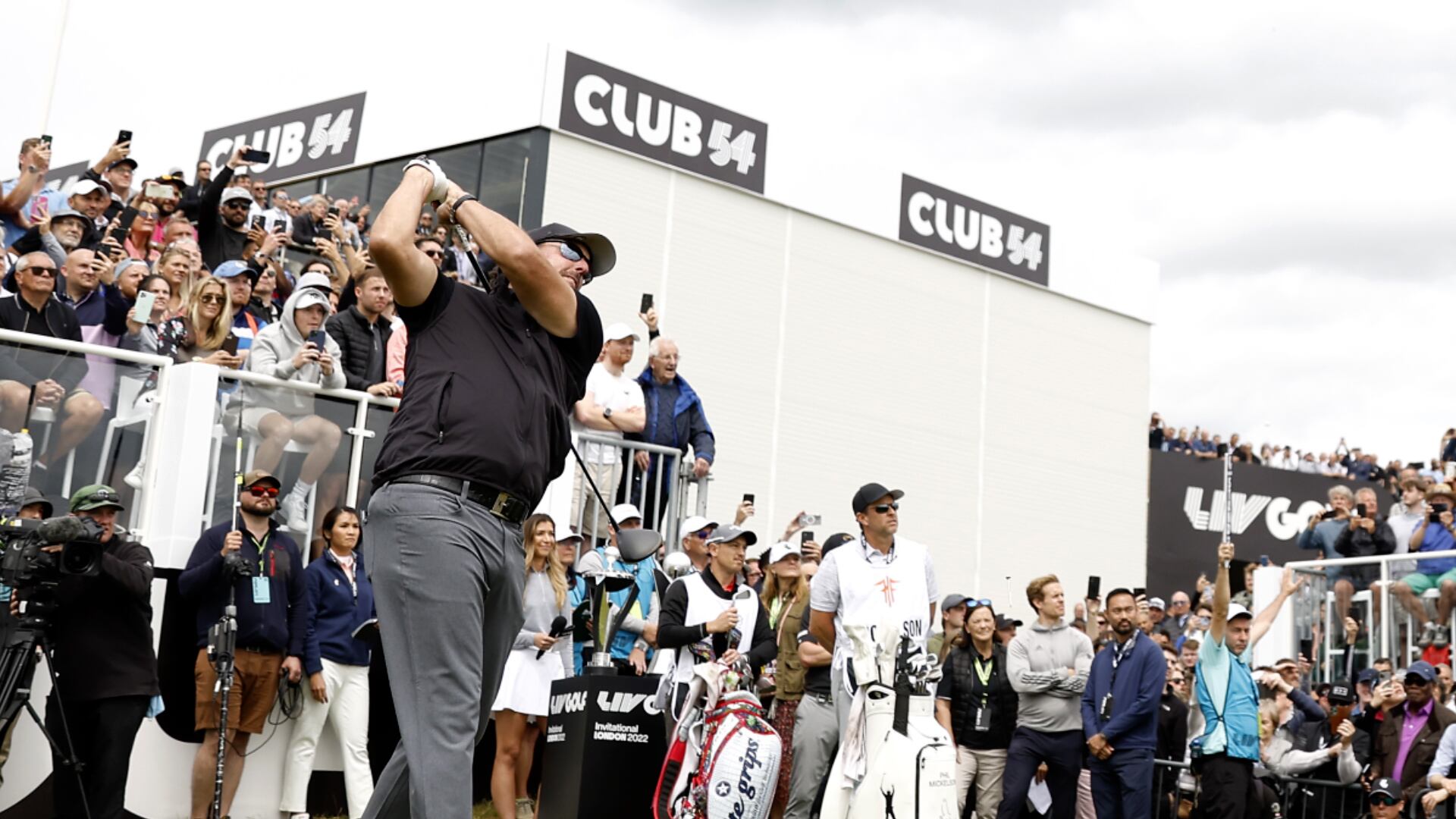
The PGA Tour has announced that it will suspend players that are competing in the LIV Golf event that teed off today. At least 17 players, including names like Phil Mickelson, Dustin Johnson, and Sergio Garcia are banned from the PGA Tour competition. Hilary Fordwich, a business analyst and golf expert, joined Cheddar News to discuss why the PGA had to go this route. This is a threat to the future of golf for them, and there's been many contentions about them not being fair and that this is vindictive," she said. "Don't forget, of course, they represent sort of a monopoly in the history of golf. So you've got two sides to this story. You've got those the purists, those that feel that golf should only be a certain way and that there are only these limited events that the PGA puts on. And then you've got other people who are saying … this is all about money"
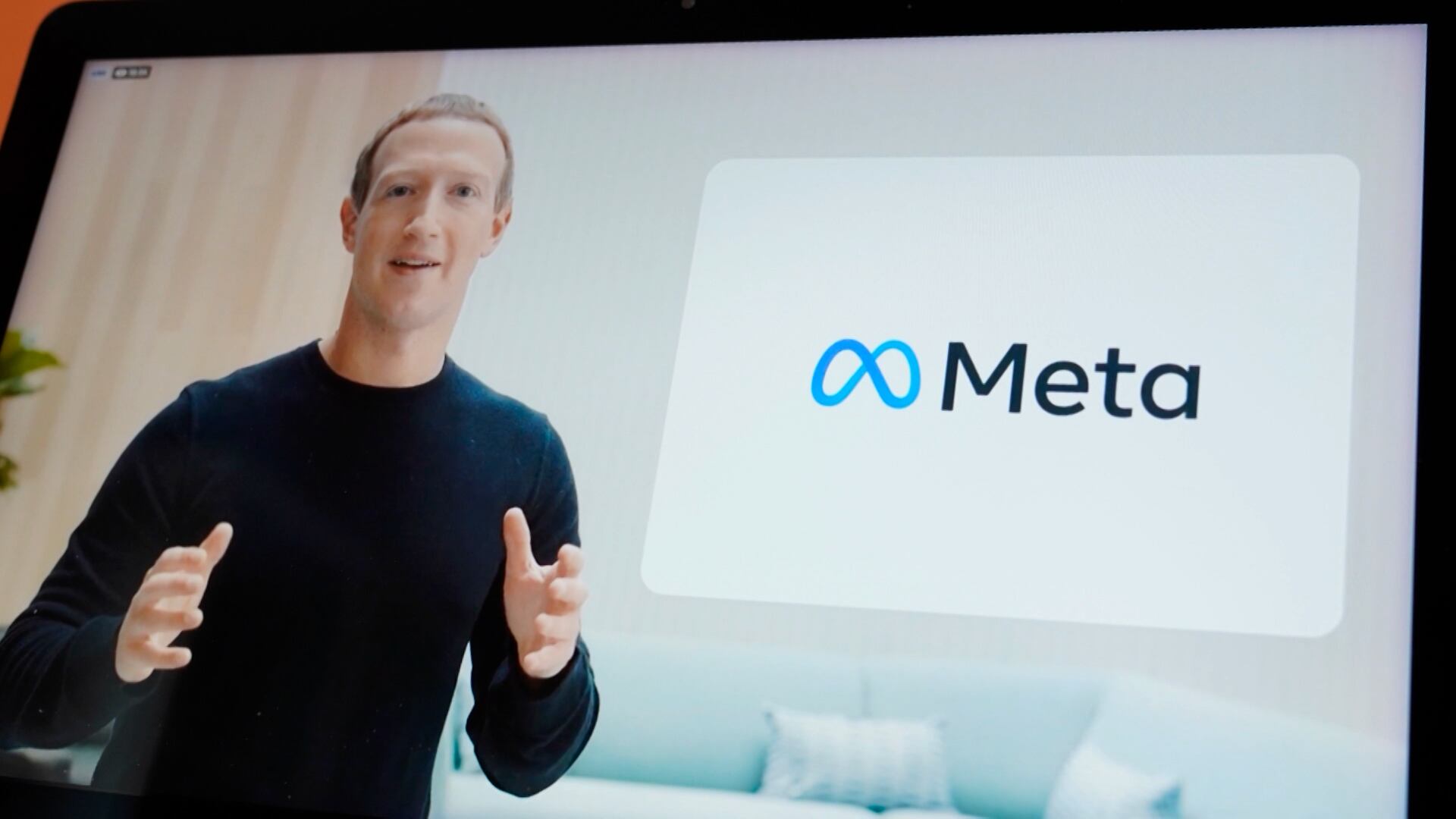
Facebook parent Meta officially has changed it’s ticker symbol from ‘FB’ to ‘META’. Paul Meeks, a portfolio manager, Independent Solutions Wealth Management, and a professor of practice in the Baker School of Business at The Citadel, joined Cheddar News to discuss why the tech giant has had to make big changes to its name, its ticker, and its business plans. "When you see what's happening in digital advertising — and there was a slowdown there even before the threat of a recession, which could cause a even more drastic slowdown next year — they had to pivot," he said. Meeks noted he sees Facebook dominating in the metaverse space going forward — whatever that may end up being.
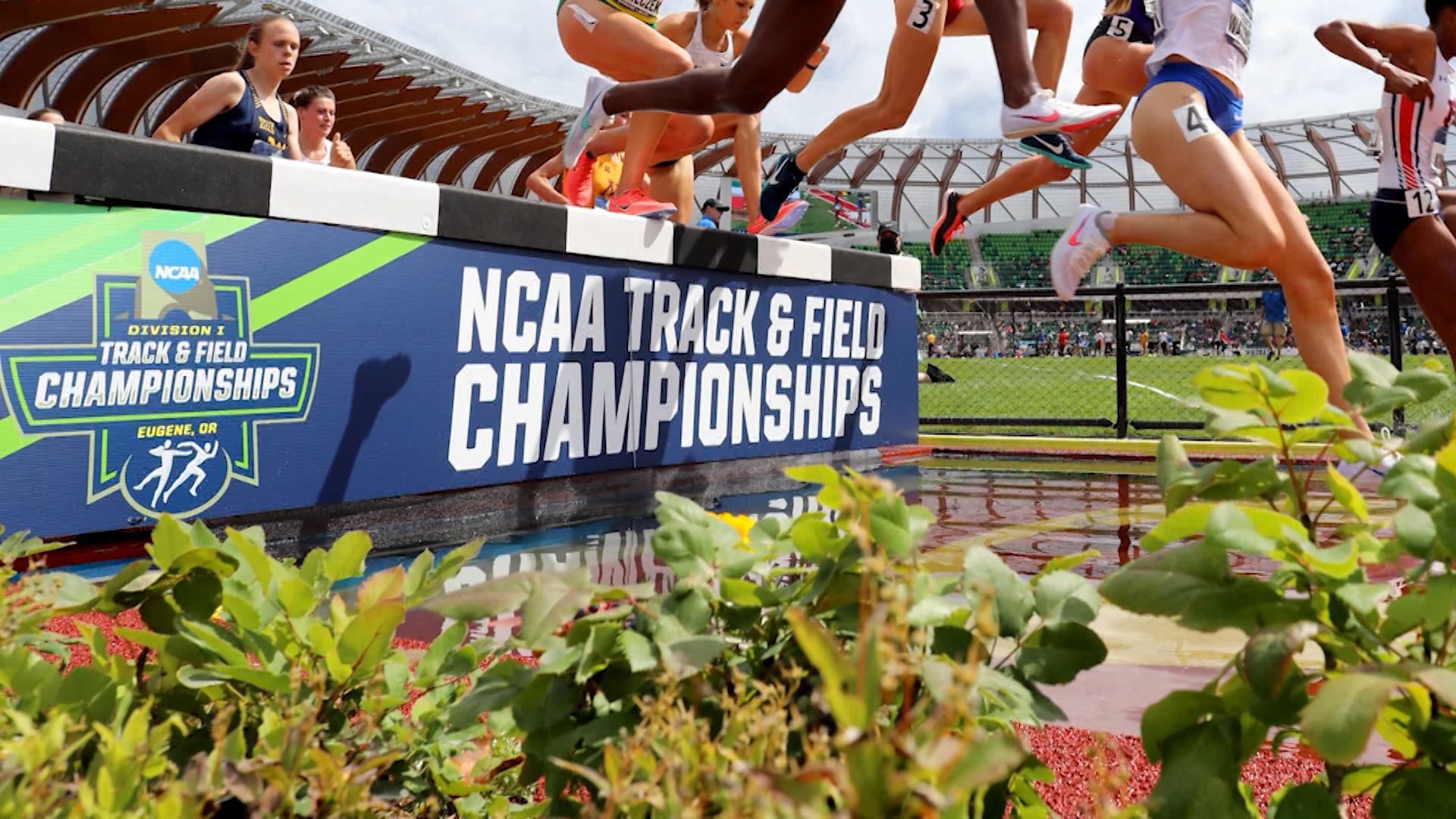
Sports merchandising company Fanatics announced it will be making trading cards featuring college athletes, a deal made possible by the NCAA's change to NIL rules for its players. Anchors Kristen Scholer and Ken Buffa break down the deal for Cheddar.
Catching you up on today’s top business headlines with household wealth falling in Q1 for the first time in two years, Meta officially changing its ticker symbol from ‘FB’ to ‘META’, and updates on Tesla.
The European Union has approved a 40 percent quota for women to sit on company boards. This comes as only 9 of the 27 EU member states have gender equality legislation.
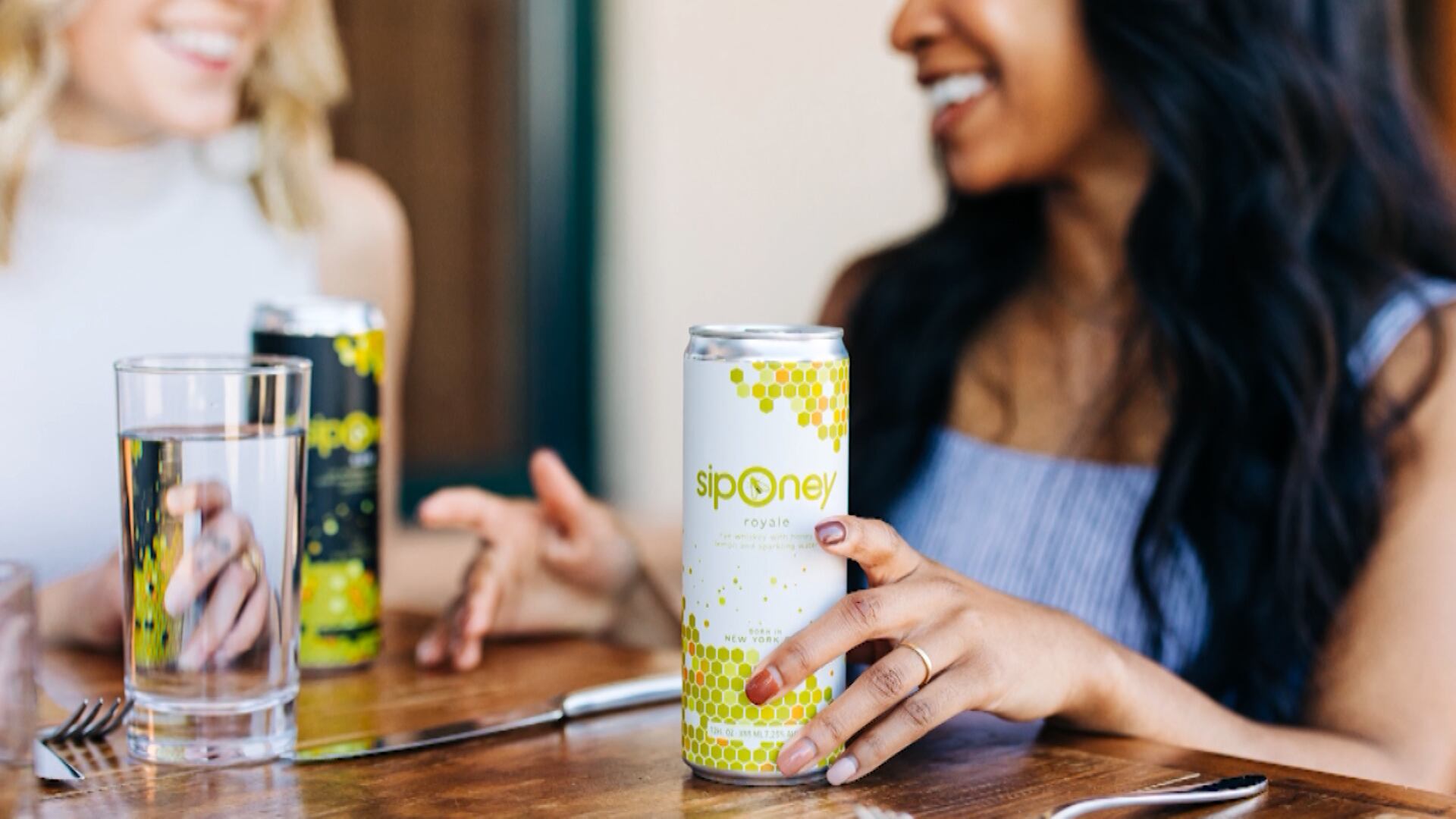
Amanda Victoria, co-founder and CEO of Siponey, joins Cheddar News to talk about the company's canned cocktails. The spritz is made with only four ingredients — wildflower honey, aged rye whiskey, sparkling water, and fresh lemon juice.