In just a few short years, Jet.com went from a bootstrapping start-up to the rapidly-scaling online arm of one of the world's biggest retailers. Cheddar is live at the company's New Jersey headquarters with VP of Analytics Jack Hanlon and Senior Director of Research Ben Babcock. They take us inside the company's research and analytics strategy.
We learn all about the e-commerce site's internal consumer-insights department. Called the "Jet X Lab," the facility is not your typical cold and sterile research department. Our guests explain how they leverage the company's proprietary technology to gain valuable information about how their customers think, act, and buy.
Finally, Hanlon and Babcock give an update on how Jet's acquisition by Walmart influenced its data, research, and analytics strategy. the big-box retailer bought the e-commerce site for $3.3 billion in 2016. We learn how the two companies are learning from one another, and where things are headed from here.
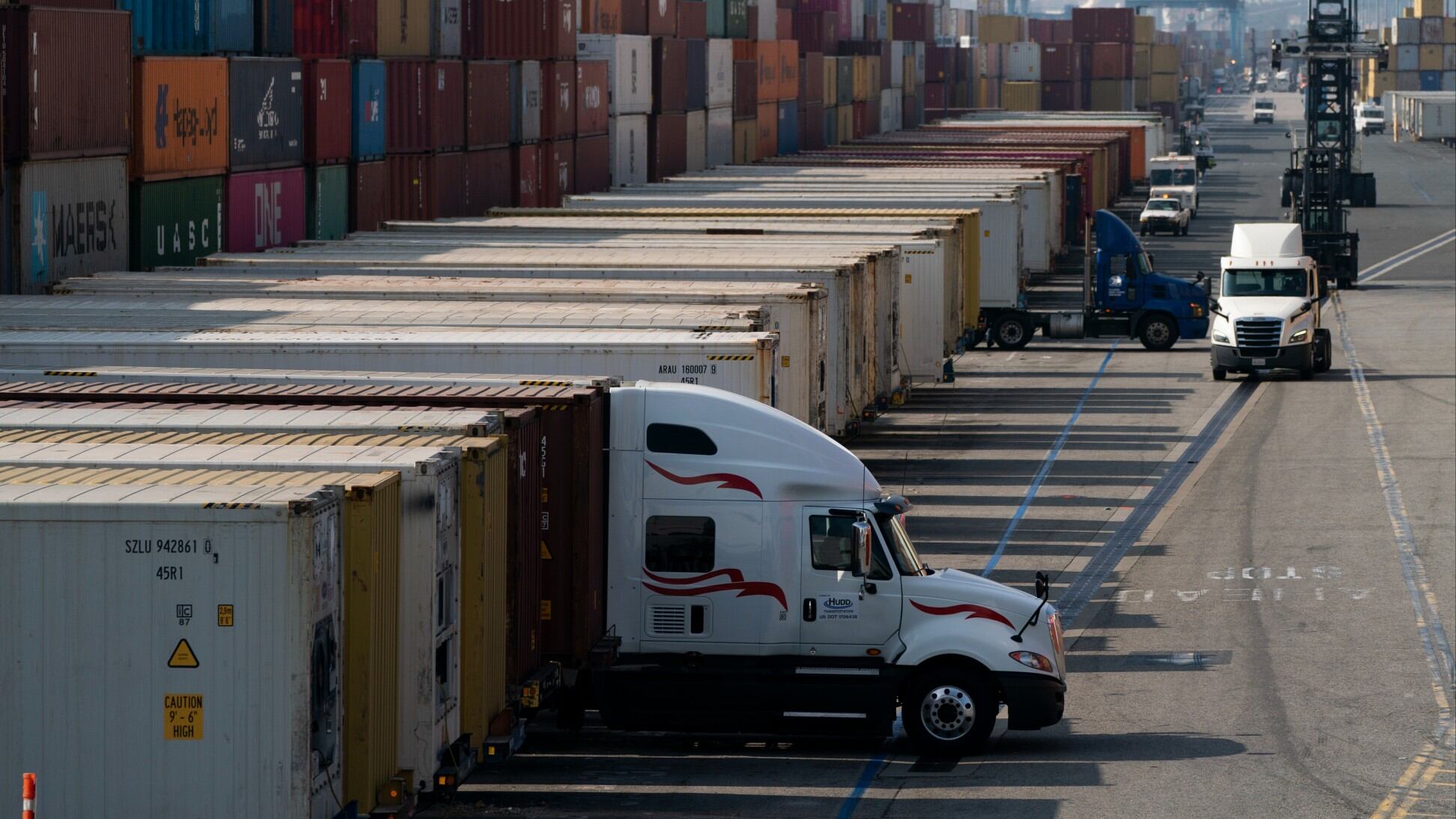
The government will require heavy trucks and buses to include automatic emergency braking equipment within five years, the federal traffic safety agency said Thursday, estimating it will prevent nearly 20,000 crashes save at least 155 lives a year.
The Food and Drug Administration on Thursday said it has sent warning letters to dozens of retailers selling fruit- and candy-flavored disposable e-cigarettes, including the current best-selling brand, Elf Bar.
Whether your credit card has declined or if you had difficulty splitting a bill at an outing, those awkward financial moments can get the best of us. Bobbi Robell, founder of Financial Wellness Strategies and author of "Launching Financial Grownups," joined Cheddar News to provide tips on how to handle those tense situations.
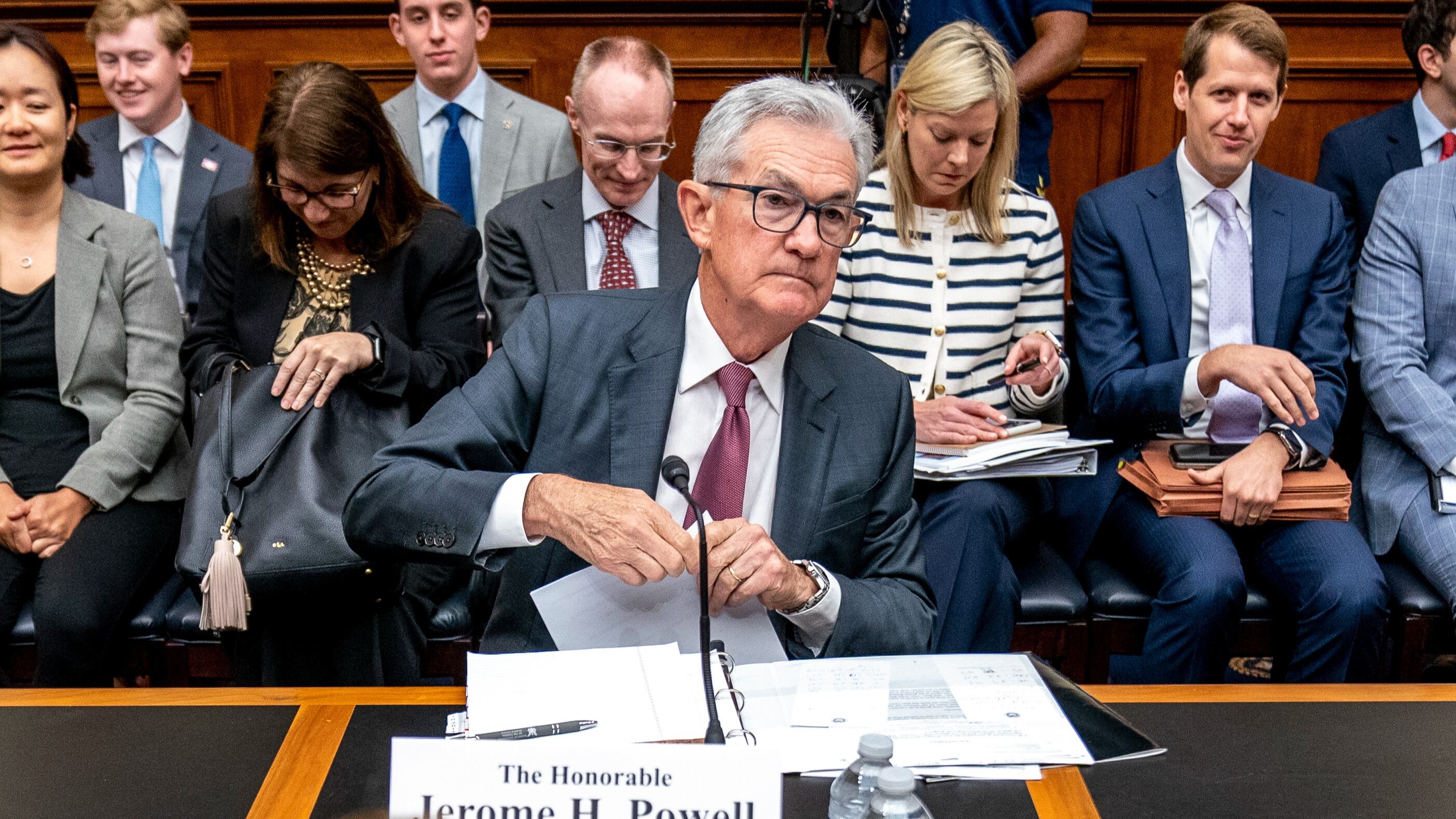
With inflation in the United States still excessive, most Federal Reserve officials expect to raise interest rates further this year, Chair Jerome Powell told a House committee Wednesday.
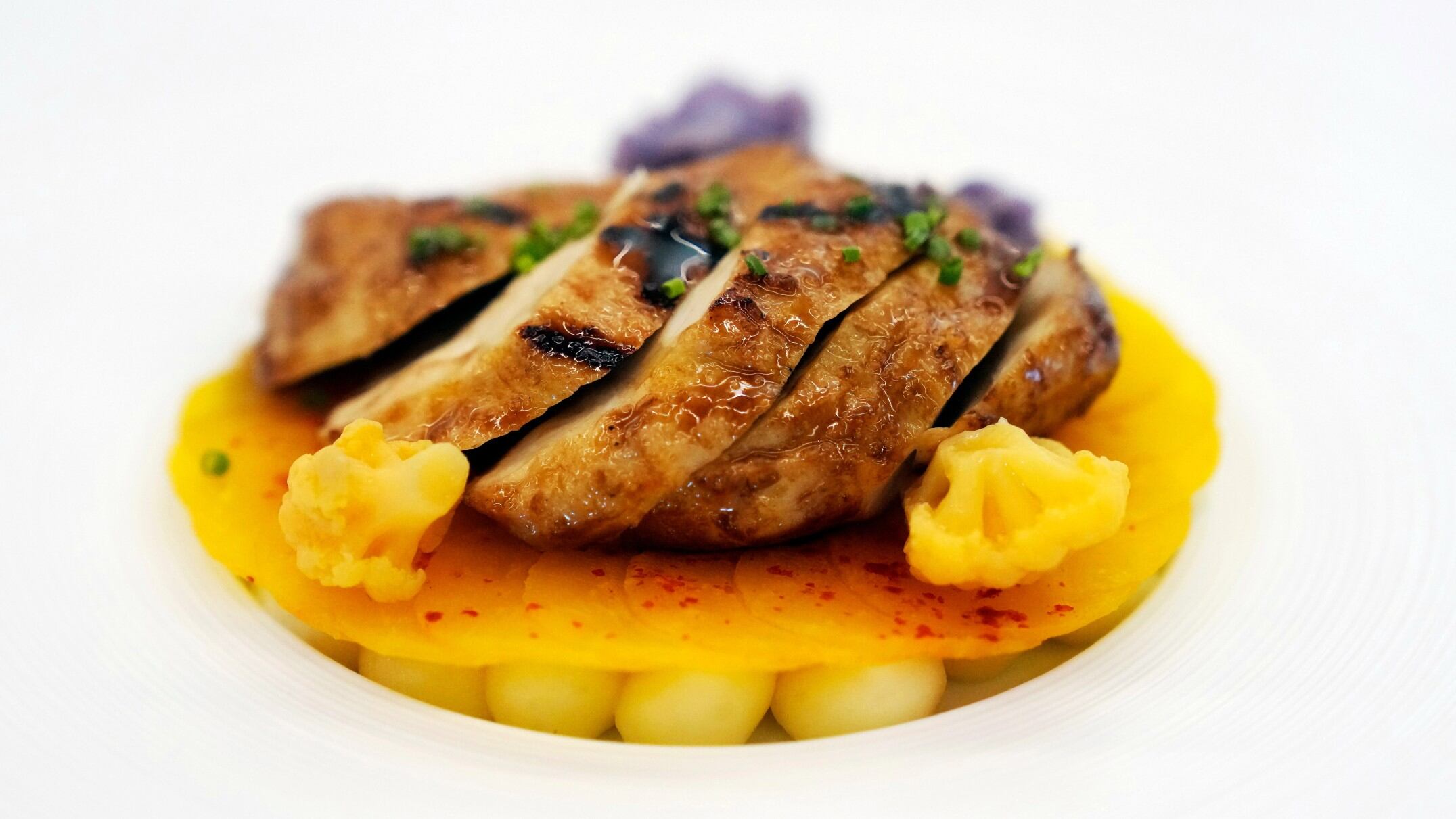
For the first time, U.S. regulators on Wednesday approved the sale of chicken made from animal cells, allowing two California companies to offer “lab-grown” meat to the nation's restaurant tables and eventually, supermarket shelves.