Jeff Flake Confronted by Protesters in Wake of Kavanaugh Vote
*By Carlo Versano*
For a second straight day, Room 226 at the Dirksen U.S. Senate Building was the site of tension and high drama as Republicans on the Senate Judiciary Committee ー to the fury of Democrats, some of whom walked out in protest ー pushed ahead with Judge Brett Kavanaugh's Supreme Court nomination.
Sen. Jeff Flake (R-AZ), a moderate conservative, issued a statement Friday morning indicating he was a "yes" on the nomination.
He said he found both Prof. Christine Blasey Ford and Kavanaugh to be credible in their Thursday testimonies, but "the constitution's provisions of fairness and due process" swayed him to support the nomination.
Flake, who some thought might break from his party and oppose Kavanaugh, then voted along with the rest of the committee Republicans against a motion to subpoena Mark Judge, Kavanaugh's friend who was allegedly in the same room during the assault that Ford described during her testimony.
After Flake's vote was made public, he was confronted by sexual assault survivors in an elevator in a [video] (https://twitter.com/jiveDurkey/status/1045669527491694597?s=20) that immediately went viral on social media. Cheddar's J.D. Durkin witnessed the confrontation and spoke to one of the survivors afterward, saying it was an "incredibly raw" moment in what is rapidly becoming a flashpoint event for the country's political divide.
As the committee, chaired by Sen. Chuck Grassley (R-IA), held a procedural vote to set the time for its full vote, Democratic Sens. Cory Booker of New Jersey and Kamala Harris of California refused to vote and then left the hearing room in protest.
The vote passed, 11-8 on party lines ー clearing the way for Kavanaugh's nomination to move out of committee at 1:30 p.m ET.
Meanwhile, the American Bar Association, in an unusual move, [said](https://www.bloomberg.com/news/articles/2018-09-28/american-bar-association-seeks-delay-in-kavanaugh-nomination) it supported a full FBI investigation into the alleged assault and that Kavanaugh's final confirmation vote should be postponed until such an investigation is completed. A prominent Jesuit magazine, which had previously endorsed the nomination, [rescinded](https://www.americamagazine.org/politics-society/2018/09/27/editors-it-time-kavanaugh-nomination-be-withdrawn) its support in light of Ford's testimony. (Kavanaugh attended Georgetown Prep, a Jesuit high school.)
Whether Kavanaugh can muster the 51 votes needed for confirmation still relies on a small handful of moderate Senators. With Flake now in the "yes" column, the focus will shift to Sen. Lisa Murkowski (R-AK) and Sen. Susan Collins (R-ME).
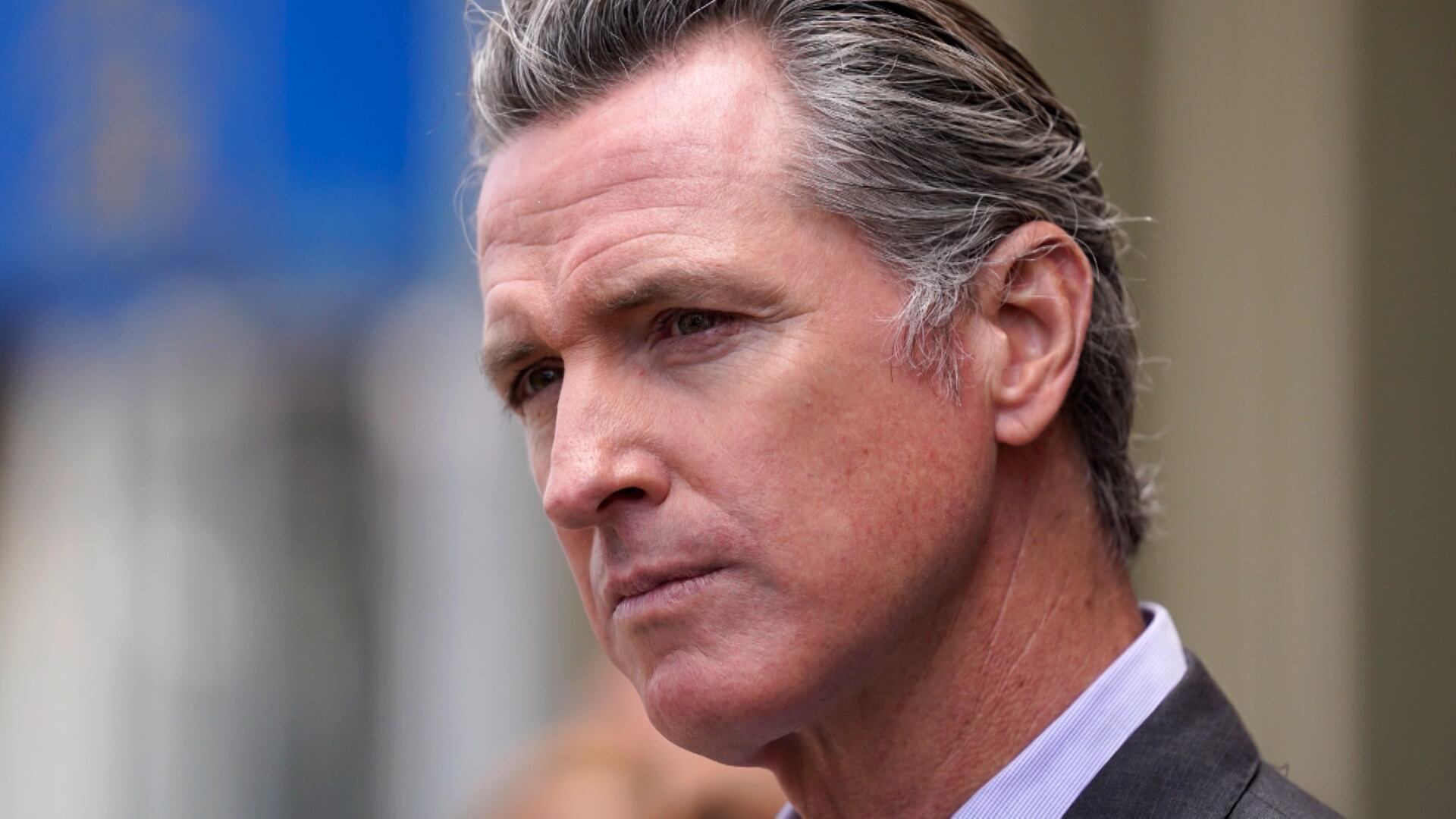
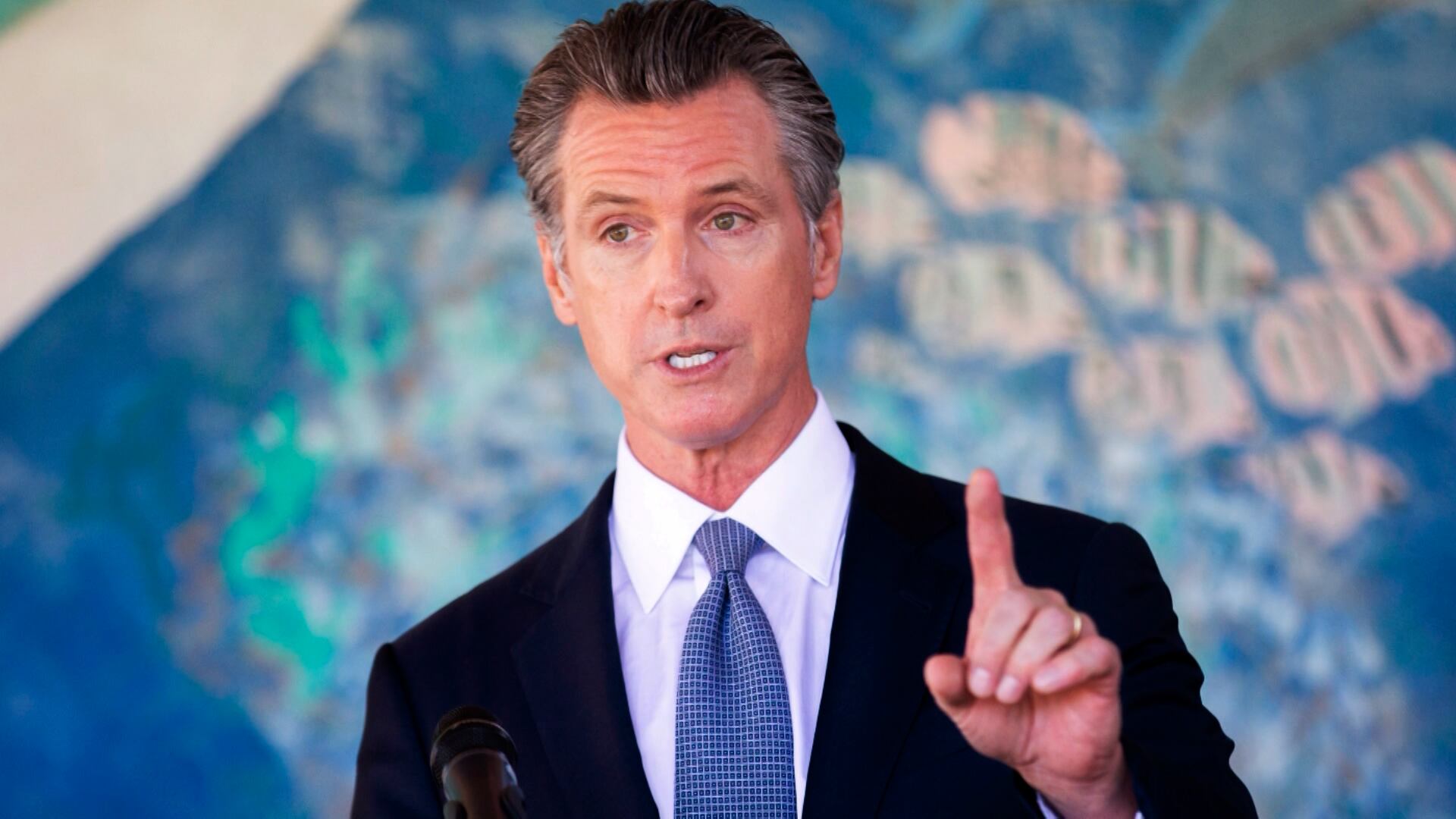
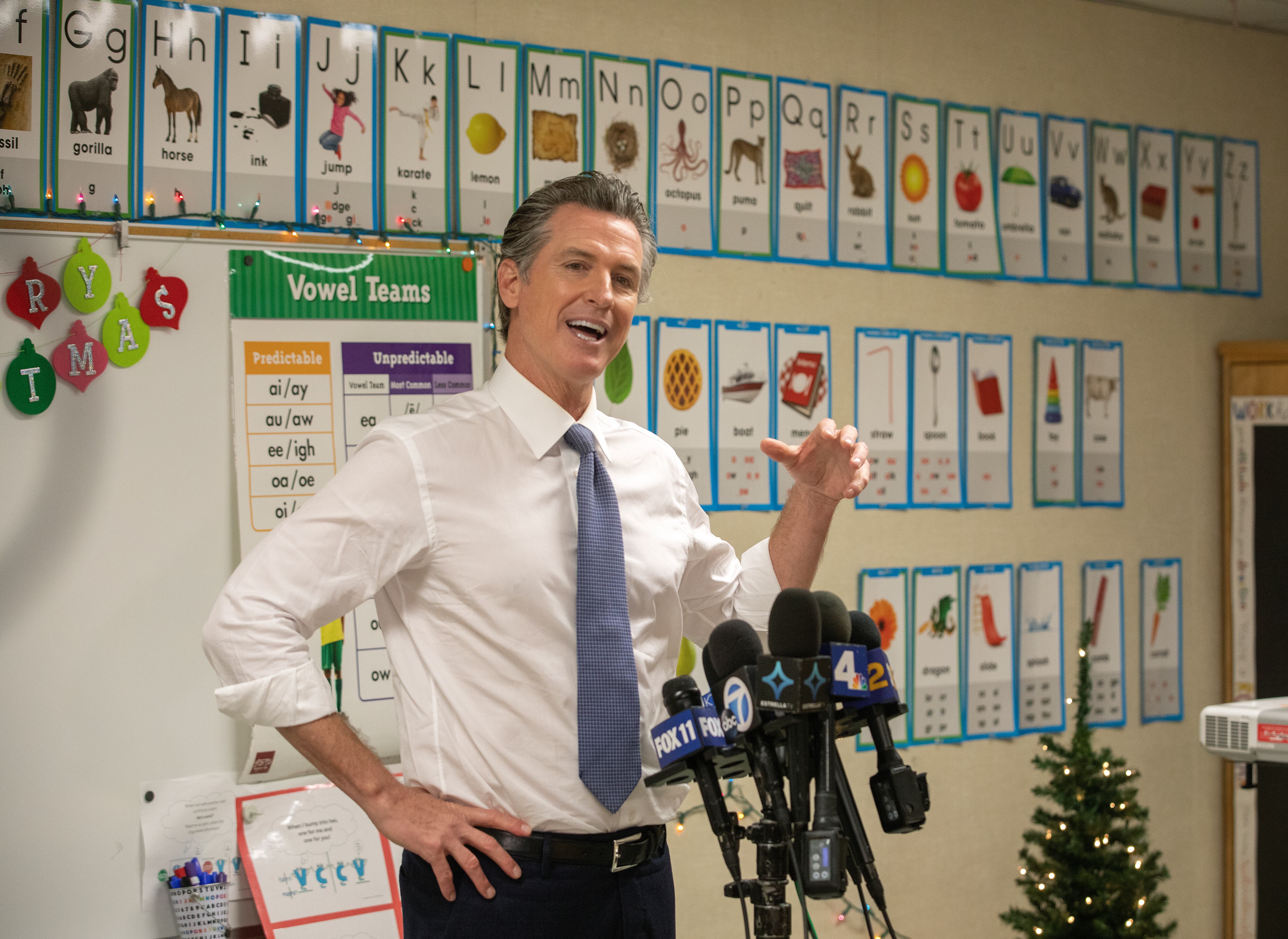
Emily Hoeven, newsletter editor at CalMatters, joins Cheddar News to discuss California Governor Gavin Newsom's gun law modeled after Texas's abortion law.
Chuck Rocha, host of 'Nuestro' podcast and opinion contributor at The New York Times, joins Cheddar News to discuss why Democrats are losing Hispanic voters.
More businesses are requiring workers to return to the office, but there is concern that many employees in the middle class, especially women and people of color, need remote work options for reasons including childcare and financial security. Joan Williams, director of the Center for WorkLife Law at the University of California, joined Cheddar to discuss why office mandates could be detrimental to the middle class. She noted that while companies claim a return to offices would help foster more collaboration and efficiency, reports show that they are successfully able to do their jobs from home.
The U.S. postal service has confirmed that it secretly developed and tested a blockchain-based mobile voting system ahead of the 2020 election. Susan Greenhalgh, senior advisor on election security, Free Speech for People, joins Cheddar News to discuss the cybersecurity complications of a mobile voting system.
The U.S. Supreme Court ruled to allow the controversial Texas abortion law to remain in effect, banning abortion at six weeks and allowing any private citizen to sue a person or doctor aiding or abetting someone seeking an abortion. Outraged at this decision, California Governor Gavin Newsom is working to draft a proposal in line with the law as it relates to guns. Shawn Hubler, California correspondent at the New York Times, joins Cheddar News to discuss.
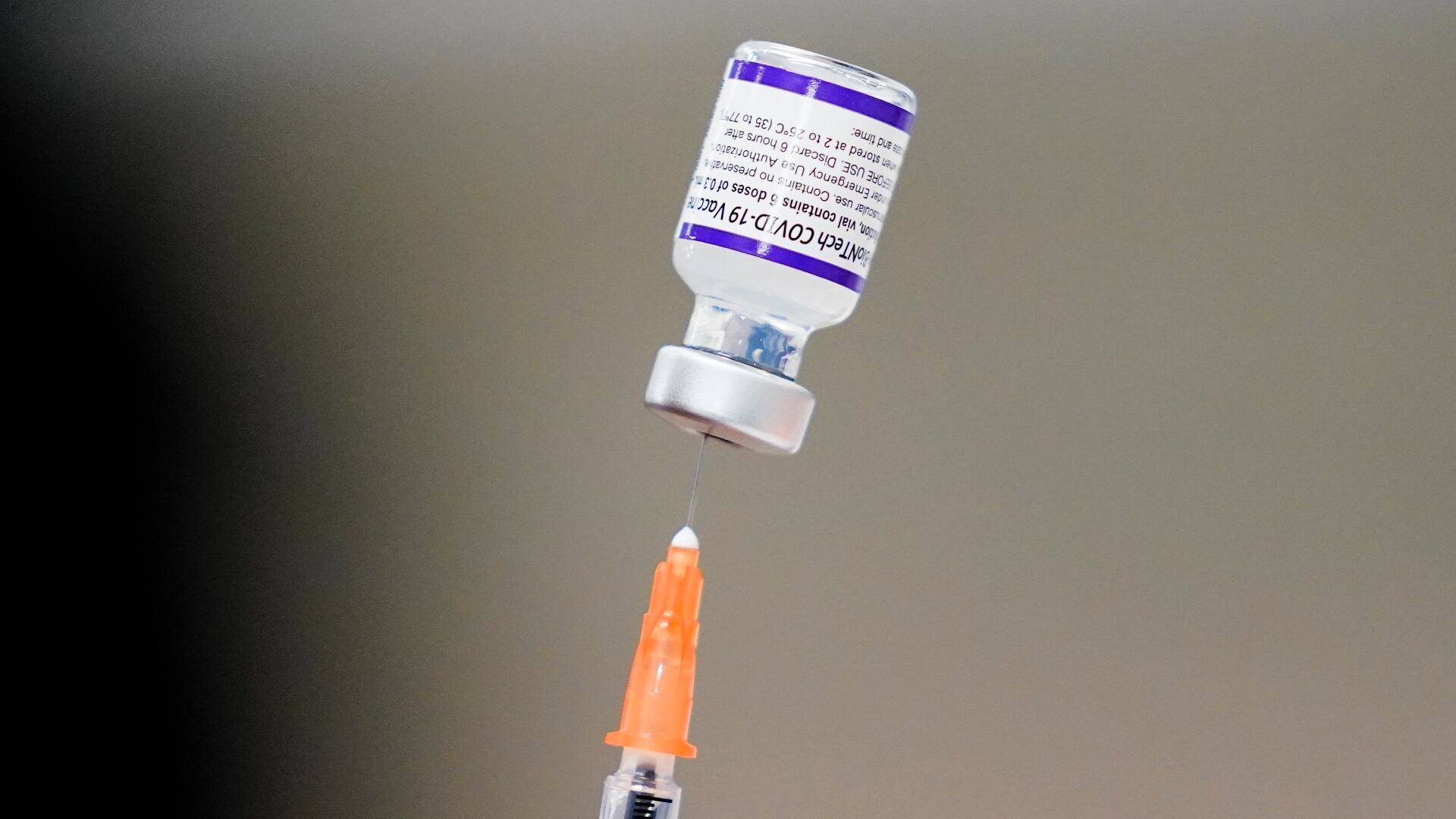
Even as tech giant Google implements a vaccination mandate, charging its employees to declare their vaccine status within a time frame or risk dismissal, the federal government is tangled up in the court system trying to impose one of its own. Cindy Cohn, the executive director of the Electronic Frontier Foundation, and Harry Nelson, founder and managing partner of Nelson Hardiman LLP, joined Cheddar to debate the ethics, efficacy, and legality surrounding the issue. While Cohn noted that she thinks the federal mandate might be legally sound, her organization is also concerned with a separate question of privacy. "At EFF what we're most interested in is the digital surveillance that's going along with some of these attempts to try to track and confirm whether people are vaccinated or not," she said.