Jared Kushner Is a "Dead Man Walking" In The White House
Hope Hicks won’t likely be the last one out the door of this White House. And according to political consultant Rick Wilson, President Trump’s son-in-law and senior advisor Jared Kushner will be next.
“I don’t think there’s a tenable path for Jared Kushner to stay in the White House. That’s just because he’s under multiple investigations from state and federal law enforcement and regulatory agencies,” said Wilson.
“I think he’s pretty much a dead man walking at this point.”
Wilson pointed to rumors the President wants Chief of Staff John Kelly to get rid of both Kushner and Ivanka Trump.
Kushner at one point had clearance for classified information and unfettered access to the President. In the past few weeks, though, he had his security privileges stripped, and now it seems as though he has one foot out the door.
Speculation is also swirling about the exit of Gary Cohn, Trump’s top economic adviser. The former Goldman Sachs COO voiced strong opposition to the President’s proposed steel and aluminium tariffs.
But Wilson thinks Cohn might stick it out for a little longer. According to one of Wilson’s sources, Cohn “wants to help do a banking deal with the Senate.” Wilson didn’t have further details about the deal.
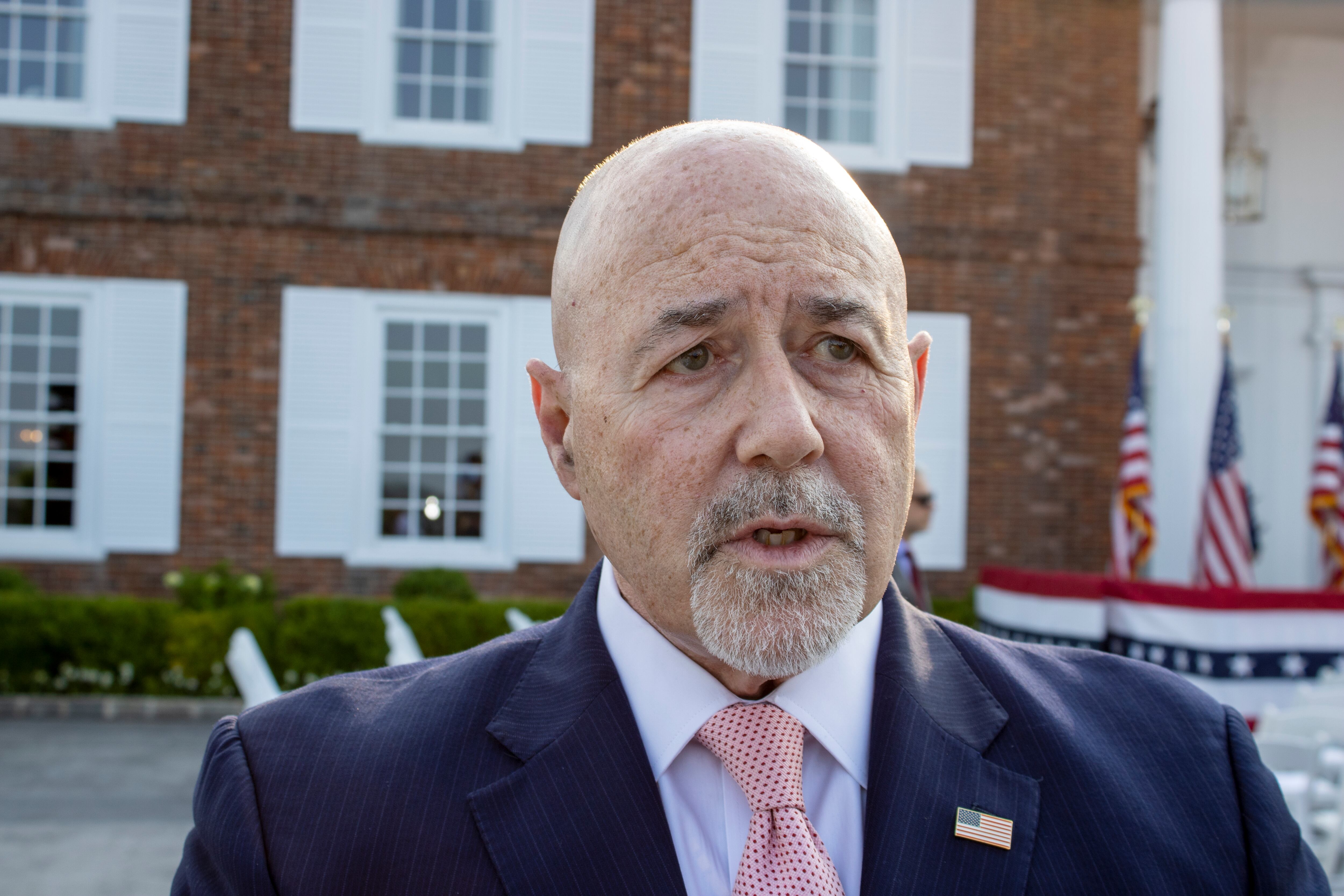
The lawyer for former NYPD commissioner Bernard Kerik turned over thousands of pages and documents to a special counsel as part of an investigation into Kerik's alleged involvement to overturn the results of the 2020 election.
Israel’s parliament on Monday approved the first major law in Prime Minister Benjamin Netanyahu’s contentious plan to overhaul the country’s justice system, triggering a new burst of mass protests and drawing accusations that he was pushing the country toward authoritarian rule.
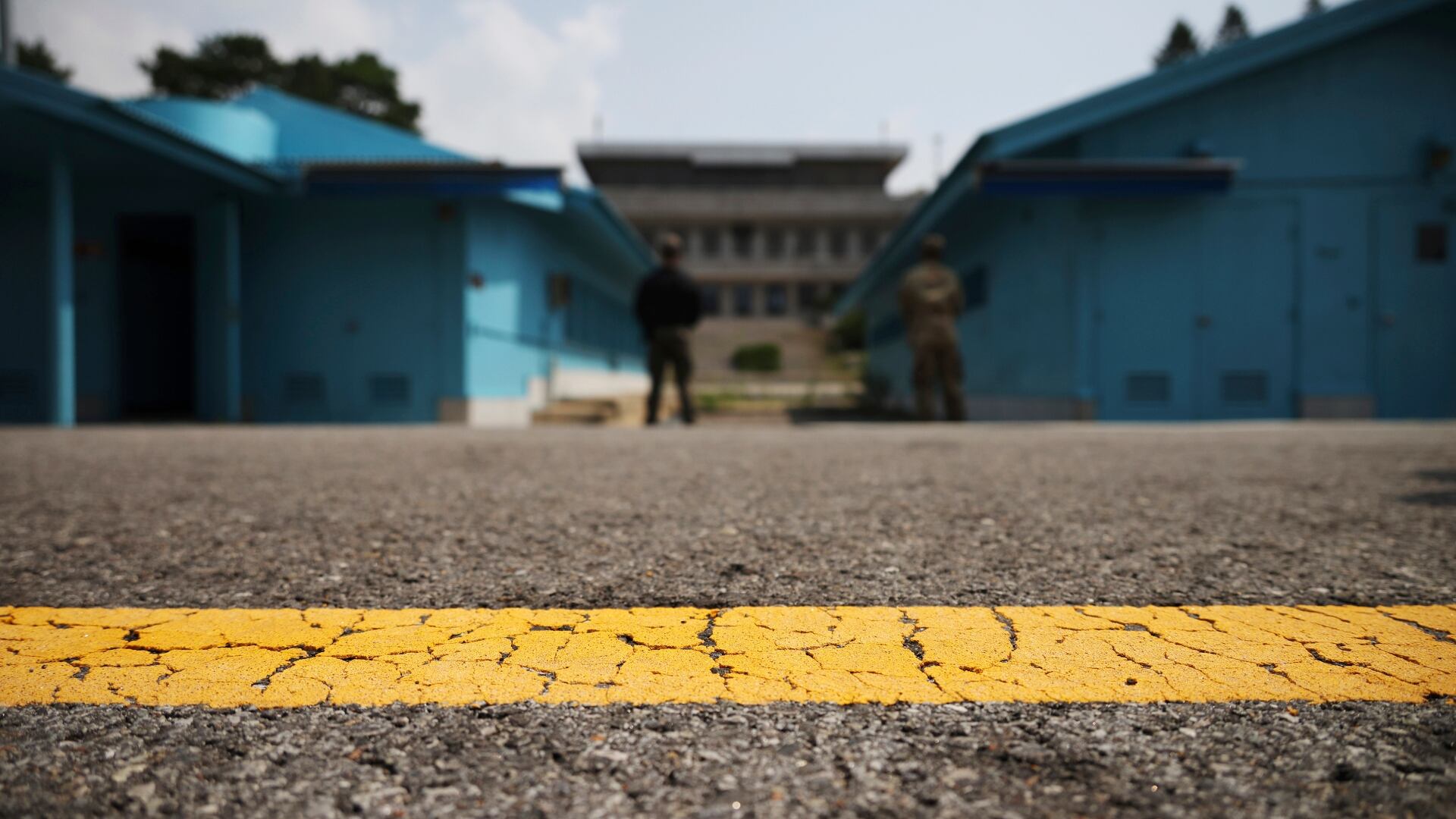
North Korea fired two short-range ballistic missiles into its eastern sea, South Korea’s military said Tuesday, adding to a recent streak in weapons testing that is apparently in protest of the U.S. sending major naval assets to South Korea in a show of force.
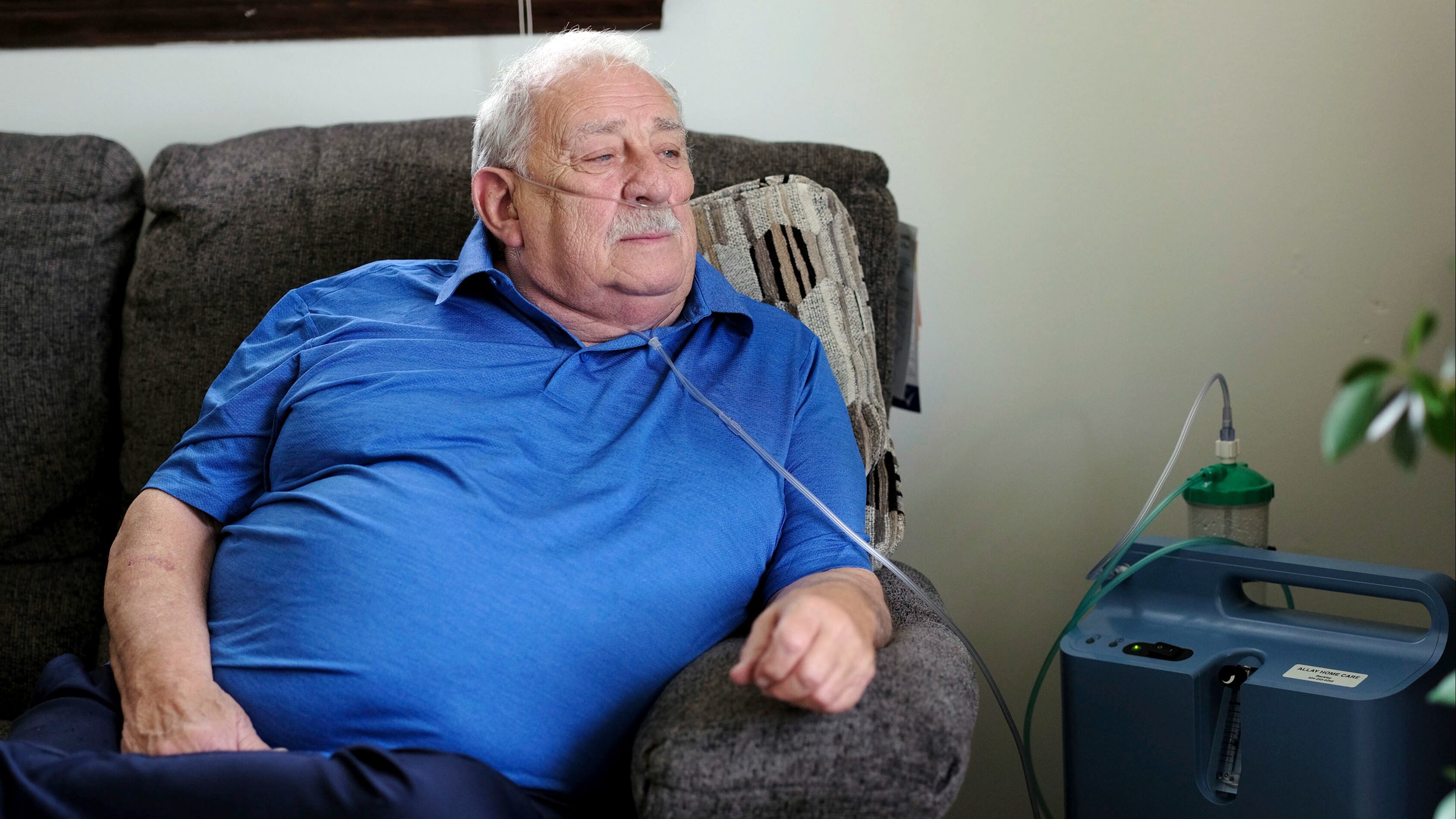
Now the federal Mine Safety and Health Administration has proposed a rule that would cut the current limit for silica exposure by half — a major victory for safety advocates. But there is skepticism and concern about the government following through after years of broken promises and delays.
A state trooper's account of officers denying migrants water in 100-degree Fahrenheit (37.7 Celsius) temperatures and razor wire leaving asylum-seekers bloodied has prompted renewed criticism.