Jacob Chansley, the spear-carrying Jan. 6 rioter whose horned fur hat, bare chest and face paint made him one of the more recognizable figures in the assault on the Capitol, was sentenced Wednesday to 41 months in prison.
Chansley, who pleaded guilty to a felony charge of obstructing an official proceeding, was among the first rioters to enter the building. He has acknowledged using a bullhorn to rile up the mob, offering thanks in a prayer while in the Senate for having the chance to get rid of traitors and scratching out a threatening note to Vice President Mike Pence saying, “It’s Only A Matter of Time. Justice Is Coming!"
Though he isn’t accused of violence, prosecutors say Chansley, of Arizona, was the “public face of the Capitol riot” who went into the attack with a weapon, ignored repeated police orders to leave the building and gloated about his actions in the days immediately after the attack.
Before he was sentenced, Chansley told U.S. District Judge Royce Lamberth it was wrong for him to enter the Capitol and that he accepts responsibility for his actions. He emphasized he wasn’t an insurrectionist and is troubled with the way he was portrayed in news stories in the aftermath of the riot.
“I have no excuse,” Chansley said. “No excuses whatsoever. My behavior is indefensible.”
The judge said Chansley’s remorse appeared to be genuine but noted the seriousness of his actions in the Capitol. “What you did was terrible,” Lamberth said. “You made yourself the center of the riot."
The image of Chansley holding a flagpole topped with a spear tip and looking as if he were howling was one of the most striking to emerge from the riot. He previously called himself the “QAnon Shaman” but has since repudiated the QAnon movement, which is centered on the baseless belief that former President Donald Trump was fighting a cabal of Satan-worshipping, child sex trafficking cannibals.
He is among 650 people charged in the riot that forced lawmakers into hiding as they were meeting to certify President Joe Biden’s Electoral College victory. More than 120 defendants have pleaded guilty, mostly to misdemeanor charges of demonstrating in the Capitol that carry a maximum of six months in prison.
Chansley and Scott Fairlamb, a New Jersey gym owner sentenced last week for punching a police officer during the attack, have received the longest prison sentences out of the 38 Capitol riot defendants who been punished so far.
Chansley, who has been in jail for 10 months, sought to be sentenced to time served. His lawyer, Albert Watkins, said his client has longstanding mental health problems that were worsened by being held in solitary confinement due to COVID-19 protocols and is in dire need of mental health treatment.
In the year before the Capitol riot, Chansley appeared in costume at pro-Trump events, protests over face mask requirements and at a gathering of Trump supporters in November 2020 outside an election office in downtown Phoenix where votes from the presidential race were being counted.
His attorney has said Chansley was “horrendously smitten” by Trump and believed like other rioters that Trump had called him to the Capitol, but later felt betrayed after Trump refused to grant him and others who participated in the insurrection a pardon.
Watkins has said Chansley had been under pressure from family members not to plead guilty because they believed Trump would be reinstated as president and pardon him.
After spending his first month in jail, Chansley said he re-evaluated his life, felt regret for having stormed the building and apologized for causing fear in others.
He twice quit eating while in jail and lost 20 pounds (9 kilograms) until he was given organic food.
The judge had previously rejected Chansley’s claims that the six-foot flagpole he carried during he riot wasn’t a weapon and that the metal spear tip was an ornament, saying the sharpened six-inch point could have been used to stab people from a distance. _____
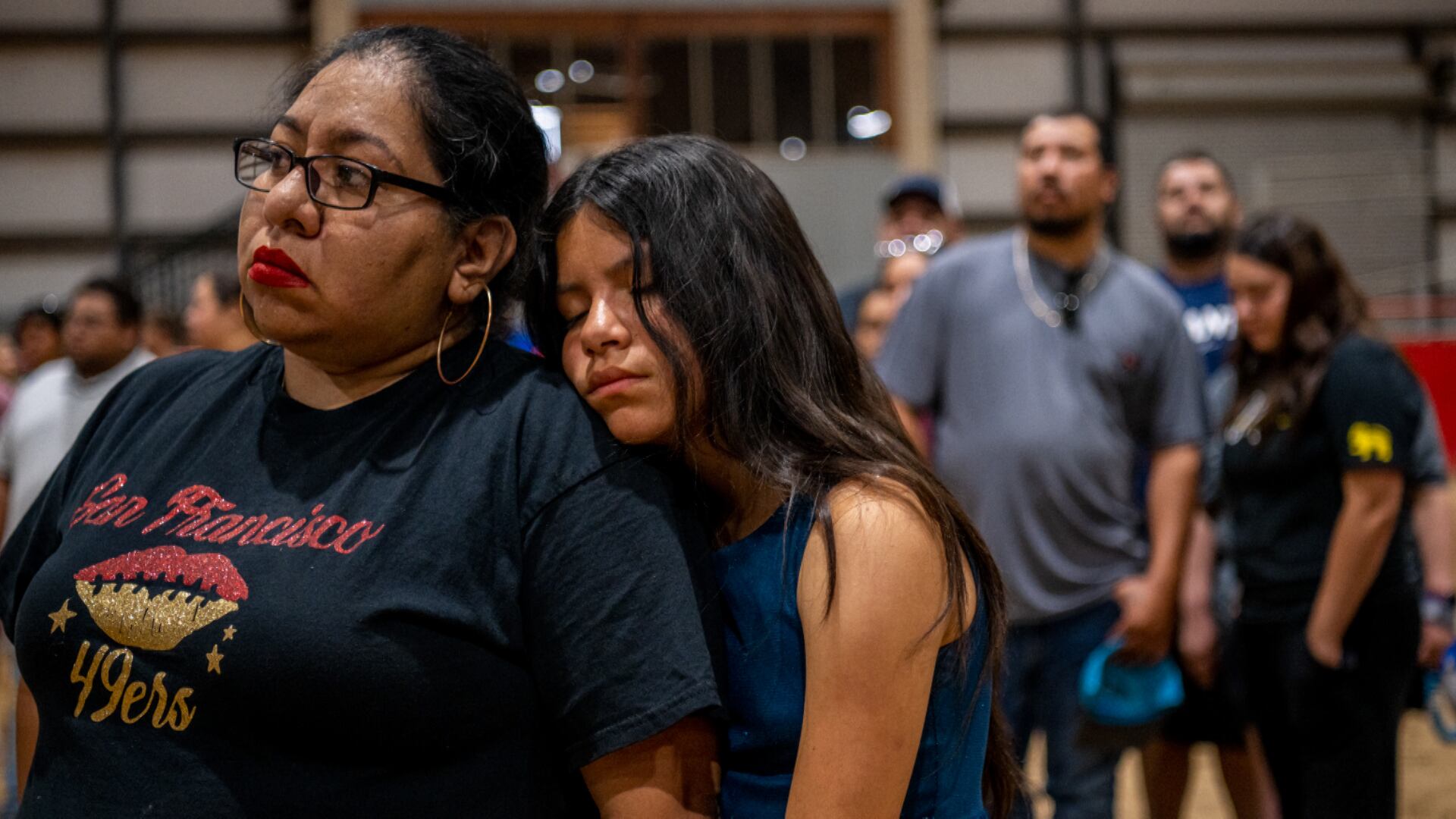
The school shooting in Texas that left 19 children and 2 teachers dead has reignited the debate over gun control.
The tragedy in Uvalde is the deadliest school shooting in nearly a decade and marks the latest in a string of mass shootings in the country. Jared Moskowitz, Broward County Commissioner and candidate for Congress in FL-23, joined Cheddar's Opening Bell to discuss why gun control measures are stalled in the Senate, and where legislation can move forward from here.
Police and detectives are still investigating the tragic school shooting in Uvalde, Texas that killed 19 children and two adults. Cheddar News was joined by Kirk Burkhalter, professor at New York Law School and former NYPD detective to gain some insight on what investigators are looking for and what comes next.
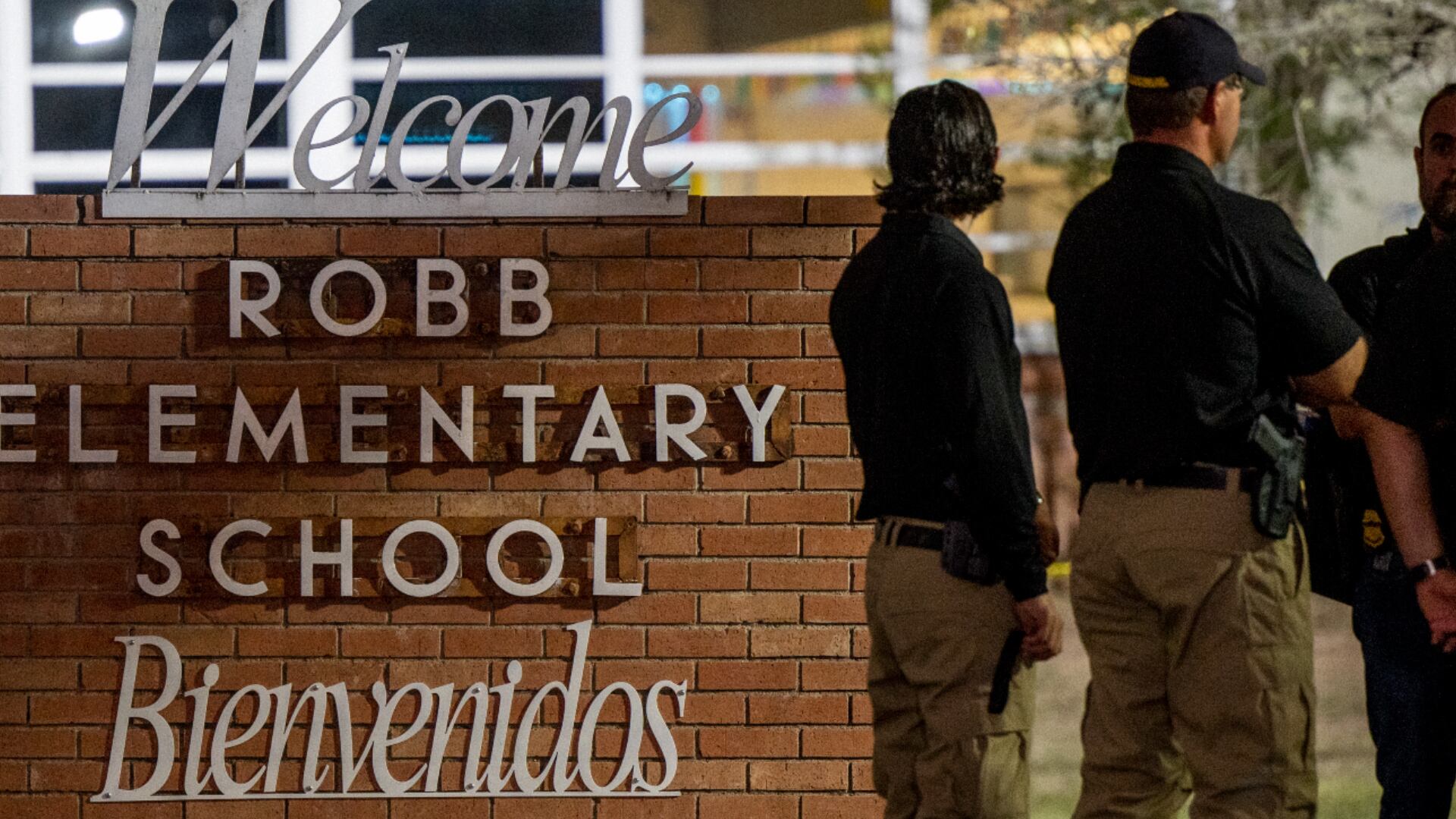
Texas authorities say the gunman who massacred 21 people at an elementary school was in the building for over an hour before he was killed by law enforcement officers.
Join Cheddar News as we break down the top headlines for Thursday, May 26 including updates on the Texas school shooting, President Joe Biden's executive order on police reform, and a recount in the Pennsylvania GOP Senate primary.
Representative Morgan Griffith of Virginia rebuked words from the FDA commissioner that could have been construed as blaming parents for stockpiling baby formula exacerbating the shortage.
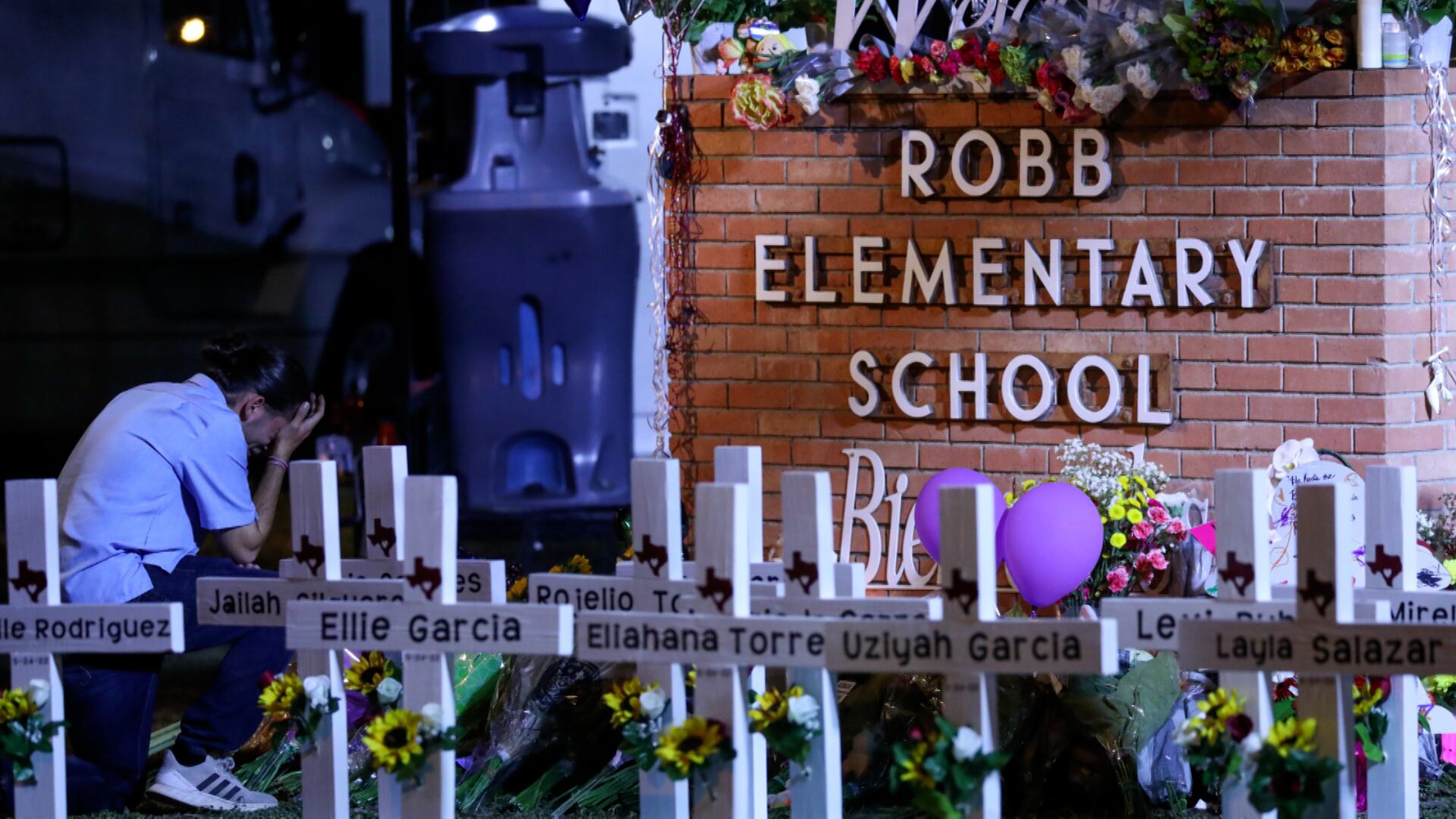
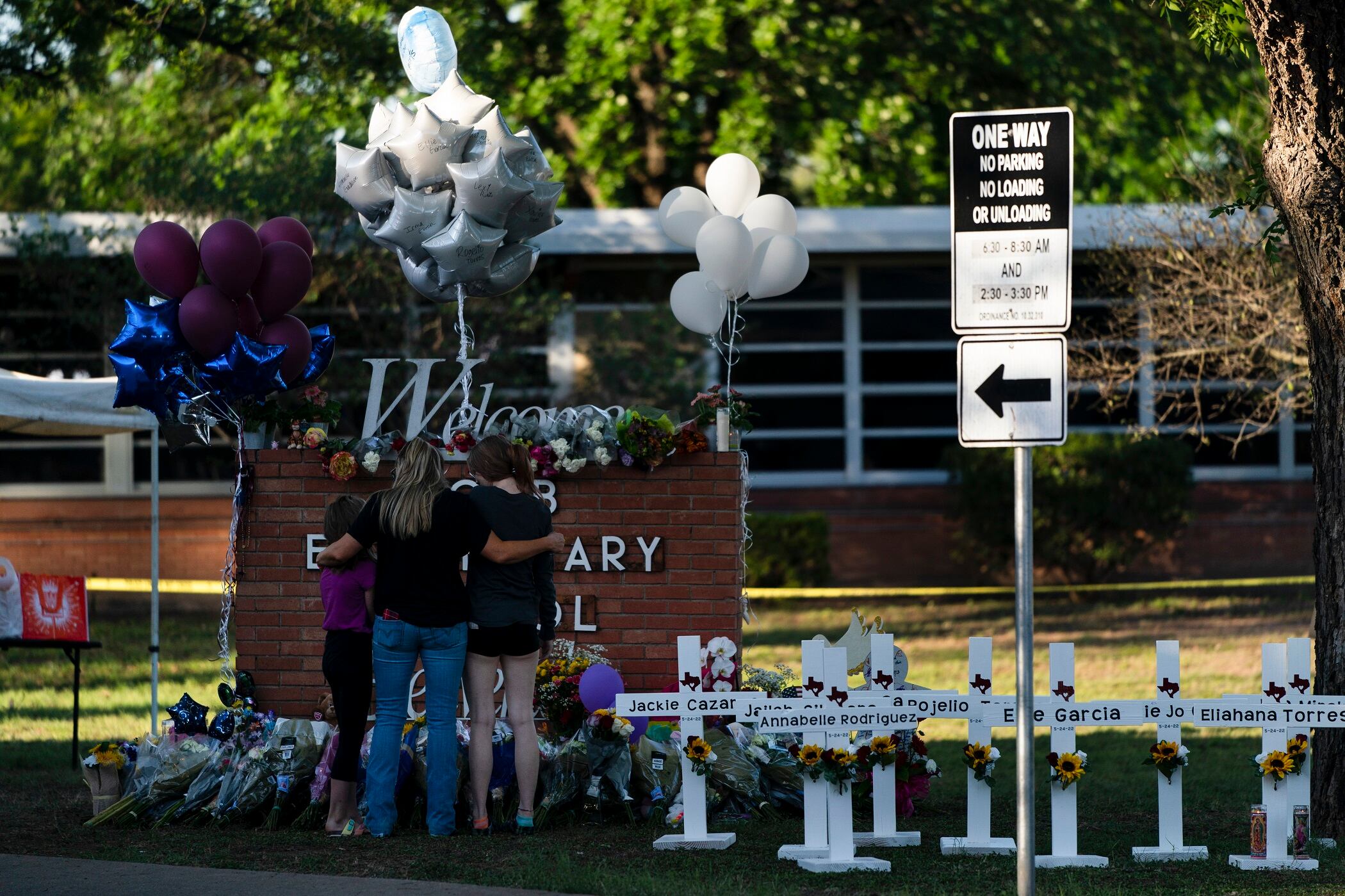
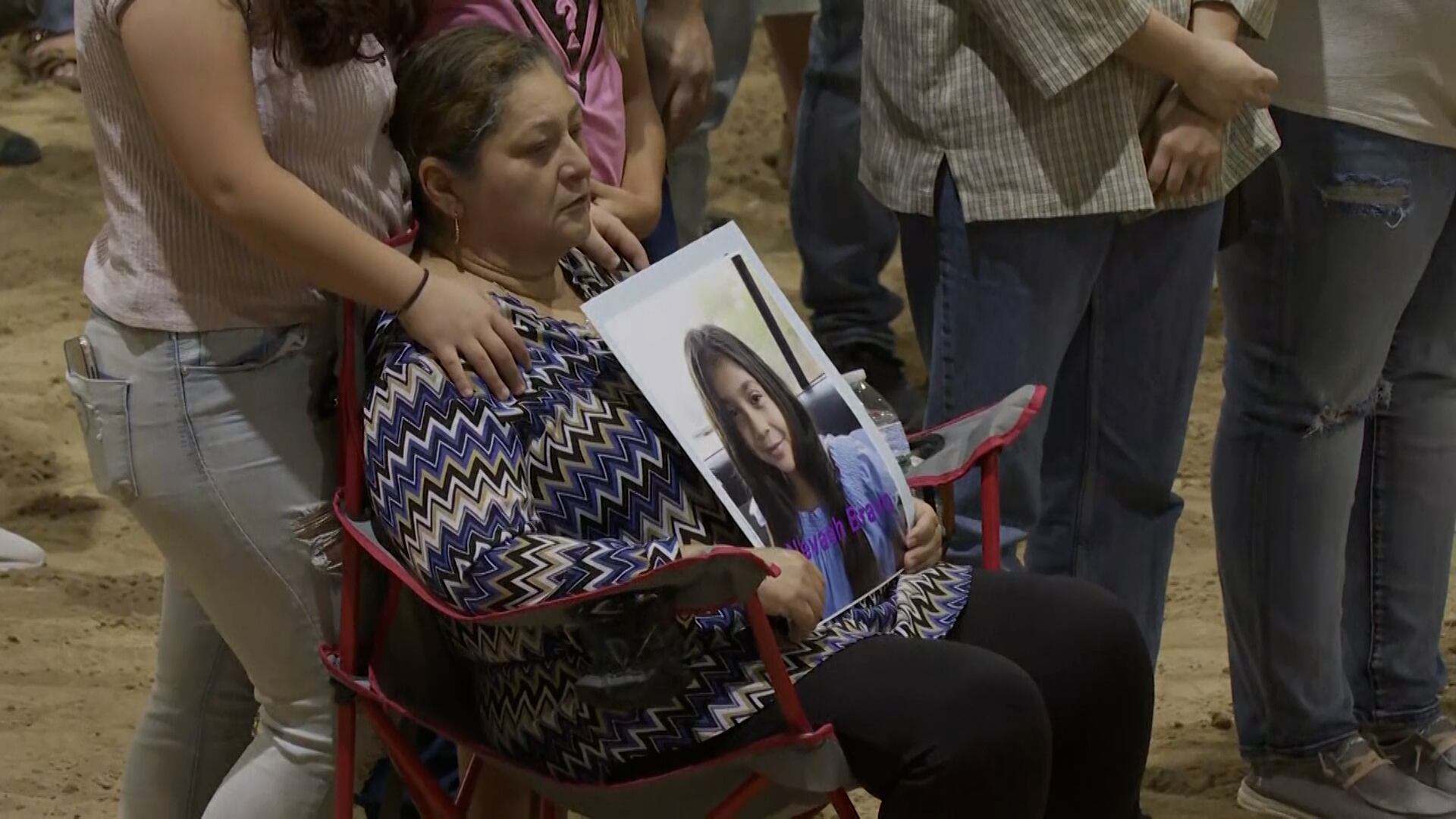
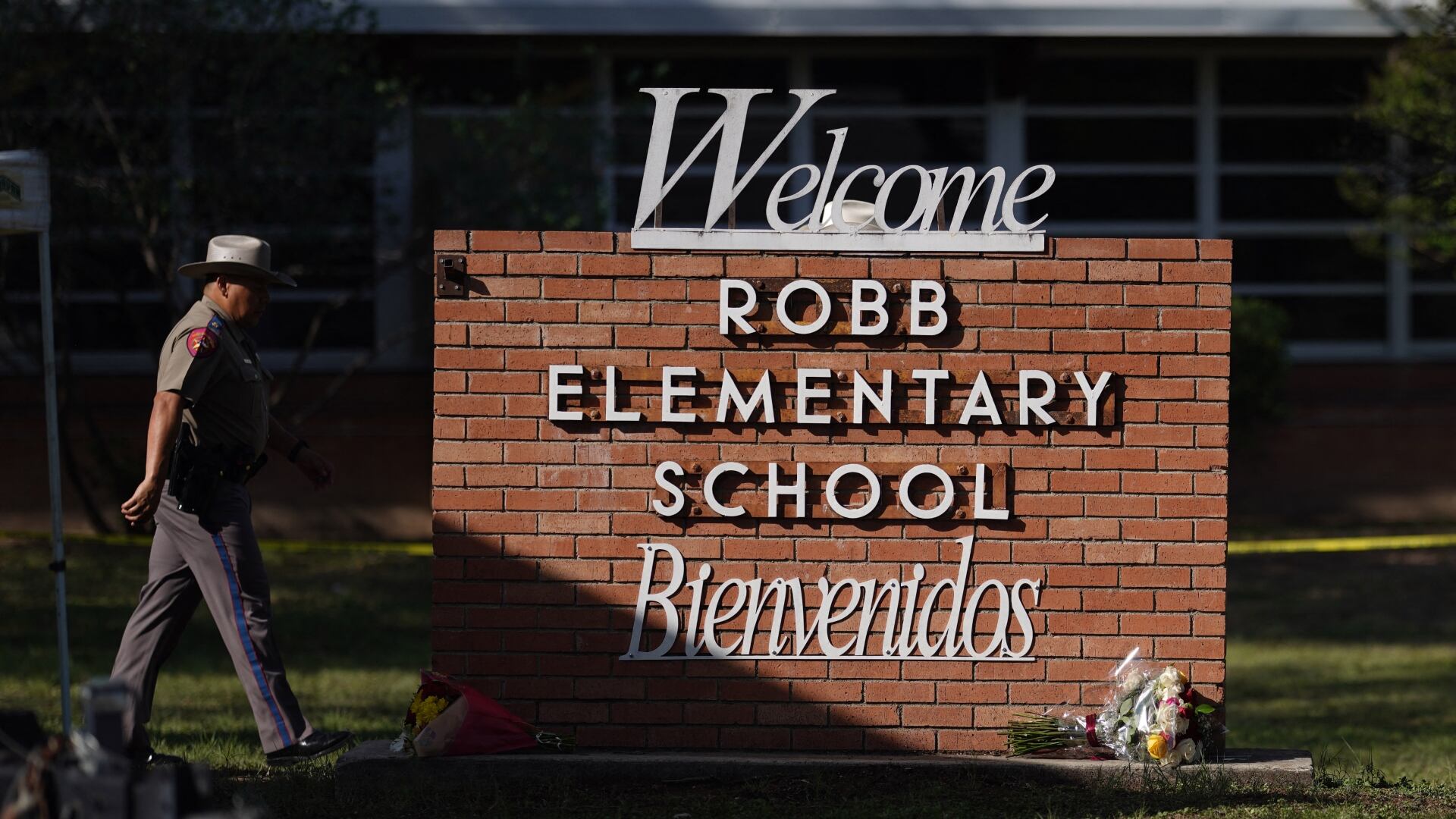
Cheddar News reporter Megan Pratz brings the latest from the scene of yesterday's horrific school shooting at a Robb Elementary School in Uvalde, Texas. Now the second-deadliest school shooting in U.S. history with 19 children and two adults killed, Pratz goes into comments by Texas Gov. Greg Abbott, details about the deceased shooter, and reactions from members of the community.
The Robb Elementary School mass shooting killing 19 children and two adults in Uvalde, Texas pm Tuesday was the deadliest school shooting since the 2012 Sandy Hook massacre in Newtown, Connecticut, and came just 10 days after the grocery store shooting in Buffalo, New York. Nelson Vergara, the founder and CEO of 360 Protective Solutions, joined Cheddar’s Opening Bell to discuss. "Right now what law enforcement is concentrating on is trying to trace his steps as to what motivated the gunman to act the way he did. What it boils down to just trying to figure out what led to his motivation to do such a horrific act.”
An recently conducted AP-NORC poll found that majorities of the Black and Hispanic populations in the U.S. still find themselves either somewhat worried or extremely worried over the pandemic, while more than half of white Americans responded with either being not too worried or not worried at all. Dr. Chris Pernell, the chief strategic integration and health equity officer at University Hospital, joined Cheddar News to talk about how perceptions of COVID-19 differ between groups of Americans. "We’re still seeing people get infected, and because of the toll of the disproportionate impact, we have concerns among the Black and brown community about whether or not they have an increased risk of exposure because of where they work, because of the use of public transportation, because they live in homes that they may not be able to safely quarantine and or isolate in, and because they have at baseline chronic health conditions that may make coronavirus more severe in those persons," she said.
Judith Enck, a former regional administrator for the EPA and the president of Beyond Plastics, joined Cheddar News to talk about the role of plastics in the climate crisis and California's investigation of ExxonMobil and other oil companies for misleading the public on the ability to recycle plastics. "The reason why petrochemical companies like Exxon have gotten away with selling more and more plastic is that they've lied to the public and told us don't worry about all those negative upstream impacts and downstream impacts of plastics. Just be sure to recycle it. Well, guess what? Plastics largely are not recycled," Enck said.