Entrepreneur and Choose Yourself Financial Founder James Altucher has a bold prediction for Bitcoin. Altucher predicts Bitcoin could reach between $100,000 to $300,000 by the end of 2018. He explains the argument for his bullish stance on this cryptocurrency, and addresses promises he is making to his subscribers.
Altucher defended his business strategy to lure subscribers with flashy commercials. Altucher says that his investment return guarantee newsletter is a strategy to educate the masses on Bitcoin.
"I'm a big believer that people need to be educated on what Bitcoin and cryptocurrencies are, and the effect they are going to have on society," said Altucher.
Stepping up a feud with Washington over technology and security, China's government on Sunday told users of computer equipment deemed sensitive to stop buying products from the biggest U.S. memory chipmaker, Micron Technology Inc.
Stocks are moving tentatively Monday, as Wall Street waits to see whether a pivotal meeting in the afternoon will help the U.S. government avoid a potentially disastrous default on its debt.
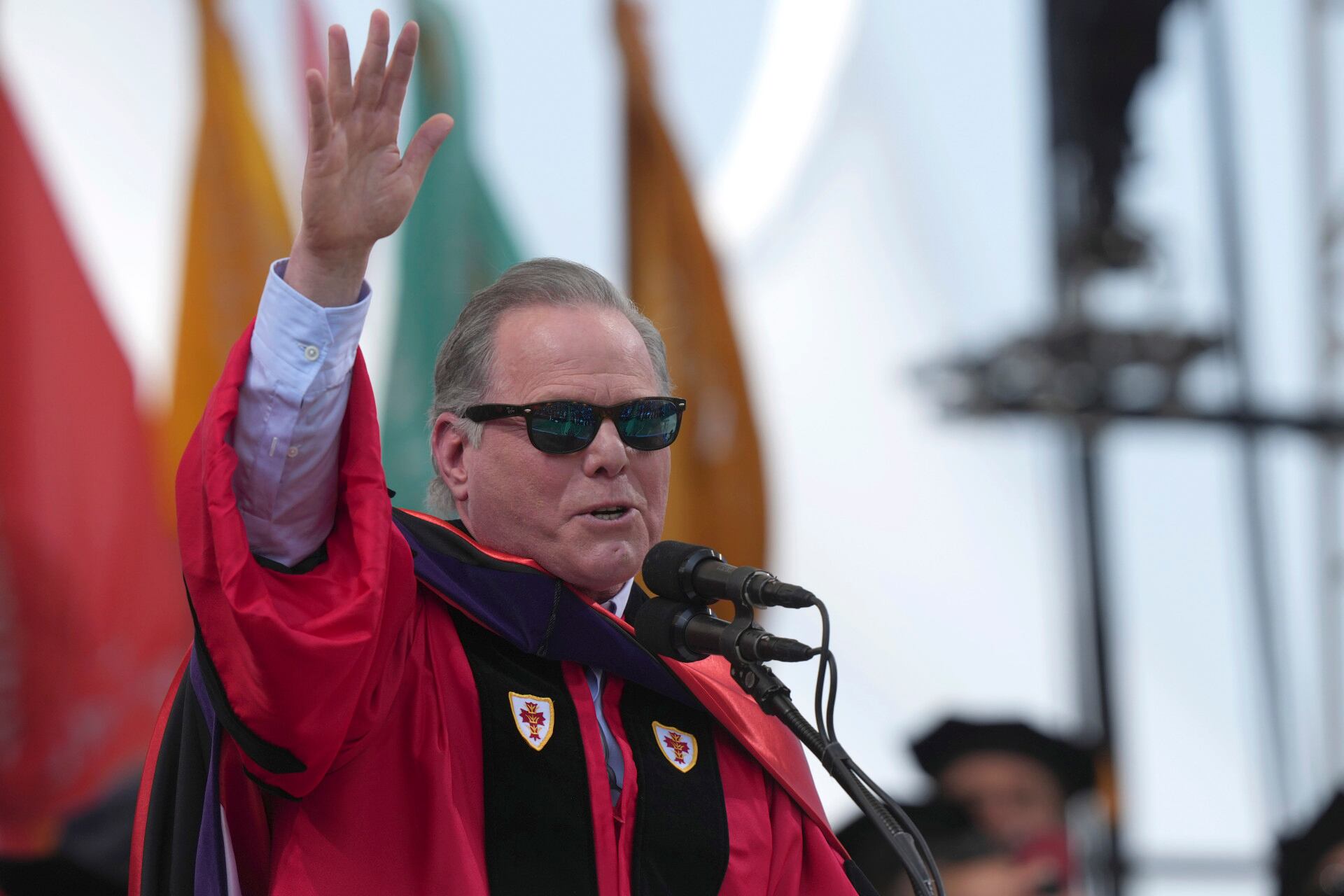
Scores of Boston University students turned their backs on the head of one of Hollywood's biggest studios, and some shouted “pay your writers,” as he gave the school's commencement address Sunday in a stadium where protesters supporting the Hollywood writers' strike picketed outside.
Gov. Ron DeSantis is asking that a federal judge be disqualified from the First Amendment lawsuit filed by Disney against the Florida governor and his appointees, claiming the jurist's prior statements in other cases have raised questions about his impartiality on the state's efforts to take over Disney World's governing body.
Ford CEO Jim Farley says the company will stop competing in over-served market segments and instead will place big bets on connected vehicles and digital services. The days of Ford being all things to all people are over, Farley said at the company's capital markets day event Monday.
The European Union slapped Meta with a record $1.3 billion privacy fine Monday and ordered it to stop transferring users personal information across the Atlantic by October, the latest salvo in a decadelong case sparked by U.S. cybersnooping fears.