iVANZi Curating the Retail and Shopping Experience
iVANZi is a curated marketplace where consumers can discover and shop for items from emerging brands and producers. The digital store recently launched a pop-up in Manhattan.
Abdul Thunayan, CEO of iVANZi, joins Cheddar to explain why the pop-up was a good idea. Thunayan details how the physical store provides an opportunity for shoppers to experience the products in a way you cannot online. It is still a tech-first store with ipads and tech-focused products, but iVANZi has seen a lot of success with the pop-up.
Thunayan also brings some of the products to set to show off the creative and unique producers iVANZi works with. From a floating cup to a water-proof shirt, iVANZi continues to innovate and diversify its inventory.
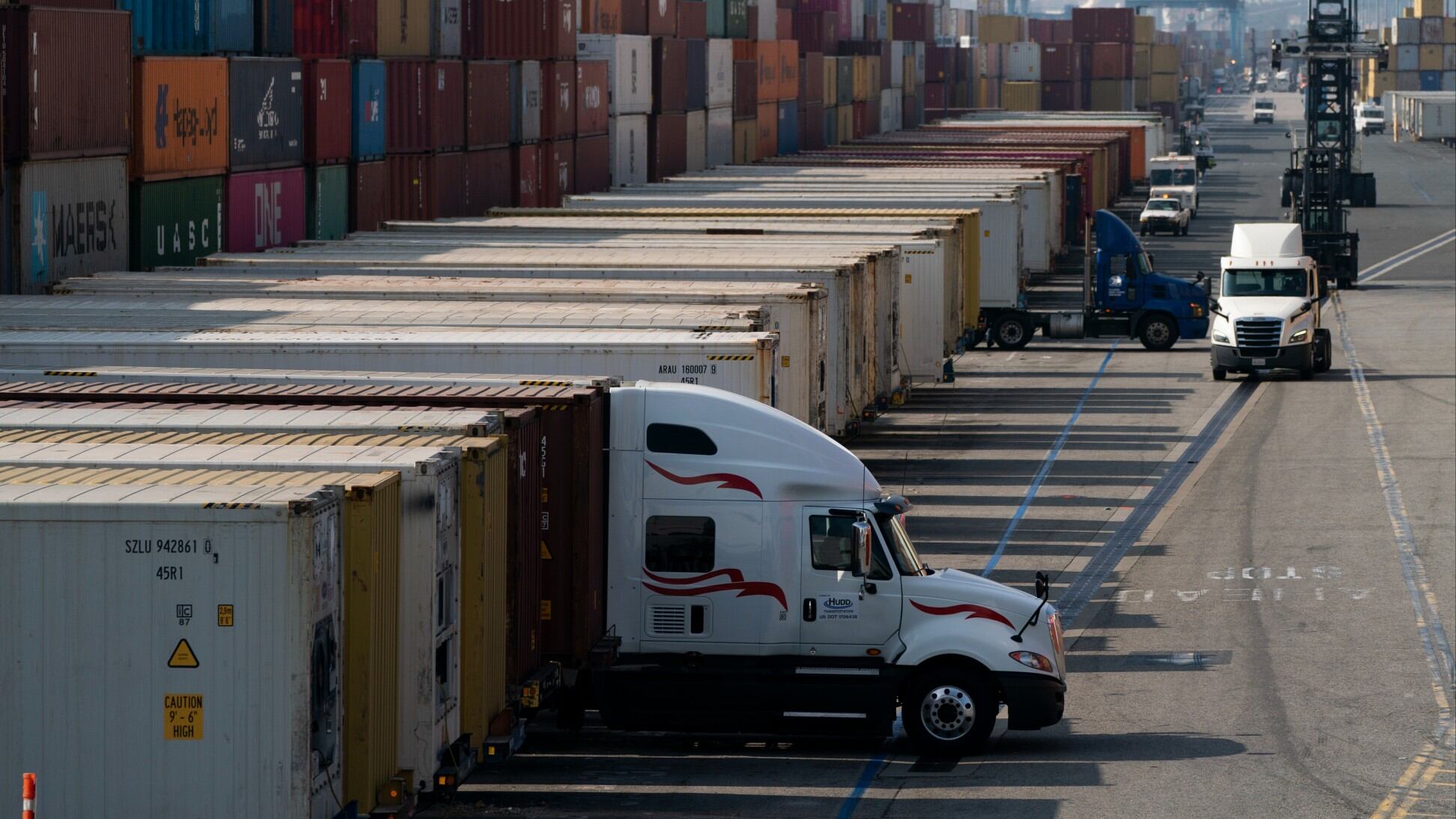
The government will require heavy trucks and buses to include automatic emergency braking equipment within five years, the federal traffic safety agency said Thursday, estimating it will prevent nearly 20,000 crashes save at least 155 lives a year.
The Food and Drug Administration on Thursday said it has sent warning letters to dozens of retailers selling fruit- and candy-flavored disposable e-cigarettes, including the current best-selling brand, Elf Bar.
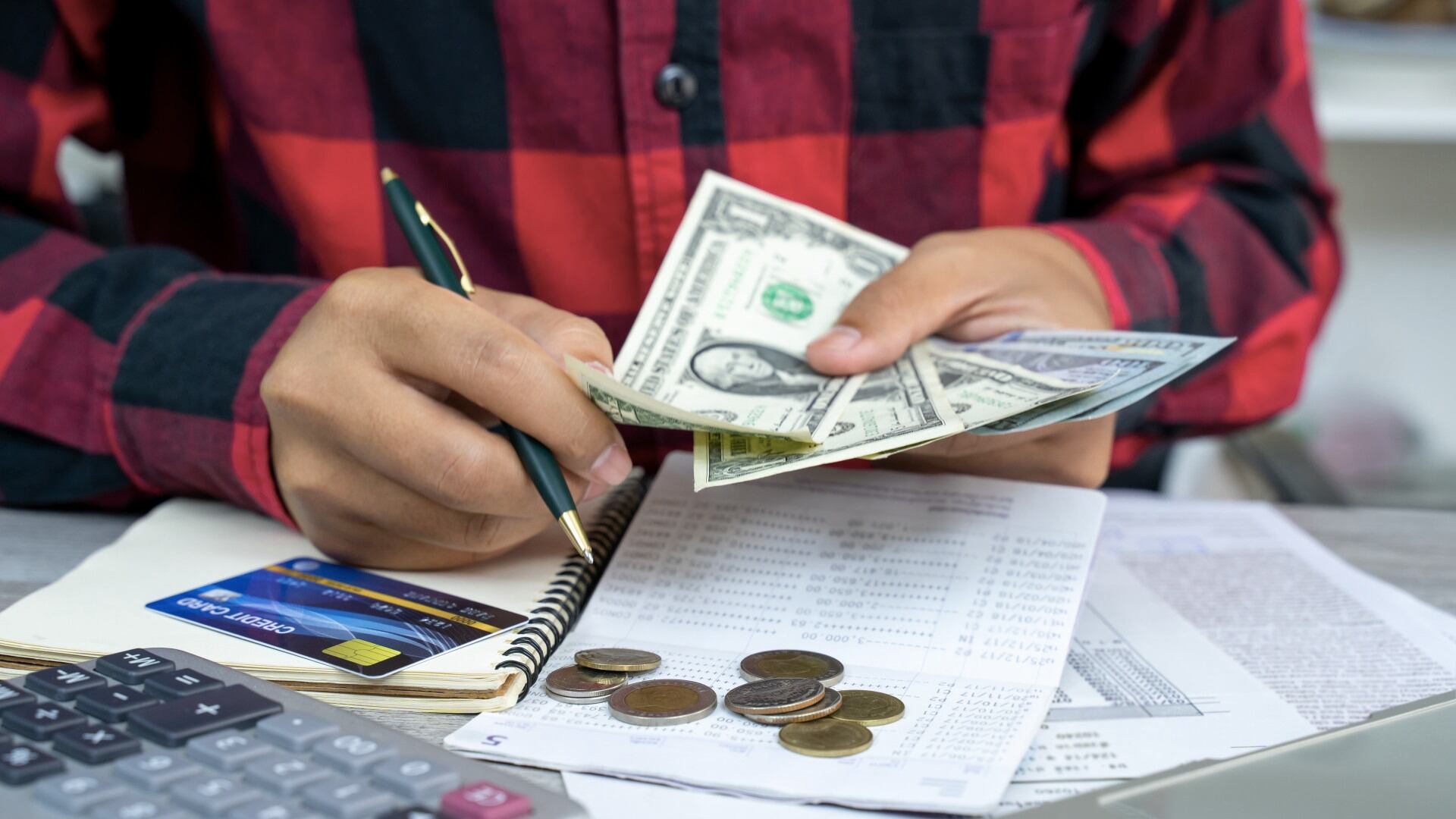
Whether your credit card has declined or if you had difficulty splitting a bill at an outing, those awkward financial moments can get the best of us. Bobbi Robell, founder of Financial Wellness Strategies and author of "Launching Financial Grownups," joined Cheddar News to provide tips on how to handle those tense situations.
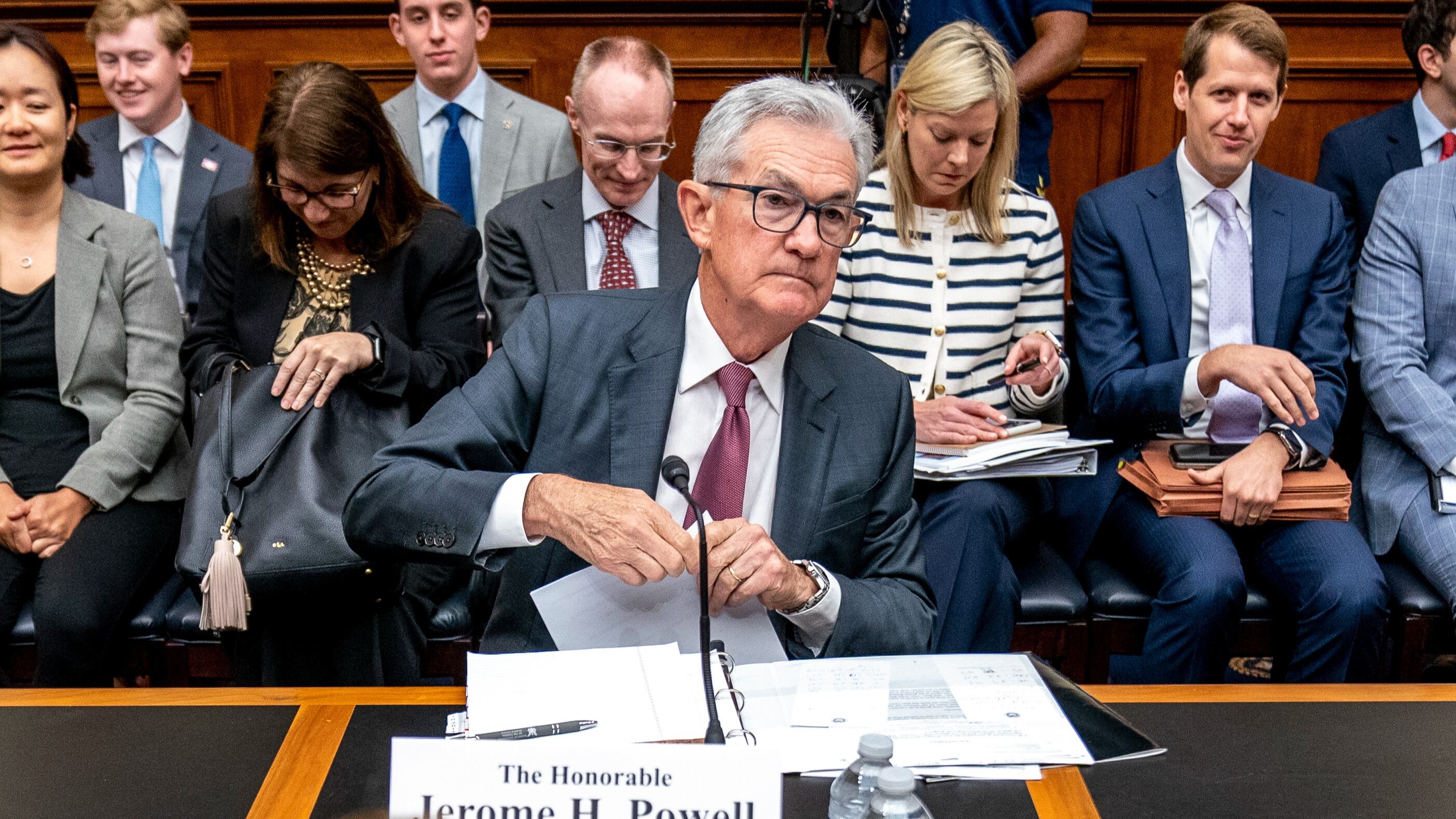
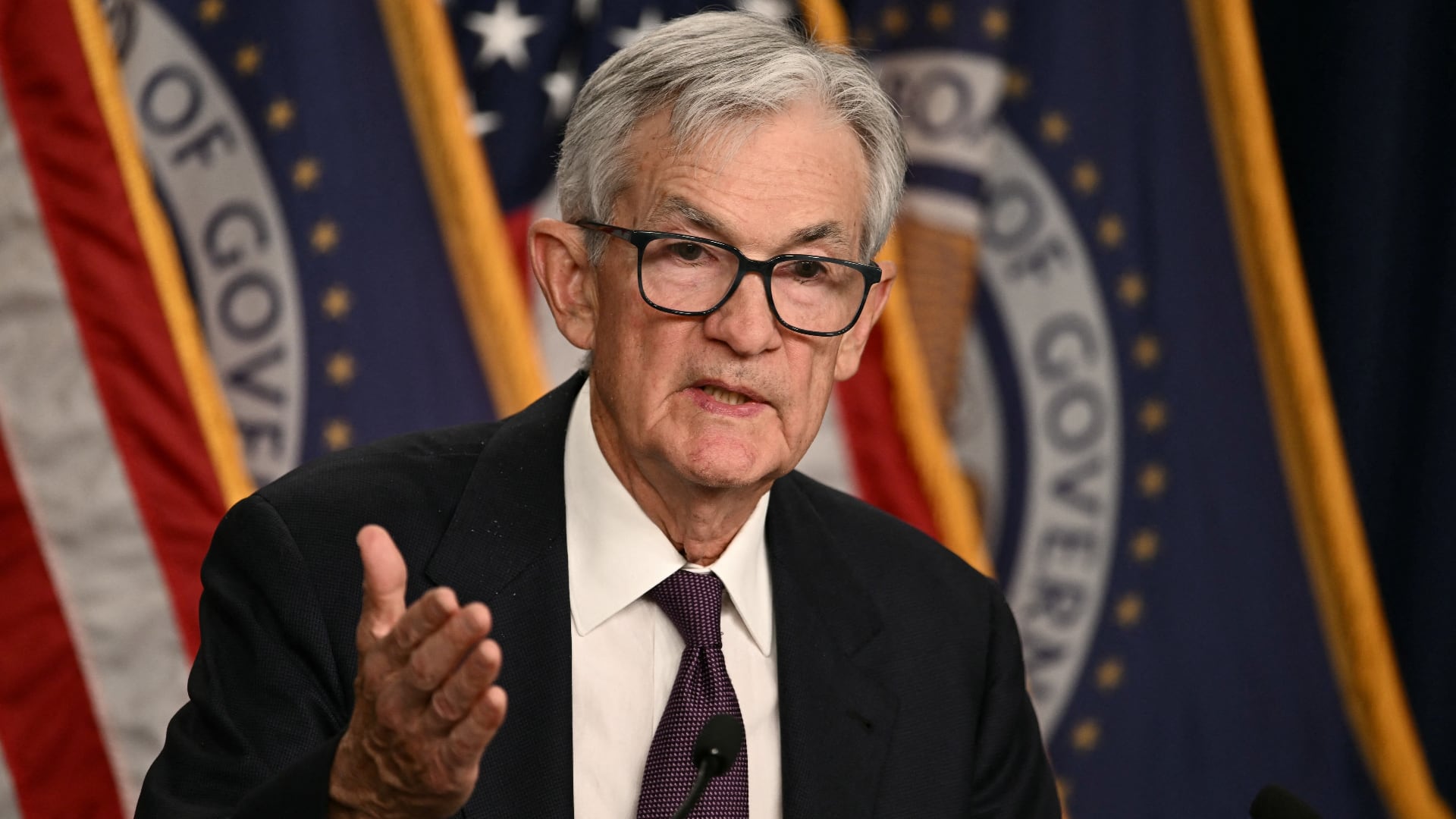
With inflation in the United States still excessive, most Federal Reserve officials expect to raise interest rates further this year, Chair Jerome Powell told a House committee Wednesday.
For the first time, U.S. regulators on Wednesday approved the sale of chicken made from animal cells, allowing two California companies to offer “lab-grown” meat to the nation's restaurant tables and eventually, supermarket shelves.
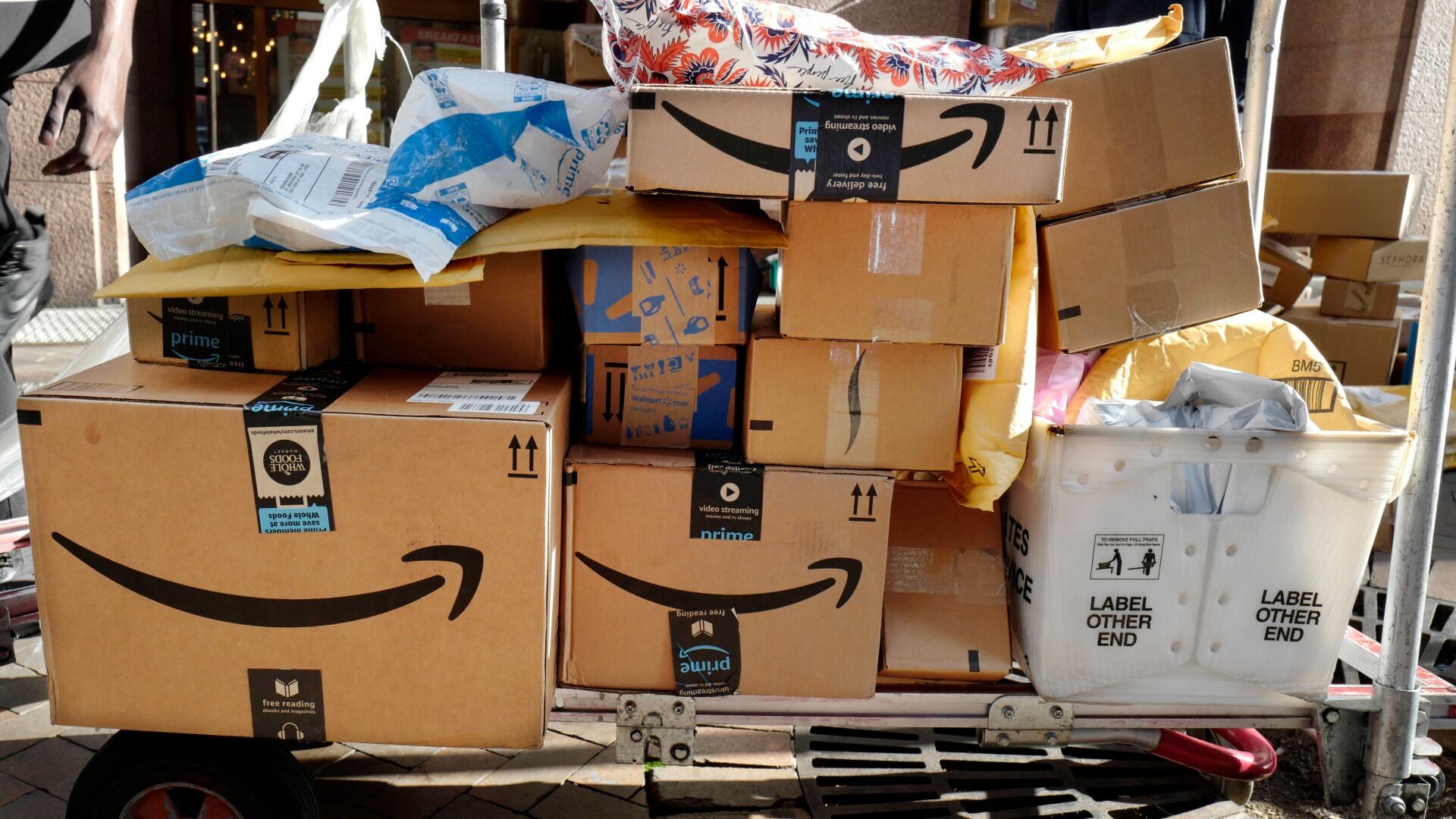
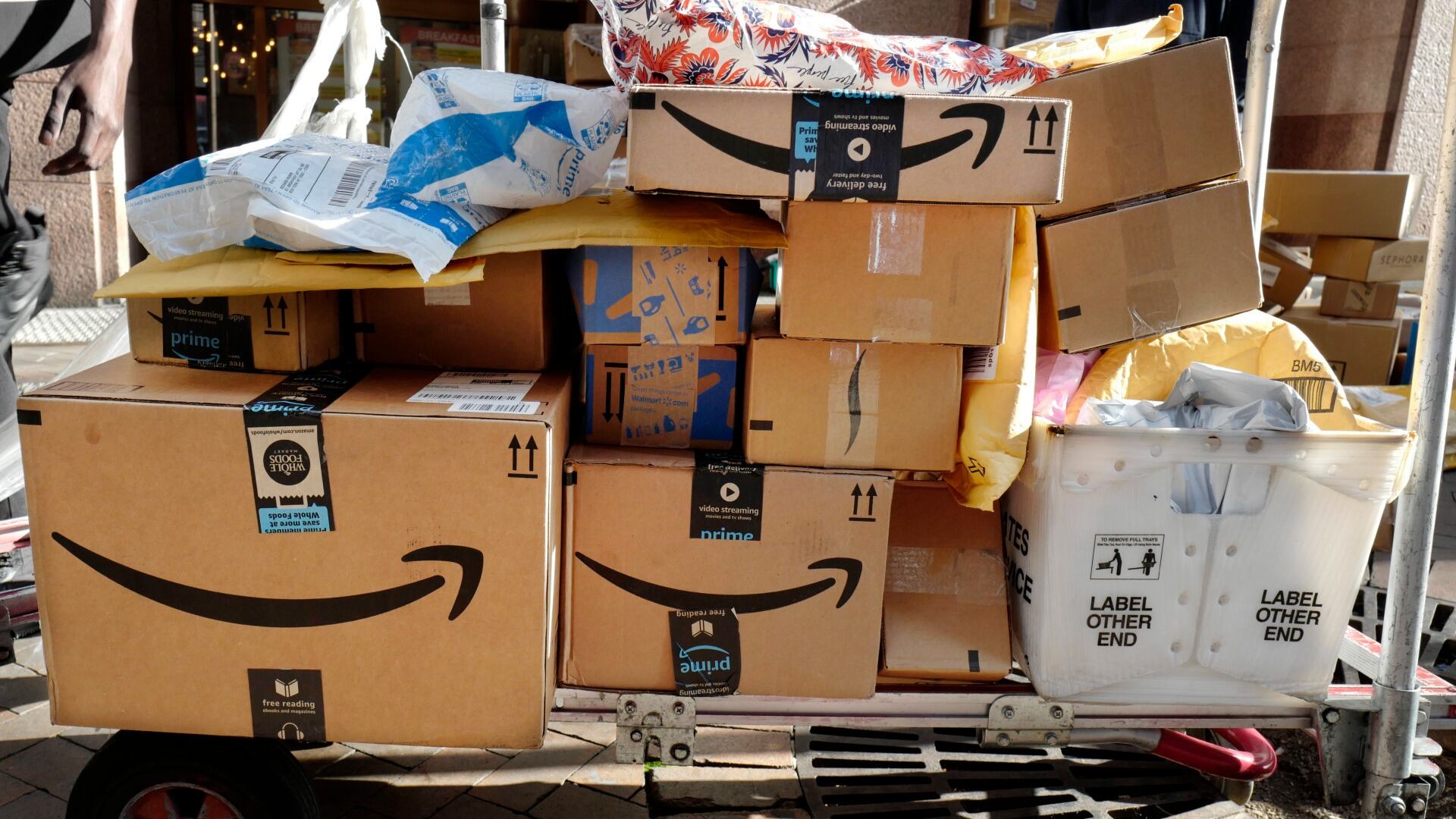
Amazon was sued Wednesday by Federal Trade Commission for what it called a years-long effort to enroll consumers without consent into its Prime program and making it difficult for them to cancel their subscriptions.