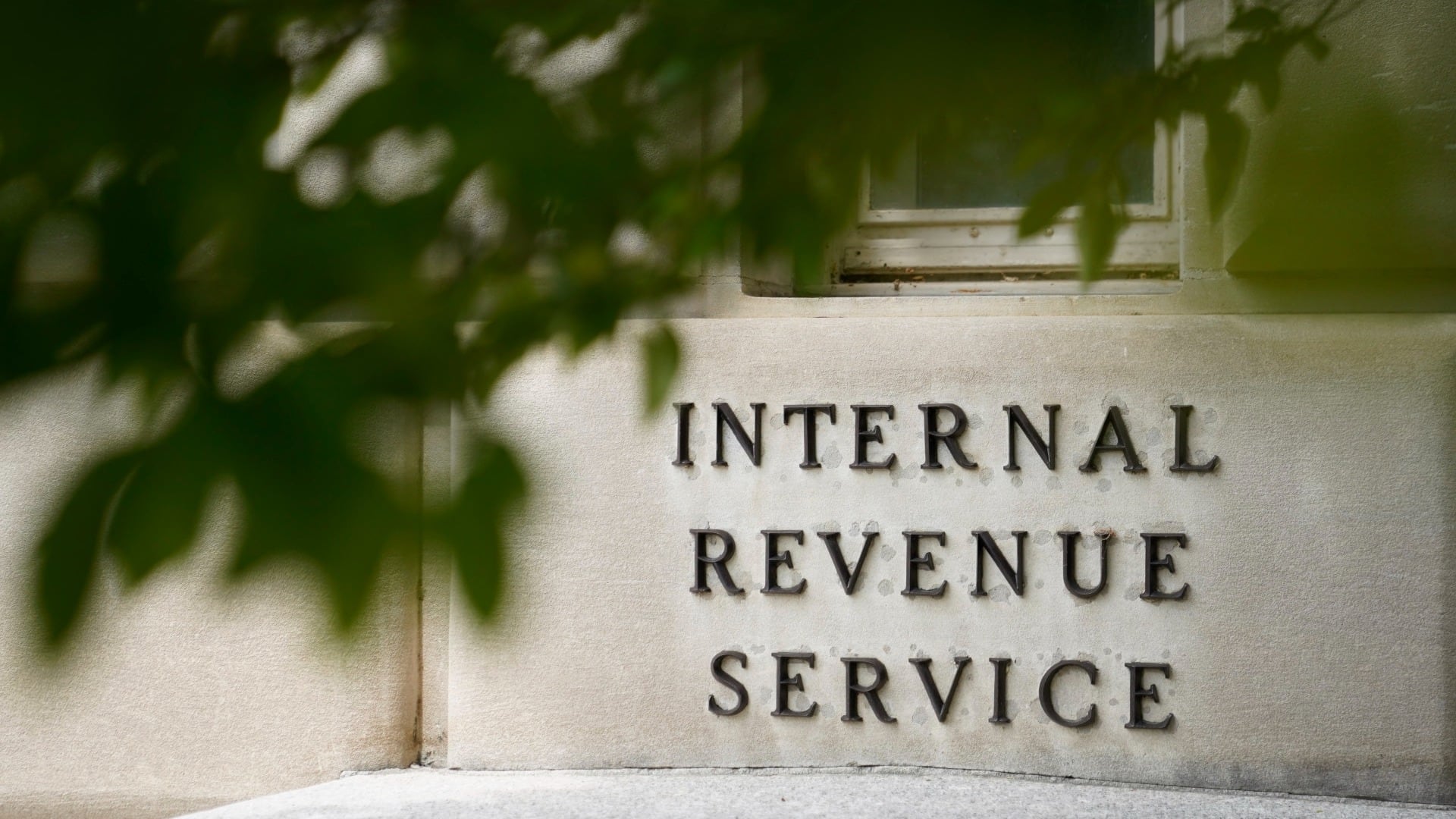
A sign is displayed outside the Internal Revenue Service building May 4, 2021, in Washington. (AP Photo/Patrick Semansky, File)
The IRS plans to go after 125,000 high-income earners who did not file tax returns going back to 2017 — and the agency says hundreds of millions of dollars of unpaid taxes are involved in these cases.
Beginning this week, the IRS will start sending out noncompliance letters to more than 25,000 people who earn more than $1 million per year and 100,000 people with incomes between $400,000 and $1 million who failed to pay their taxes between 2017 and 2021.
The campaign announced Thursday is part of the agency’s ongoing effort to pursue high wealth tax cheats — mandated in part by funding provided through Democrats’ Inflation Reduction Act passed into law in 2022 and a directive from Treasury Secretary Janet Yellen to IRS leadership not to increase audit rates on people making less than $400,000 a year annually.
“When people don’t file a tax return they’re required to, it’s not fair to those hardworking taxpayers who responsibly do their civic duty under the laws of our nation,” IRS Commissioner Daniel Werfel told reporters Thursday morning.
Lukas Alpert of MarketWatch explores how networks, brands, and ad buyers absorb the shockwaves when late‑night show hosts are suddenly cut — and brought back.
Scott Trench, host of the BiggerPockets Money Podcast, explores how recent rate cuts, high borrowing costs, and mortgage rates are reshaping U.S. real estate.
A look into how disruption, AI, and global economic trends are transforming the modern supply chain with Jeremy Jansen, Head of Supply Chain at Wells Fargo.
Delta CSO Amelia DeLuca reveals at the Fast Co. Innovation Festival how tech, sustainable aviation fuel, and smart operations are revolutionizing air travel.
Colin & Samir break down YouTube’s $100B payout to creators and explore why nearly a third of Gen Alpha want to be YouTubers — plus what that means for you.