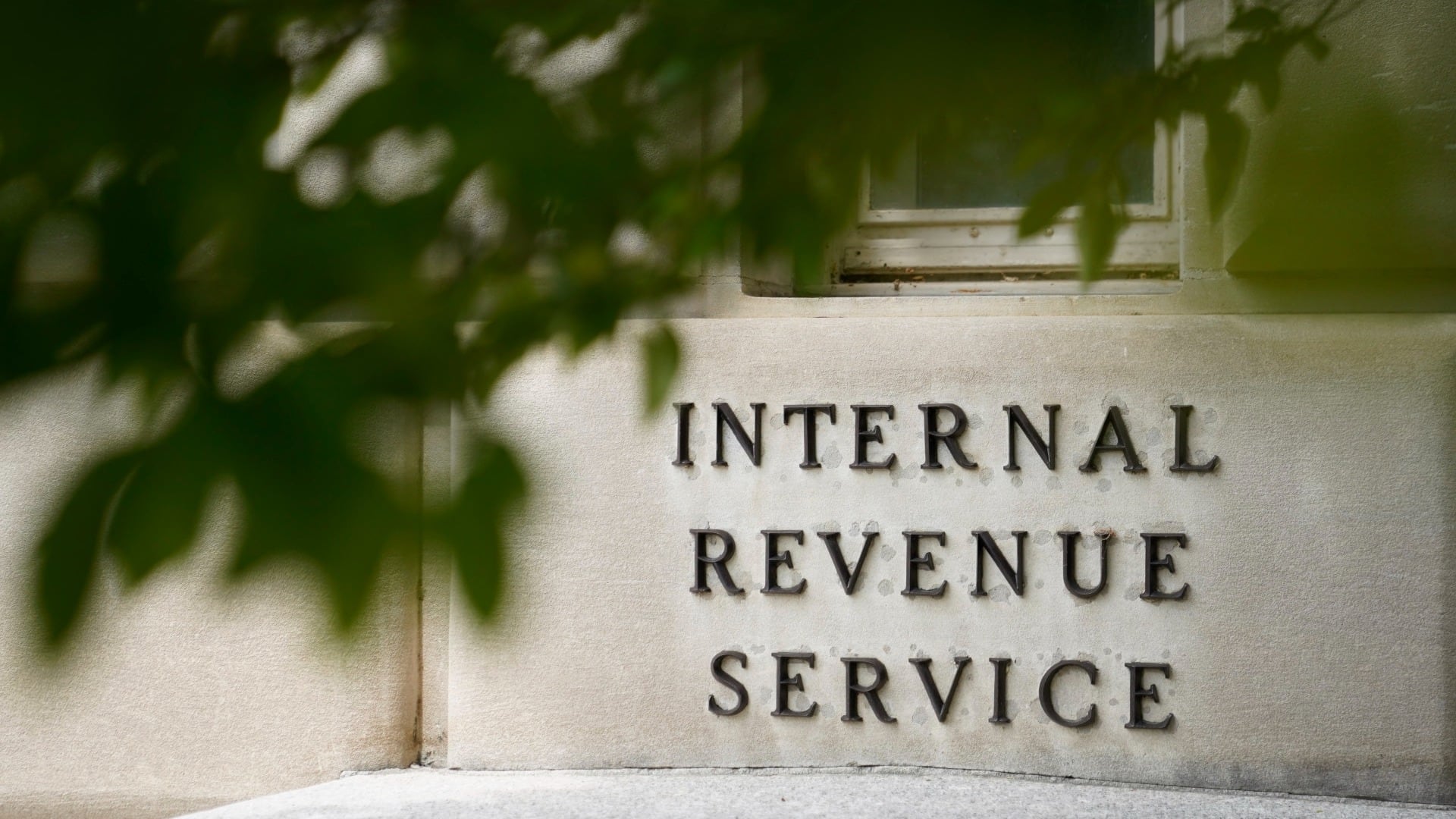
A sign is displayed outside the Internal Revenue Service building May 4, 2021, in Washington. (AP Photo/Patrick Semansky, File)
The IRS plans to go after 125,000 high-income earners who did not file tax returns going back to 2017 — and the agency says hundreds of millions of dollars of unpaid taxes are involved in these cases.
Beginning this week, the IRS will start sending out noncompliance letters to more than 25,000 people who earn more than $1 million per year and 100,000 people with incomes between $400,000 and $1 million who failed to pay their taxes between 2017 and 2021.
The campaign announced Thursday is part of the agency’s ongoing effort to pursue high wealth tax cheats — mandated in part by funding provided through Democrats’ Inflation Reduction Act passed into law in 2022 and a directive from Treasury Secretary Janet Yellen to IRS leadership not to increase audit rates on people making less than $400,000 a year annually.
“When people don’t file a tax return they’re required to, it’s not fair to those hardworking taxpayers who responsibly do their civic duty under the laws of our nation,” IRS Commissioner Daniel Werfel told reporters Thursday morning.
Movie studios are comfortable digging through comic bins for hot new intellectual property, but they are not comfortable returning the favor and sharing th
Chris Versace, CIO at Tematica Research and portfolio manager for TheStreet Pro, joins from the NYSE to break down the Fed’s latest move and Big Tech’s earnings
Sabrina Siddiqui, National Politics Reporter at The Wall Street Journal, joins to break down the SNAP funding delays and the human cost of the ongoing shutdown.
AI is reshaping investigations. Longeye CEO Guillaume Delepine shares how their AI workspace empowers law enforcement to uncover insights faster and smarter.
Stephen Kates, Financial Analyst at Bankrate, joins to discuss the Fed’s 25-basis-point rate cut, inflation risks, and what it all means for consumers and marke
Big tech earnings take center stage as investors digest results from Alphabet, Meta, Microsoft, Amazon, and Apple, with insights from Gil Luria of D.A. Davidson