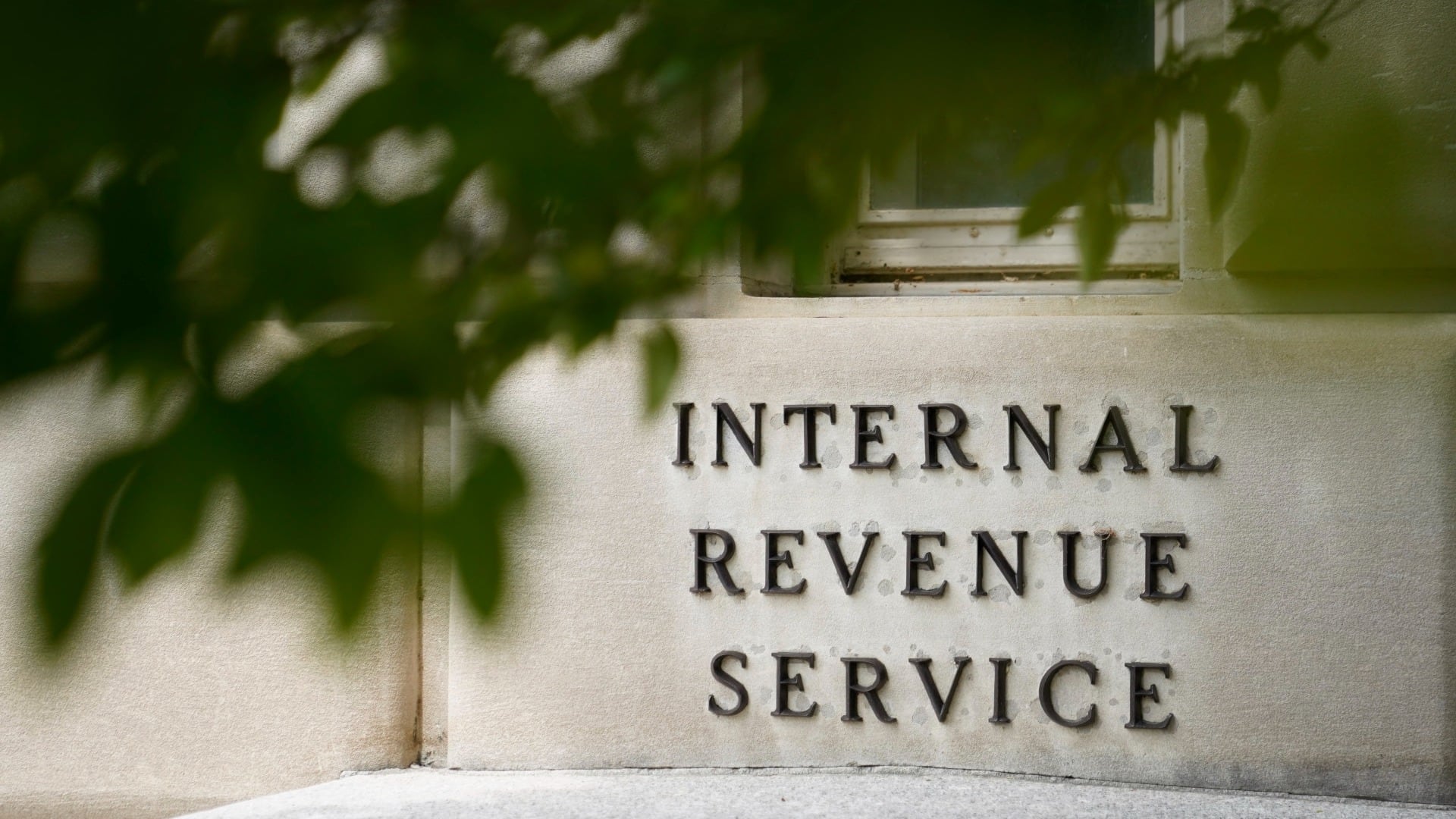
A sign is displayed outside the Internal Revenue Service building May 4, 2021, in Washington. (AP Photo/Patrick Semansky, File)
The IRS plans to go after 125,000 high-income earners who did not file tax returns going back to 2017 — and the agency says hundreds of millions of dollars of unpaid taxes are involved in these cases.
Beginning this week, the IRS will start sending out noncompliance letters to more than 25,000 people who earn more than $1 million per year and 100,000 people with incomes between $400,000 and $1 million who failed to pay their taxes between 2017 and 2021.
The campaign announced Thursday is part of the agency’s ongoing effort to pursue high wealth tax cheats — mandated in part by funding provided through Democrats’ Inflation Reduction Act passed into law in 2022 and a directive from Treasury Secretary Janet Yellen to IRS leadership not to increase audit rates on people making less than $400,000 a year annually.
“When people don’t file a tax return they’re required to, it’s not fair to those hardworking taxpayers who responsibly do their civic duty under the laws of our nation,” IRS Commissioner Daniel Werfel told reporters Thursday morning.
Orangetheory Fitness is redefining the future of workouts with smarter tech, strength-based programming, and community-driven studios built for what’s next.
Wealthfront’s CFO Alan Iberman talks the $2.05B IPO and the major moment for robo banking as the company bets on AI, automation, and “self-driving money."
U.S. sports betting is booming as NFL and college football fuel massive activity. BetMGM CEO Adam Greenblatt breaks down trends, growth, and what’s next.
With a merger this big, creators, studios, and theaters all face uncertain futures. Here’s what experts are worried about and what good could come from it.
With disengagement rising and hybrid work shifting, 'Everybody Matters' author Bob Chapman explains why treating people well could define the future of work.