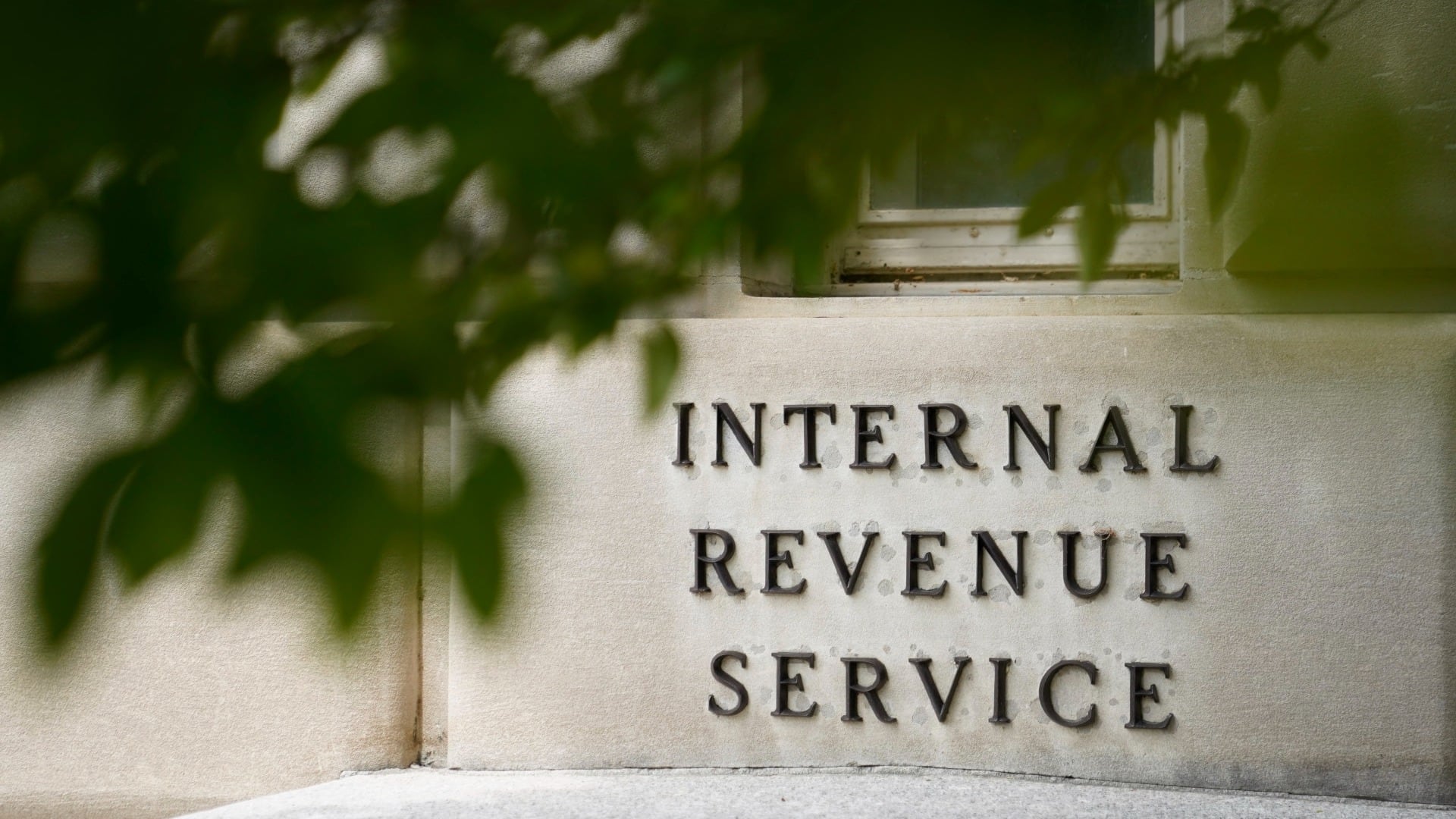
A sign is displayed outside the Internal Revenue Service building May 4, 2021, in Washington. (AP Photo/Patrick Semansky, File)
The IRS plans to go after 125,000 high-income earners who did not file tax returns going back to 2017 — and the agency says hundreds of millions of dollars of unpaid taxes are involved in these cases.
Beginning this week, the IRS will start sending out noncompliance letters to more than 25,000 people who earn more than $1 million per year and 100,000 people with incomes between $400,000 and $1 million who failed to pay their taxes between 2017 and 2021.
The campaign announced Thursday is part of the agency’s ongoing effort to pursue high wealth tax cheats — mandated in part by funding provided through Democrats’ Inflation Reduction Act passed into law in 2022 and a directive from Treasury Secretary Janet Yellen to IRS leadership not to increase audit rates on people making less than $400,000 a year annually.
“When people don’t file a tax return they’re required to, it’s not fair to those hardworking taxpayers who responsibly do their civic duty under the laws of our nation,” IRS Commissioner Daniel Werfel told reporters Thursday morning.
Luminary founder and CEO Cate Luzio shares some of the company’s latest Women’s History Month events and why there’s so much to celebrate about women in the workplace.
WSJ reporter Ray Smith breaks down why more companies are offering ‘dry’ promotions – a responsibility or title bump with no pay raise – and the pros and cons of accepting them.
Apple says a Justice Department antitrust lawsuit accusing it of engineering an illegal monopoly in smartphones in the U.S. is “wrong on the facts and the law.”
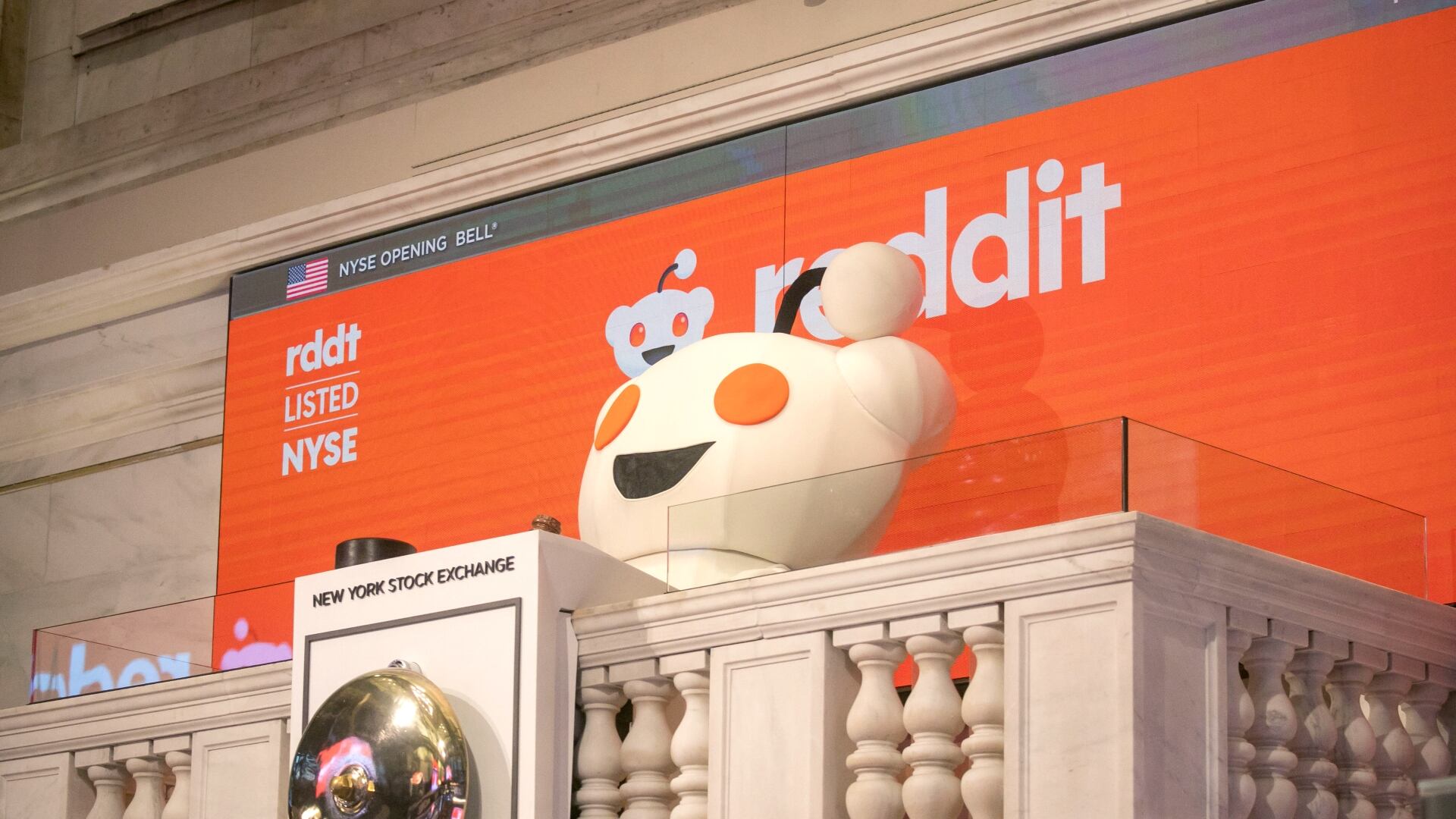
As Reddit shares begin trading at the NYSE, ‘Einstein of Wall Street’ Peter Tuchman breaks down the social platform’s debut and what it means for the overall IPO market in 2024.
CEO and co-founder of Alix, Alexandra Mysoor, discusses why it’s so important for everyone, regardless of income, to both plan and settle their estates.
After the Fed forecast three cuts to come in 2024, Kevin D. Mahn, President and CIO at Hennion & Walsh Asset Management breaks down why the market looks strong, and he sees some reasons for concern in Reddit’s choice to IPO.
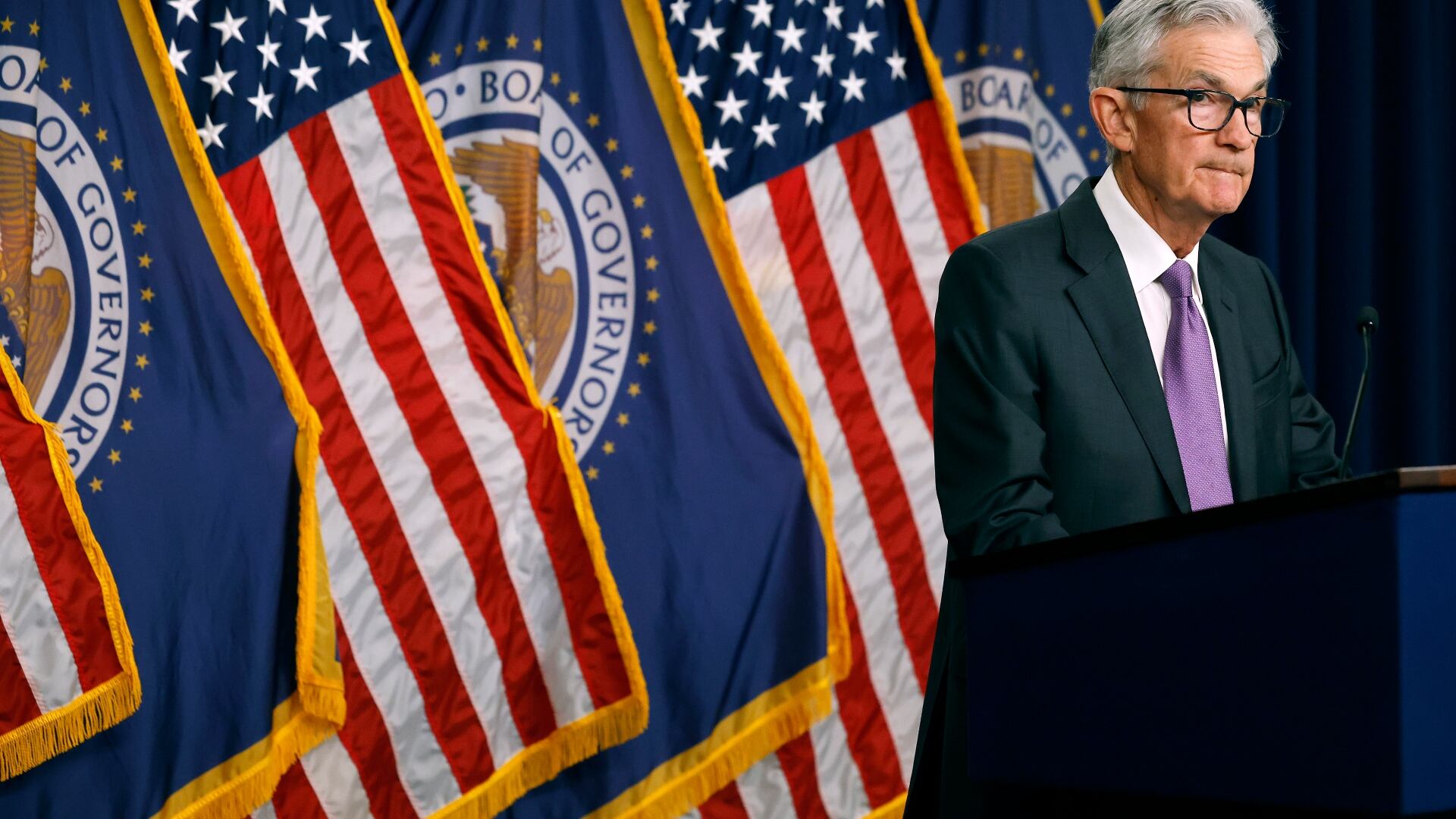
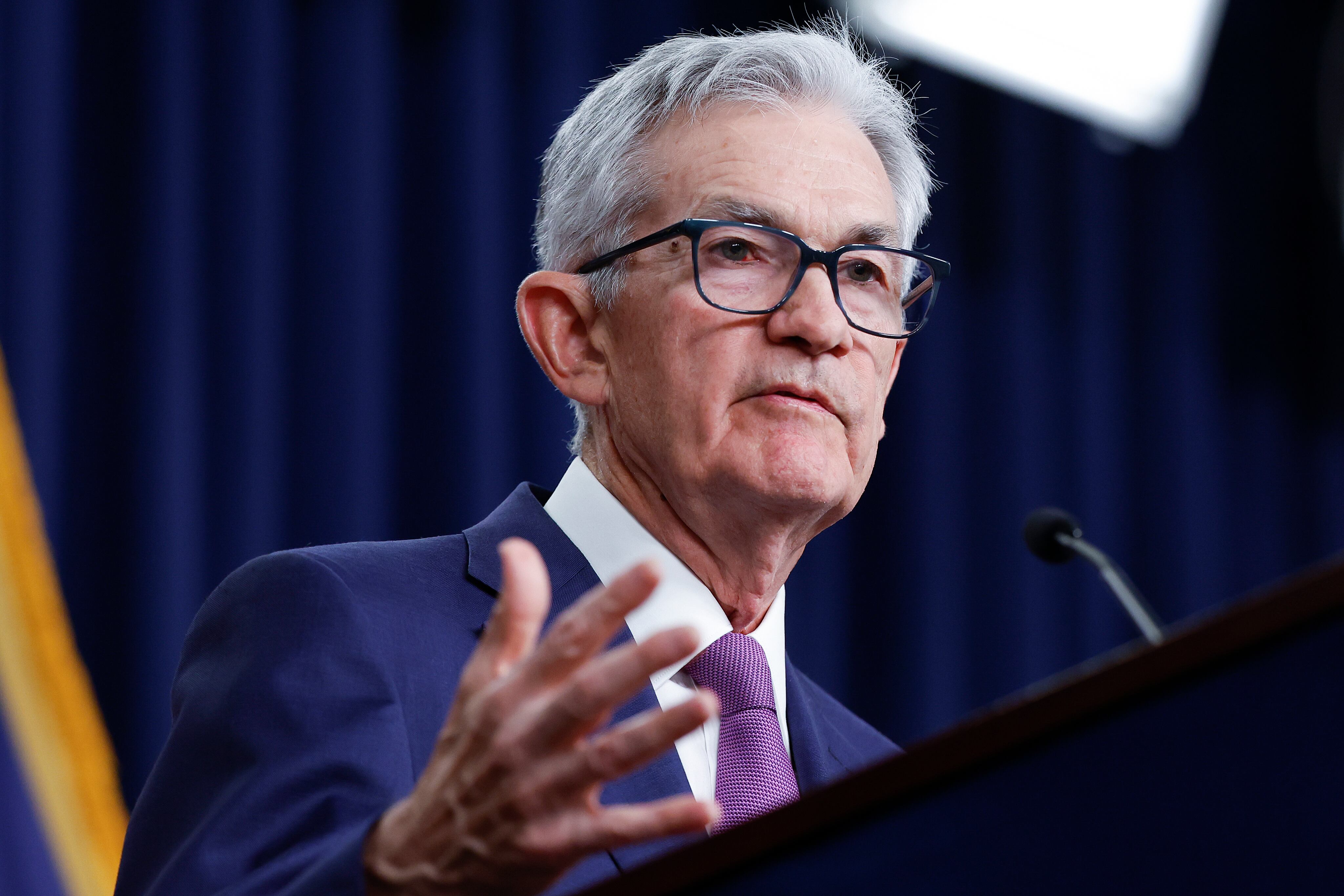
Federal Reserve officials signaled that they still expect to cut their key interest rate three times in 2024 despite signs that inflation was surprisingly high at the start of the year.