Israel and Hamas announced a cease-fire Thursday, ending a bruising 11-day war that caused widespread destruction in the Gaza Strip and brought life in much of Israel to a standstill.
Prime Minister Benjamin Netanyahu’s office said Israel accepted the Egyptian proposal after a late-night meeting of his Security Cabinet. Hamas quickly followed suit and said it would honor the deal.
Egypt's state-run MENA news agency said the truce would take effect at 2 a.m., roughly three hours after the announcement.
In a statement, Netanyahu's office said the Security Cabinet unanimously approved the proposal after recommendations from the military chief of staff and other top defense officials. The statement boasted of “significant achievements in the operation, some of which are unprecedented" and included a veiled threat against Hamas.
“The political leaders emphasized that the reality on the ground will determine the future of the campaign,” the statement said.
Taher Nounou, a Hamas official, confirmed the deal. “The Palestinian resistance will commit itself to this deal as long as the occupation is committed,” he said.
The agreement would close the heaviest round of fighting between the bitter enemies since a 50-day war in 2014, and once again there was no clear winner. Israel inflicted heavy damage on Hamas but was unable to prevent the rocket fire that has disrupted life for millions of Israelis for more than a decade.
The fighting began May 10, when Hamas militants in Gaza fired long-range rockets toward Jerusalem after days of clashes between Palestinian protesters and Israeli police at the Al-Aqsa Mosque compound, a flashpoint site that is known to Muslims as the Noble Sanctuary and to Jews as the Temple Mount. Heavy-handed police tactics at the compound and the threatened eviction of dozens of Palestinian families by Jewish settlers had inflamed tensions.
Israel launched hundreds of airstrikes during the operation, targeting what it said was Hamas’ military infrastructure, including a vast tunnel network. Hamas and other militant groups embedded in residential areas fired over 4,000 rockets at Israeli cities, with hundreds falling short and most of the rest intercepted.
At least 230 Palestinians were killed, including 65 children and 39 women, with 1,710 people wounded, according to the Gaza Health Ministry, which does not break the numbers down into fighters and civilians.
Hamas and the militant group Islamic Jihad said at least 20 of their fighters were killed, while Israel said the number was at least 130. Some 58,000 Palestinians have fled their homes, many of them seeking shelter in crowded U.N. schools at a time of a raging coronavirus outbreak.
Twelve people in Israel, including a 5-year-old boy, a 16-year-old girl and a soldier, were also killed.
Since the fighting began, Gaza’s infrastructure, already weakened by a 14-year blockade, has rapidly deteriorated.
Medical supplies, water and fuel for electricity are running low in the territory, on which Israel and Egypt imposed the blockade after Hamas seized power in 2007.
Israel considers Hamas, an Islamic militant group that seeks its destruction, to be a terrorist group and Hamas’ government is not internationally recognized.
Israeli bombing has damaged over 50 schools across the territory, according to advocacy group Save the Children, completely destroying at least six. While repairs are done, education will be disrupted for nearly 42,000 children.
Israeli attacks have also damaged at least 18 hospitals and clinics and destroyed one health facility, the World Health Organization said. Nearly half of all essential drugs have run out.
Updated on May 20, 2021, at 5:19 p.m. ET with the latest details.
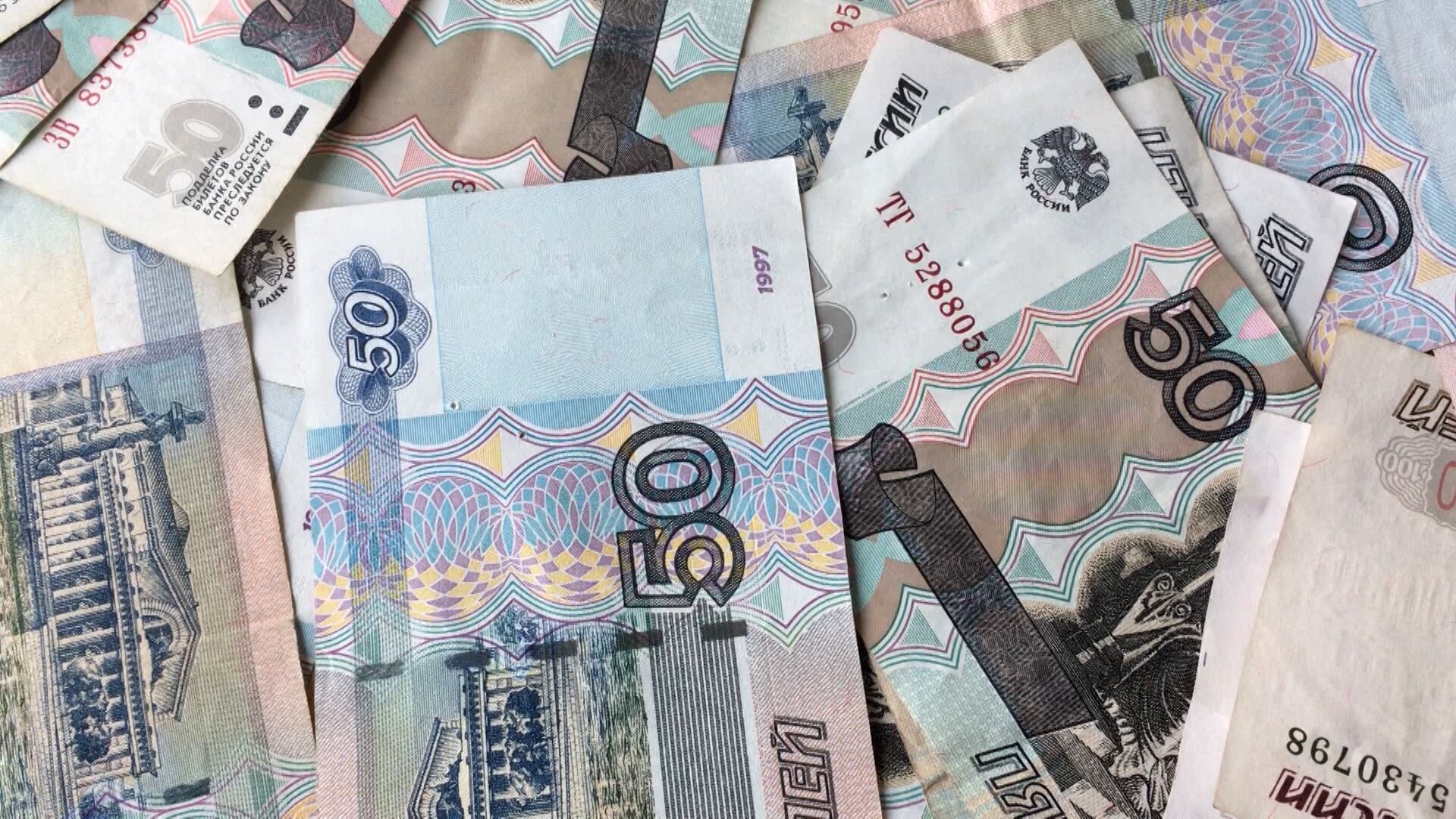
Russia has defaulted on some of its foreign debt as a tidal wave of western sanctions threatens its economy. The credit ratings agency S&P has placed Russia under "selective default" after it tried to pay its latest obligations in rubles. Russia now has a 30-day grace period to resolve the issue, but Moscow is threatening to take legal action. George Seay, Annandale Capital's CEO, joined Cheddar to break down what this means, and how Russia defaulting on its debt might impact the global economy.
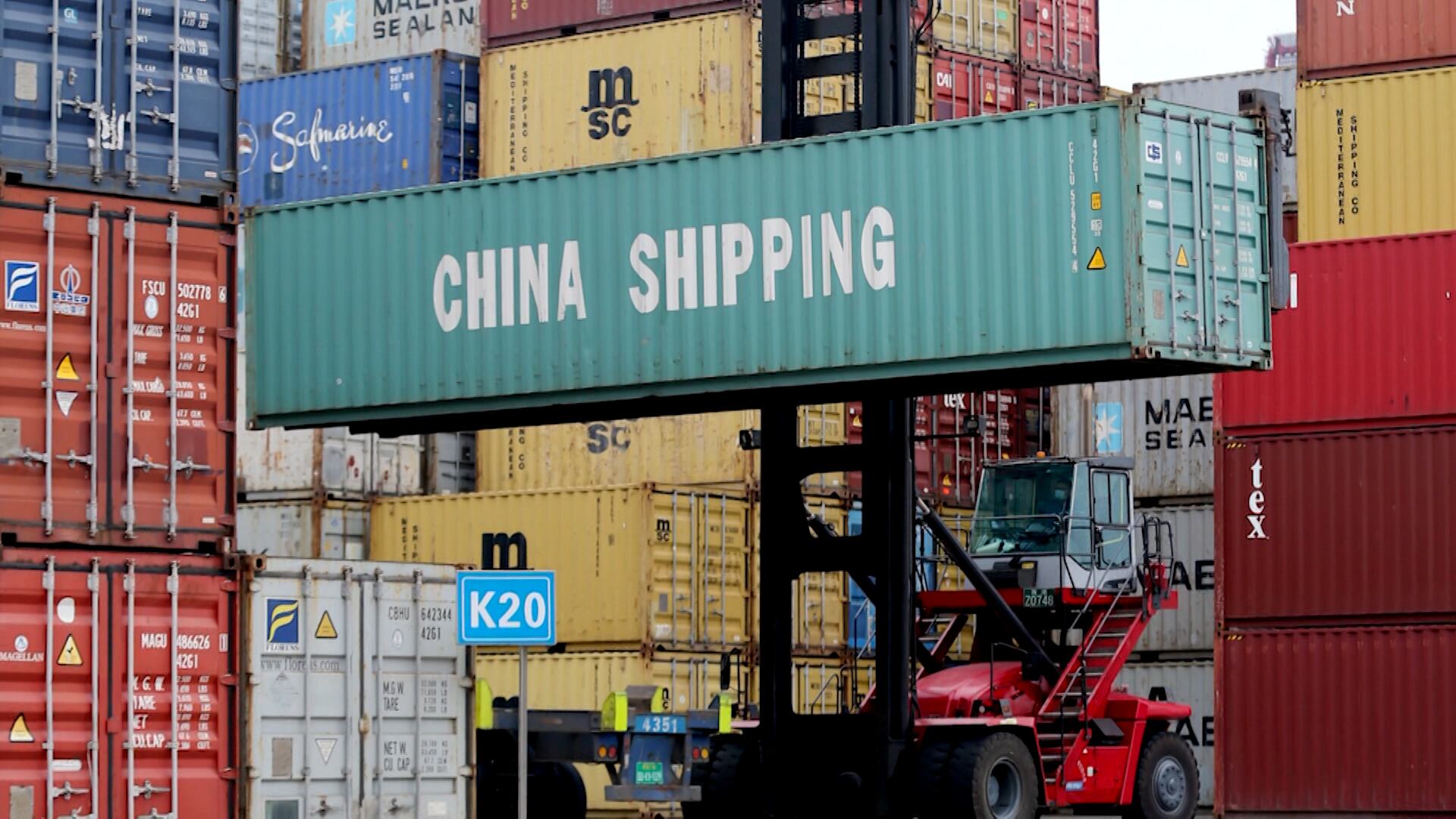
China's zero-covid policy may pose a wide-ranging threat to the local, and overseas economy. Analysts voicing concern on the strict lockdown in Shanghai as businesses and ports remain shuttered, potentially threatening the global supply chain. Shehzad H. Qazi, Managing Director, China Beige Book International joined Cheddar's Opening Bell to discuss.
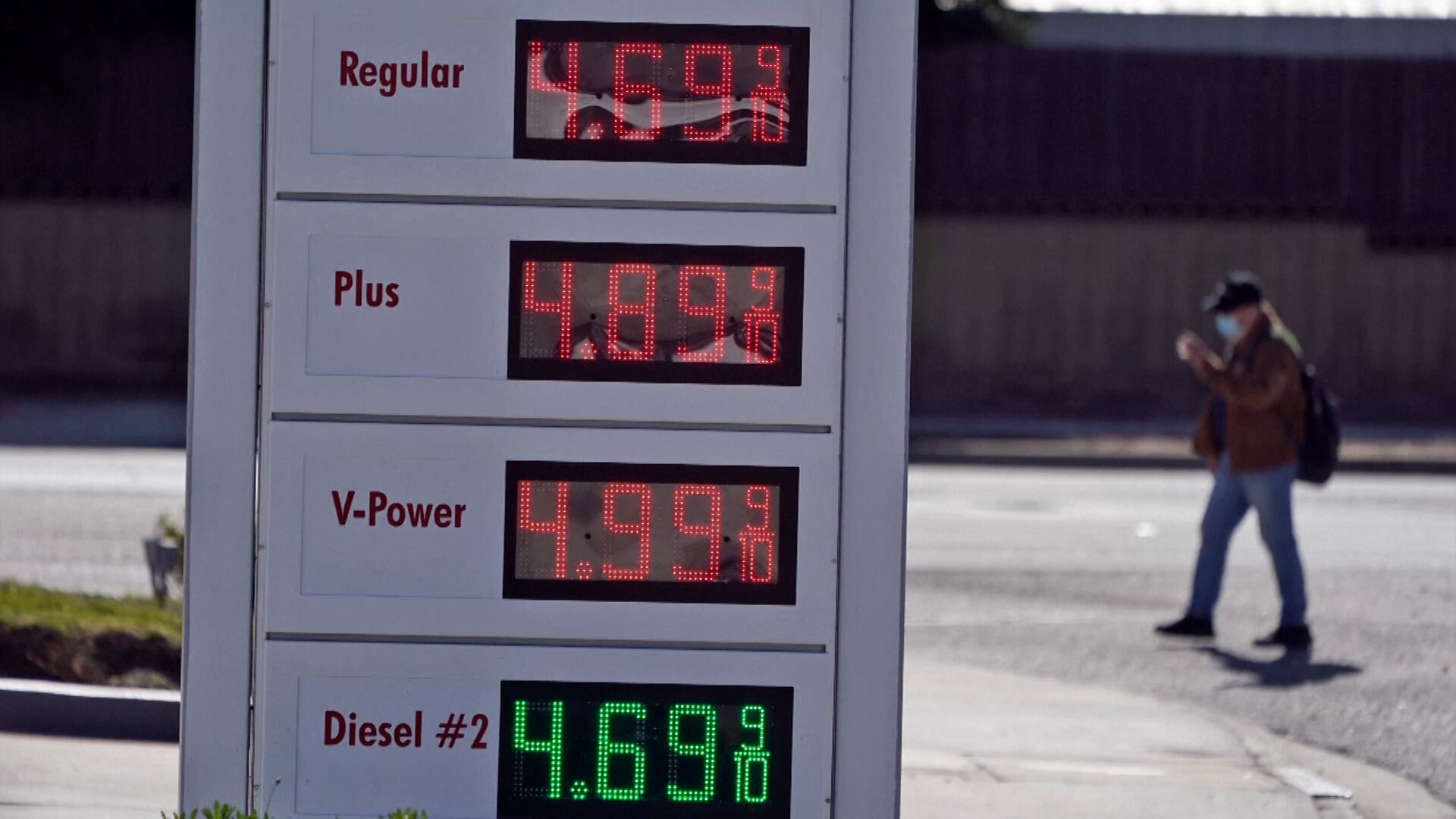
The consumer price index in March rose by 8.5% from a year ago, the fastest annual gain since December 1981 and one-tenth of a percentage point above the estimate. The rise in prices is driven by strong consumer demand, supply-chain disruptions and skyrocketing energy costs related to Russia's invasion of Ukraine. Heather Boushey, Council of Economic Advisers Member for President Biden, joined Cheddar's Opening Bell to give her reaction to the latest inflation numbers.
As China faces backlash from its response to Russia's invasion of Ukraine, the U.S. is strengthening its relationship with India. India is expected to become one of the top three economic powers in the world over the next 10 to 15 years, bolstered by technological advances and the manufacturing sector. Samir Kapadia, CEO and Principal of The Vogel Group, joined Cheddar to discuss the state of India's economy, and how it can only grow from here.
With the midterms just a few months away, record-setting inflation is weighing on the minds of voters. According to a recent CNN poll, a majority of voters said the state of the economy will play a key role in how they cast their ballot, and 55% said the same of inflation. Joseph Zeballos-Roig, Economic Policy Reporter for Insider, joined Cheddar to discuss how inflation could shape the 2022 midterms, and ultimately determine the balance of power in Congress.
The Brooklyn subway attack is the latest in a string of high-profile crimes that have plagued New York City. The surge in crime comes as cities across the country are trying to recover from the pandemic and bring life back to a sense of normal. Joseph Giacalone, professor at John Jay College and retired NYPD sergeant, joined Cheddar's Opening Bell to explain what's behind the rise in crime, and what can be done about it.
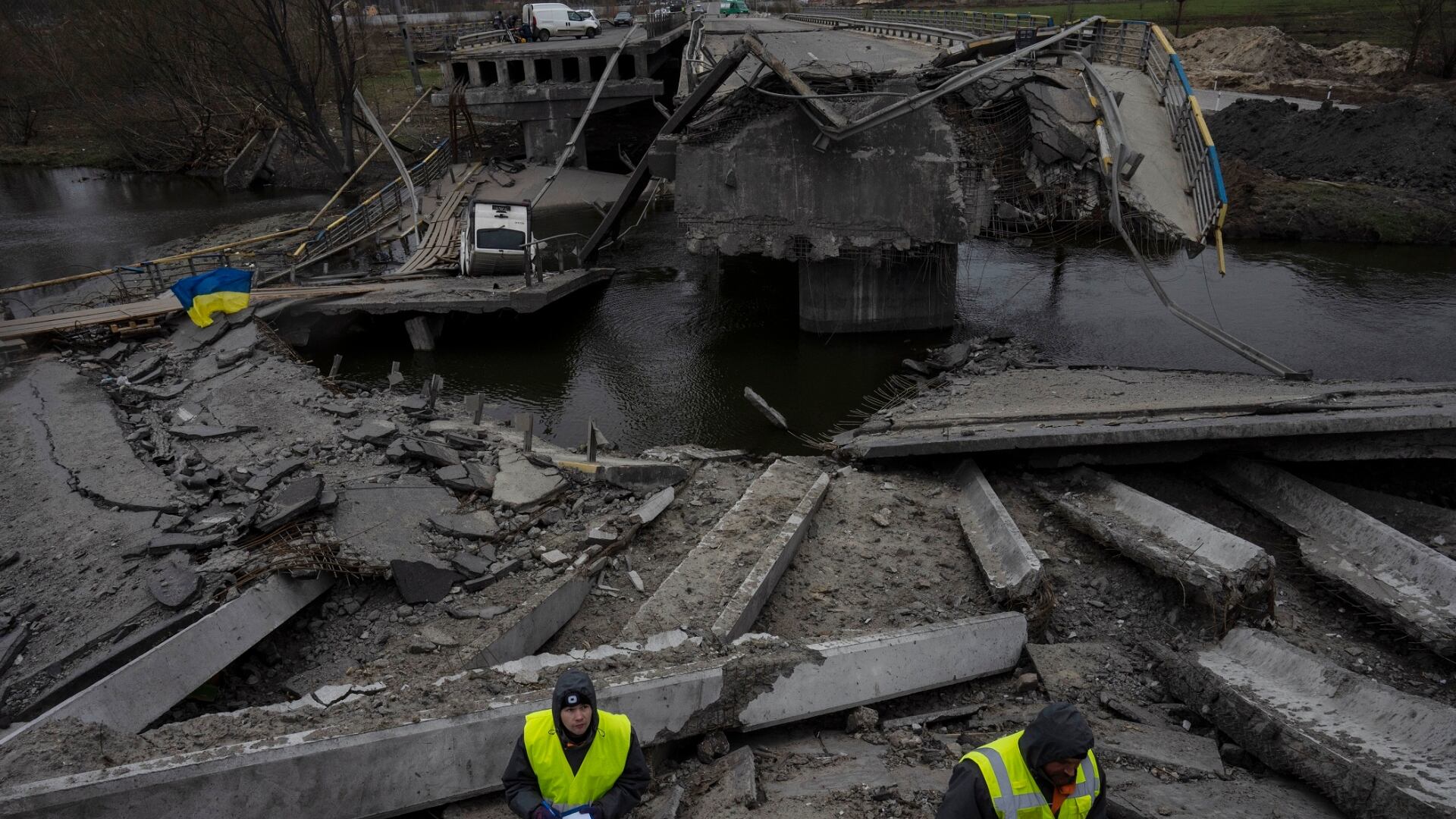
After failing to take control of northern and western Ukraine, Russia is shifting its focus to the east. As both sides continue to pour reinforcements into the region, officials are expecting more conventional combat involving tanks, artillery, and aircraft that could shape the war's biggest battles yet. Doug Collins, a former Georgia congressman, joined Cheddar to discuss the change in Russia's tactics.
Catching you up on what you need to know on Apr 14, 2022, with the U.S. sending $800M to Ukraine, updates on the subway shooting in Brooklyn, Gov. Abbott putting a pause on his southern border truck inspections, migrants being bused from Texas to Washington, DC, the travel mask mandate extending until May 3, and more.
This March 19, 2018, file photo shows the Yelp app on an iPad in Baltimore. Yelp reports financial results Thursday, Nov. 7, 2019. The online review service will cover the travel expenses of employees who have to travel out of state for abortions, joining the ranks of major employers trying to help workers affected by restrictions being placed on the procedure in Texas and other states. The benefit announced Tuesday, April 12, 2022 covers Yelp's entire workforce of 4,000 employees, but seems most likely to have its biggest immediate impact on its 200 workers in Texas, which has passed a law banning abortions within the state after six weeks of pregnancy. (AP Photo/Patrick Semansky, File)