Israel and Hamas announced a cease-fire Thursday, ending a bruising 11-day war that caused widespread destruction in the Gaza Strip and brought life in much of Israel to a standstill.
Prime Minister Benjamin Netanyahu’s office said Israel accepted the Egyptian proposal after a late-night meeting of his Security Cabinet. Hamas quickly followed suit and said it would honor the deal.
Egypt's state-run MENA news agency said the truce would take effect at 2 a.m., roughly three hours after the announcement.
In a statement, Netanyahu's office said the Security Cabinet unanimously approved the proposal after recommendations from the military chief of staff and other top defense officials. The statement boasted of “significant achievements in the operation, some of which are unprecedented" and included a veiled threat against Hamas.
“The political leaders emphasized that the reality on the ground will determine the future of the campaign,” the statement said.
Taher Nounou, a Hamas official, confirmed the deal. “The Palestinian resistance will commit itself to this deal as long as the occupation is committed,” he said.
The agreement would close the heaviest round of fighting between the bitter enemies since a 50-day war in 2014, and once again there was no clear winner. Israel inflicted heavy damage on Hamas but was unable to prevent the rocket fire that has disrupted life for millions of Israelis for more than a decade.
The fighting began May 10, when Hamas militants in Gaza fired long-range rockets toward Jerusalem after days of clashes between Palestinian protesters and Israeli police at the Al-Aqsa Mosque compound, a flashpoint site that is known to Muslims as the Noble Sanctuary and to Jews as the Temple Mount. Heavy-handed police tactics at the compound and the threatened eviction of dozens of Palestinian families by Jewish settlers had inflamed tensions.
Israel launched hundreds of airstrikes during the operation, targeting what it said was Hamas’ military infrastructure, including a vast tunnel network. Hamas and other militant groups embedded in residential areas fired over 4,000 rockets at Israeli cities, with hundreds falling short and most of the rest intercepted.
At least 230 Palestinians were killed, including 65 children and 39 women, with 1,710 people wounded, according to the Gaza Health Ministry, which does not break the numbers down into fighters and civilians.
Hamas and the militant group Islamic Jihad said at least 20 of their fighters were killed, while Israel said the number was at least 130. Some 58,000 Palestinians have fled their homes, many of them seeking shelter in crowded U.N. schools at a time of a raging coronavirus outbreak.
Twelve people in Israel, including a 5-year-old boy, a 16-year-old girl and a soldier, were also killed.
Since the fighting began, Gaza’s infrastructure, already weakened by a 14-year blockade, has rapidly deteriorated.
Medical supplies, water and fuel for electricity are running low in the territory, on which Israel and Egypt imposed the blockade after Hamas seized power in 2007.
Israel considers Hamas, an Islamic militant group that seeks its destruction, to be a terrorist group and Hamas’ government is not internationally recognized.
Israeli bombing has damaged over 50 schools across the territory, according to advocacy group Save the Children, completely destroying at least six. While repairs are done, education will be disrupted for nearly 42,000 children.
Israeli attacks have also damaged at least 18 hospitals and clinics and destroyed one health facility, the World Health Organization said. Nearly half of all essential drugs have run out.
Updated on May 20, 2021, at 5:19 p.m. ET with the latest details.
Anu Gaggar, global investment strategist for Commonwealth Financial Network, joined Cheddar News to discuss how global supply chains could be disrupted even further by an armed conflict in Ukraine.
Solid-state battery maker Factorial Energy recently raised $200 million in a Series D round led by Mercedes-Benz and Stellantis. Factorial says the funding will be used to accelerate commercial production and deployment of its solid-state battery technology, which the company says is safer, and offers up to 50% more driving range than current lithium-ion technology. Factorial also has joint development agreements (announced in late 2021) with Mercedes-Benz, Stellantis, and Hyundai, three of the top 10 global automotive manufacturers, to commercialize its batteries. Factorial CEO Siyu Huang joined Cheddar News' Closing Bell to discuss.
A new report by the Foreign Correspondents Club of China warns that press freedom in the most populous country in the world is declining at an alarming speed. Cheddar News speaks with Steven Butler, Asia Program Coordinator at the Committee to Protect Journalists, about the hardships journalists face in China.
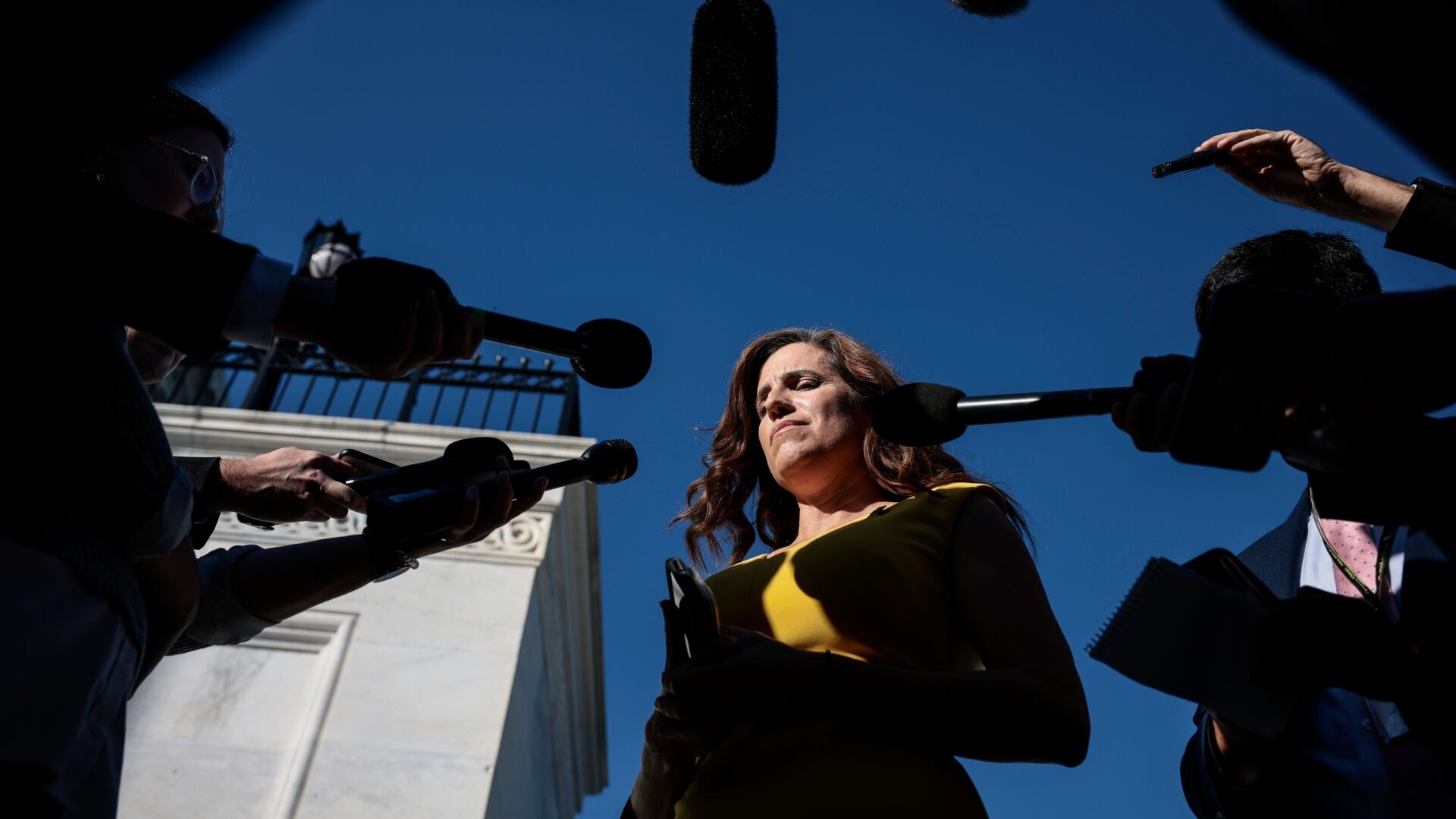
Rep. Nancy Mace (R-S.C. 1st District) joined Cheddar to discuss her cannabis legalization bill, the States Reform Act, and the prospects for gaining bipartisan support for a bill that has garnered the endorsement of e-commerce giant Amazon. This legislation is supported by businesses large and small, Amazon obviously being the most recent and largest business to support it," Mace said. "They don't want to sell pot. But what it does do is it affects their working employment pool." She stated that 10 percent of eligible new hires for Amazon are affected by restrictive marijuana laws. The representative also explained that the bill leaves equity provisions up to the states rather than mandating them on a federal level.
After a number of tragic subway incidents, the MTA is facing increased pressure to install subway platform screens to help prevent injury or death. However, according to an earlier report from the MTA, installing these prevented measures isn't feasible. New York City Council Member Keith Powers, joined Cheddar to discuss more.
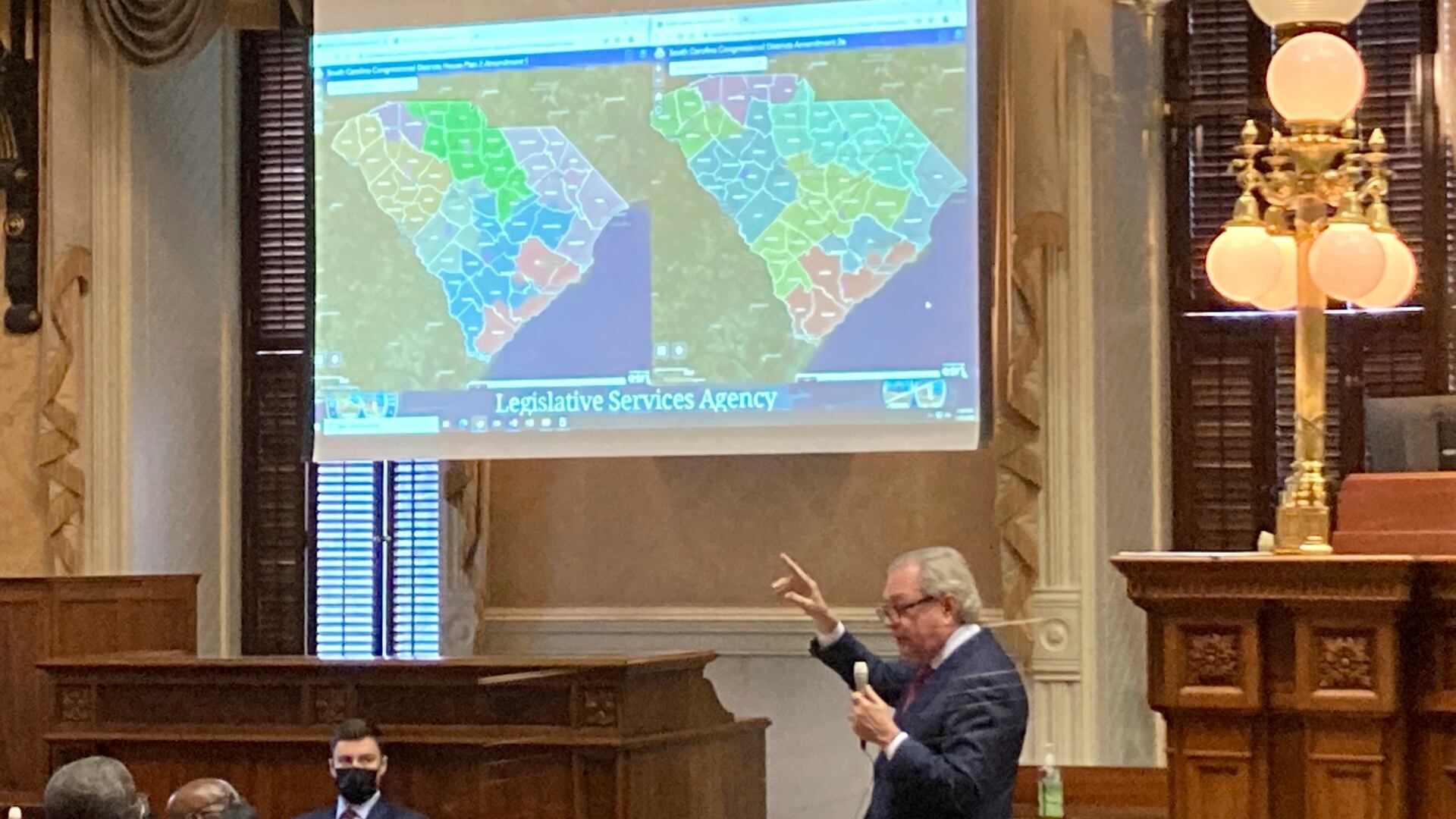
Across the country, states are working to redraw their congressional lines in what is often known as gerrymandering. These news lines are expected to determine the balance of power between Democrats and Republicans within the next decade. Senior Counsel for the Brennan Center's Democracy Program, Michael Li, joined Cheddar to discuss more.
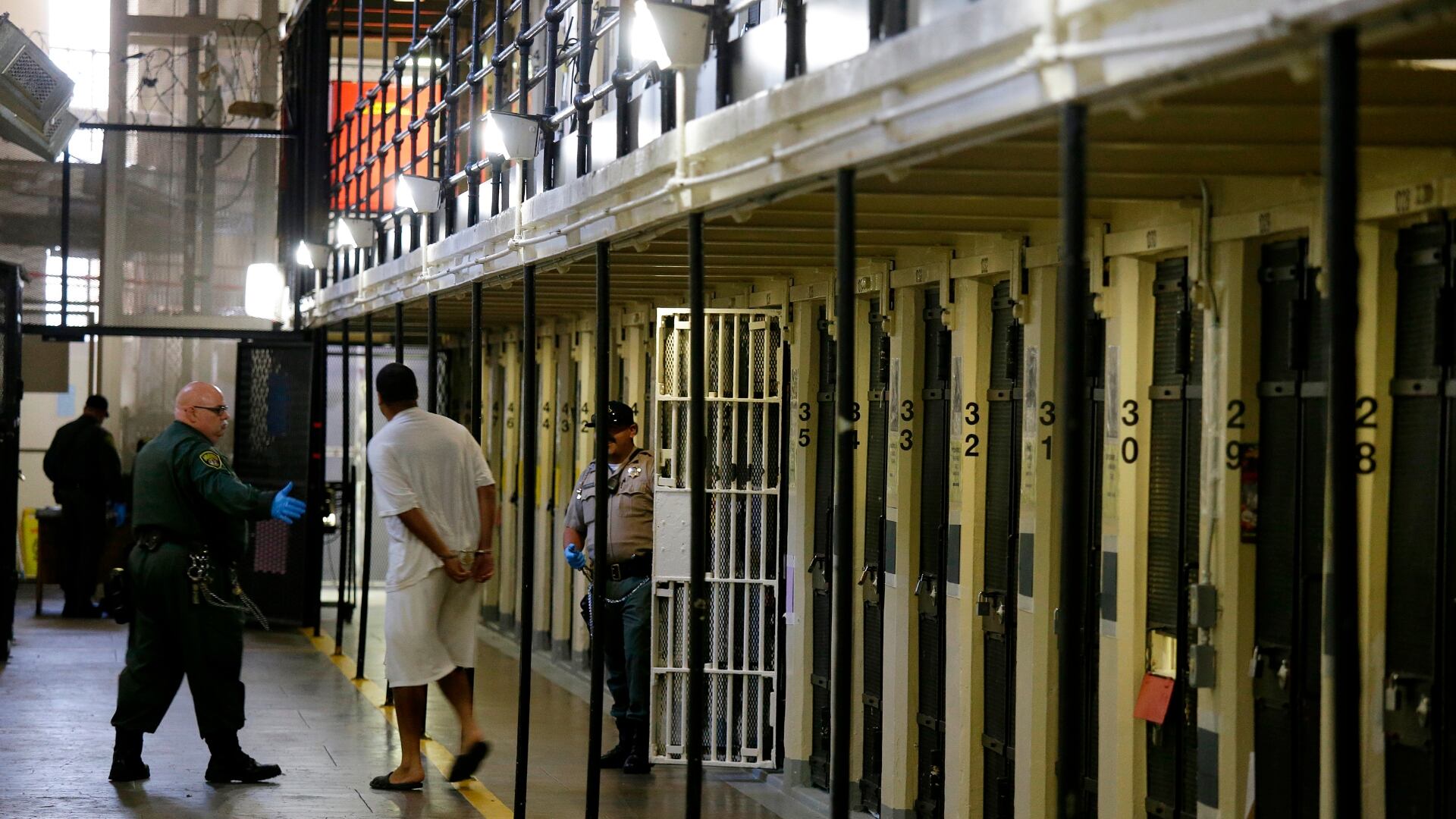
The state of California is officially planning to close its death row in the next two years. That state's governor Democrat Gavin Newsom says the plan is now to move all condemned inmates to other prisons and turn it into, as he calls it, a positive healing environment. Former U. S. Assistant Attorney and Legal Analyst, David Katz, joined Cheddar to discuss more.
Anthony Saccaro, Founder and President of Providence Financial, joins Cheddar News' Closing Bell, where he elaborates on why he is excited that the market is beginning to rebound and believes February has the potential to be a good month after a turbulent January.
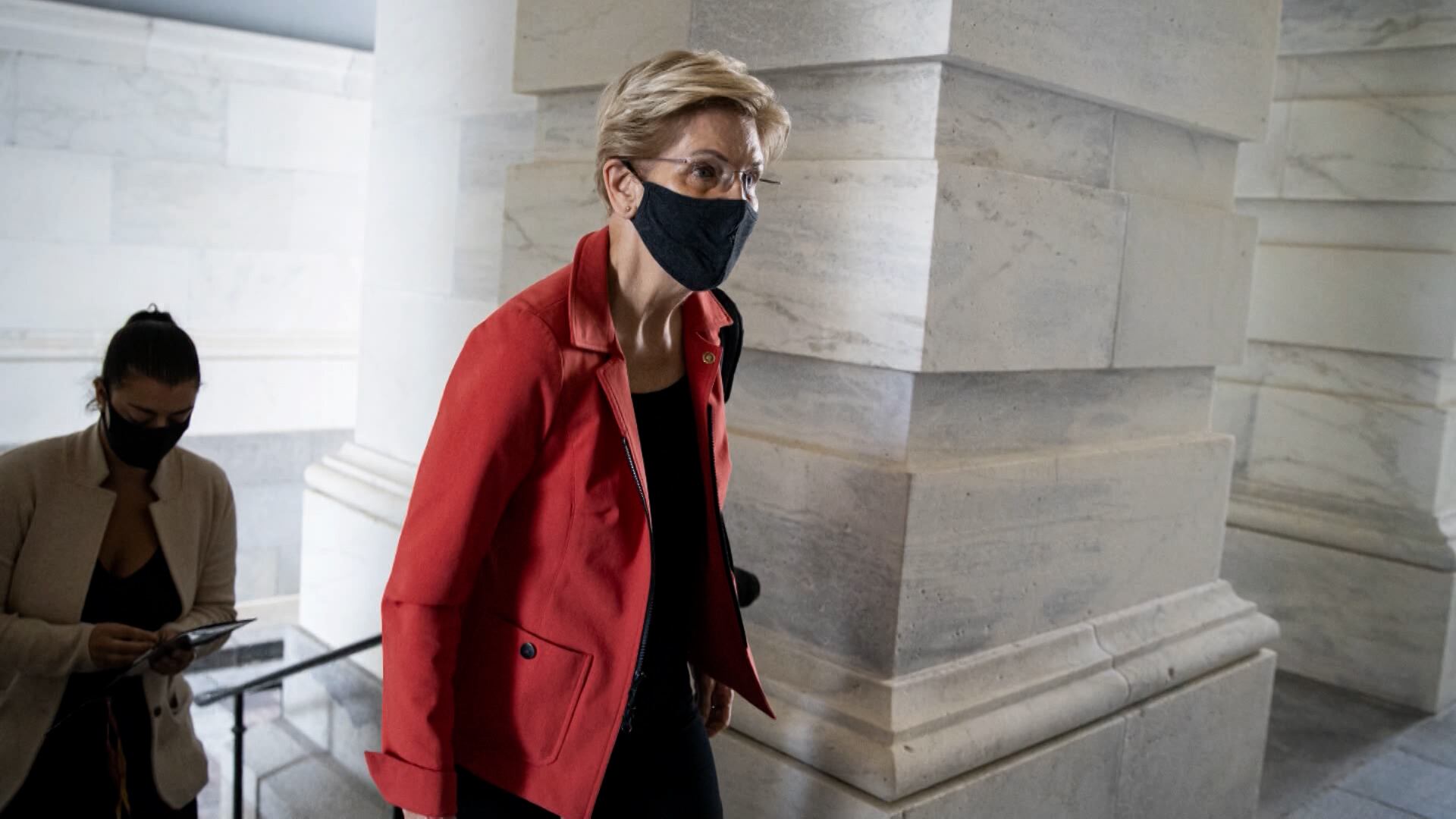
Cryptocurrency is expected to become a part of our daily lives — but what sort of environmental impact does it have? As the U.S. becomes the crypto mining capital of the world, climate advocates are worried about mining companies reopening old coal plants, using massive amounts of energy, wasteful hardware, and more. Congressional Democrats led by Senator Elizabeth Warren are demanding answers from mining firms about their electricity use and waste levels. John Belizaire, CEO of Soluna Computing, joins Cheddar Climate to discuss the congressional letters, how crypto mining can become a green industry, and more.