Sara Miller, Staff Writer at Live Science, and Claire Maldarelli, assistant editor at Popular Science, discuss a new study that suggests that men might not be exaggerating symptoms of the flu after all...they might actually suffer more than women!
Miller and Maldarelli weigh-in on the findings, which seem to come down to estrogen. Women, because they have more of the hormone, seem to have stronger immune defenses to respiratory illness.
Both writers also talk the discrepancies in the findings. Social constructs and regular doctor visits could proect against getting sick were not taken into account in the study.
These are the headlines you Need 2 Know for Friday, February 21, 2020.
These are the headlines you Need 2 Know for Tuesday, February 18, 2020.
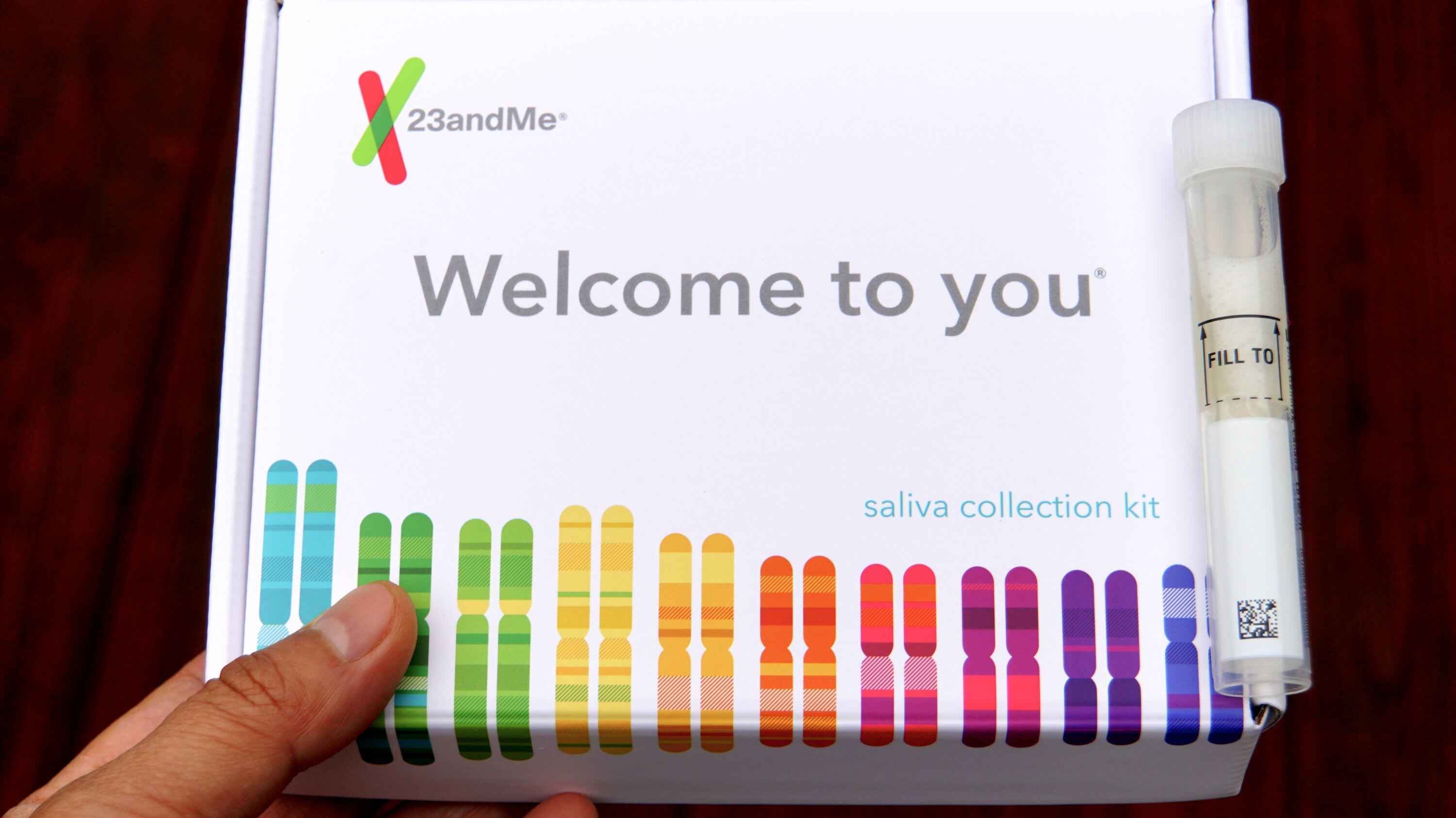
State Senator Tom Umberg introduced legislation to regulate DNA data collected by popular testing services like 23andMe and Ancestry.com.
From Wall Street to Silicon Valley, these are the top stories that moved markets and had investors, business leaders, and entrepreneurs talking this week on Cheddar.
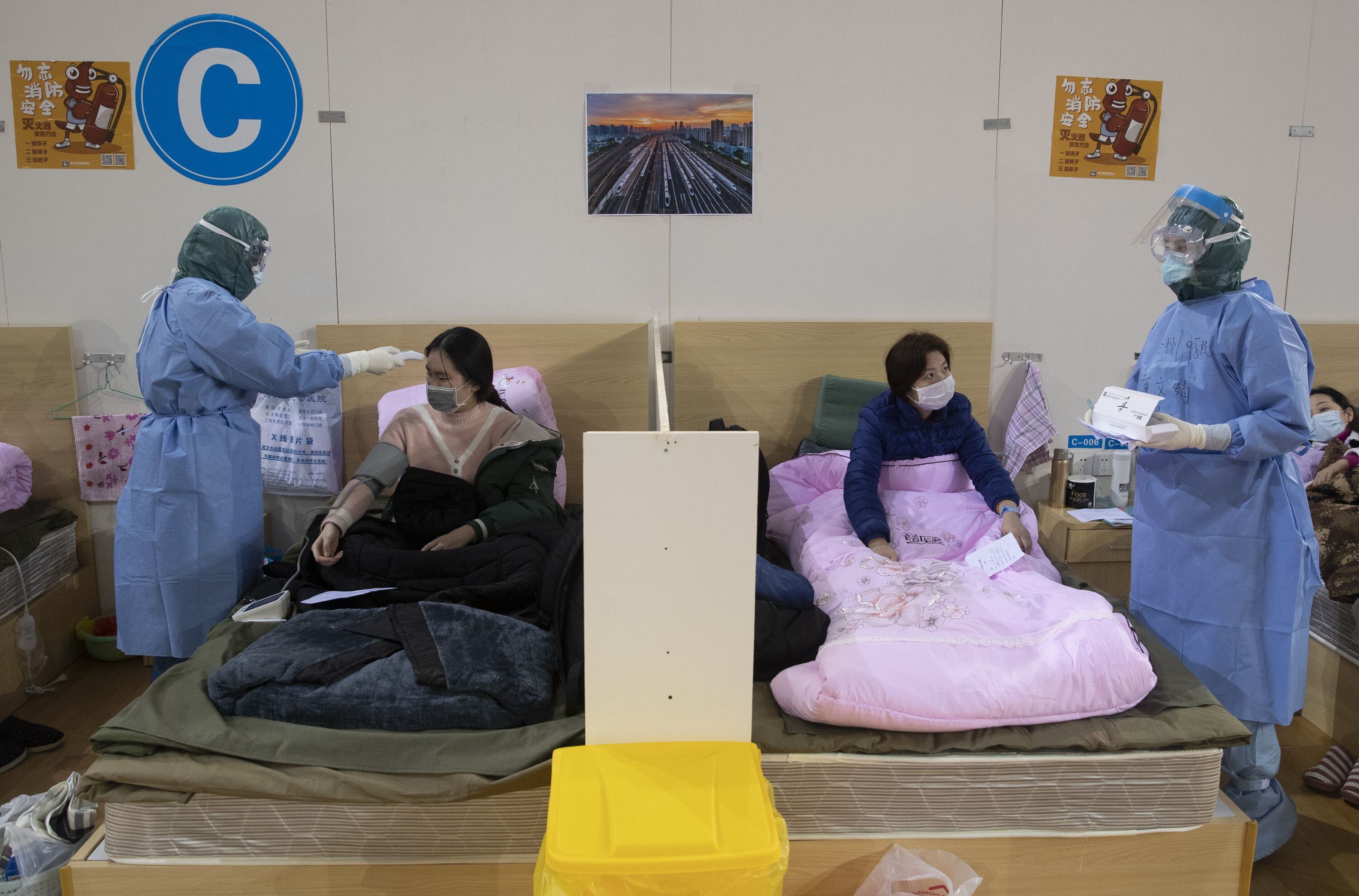
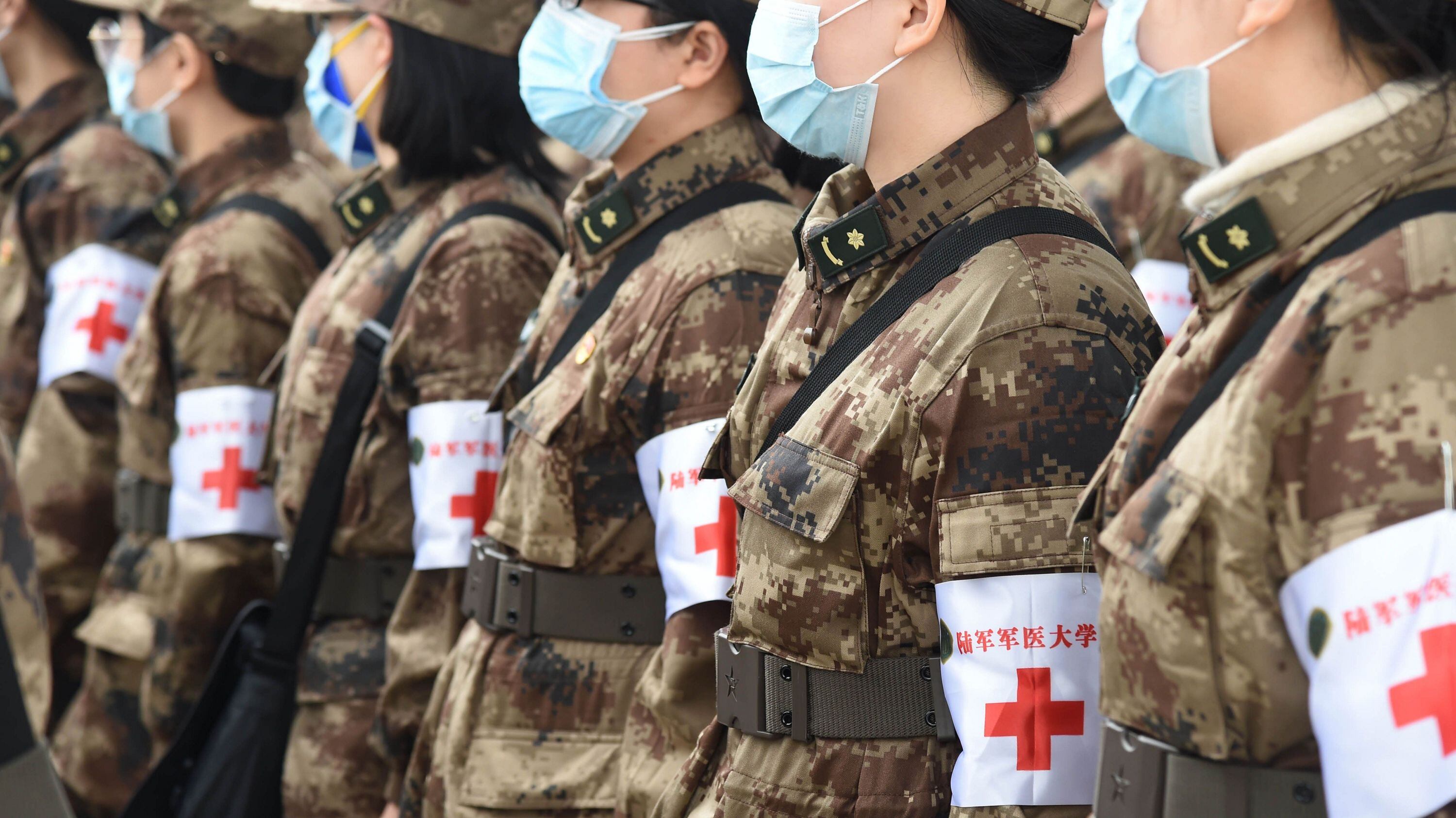
For the first time, China disclosed information about the effect of the virus on medical workers — 1,716 medical workers have contracted the novel coronavirus and six have died.
Upheaval European energy companies may offer warning signs about just how much, or how little, disruption shareholders will be willing to tolerate.
Prime Minister Hun Sen agreed to let the Westerdam dock after Thailand, Japan, Taiwan, the Philippines and Guam barred the ship over fears it might spread the new virus.
These are the headlines you Need 2 Know for Friday, February 14, 2020.
A Republican-led coalition of fossil fuel giants, environmental advocates, and former federal policymakers on Thursday issued a "Roadmap" to addressing climate change that, while labeled as "Bipartisan," is particularly aimed at garnering GOP support.
The World Health Organization Thursday pointed to a change in reporting, rather than a sudden acceleration of infections. But for many, it strengthened the concern that nobody really knows how widespread the illness is, and there appears to be no good way to figure it out.