This year's CES placed car tech front and center, leaving many to ask if it's become the world's best car show. Wired's Michael Calore joins Cheddar to wrap up the biggest trends and hottest gadgets from the Las Vegas electronics expo. The senior editor breaks down the latest advancements in autonomous driving and smart-assistant integrations.
Google took its battle with Amazon for voice supremacy to a new level at CES. The tech giant revealed a number of exciting developments in its smart assistant technology, including third-party smart displays from JBL and Lenovo. Calore reveals whether he thinks Google has closed the gap with Amazon's Alexa suite.
Finally, Peloton unveiled the newest addition to its line of smart exercise equipment. Peloton Tread is a nearly $4,000 treadmill that hopes to generate the same success as the company's interactive bikes. Calore is optimistic about people shelling out big bucks for this new device.
According to new research by Twitter, the social media platform algorithm amplifies content from the "political right" rather than those on the left. The company says this data comes as the platform has been taking the time to research the implications of its algorithm and whether or not it has caused any "unknown harm". President and CEO of Media Matters for America Angelo Carusone, joined Cheddar to discuss more.
The gaming industry is about to take center stage as the next dominant technology platform, according to a new report from the consulting firm Activate. The pandemic has accelerated gaming's popularity, with overall time spent gaming increasing by 29 percent. Michael J. Wolf, co-founder and CEO of Activate, joined Cheddar to discuss some of the key findings of the report and why he thinks video game platforms are the only ones that stand a chance of building the so-called metaverse.
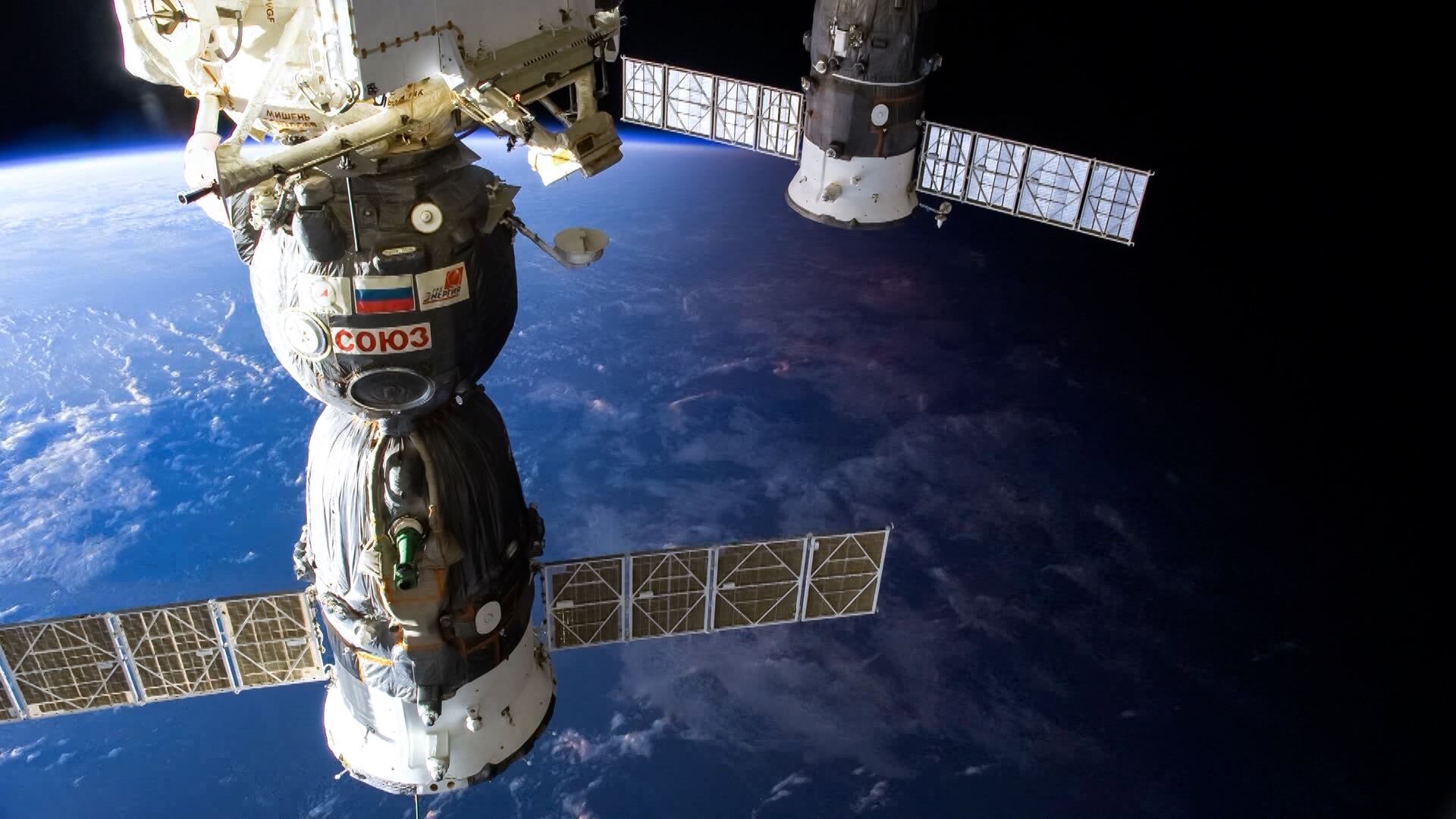
Voyager, Nanoracks, and Lockheed Martin are all teaming up to develop the first-ever free-flying commercial space station with room for a crew of four astronauts. The private companies are joining forces as part of NASA’s greater mission to retire the International Space Station by the year 2030. The low-earth orbit space station will be called "Starlab," and is planned to achieve operational capability by 2027. Lisa Callahan, Vice President and General Manager of Commercial Civil Space at Lockheed Martin, and Matthew J. Kuta, President and Chief Operating Officer of Voyager Space, joined Cheddar’s Opening Bell.
Jill and Carlo cover the latest developments in the Alec Baldwin prop gun shooting, when vaccines for kids as young as 5 should be approved, new reporting on Facebook and more.