*By Michael Teich*
Though iPhones and Mac computers made in China have been spared U.S. tariffs, the brewing trade war between Washington and Beijing could finally catch up with Apple, the world's most valuable publicly traded company.
None of the tariffs considered by the Trump administration so far have materially affected Apple's business, but in his third-quarter earnings call with analysts on Tuesday, Apple's CEO Tim Cook said it was too early to predict if other policies under consideration could affect the company's bottom line.
"Our view on tariffs is that they show up as a tax on the consumer and wind up resulting in lower economic growth," Cook said in Tuesday's call.
Mike Murphy of Quartz told Cheddar that consumers' willingness to pay for Apple's most expensive productーthe iPhone Xーis a good sign that even a trade-war inspired bump in prices for its other devices won't deter loyal iPhone users.
"If we have no problem buying a $1,000 phone, we'll probably have no problem buying a $1,100 phone," Murphy said in an interview Wednesday. The iPhone represents Apple's biggest source of revenue.
If tariffs were to hit Apple, they would likely affect the company's fastest-growing division, "Other Products," which includes Apple Watch, AirPods, and the HomePod.
Revenue from other products reached $3.74 billion in the third quarter, up 36 percent from a year earlier. Apple doesn't disclose exact numbers for the Apple Watch, but Cook said sales grew in the "mid-40 percent range."
Apple does not appear worried about the prospect of tariffs dampening its business. The Cupertino-based company delivered fiscal fourth quarter revenue guidance of between $60 billion and $62 billion, topping Wall Street's estimate of $59.47 billion, according to StreetAccount.
For full interview, [click here](https://cheddar.com/videos/apple-spared-trumps-tariffs-for-now).
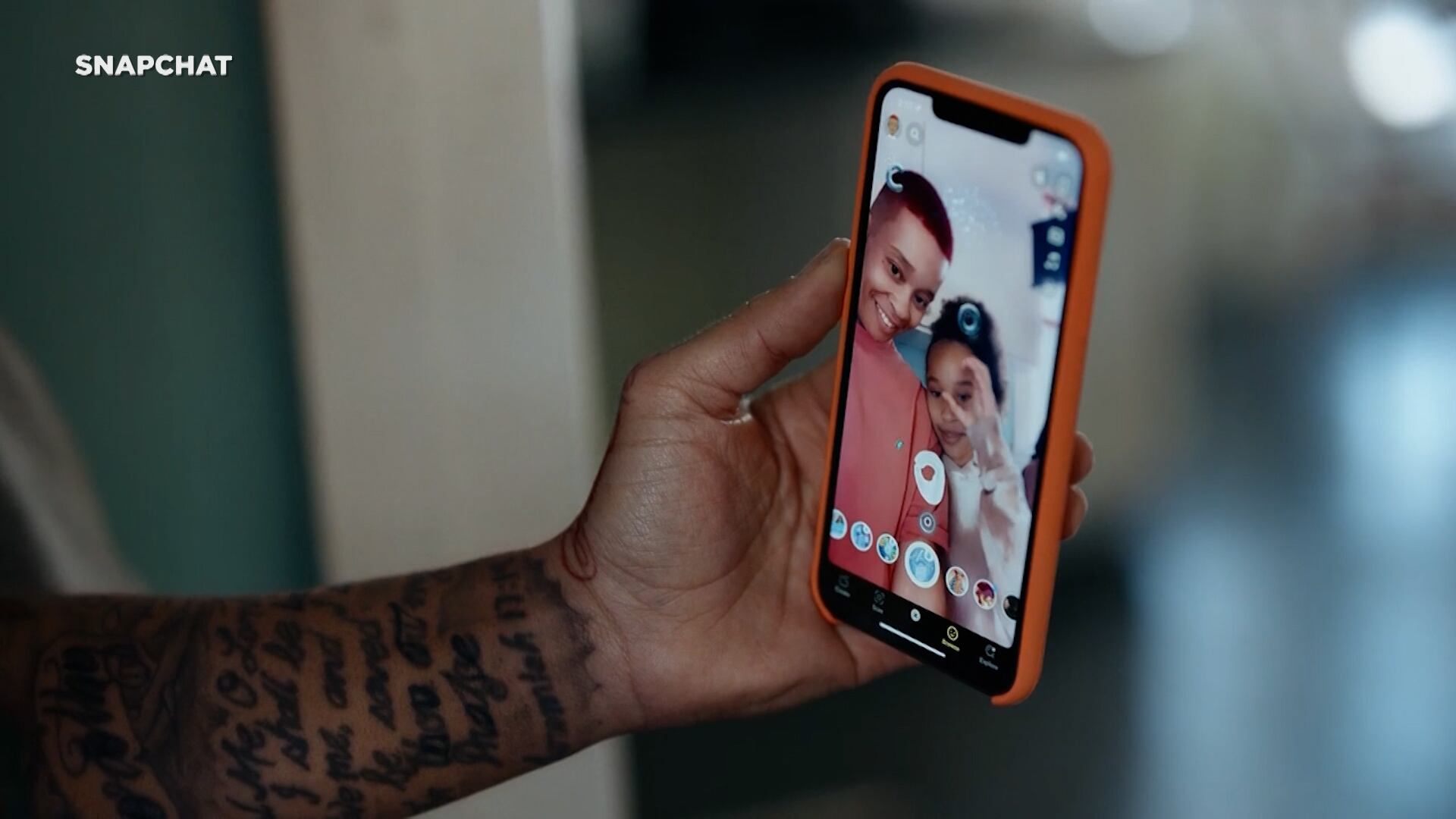
Snapchat has launched its first features to help users learn American Sign Language through its lenses and a game. The project was spearheaded by deaf and hard-of-hearing workers. Cheddar News was joined by Austin Vaday, software engineer at Snap, and his sign language interpreter, Jonathan Webb, to discuss the ASL Fingerspelling Lens and how the project came together. “We wanted to find a way to appropriately and properly educate the community so that folks can communicate with people like me using sign language," Vaday stated.
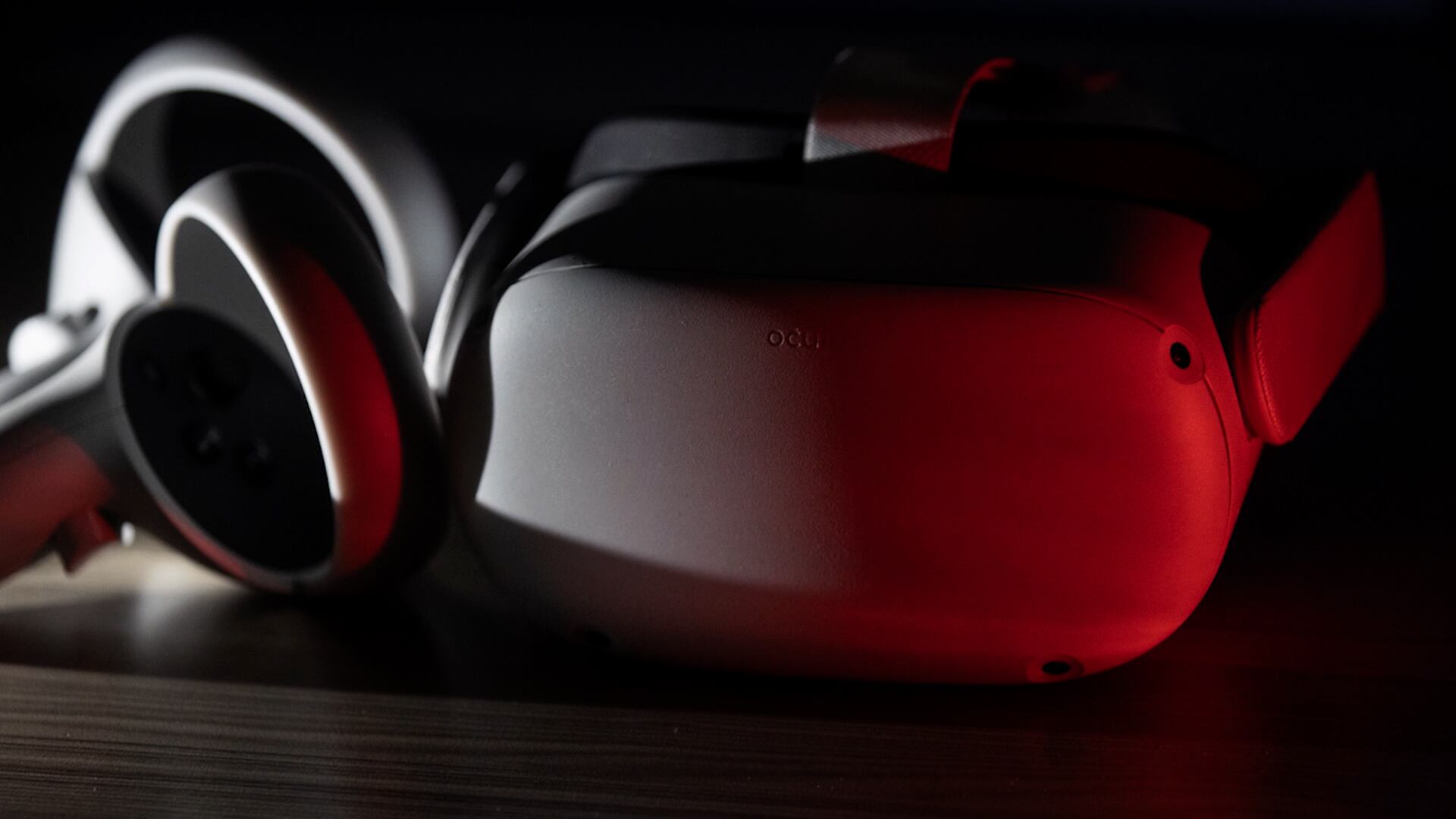
Brittan Heller, founder of the Center for Digital Civil Rights and a fellow at the Atlantic Council, joins Cheddar News to discuss the rise of sexual assault in the metaverse.
The second-largest stablecoin, USDC, backed by the company Circle recently received a $400 million funding infusion from traditional financial firms like BlackRock and Fidelity even as crypto reels from more high profile heists.
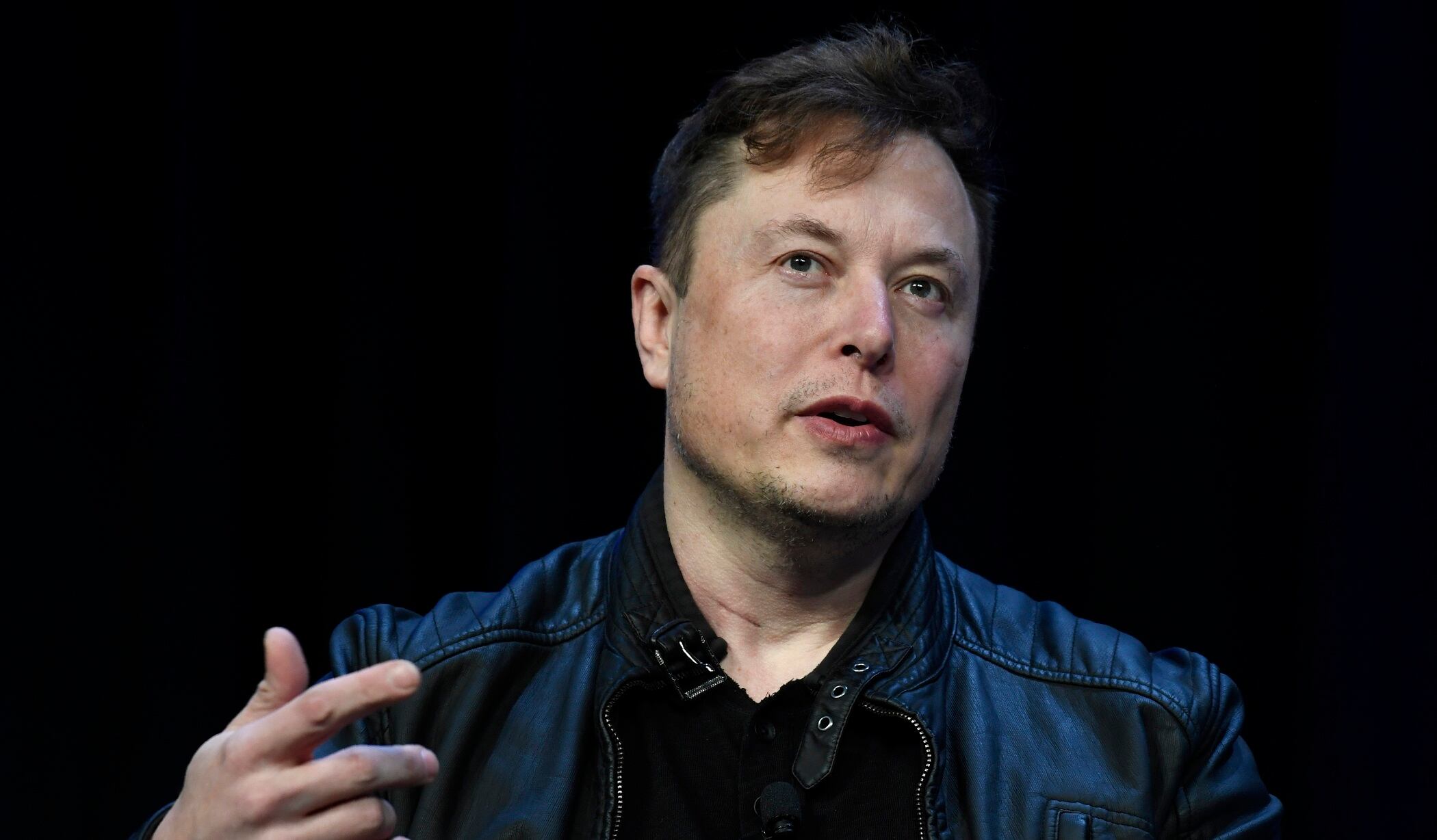
A group of Tesla shareholders suing CEO Elon Musk over some 2018 tweets about taking the company private is asking a federal judge to order Musk to stop commenting on the case.
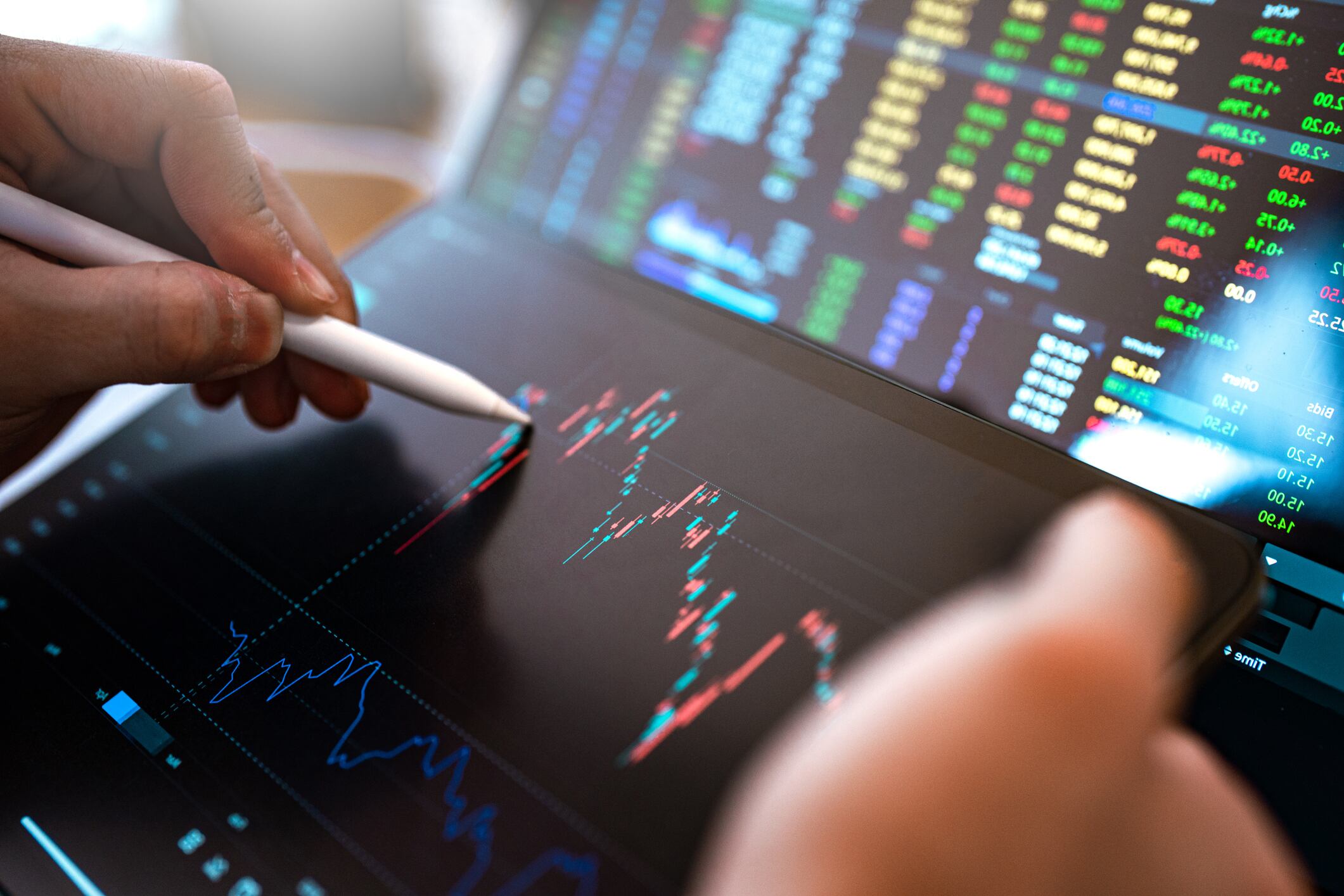
The Week's Top Stories is a guided tour through the biggest market stories of the week, from winning stocks to brutal dips to the facts and forecasts generating buzz on Wall Street.
Between Bells executive producer Conor White recaps some of the biggest stories of the week, and teaches Azia Celestino and Hena Doba a thing or two at the same time. It's This Week In Trivia!
Josh Thorngren, vice president of growth at the cybersecurity company Torq, joined Cheddar News to talk about staffing shortages hitting his industry, and what he thinks is behind it. "Over 70 percent of cybersecurity professionals say they're unhealthily stressed, and it's stress because we only talk about them when they failed," he said. "That makes the job harder day in and day out, and so it's not just a how do we keep up with the rising challenge, it's how do we actually retain folks who are in these positions today." Thorngren also stated that cybersecurity needs to transform into a less technical field in order to appeal to a bigger group of potential workers.
Twitter said in a statement Friday that its board of directors has unanimously adopted a “poison pill” defense in response to Tesla CEO Elon Musk’s proposal to buy the company and take it private.