*By Michael Teich*
Though iPhones and Mac computers made in China have been spared U.S. tariffs, the brewing trade war between Washington and Beijing could finally catch up with Apple, the world's most valuable publicly traded company.
None of the tariffs considered by the Trump administration so far have materially affected Apple's business, but in his third-quarter earnings call with analysts on Tuesday, Apple's CEO Tim Cook said it was too early to predict if other policies under consideration could affect the company's bottom line.
"Our view on tariffs is that they show up as a tax on the consumer and wind up resulting in lower economic growth," Cook said in Tuesday's call.
Mike Murphy of Quartz told Cheddar that consumers' willingness to pay for Apple's most expensive productーthe iPhone Xーis a good sign that even a trade-war inspired bump in prices for its other devices won't deter loyal iPhone users.
"If we have no problem buying a $1,000 phone, we'll probably have no problem buying a $1,100 phone," Murphy said in an interview Wednesday. The iPhone represents Apple's biggest source of revenue.
If tariffs were to hit Apple, they would likely affect the company's fastest-growing division, "Other Products," which includes Apple Watch, AirPods, and the HomePod.
Revenue from other products reached $3.74 billion in the third quarter, up 36 percent from a year earlier. Apple doesn't disclose exact numbers for the Apple Watch, but Cook said sales grew in the "mid-40 percent range."
Apple does not appear worried about the prospect of tariffs dampening its business. The Cupertino-based company delivered fiscal fourth quarter revenue guidance of between $60 billion and $62 billion, topping Wall Street's estimate of $59.47 billion, according to StreetAccount.
For full interview, [click here](https://cheddar.com/videos/apple-spared-trumps-tariffs-for-now).
Mike Proulx, VP and research director at Forrester, joined Cheddar to talk all about Disney's lackluster Q3 earnings after the company reported a slowdown in Disney+ subscriber growth. Proulx discussed a Forrester study that found 45 percent of U.S. adults subscribed to streaming services because of the pandemic but 26 percent had plans to cancel a service over the next two years. "We're always going to look at growth, and we also have to look at engagement," he said. "But both of those metrics come down to having either original or exclusive content that will offer value to the subscriber base."
Anthony Sassine, a senior investment strategist at KraneShares, joined Cheddar to discuss Rivian's historic public debut after the company achieved an $86 billion valuation — more than either Ford or GM. He said the big IPO was a great opportunity for the U.S. to position itself as a leader in the EV space after lagging behind Europe and China. "When you have certainty for growth for the next 10 to 15 years, investors are willing to pay more," he said. "So, this is a massive opportunity for the whole space."
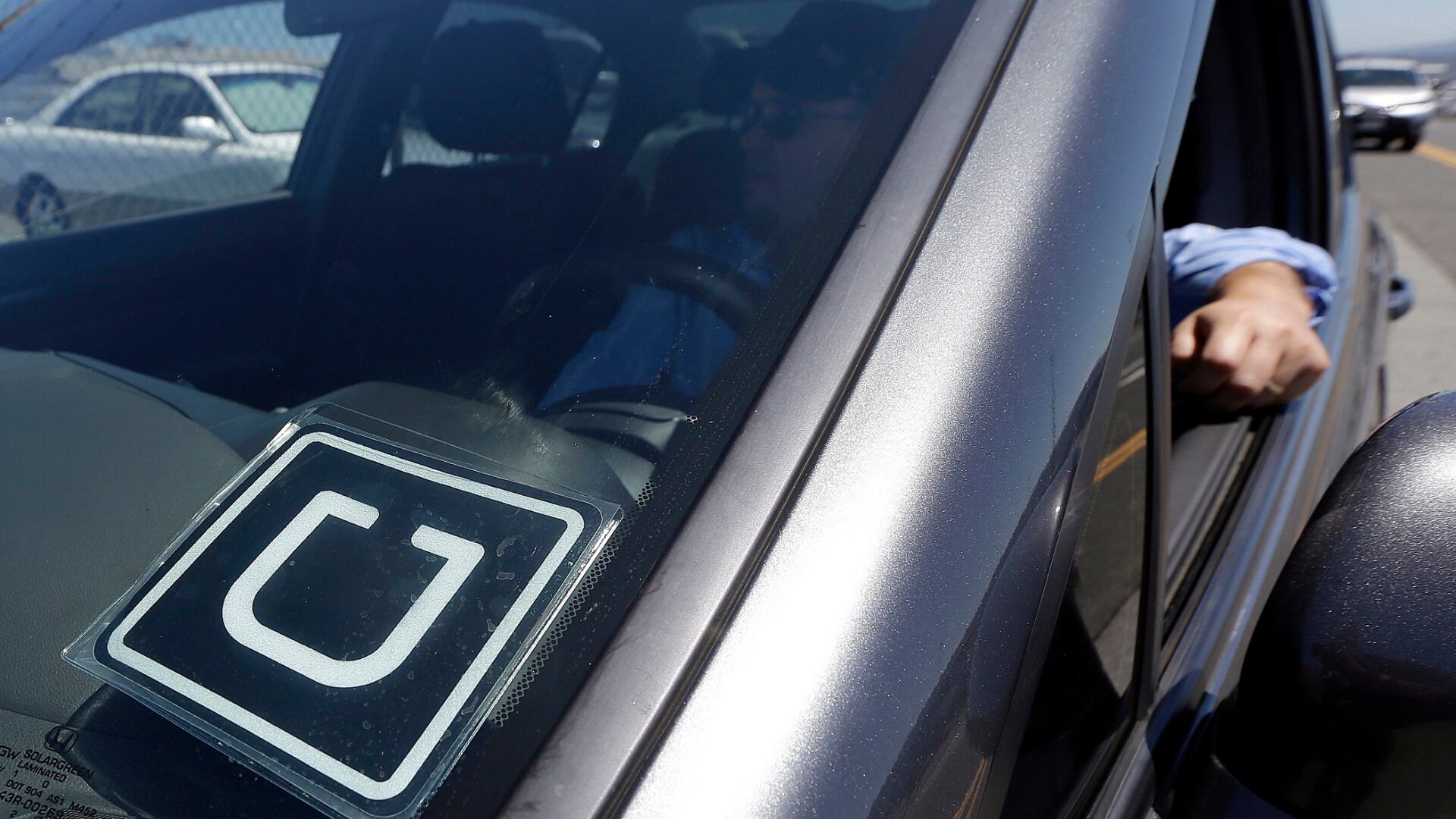
The Department of Justice has filed a lawsuit against Uber, alleging the ride-hailing company discriminates against customers with disabilities. The DOJ is arguing that its two-minute wait period before a cancellation fee is applied violates the Americans With Disabilities Act.
Food delivery giant DoorDash is acquiring European food delivery company Wolt. The all-stock deal is valued at $8.1 billion and is expected to close in the first half of 2022. The companies say they share a mission to build a global delivery platform. Gerber Kawasaki investment advisor Eva Agi joins Cheddar News' Closing Bell to discuss what the deal means for Doordash, as well as its customers and investors.