*By Michael Teich*
Though iPhones and Mac computers made in China have been spared U.S. tariffs, the brewing trade war between Washington and Beijing could finally catch up with Apple, the world's most valuable publicly traded company.
None of the tariffs considered by the Trump administration so far have materially affected Apple's business, but in his third-quarter earnings call with analysts on Tuesday, Apple's CEO Tim Cook said it was too early to predict if other policies under consideration could affect the company's bottom line.
"Our view on tariffs is that they show up as a tax on the consumer and wind up resulting in lower economic growth," Cook said in Tuesday's call.
Mike Murphy of Quartz told Cheddar that consumers' willingness to pay for Apple's most expensive productーthe iPhone Xーis a good sign that even a trade-war inspired bump in prices for its other devices won't deter loyal iPhone users.
"If we have no problem buying a $1,000 phone, we'll probably have no problem buying a $1,100 phone," Murphy said in an interview Wednesday. The iPhone represents Apple's biggest source of revenue.
If tariffs were to hit Apple, they would likely affect the company's fastest-growing division, "Other Products," which includes Apple Watch, AirPods, and the HomePod.
Revenue from other products reached $3.74 billion in the third quarter, up 36 percent from a year earlier. Apple doesn't disclose exact numbers for the Apple Watch, but Cook said sales grew in the "mid-40 percent range."
Apple does not appear worried about the prospect of tariffs dampening its business. The Cupertino-based company delivered fiscal fourth quarter revenue guidance of between $60 billion and $62 billion, topping Wall Street's estimate of $59.47 billion, according to StreetAccount.
For full interview, [click here](https://cheddar.com/videos/apple-spared-trumps-tariffs-for-now).
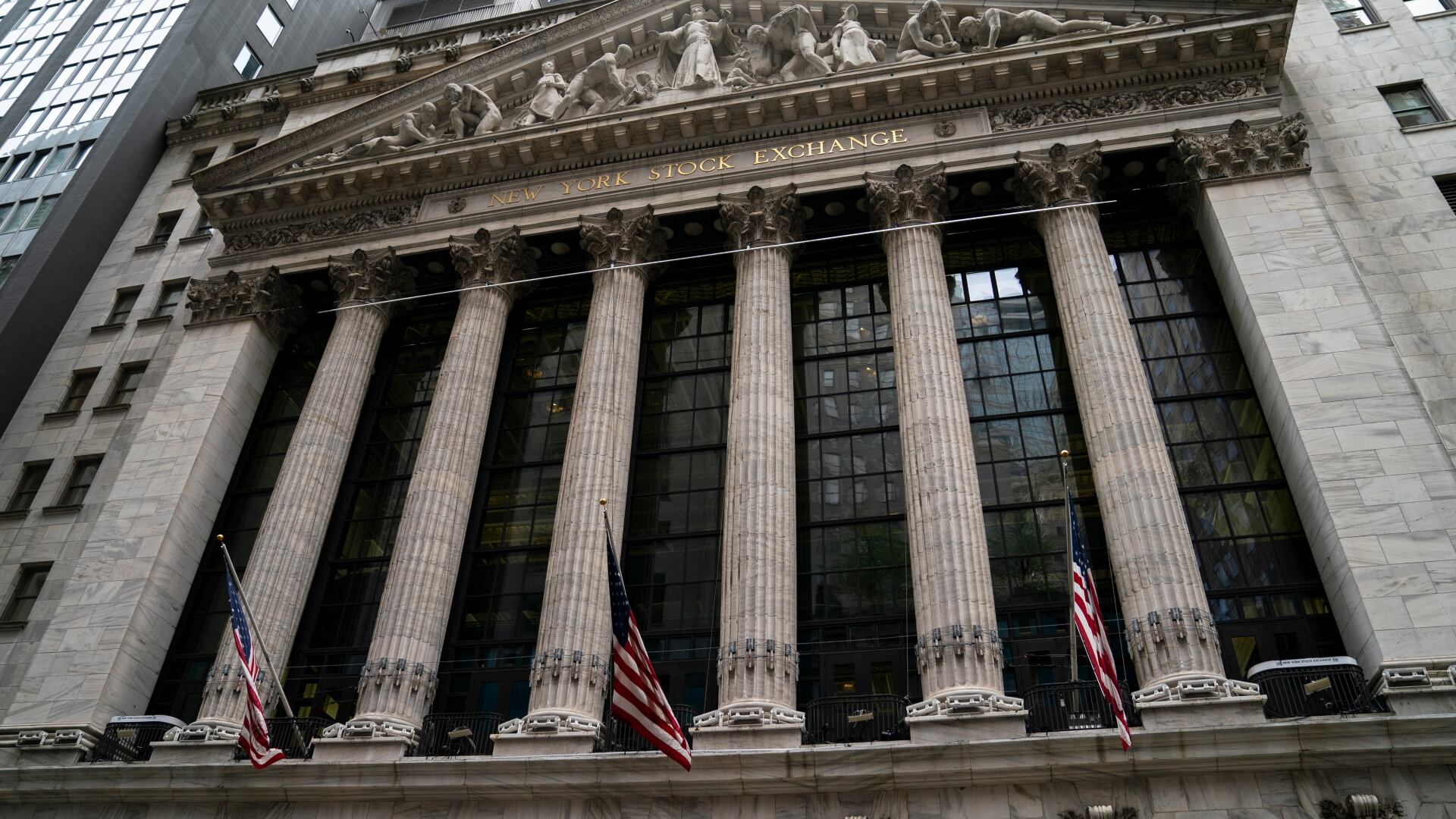
Stocks closed lower Thursday with the tech-heavy Nasdaq in particular under pressure as investors dump tech stocks amid interest rate hike fears. This is the third session in a row that the Nasdaq has slipped. Meanwhile, rate-sensitive stocks gained one day after the Federal Reserve announced its more hawkish policy including three rate hikes this year. Kristina Hooper, Chief Global Market Strategist at Invesco, joins Cheddar News' Closing Bell to discuss today's close, this week's Fed minutes and the central bank's new hawkish policy, and more.
Kim Grauer, Director of Research for Chainalysis, joins Cheddar News' Closing Bell, where she breaks down her recent study and says while scammers took a record $14 billion in crypto in 2021, the share of overall activity of those events are at an all-time low.
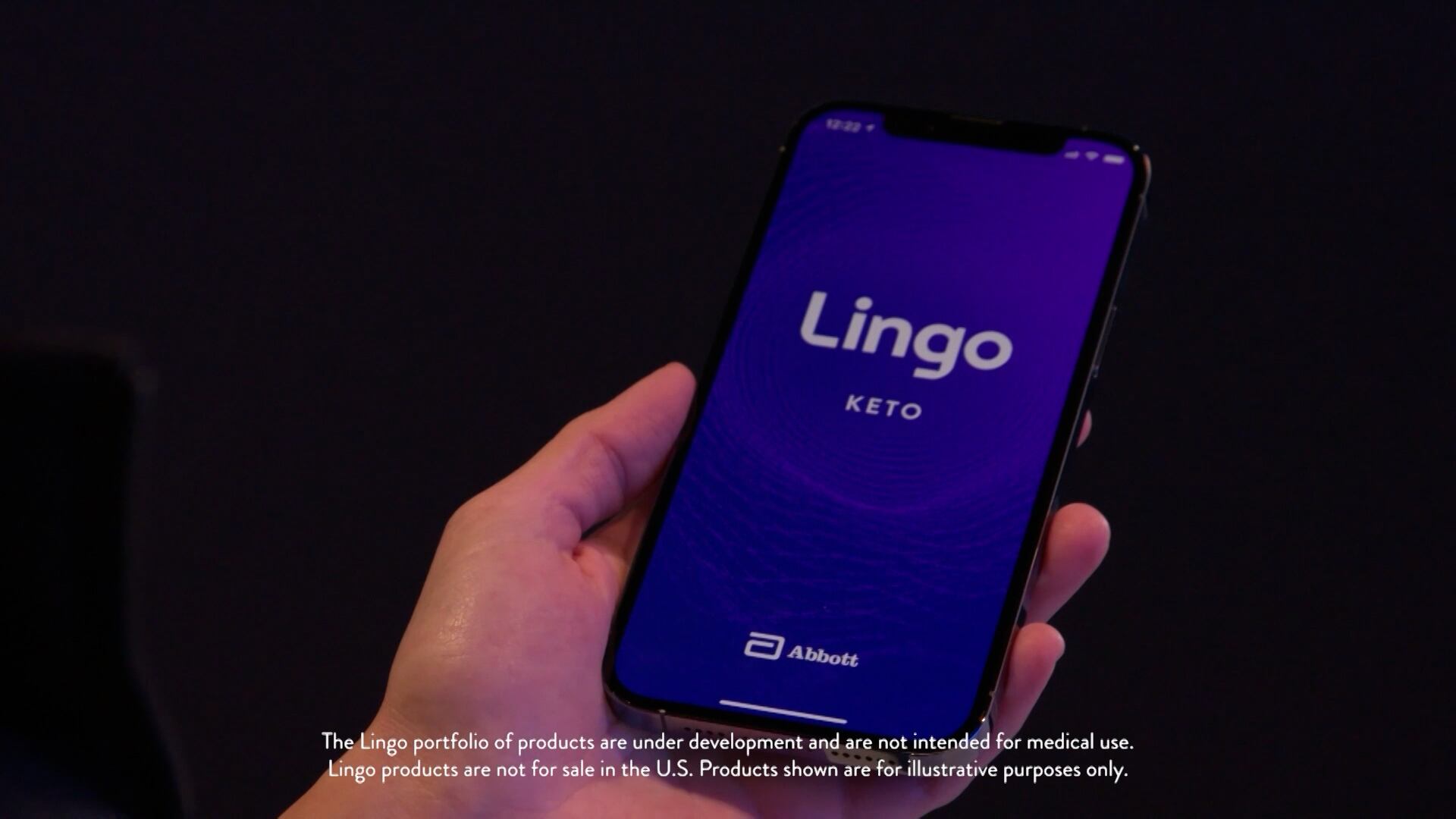
Jared Watkin, senior vice president, diabetes care, at Abbott Laboratories, joined Michelle Castillo from the CES 2022 floor to discuss the future of health tech, including Abbott's consumer-facing biowearable called Lingo. The accessory is supposed to send real-time biomarker information like glucose or ketone levels to the Lingo app for the wearer to review. "The idea is that it's a window into your body," Watkin said. "It gives you insight into what's going on in your body and the certain circumstances that you otherwise wouldn't be able to have."
Aaron Jefferson, VP of product at Luminar, joined Cheddar to discuss partnering with automaker Volvo to bring its LIDAR (light detection and ranging) tech into autonomous cars capable of safely driving on the highway. While companies like Tesla have come under fire due to safety issues with its self-driving technology, Jefferson noted how his company's tech differs. "Our LIDAR, its iris sensor that's really set for production, is able to sense, understand, and give the vehicle confidence to react accordingly such that you don't have these same types of issues," he said. The Ride Pilot technology in Volvo vehicles will be rolled out in California following safety testing.
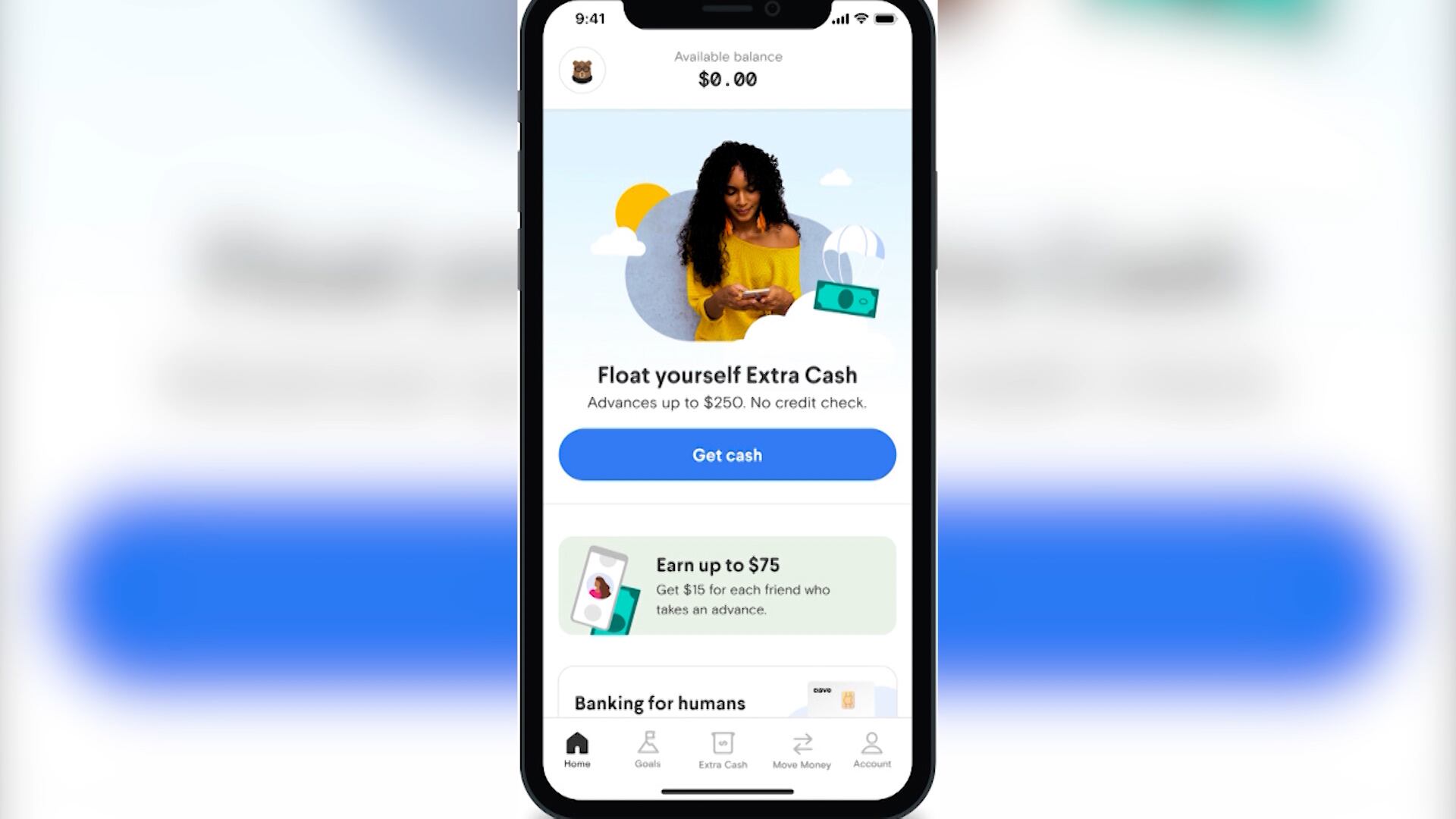
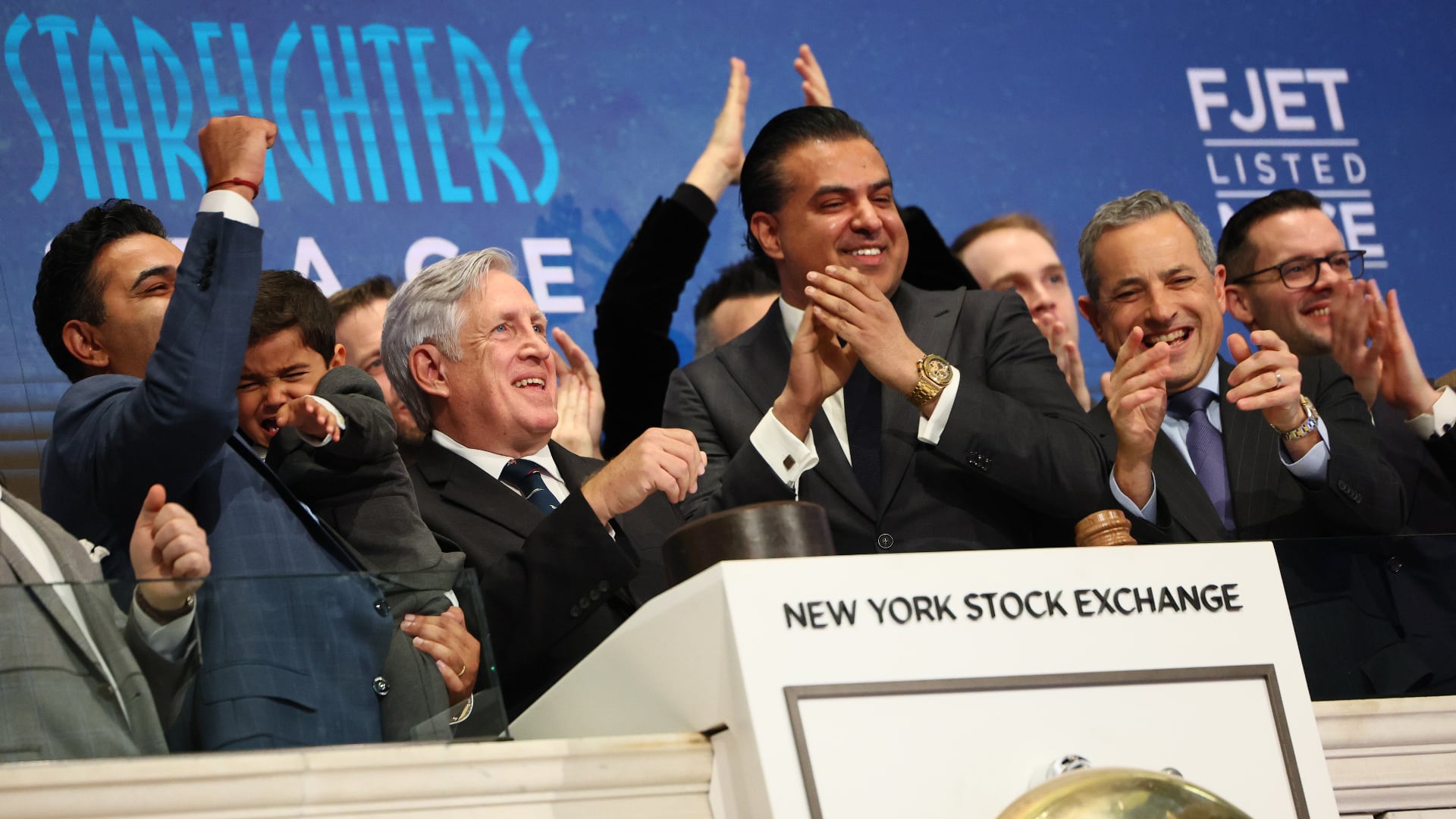
The fintech app backed by billionaire Mark Cuban called Dave made its public debut on the Nasdaq Thursday via a SPAC merger. CEO and co-founder Jason Wilk spoke to Cheddar's Kristen Scholer about the IPO and how his company's services distinguish it from traditional banks. "Customers come to us because they're tired of paying $20 billion of overdraft fees, and they come to Dave, they download our app, and within minutes they can get access to $250 of no interest credit, which we give them through our own proprietary machine learning model," he told Cheddar.
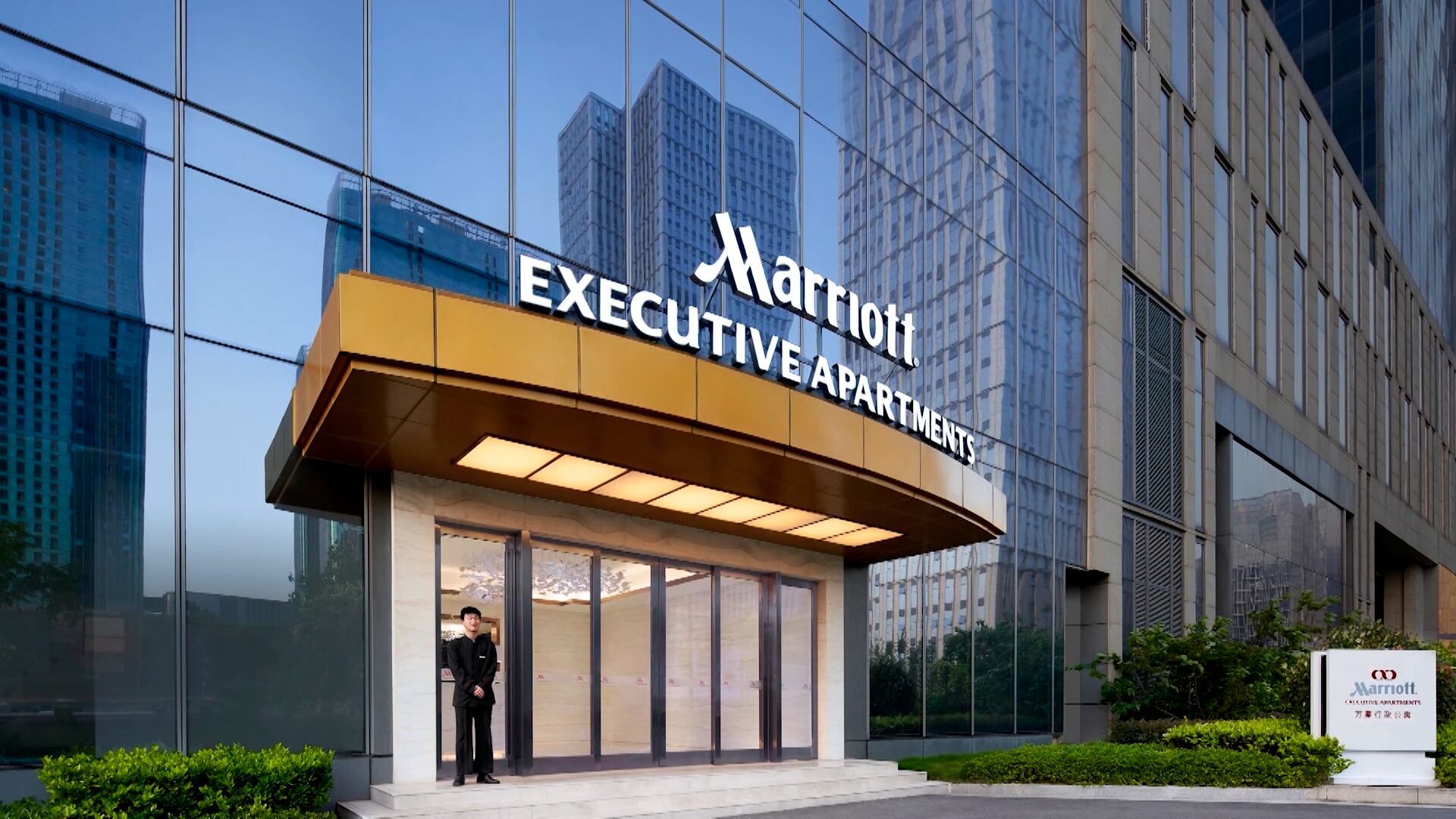
Stephanie Linnartz, president of Marriott International, joined Cheddar's "Closing Bell" to talk about the launch of the Marriott Design Lab, a new facility within its Bethesda, Maryland, headquarters to explore innovative tech offerings for bolstering the guest experience. "It's all around figuring out how we can innovate in the guest room in the public space, looking at how we can use robotics, improve sustainability, etcetera," she said. Some short-term changes in the future Linnartz also noted is an expansion of the chain's mobile capabilities to make check-in and check-out an easier process for guests, as well as mobile room service, from the feedback it received during the pandemic.
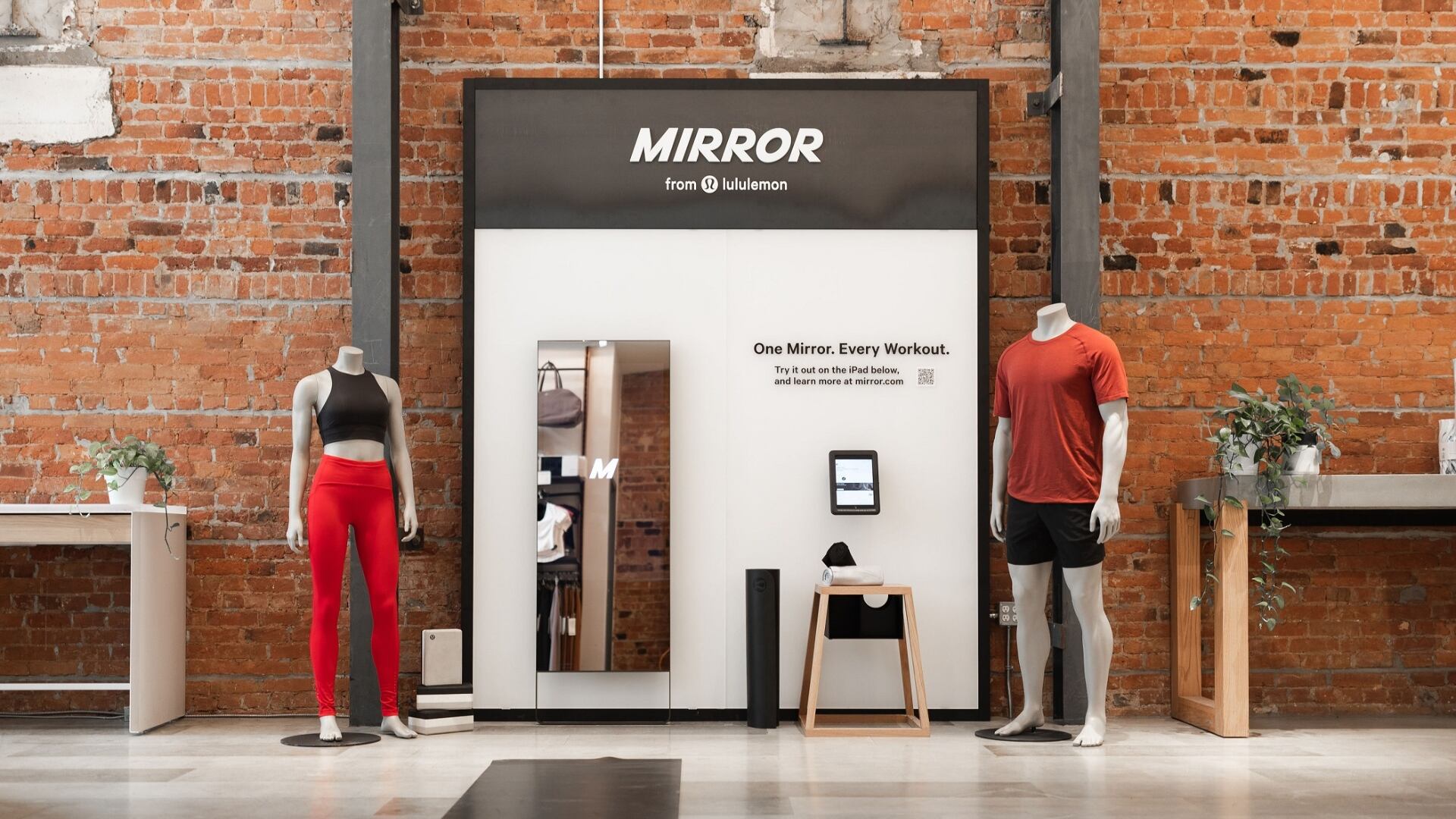
Nike has initiated a lawsuit against athletic apparel retailer and competitor Lululemon over claims of patent infringement. The sneaker giant is claiming the technology in their rival's MIRROR home gym was patented back in 1983.
Adi Robertson, senior reporter at The Verge, joins Cheddar News to break down the battle between two NFT collections by Phunky Ape Yacht Club and PHAYC that are selling plagiarized Bored Ape Yacht Club designs.
Dan Diasio, EY Global Artificial Intelligence Consulting Leader, joins Cheddar News to discuss the role of artificial intelligence for everyday consumers, what hurdles are holding back for greater A.I. adoption, and advice for businesses using this emerging tech.