*By Michael Teich*
Though iPhones and Mac computers made in China have been spared U.S. tariffs, the brewing trade war between Washington and Beijing could finally catch up with Apple, the world's most valuable publicly traded company.
None of the tariffs considered by the Trump administration so far have materially affected Apple's business, but in his third-quarter earnings call with analysts on Tuesday, Apple's CEO Tim Cook said it was too early to predict if other policies under consideration could affect the company's bottom line.
"Our view on tariffs is that they show up as a tax on the consumer and wind up resulting in lower economic growth," Cook said in Tuesday's call.
Mike Murphy of Quartz told Cheddar that consumers' willingness to pay for Apple's most expensive productーthe iPhone Xーis a good sign that even a trade-war inspired bump in prices for its other devices won't deter loyal iPhone users.
"If we have no problem buying a $1,000 phone, we'll probably have no problem buying a $1,100 phone," Murphy said in an interview Wednesday. The iPhone represents Apple's biggest source of revenue.
If tariffs were to hit Apple, they would likely affect the company's fastest-growing division, "Other Products," which includes Apple Watch, AirPods, and the HomePod.
Revenue from other products reached $3.74 billion in the third quarter, up 36 percent from a year earlier. Apple doesn't disclose exact numbers for the Apple Watch, but Cook said sales grew in the "mid-40 percent range."
Apple does not appear worried about the prospect of tariffs dampening its business. The Cupertino-based company delivered fiscal fourth quarter revenue guidance of between $60 billion and $62 billion, topping Wall Street's estimate of $59.47 billion, according to StreetAccount.
For full interview, [click here](https://cheddar.com/videos/apple-spared-trumps-tariffs-for-now).
The highly transmissible omicron variant of COVID-19 has forced school districts nationwide to return to virtual instruction, but there remain concerns about the quality of education students are receiving online. Andy Bird, CEO of Pearson, an education publisher and assessment service provider, joined Cheddar's "Opening Bell" to talk about steps educators and parents can take to make the remote learning experience an easier one, noting that one of the biggest advantages teachers can have is flexibility. "You cannot take a rigid timetable that works in the analog world and replicate that in the digital world. You need to have flexibility. Asynchronous learning, I think, is a very important part," he told Cheddar.
Rob Dongoski, EY Food and Agriculture Leader, joins Cheddar News to discuss what advancements in tech will shape the future of food, and how we are going to see more and more personalization in the food system.
The year 2021 saw numerous natural disasters around the world, including extreme heat and wildfires, rare deep freezes, and historic flooding. This year's United Nations COP26 conference was key for getting world leaders on board with emissions reductions and other climate-focused policies as the UN Secretary-General said the agency's report on global warming is a 'code red for humanity.' In the U.S., President Joe Biden has focused most of his domestic agenda on slashing emissions and building climate-focused infrastructure. Guests from The Economist, UNC-Chapel Hill, Global Rescue, and more join Cheddar Climate's year-end special to discuss how the climate changed in 2021, and what to expect in 2022.
It's no secret tech giant Amazon has a mission of becoming a major player in sports media, and the company is poised to make progress on that goal in 2022. Amazon Prime Video will be the exclusive home to Thursday Night Football for the 2022-23 NFL season. In December, the New York Post reported that Amazon is in the beginning stages of developing studio sports programs, and hopes to soon have a full daily lineup of sports shows. Front Office Sports senior reporter A.J. Perez joined Cheddar News' Closing Bell to discuss.
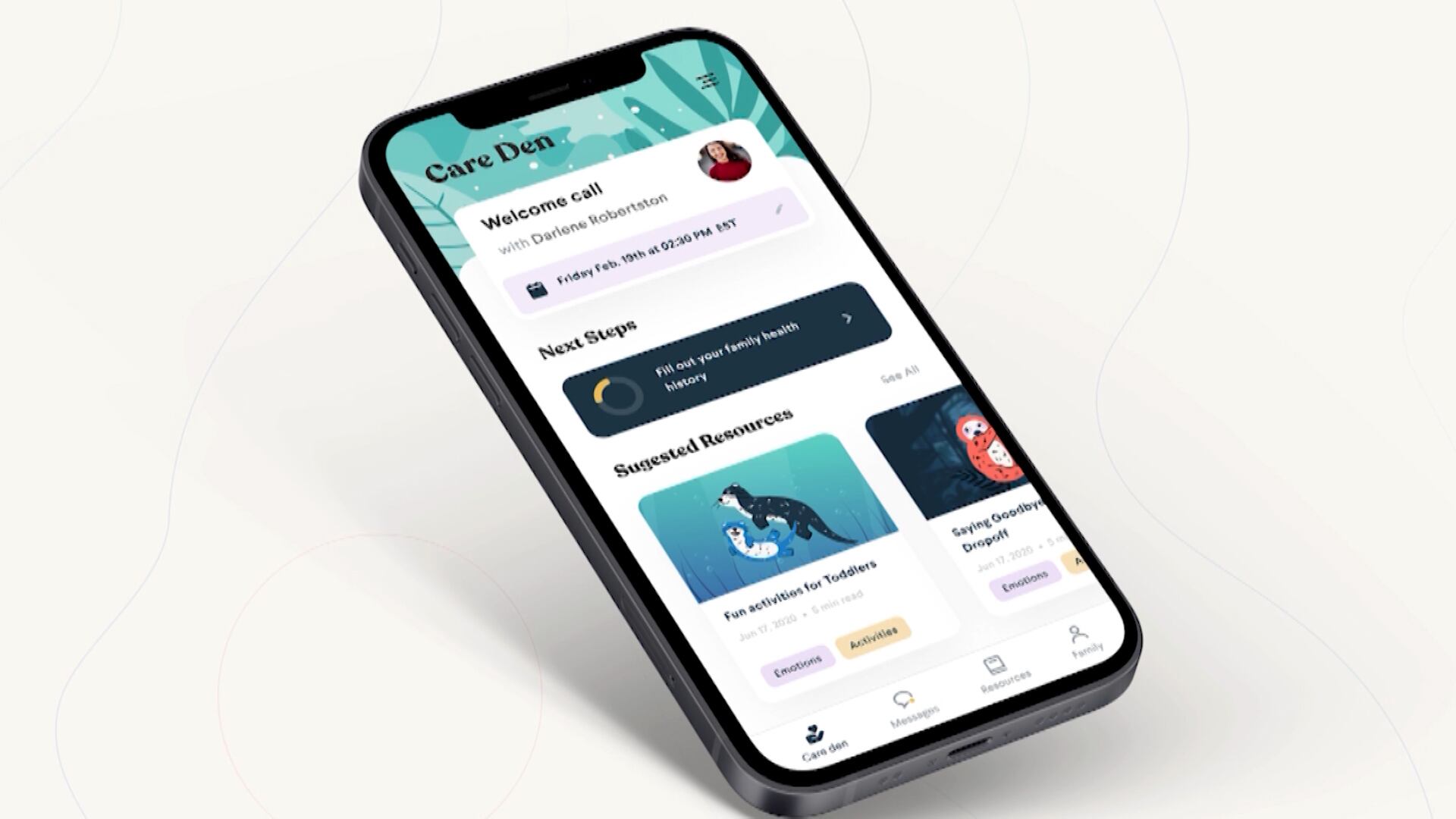
Digital mental health company Little Otter recently announced it closed a $22 million Series A round. Little Otter was founded in 2020 by a mother-daughter team, which based the company on the idea that a child's mental health can only be addressed by treating the whole family through technology available to everyone. Little Otter CEO and co-founder Rebecca Egger and her mother, Little Otter Chief Medical and Scientific Officer and co-founder Dr. Helen Egger joined Cheddar News' Closing Bell to discuss.