*By Michael Teich*
Though iPhones and Mac computers made in China have been spared U.S. tariffs, the brewing trade war between Washington and Beijing could finally catch up with Apple, the world's most valuable publicly traded company.
None of the tariffs considered by the Trump administration so far have materially affected Apple's business, but in his third-quarter earnings call with analysts on Tuesday, Apple's CEO Tim Cook said it was too early to predict if other policies under consideration could affect the company's bottom line.
"Our view on tariffs is that they show up as a tax on the consumer and wind up resulting in lower economic growth," Cook said in Tuesday's call.
Mike Murphy of Quartz told Cheddar that consumers' willingness to pay for Apple's most expensive productーthe iPhone Xーis a good sign that even a trade-war inspired bump in prices for its other devices won't deter loyal iPhone users.
"If we have no problem buying a $1,000 phone, we'll probably have no problem buying a $1,100 phone," Murphy said in an interview Wednesday. The iPhone represents Apple's biggest source of revenue.
If tariffs were to hit Apple, they would likely affect the company's fastest-growing division, "Other Products," which includes Apple Watch, AirPods, and the HomePod.
Revenue from other products reached $3.74 billion in the third quarter, up 36 percent from a year earlier. Apple doesn't disclose exact numbers for the Apple Watch, but Cook said sales grew in the "mid-40 percent range."
Apple does not appear worried about the prospect of tariffs dampening its business. The Cupertino-based company delivered fiscal fourth quarter revenue guidance of between $60 billion and $62 billion, topping Wall Street's estimate of $59.47 billion, according to StreetAccount.
For full interview, [click here](https://cheddar.com/videos/apple-spared-trumps-tariffs-for-now).
A 2021 report from UK Research and Innovation found that the shipping industry makes up at least 2.5 percent of the world's total CO2 emissions. It's a problem that energy solutions company, Leclanché, is trying to solve. Founded in 1909, the company has been developing and producing batteries for more than 100 years. Today, Leclanché's lithium-ion battery is used to electrify not just ships, but also railroad locomotives, trucks, and specialty vehicles. Cheddar News spoke with Pierre Blanc, chief technology and industrial officer of Leclanché, to discuss.
Amazon is betting that ammonia could be the fuel of the future, participating in a Series A round for the Brooklyn-based company Amogy in December. Amogy aims to de-carbonize transportation with a clean energy system that uses ammonia as a renewable fuel. Amogy is partnering with Amazon on its first commercial product - an ammonia-powered cargo-shipping vessel. Amogy CEO Seonghoon Woo joins Cheddar Climate to discuss.
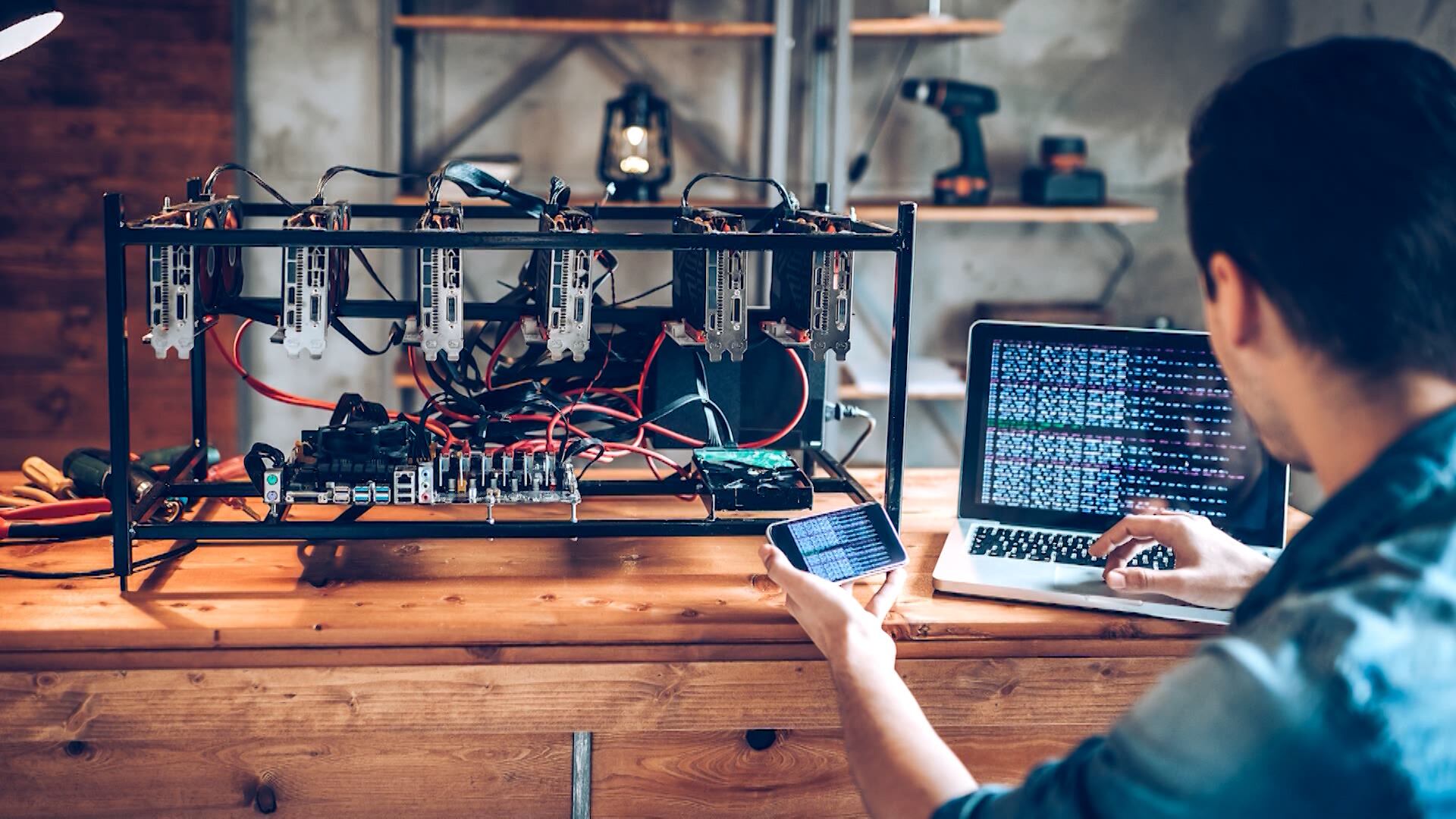
Joseph Pallant, Founder and Executive Director for the Blockchain for Climate Foundation, joins Cheddar Climate, where he discusses the among of energy crypto mining consumes and explains how his organization is on a mission to make the crypto industry more environmentally sustainable.
One of the world's largest transport companies is kicking off Black History Month with a new initiative aimed at the next generation of business leaders. Today, FedEx announced the launch of its Student Ambassador Program. Participants selected from eight historically black colleges and universities will receive career guidance from FedEx executives. The program is part of FedEx's ongoing commitment to HBCUs and will also help the company expand its pipeline for diverse talent. Cheddar News welcomes senior vice president at FedEx, Jenny Robertson, and Jerryl Briggs, President of Mississippi Valley State University, to discuss.
Driver assistance monitoring systems are meant to keep the driver's eyes on the road, but according to a report from AAA, different ways of monitoring provide significantly different results. The study found that direct camera-based systems that scanned the driver's eye movements were faster and more reliable than those indirect systems that looked at steering-wheel input. Megan McKernan, the manager of automotive services for the Automobile Club of Southern California, joined Cheddar to discuss the findings. "Triple-A is recommending that automakers include both direct and indirect systems just to really prevent consumers from trying to misuse these systems," she said, noting that neither system on its own is not foolproof.
Pinterest recently added augmented reality to its portfolio. The image sharing and social media platform's new e-commerce tech will allow consumers to interact with retailers and visualize online products inside their homes.
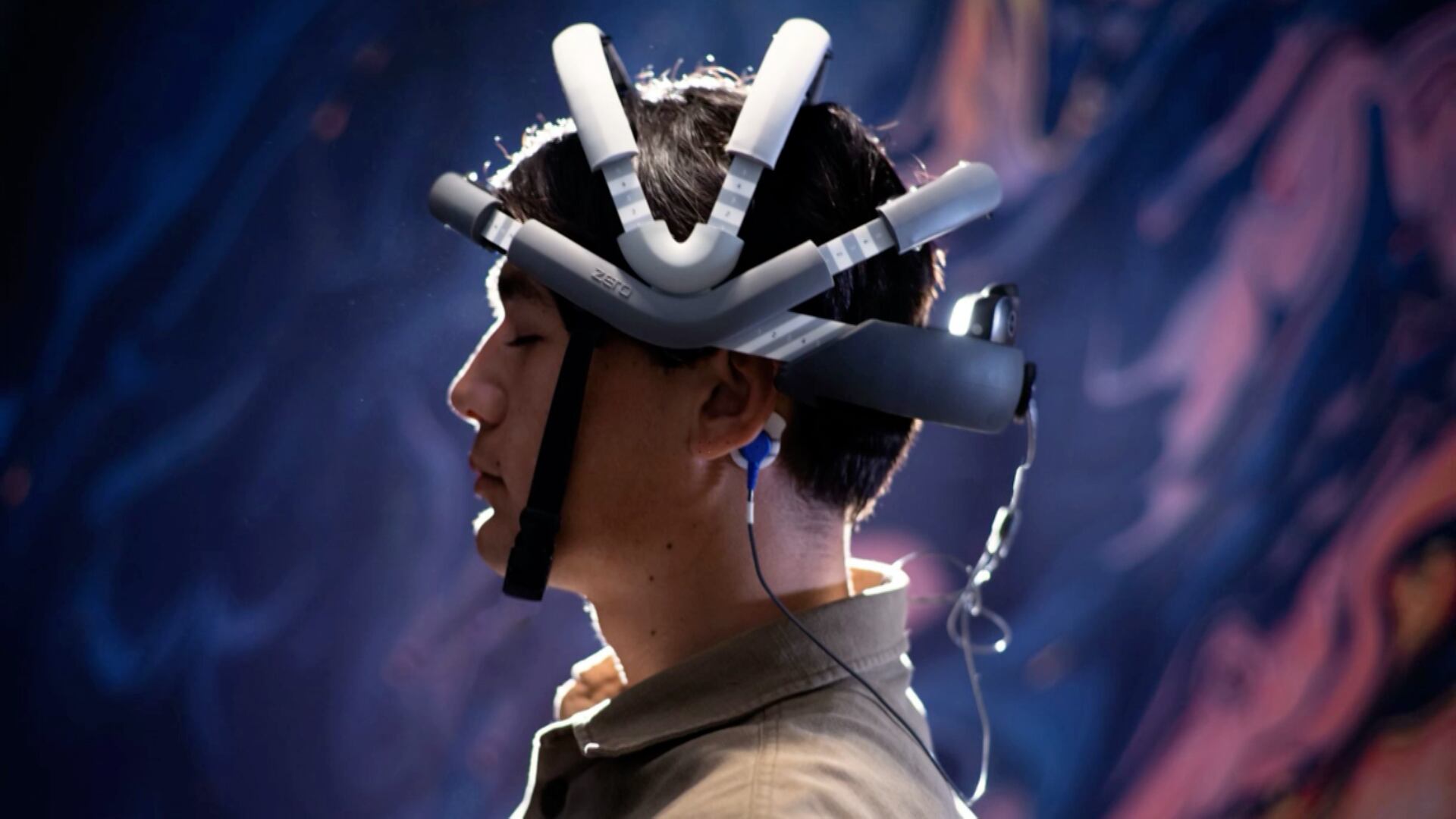
Wave Neuroscience is a neurological health tech company that specializes in clinical and at-home personalized brain stimulation technology. Erik Won, president and chief medical officer and Fred Walke, CEO, joined Cheddar's Opening Bell to discuss their company's hopes for allowing patients to identify and treat unique brain disorders while empowering them to understand their unique neurological makeups — including for the high-stress positions of professional athletes. "We have a mobile device that provides a very light stimulation that gives them a therapy that gives them confidence so there's a just knowing that they're doing something for it," said Walke. "But it also helps them get back into a rhythm. It helps their brain synchronize around certain frequencies that that we target, and it helps them really understand that they've done everything they can to get to their highest level of success."
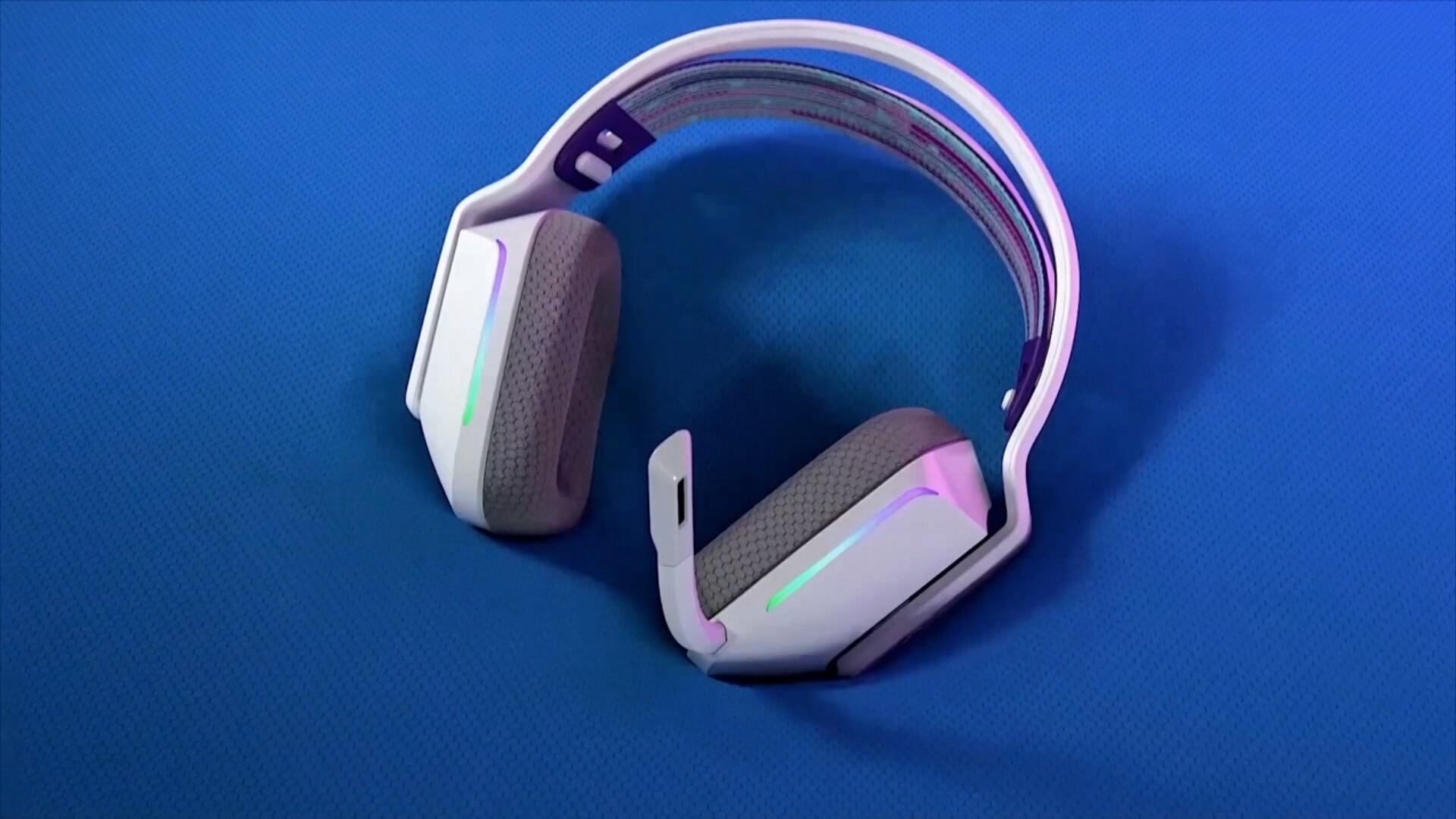
Logitech posted better-than-expected earnings in its third quarter, reporting sales of $1.63 billion dollars, down 2% from the year ago quarter, but well ahead of the Wall Street consensus of $1.48 billion dollars. The PC and gaming peripherals company also raised its annual guidance for both sales and profitability. Bracken Darrell, Logitech CEO, joined Cheddar to break down his reaction to the results, how the pandemic played a role in its growth, and where he wants to take the company next.
GM is scheduled to report its Q4 earnings after the bell on Tuesday February 1. Wall Street expects a miss as the automaker navigates the global chip shortage, which has hit car sales hard. Investors are looking for an update on production, as well as outlook for the electric vehicles that GM is investing billions to bring to market. Karl Brauer, executive analyst at iseecars.com, joined Cheddar to give a preview of the automaker's report.