The Times reported this week that the U.S. military was quietly preparing for the possibility of war with Pyongyang. Joel S. Wit, Senior Fellow at the U.S.-Korea Institute at Johns Hopkins and author of "Going Critical: The First North Korean Nuclear Crisis" joins The Hive to discuss what Americans need to worry about...and what they don't.
Wit says there is a chance of going to war with North Korea, but no one should think it will happen tomorrow. The reports of U.S. military exercises are very serious though, and people should take note. On the other hand, Wit says President Trump's tweets have made it seem like the situation is a lot more dire than it really is.
Plus, Wit adds that North Korea and South Korea banning together for the Winter Olympics is the first piece of positive news we've had in a long time from that region. However, he wonders what will happen after the Olympics. Will tensions continue to ease? Or will things go back to normal?
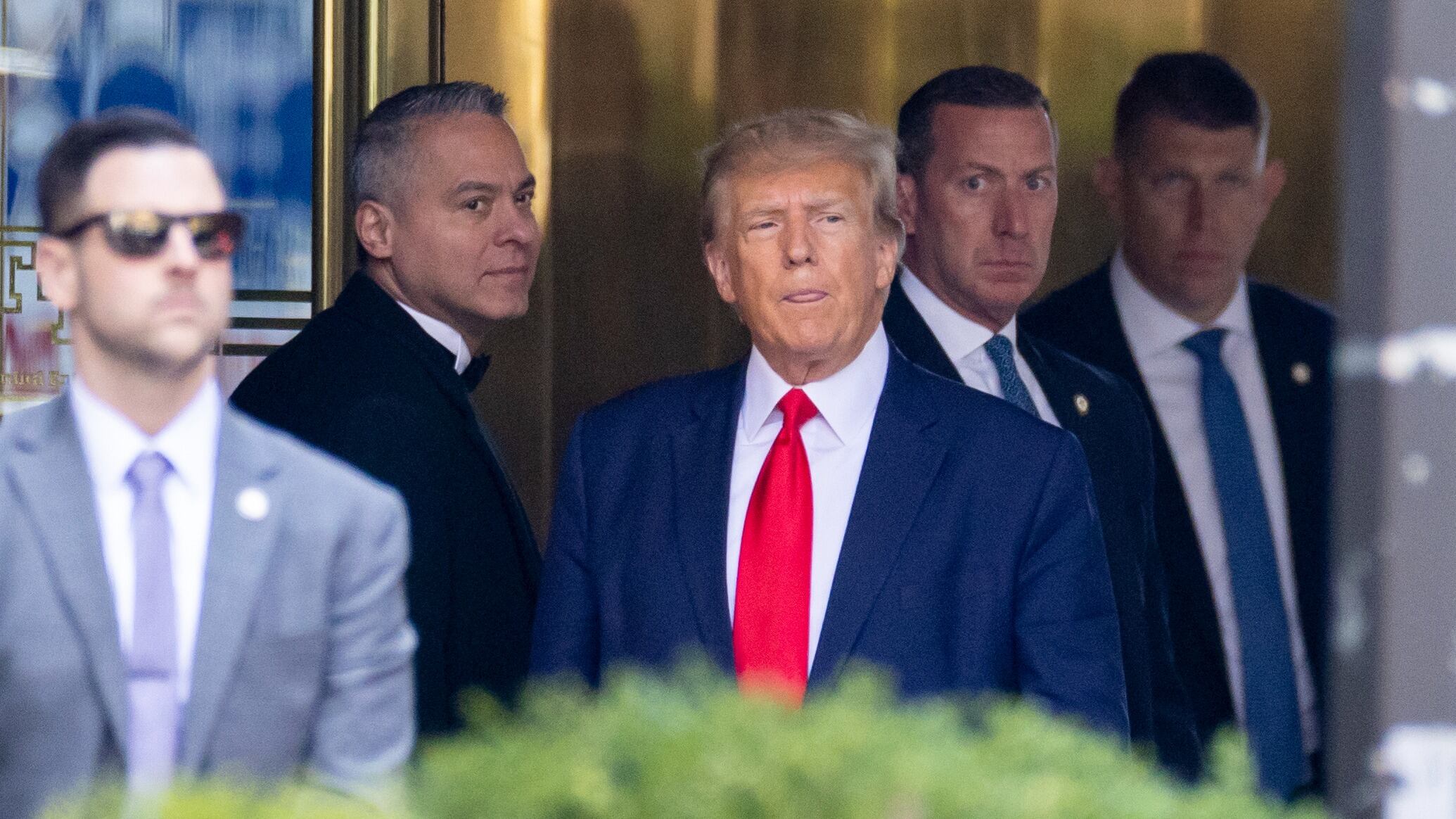
Former President Donald Trump answered questions for nearly seven hours Thursday during his second deposition in a legal battle with New York's attorney general over his company's business practices, reversing an earlier decision to invoke his Fifth Amendment protection against self-incrimination and remain silent.
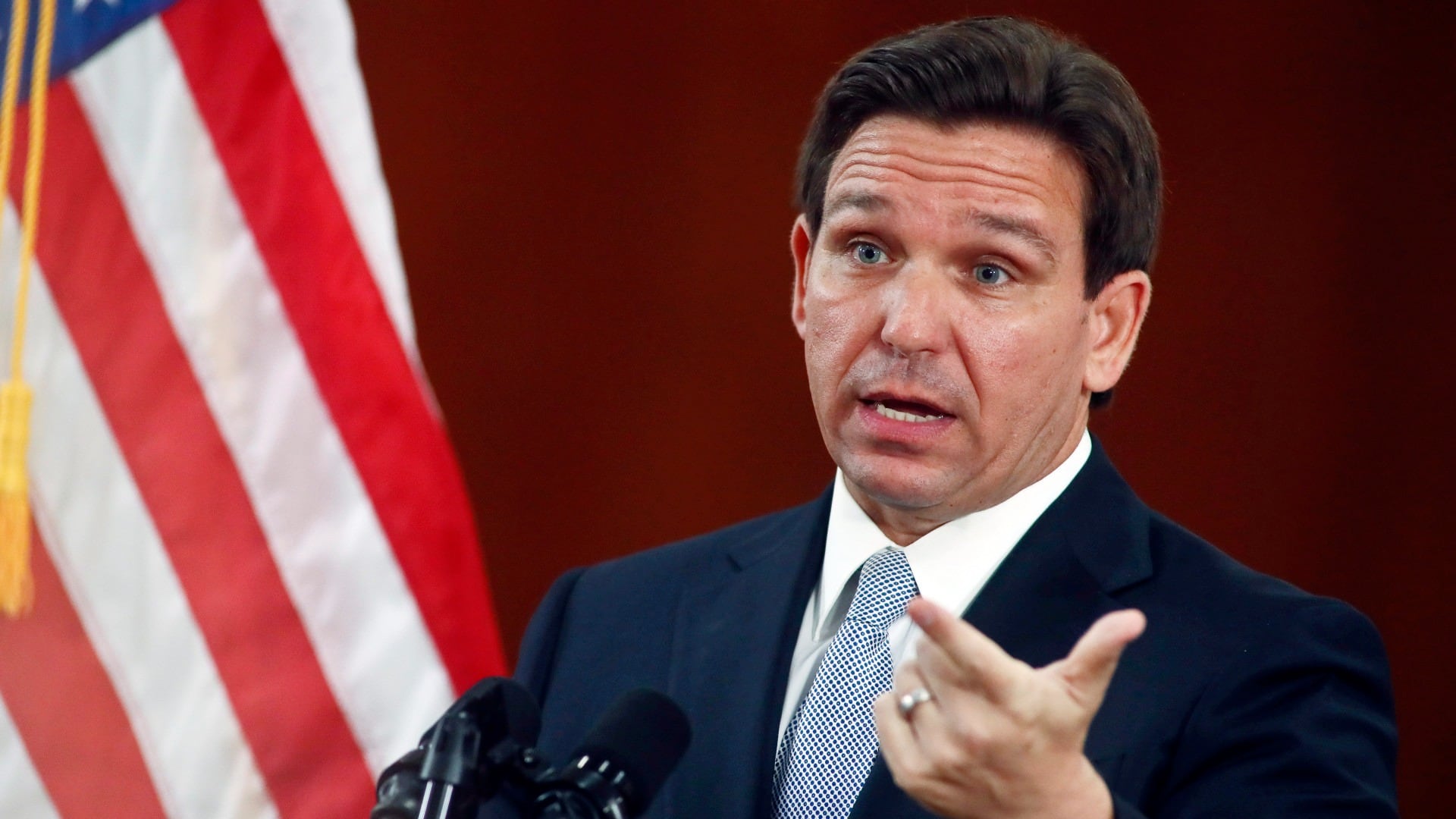
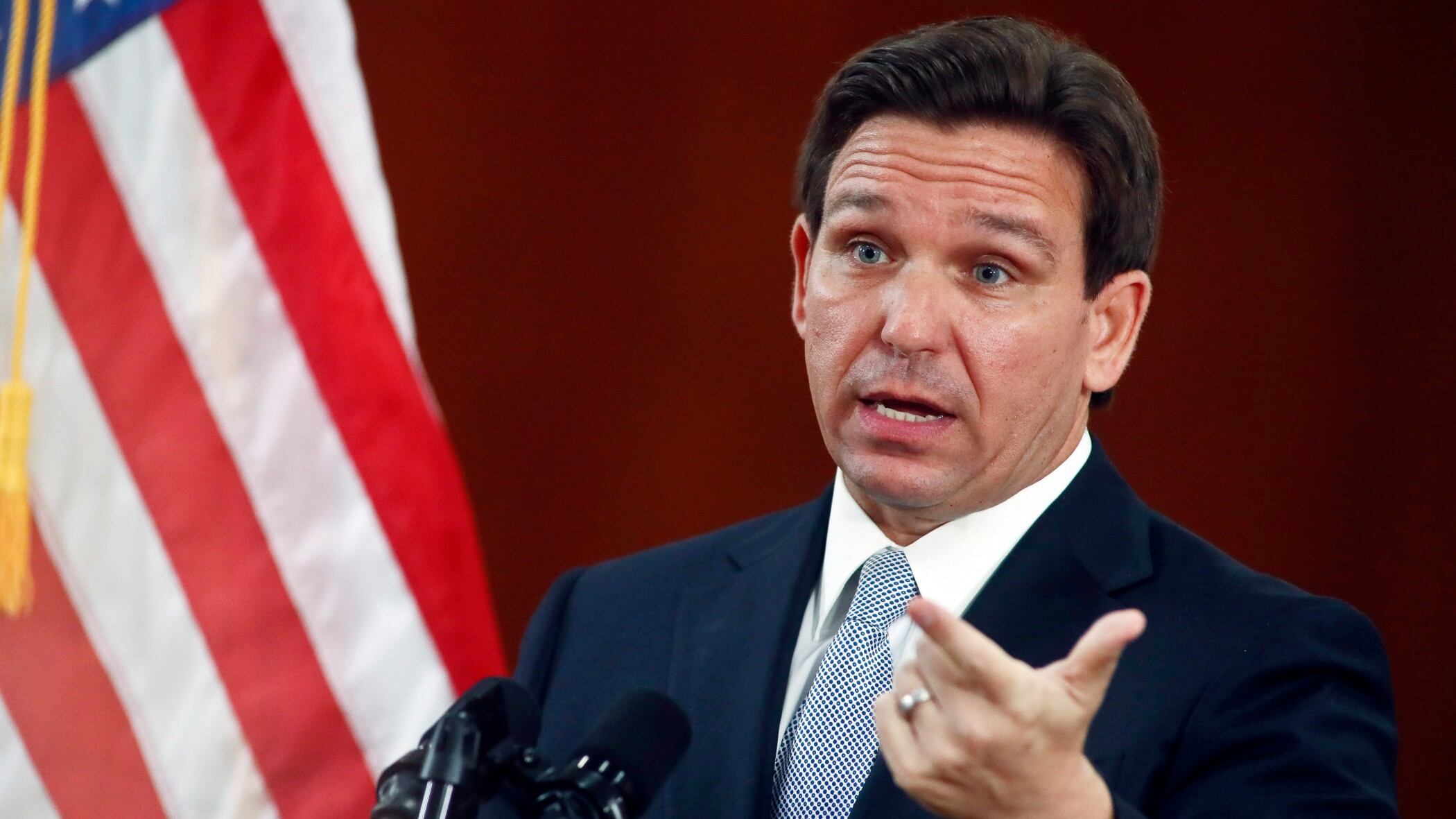
Republican Gov. Ron DeSantis has signed into law a bill approved by the Republican-dominated Florida Legislature to ban abortions after six weeks of pregnancy.
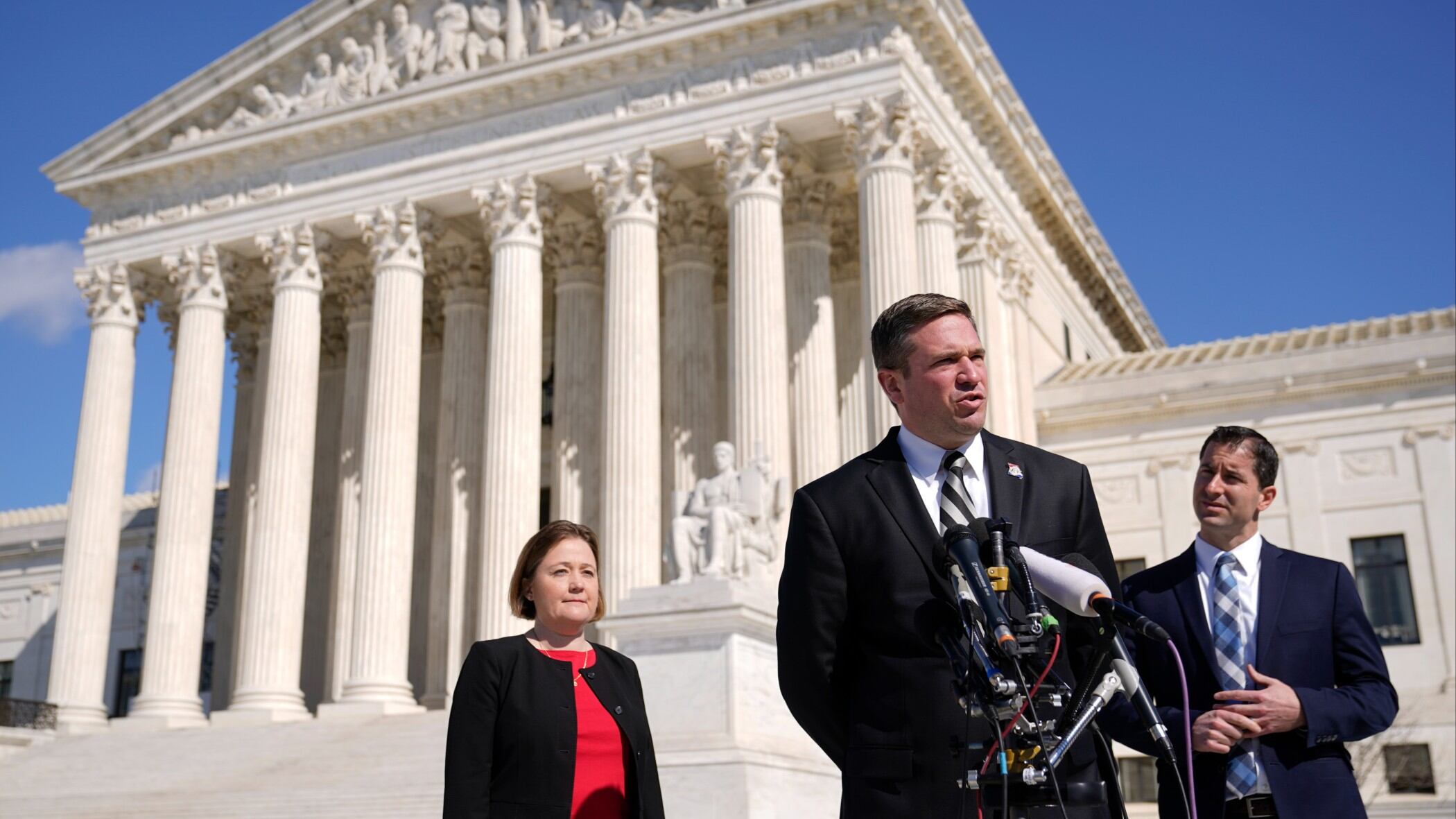
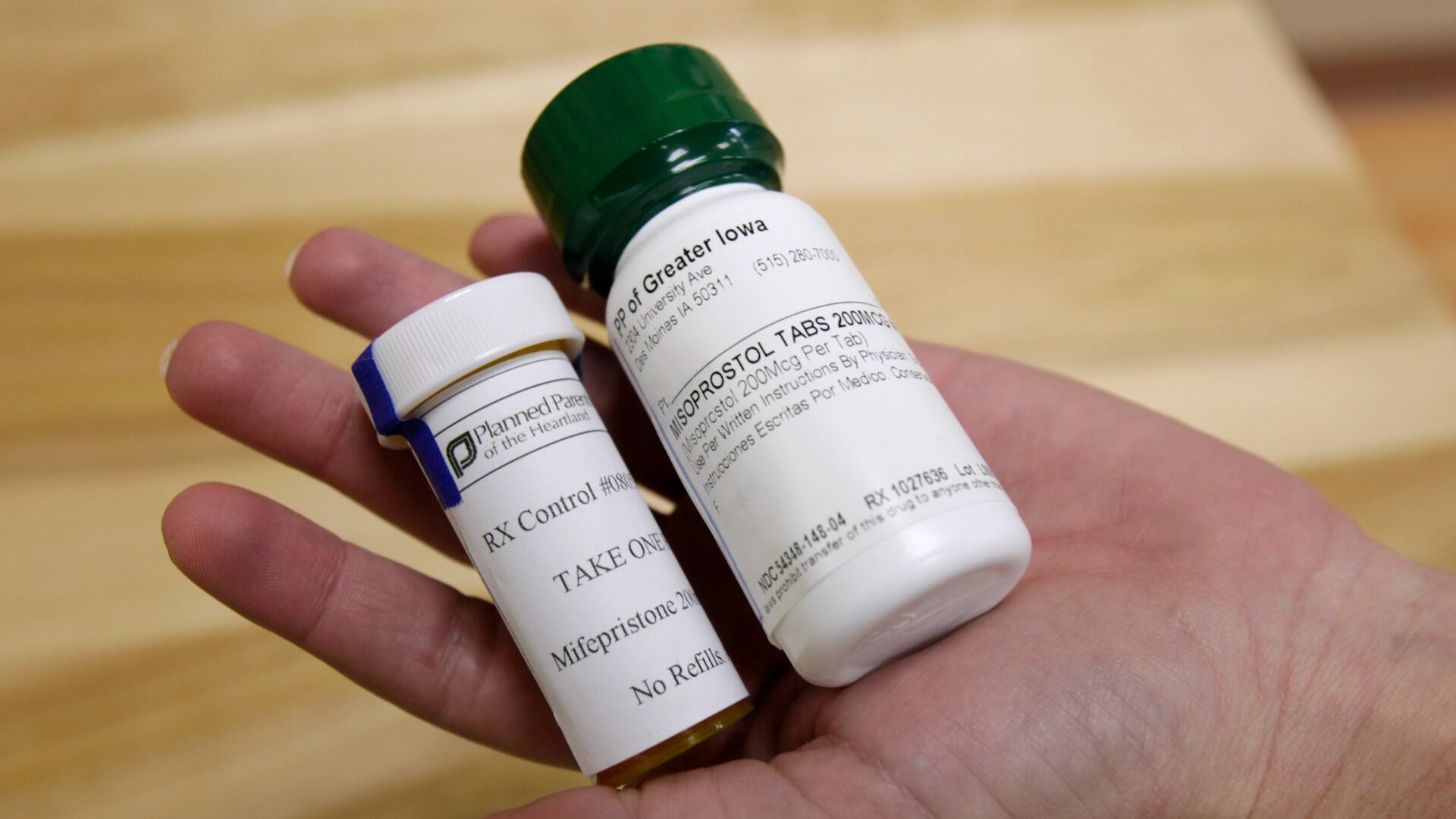
A federal appeals court has ruled that the abortion pill mifepristone can still be used for now but reduced the period of pregnancy when the drug can be taken and said it could not be dispensed by mail.
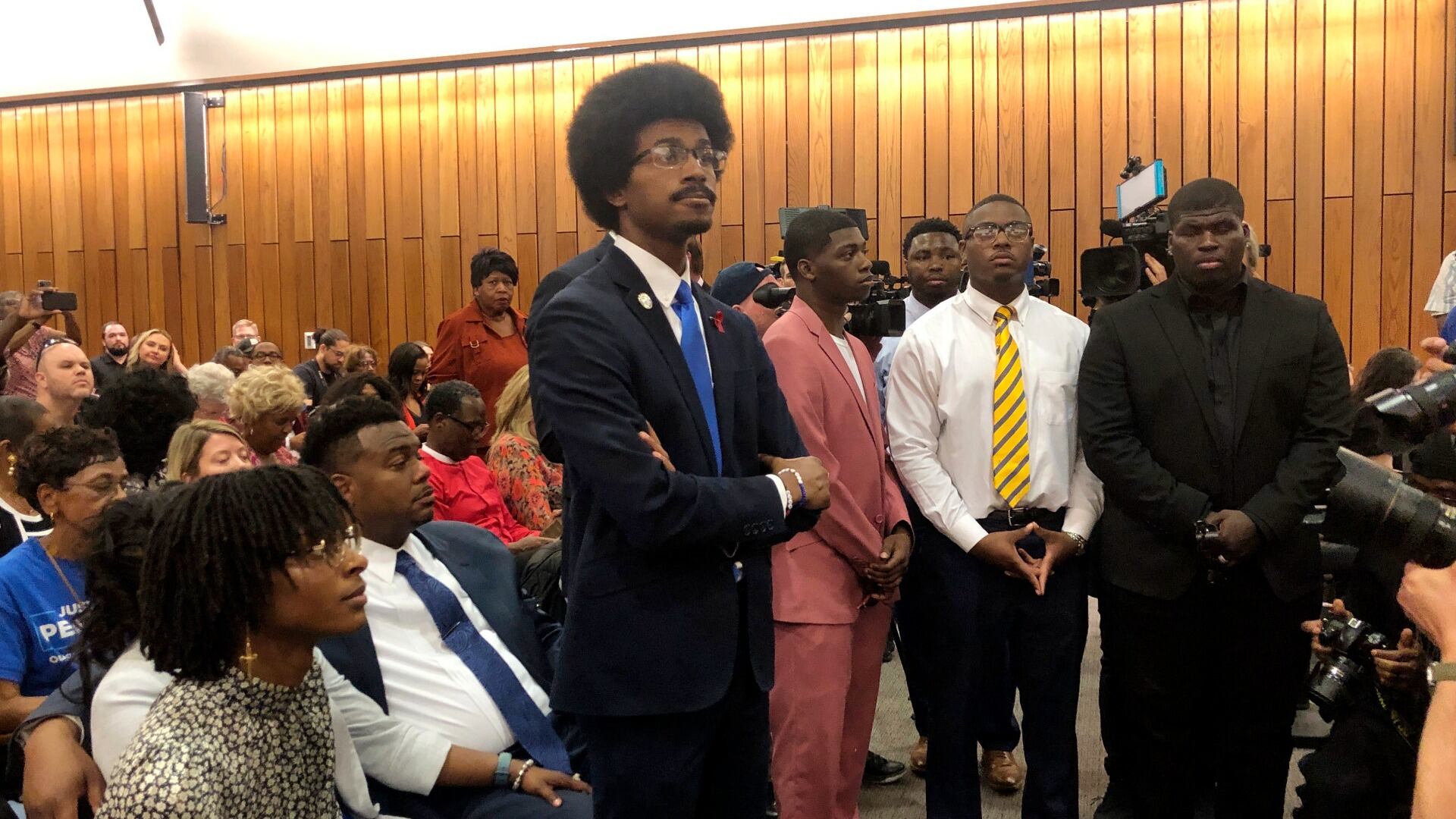
The second of two Black Democrats expelled from the Republican-led Tennessee House will return to the Legislature after a Memphis commission voted to reinstate him Wednesday.
Some abortion clinics are fielding lots of calls from patients since a court ruling last Friday threatened the availability of a main drug used in medication abortion, mifepristone.
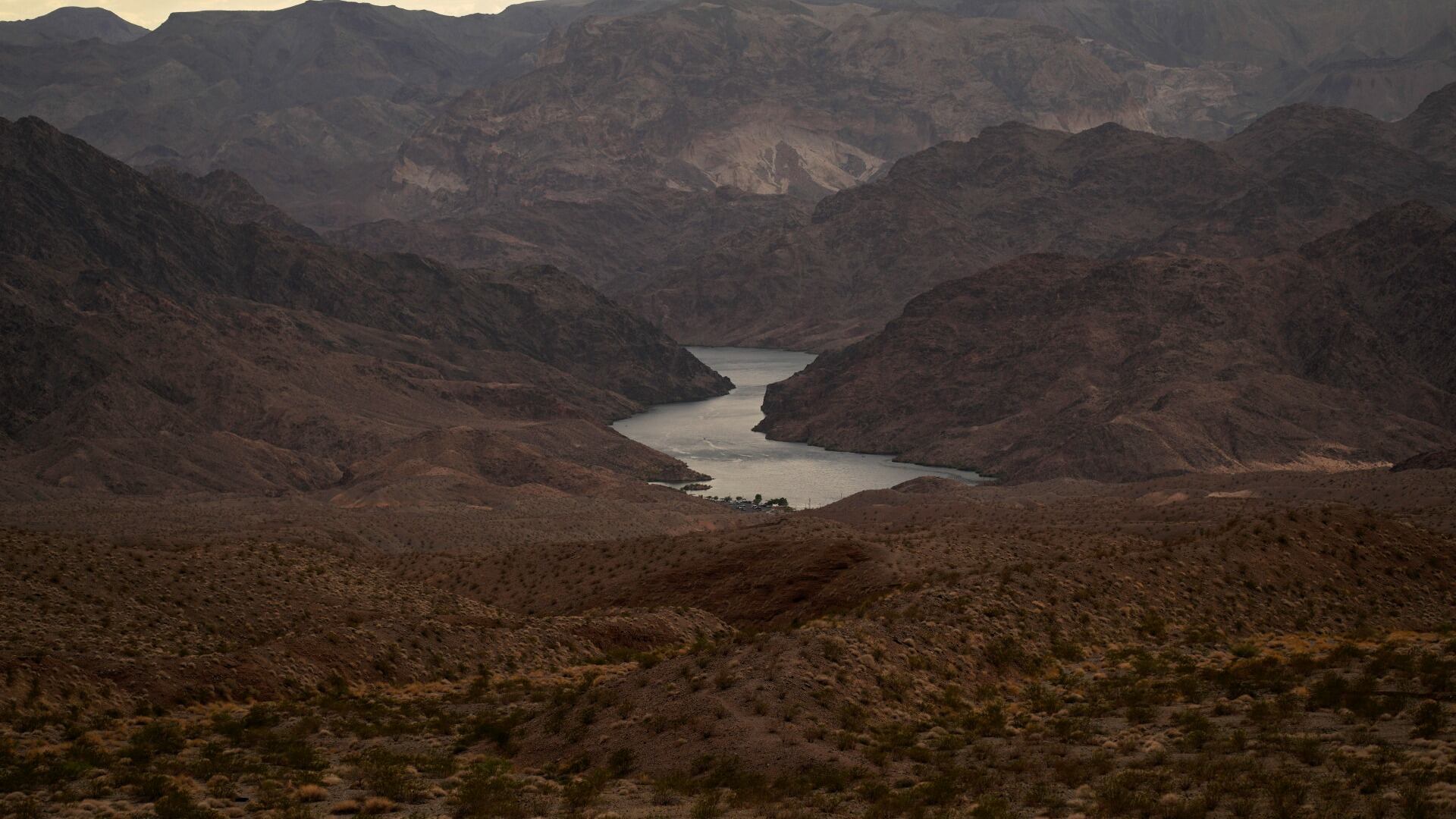
The Biden administration released an environmental analysis Tuesday that outlined two ways that seven Western states and tribes reliant on the over-tapped Colorado River could cut their use, but declined to publicly take a side on the best option.