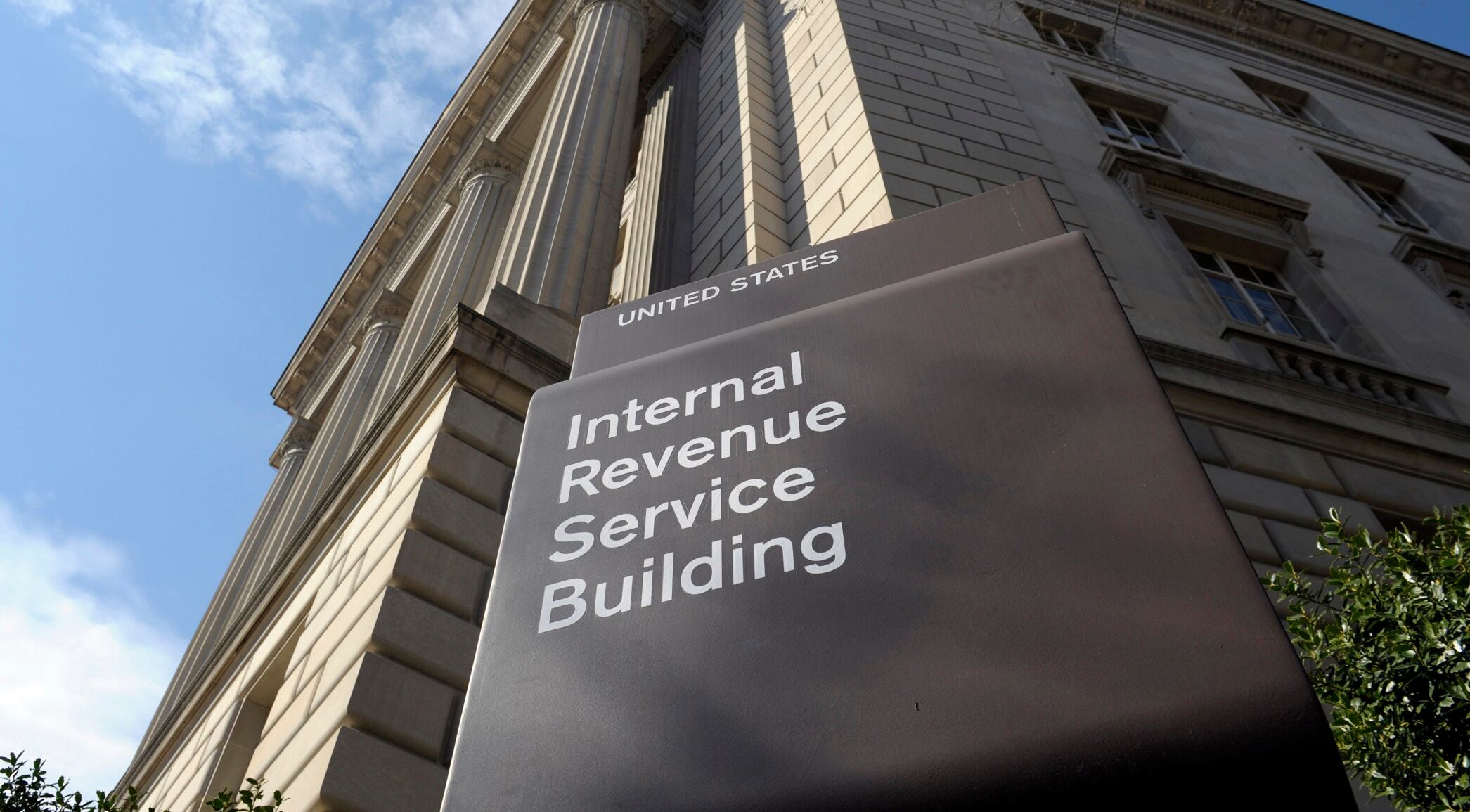
In this photo March 22, 2013, photo, the exterior of the Internal Revenue Service (IRS) building in Washington. The IRS sys it will stop using facial recognition technology to authenticate people who create online accounts after the practice came under criticism from privacy advocates and lawmakers (AP Photo/Susan Walsh, File)
By Fatima Hussein
The IRS said Monday it will suspend the use of facial recognition technology to authenticate people who create online accounts after the practice was criticized by privacy advocates and lawmakers.
The agency said it would no longer use a third-party service, called ID.me, for facial recognition. Critics of the software said the database could become a target for cyberthreats. They also expressed concern about how the information could be used by other government agencies, among other concerns.
Earlier Monday, Senate Finance Committee Chair Ron Wyden, D-Ore., called on the agency to end its use of the ID.me software. After the IRS announced the practice would be suspended, Wyden said "the Treasury Department has made the smart decision to direct the IRS to transition away from using the controversial ID.me verification service.”
"No one should be forced to submit to facial recognition to access critical government services,” he added.
The IRS is currently grappling with a worker shortage and an expanded workload from processing tax filings and administering pandemic-related programs. Legislation that would have given the agency billions of dollars to more expeditiously process returns is stalled.
“The IRS takes taxpayer privacy and security seriously, and we understand the concerns that have been raised,” said IRS Commissioner Chuck Rettig.
“Everyone should feel comfortable with how their personal information is secured, and we are quickly pursuing short-term options that do not involve facial recognition.”
The agency said the transition would occur “over the coming weeks in order to prevent larger disruptions to taxpayers during filing season.”
Federal health advisers voted overwhelmingly against an experimental treatment for Lou Gehrig’s disease at a Wednesday meeting prompted by years of patient efforts seeking access to the unproven therapy.
Lawmakers probing the cause of last month’s deadly Maui wildfire did not get many answers during Thursday's congressional hearing on the role the electrical grid played in the disaster.
President Joe Biden announced Wednesday that federal disaster assistance is available for Louisiana, which is working to slow a mass inflow of salt water creeping up the Mississippi River and threatening drinking water supplies in the southern part of the state.
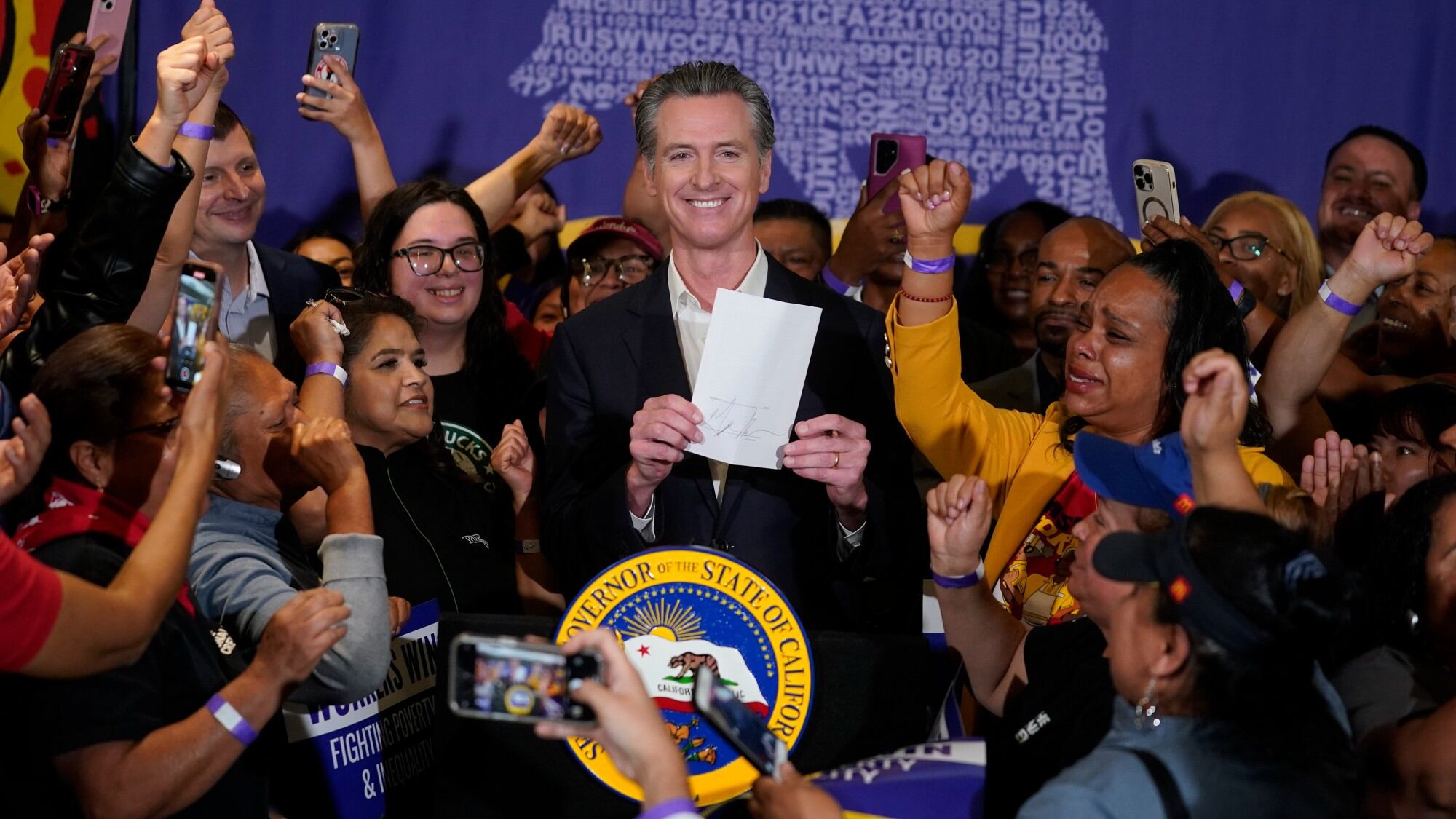
A new law in California will raise the minimum wage for fast food workers to $20 per hour next year, an acknowledgment from the state's Democratic leaders that most of the often overlooked workforce are the primary earners for their low-income households.
From Sunday, workers at the main United States base in Antarctica will no longer be able to walk into a bar and order a beer, after the U.S. federal agency that oversees the research program decided to stop serving alcohol.
House Republicans launched a formal impeachment hearing Thursday against President Joe Biden, promising to “provide accountability” as they probe the family finances and business dealings of his son Hunter and make their case to the public, colleagues and a skeptical Senate.
The FBI and other government agencies should be required to get court approval before reviewing the communications of U.S. citizens collected through a secretive foreign surveillance program, a sharply divided privacy oversight board recommended on Thursday.
The federal government is just days away from a shutdown that will disrupt many services, squeeze workers and roil politics as Republicans in the House, fueled by hard-right demands, force a confrontation over federal spending.