By Fatima Hussein
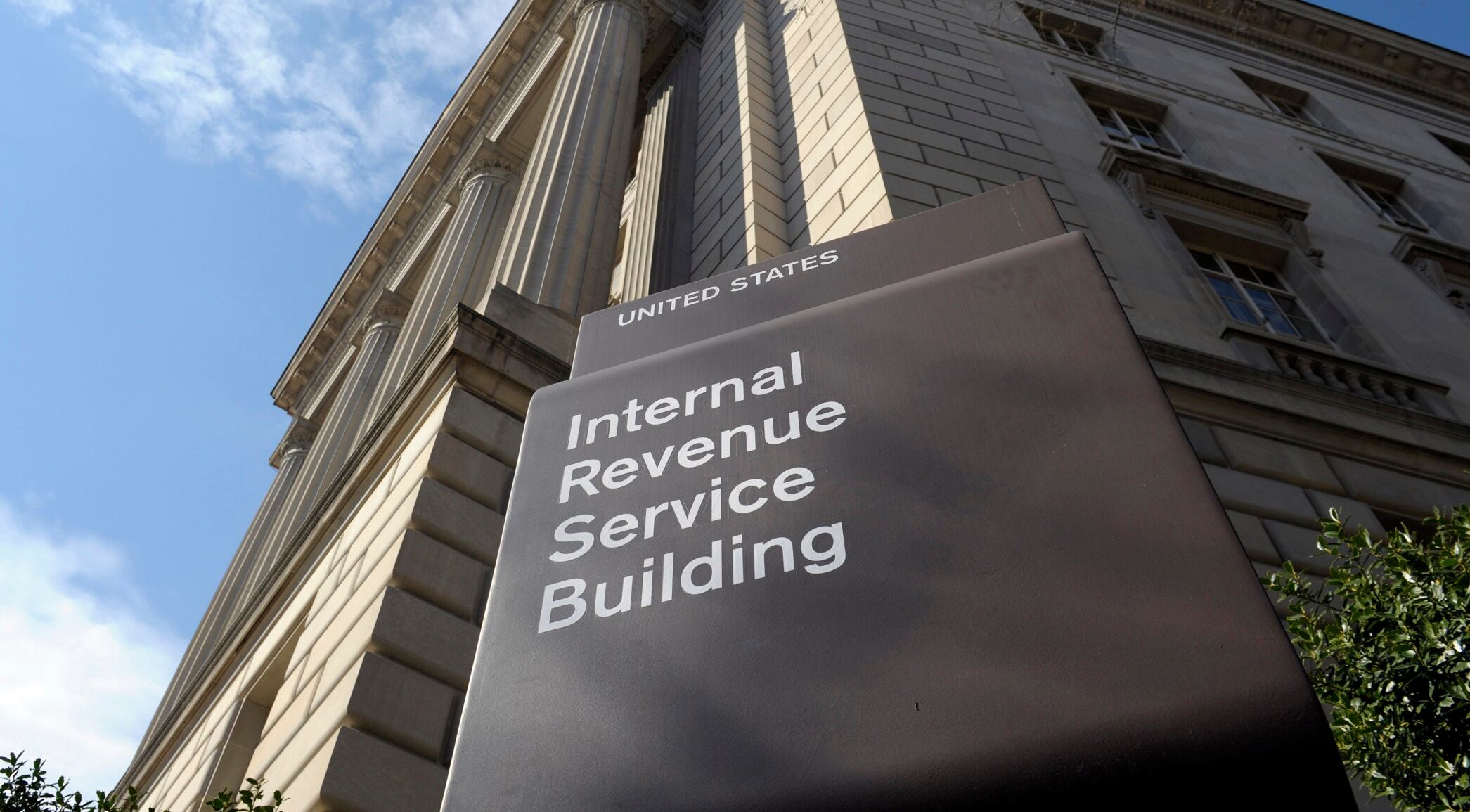
The IRS said Monday it will suspend the use of facial recognition technology to authenticate people who create online accounts after the practice was criticized by privacy advocates and lawmakers.
The agency said it would no longer use a third-party service, called ID.me, for facial recognition. Critics of the software said the database could become a target for cyberthreats. They also expressed concern about how the information could be used by other government agencies, among other concerns.
Earlier Monday, Senate Finance Committee Chair Ron Wyden, D-Ore., called on the agency to end its use of the ID.me software. After the IRS announced the practice would be suspended, Wyden said "the Treasury Department has made the smart decision to direct the IRS to transition away from using the controversial ID.me verification service.”
"No one should be forced to submit to facial recognition to access critical government services,” he added.
The IRS is currently grappling with a worker shortage and an expanded workload from processing tax filings and administering pandemic-related programs. Legislation that would have given the agency billions of dollars to more expeditiously process returns is stalled.
“The IRS takes taxpayer privacy and security seriously, and we understand the concerns that have been raised,” said IRS Commissioner Chuck Rettig.
“Everyone should feel comfortable with how their personal information is secured, and we are quickly pursuing short-term options that do not involve facial recognition.”
The agency said the transition would occur “over the coming weeks in order to prevent larger disruptions to taxpayers during filing season.”
These are the headlines you Need 2 Know for Wednesday, Dec. 5, 2018.
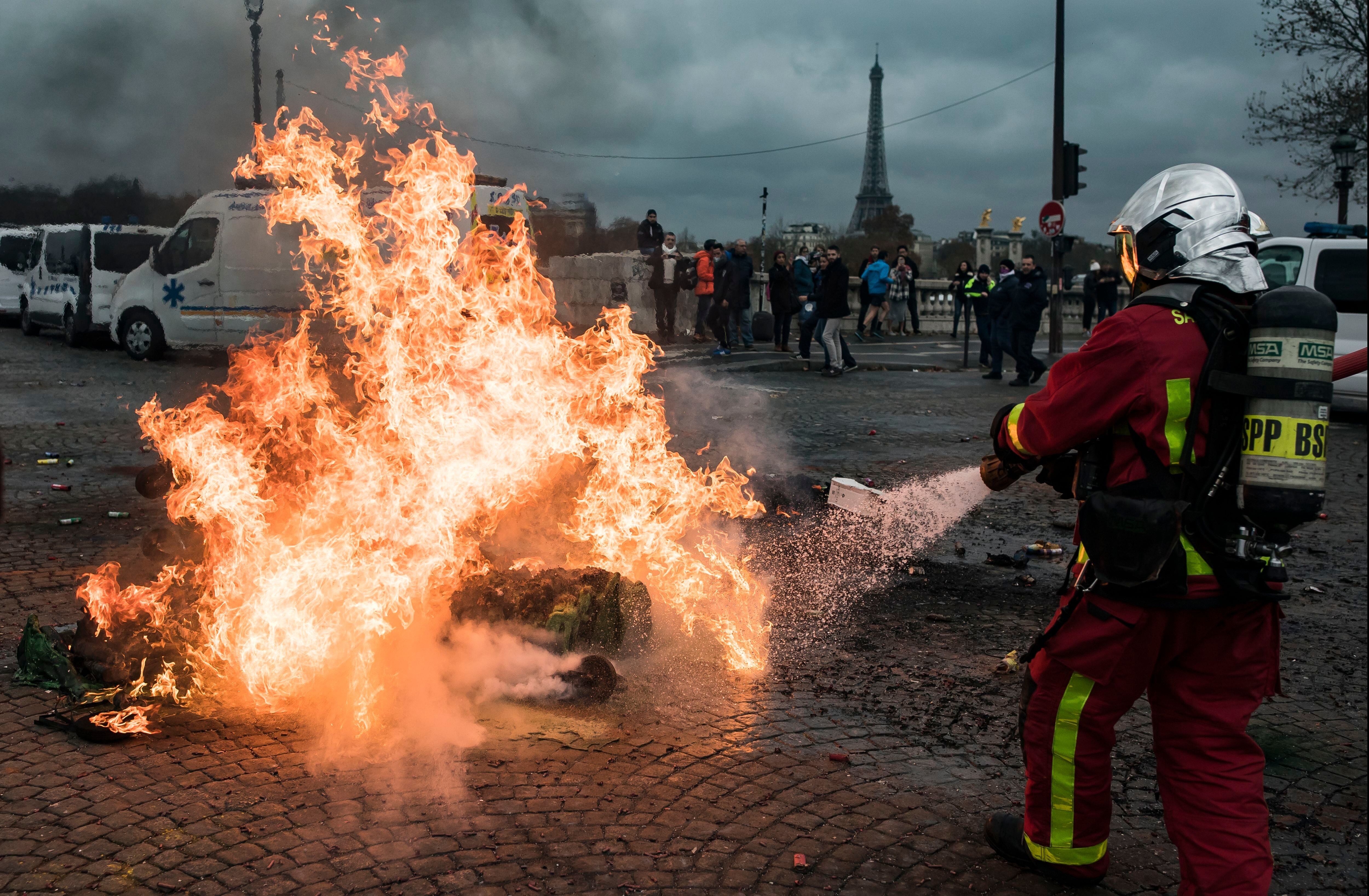
The famously stoic president of France may have conceded on fuel taxes to protestors, but his decision was most likely a product of circumstance, not an act of altruism. In this case, said Erin Zaleski of the Daily Beast, Emmanuel Macron had no one with whom he could negotiate. But small concessions, like a fuel tax moratorium, won't be enough to satisfy protesters who are wreaking havoc in the streets of Paris.
These are the headlines you Need 2 Know for Tuesday, Dec. 4, 2018.
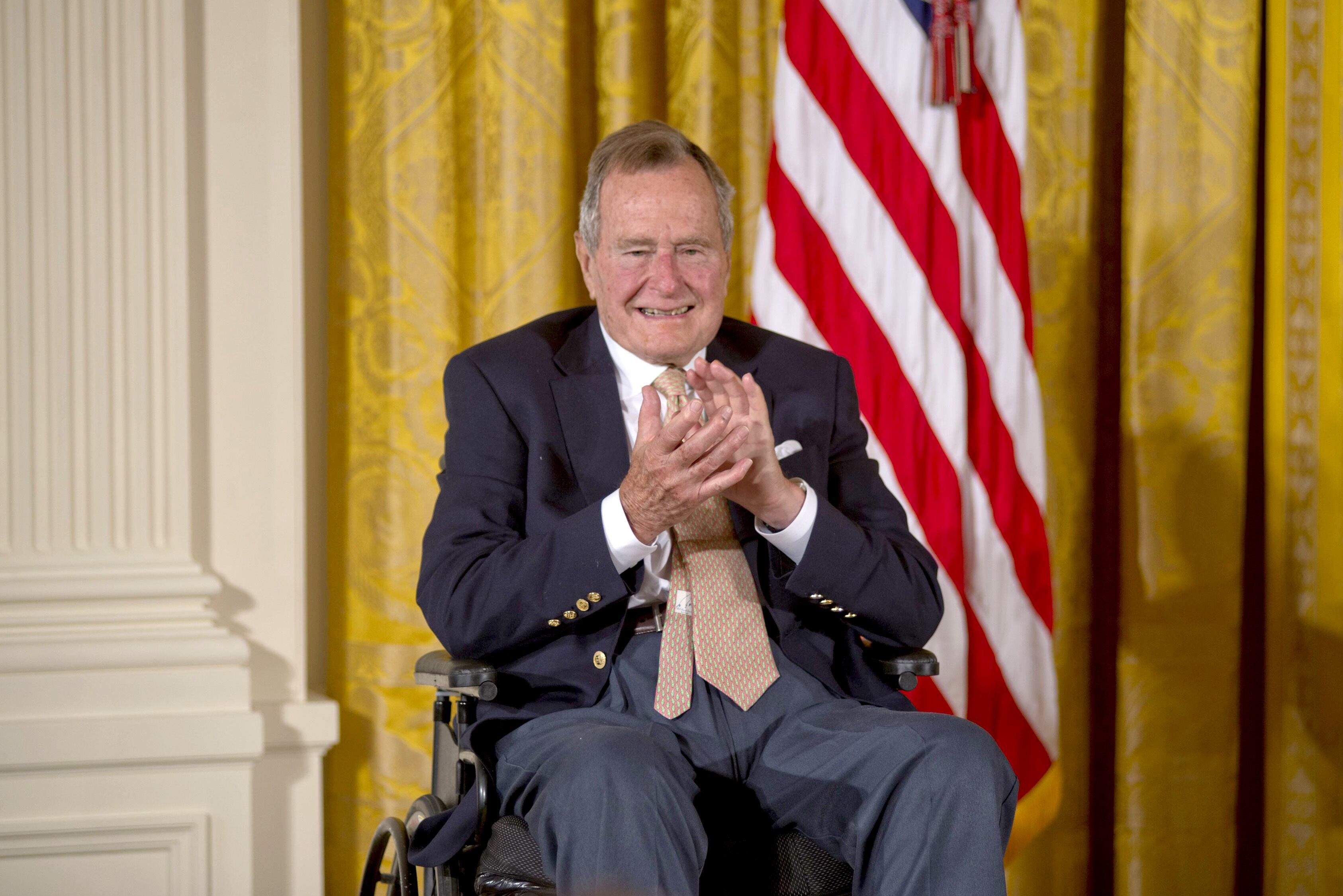
The man who spent years behind the lens during President George H.W. Bush's time as president remembers him as a man of honor. David Valdez, chief official White House photographer from 1989 to 1993, reminisced about his years observing the former president on Cheddar Monday, just days after Bush passed away at age 94.
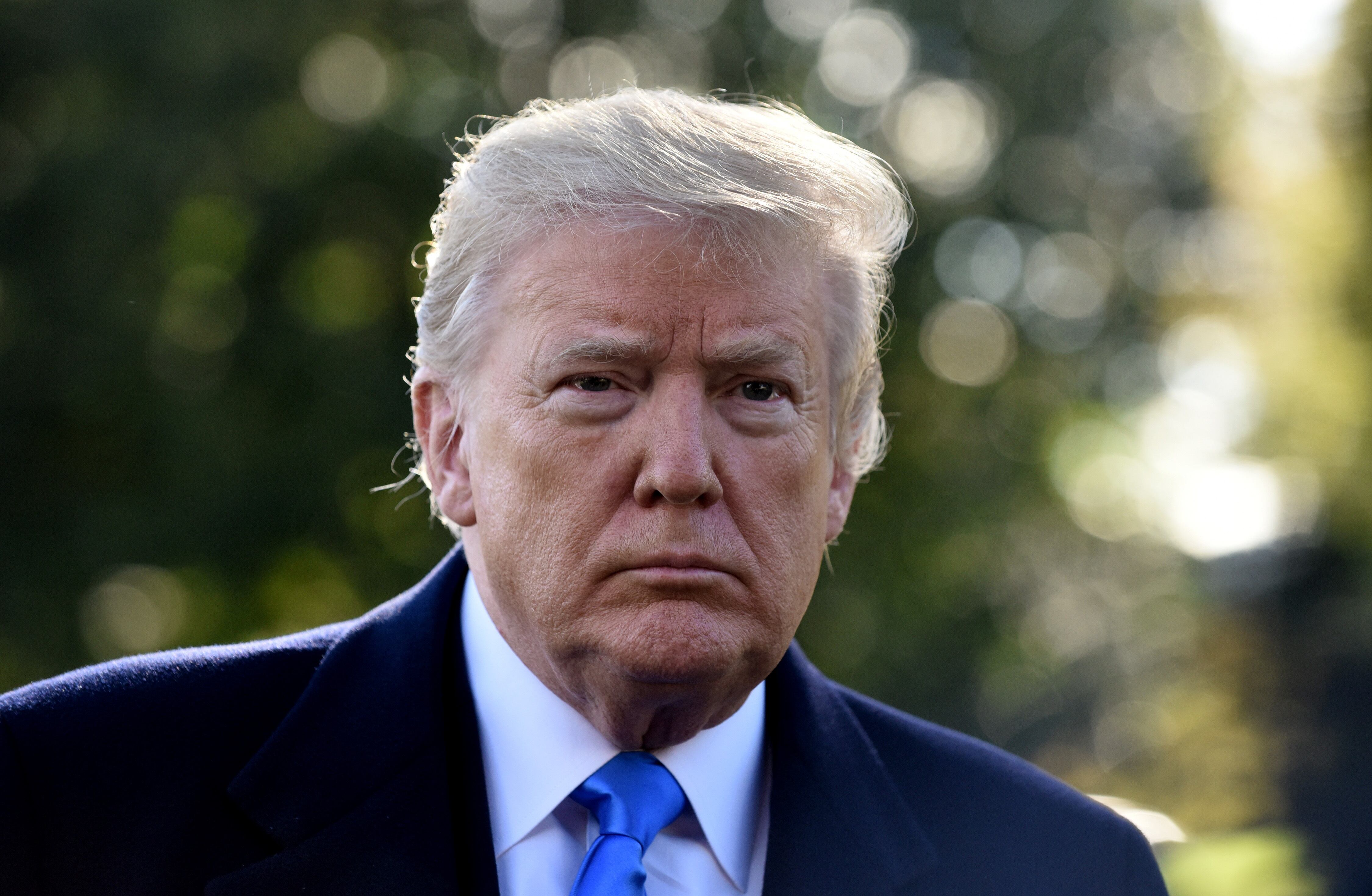
President Trump is opening himself up to allegations of obstruction by publicly dangling a pardon in front of his former campaign chairman Paul Manafort, "Proof of Collusion" author Seth Abramson told Cheddar on Monday.
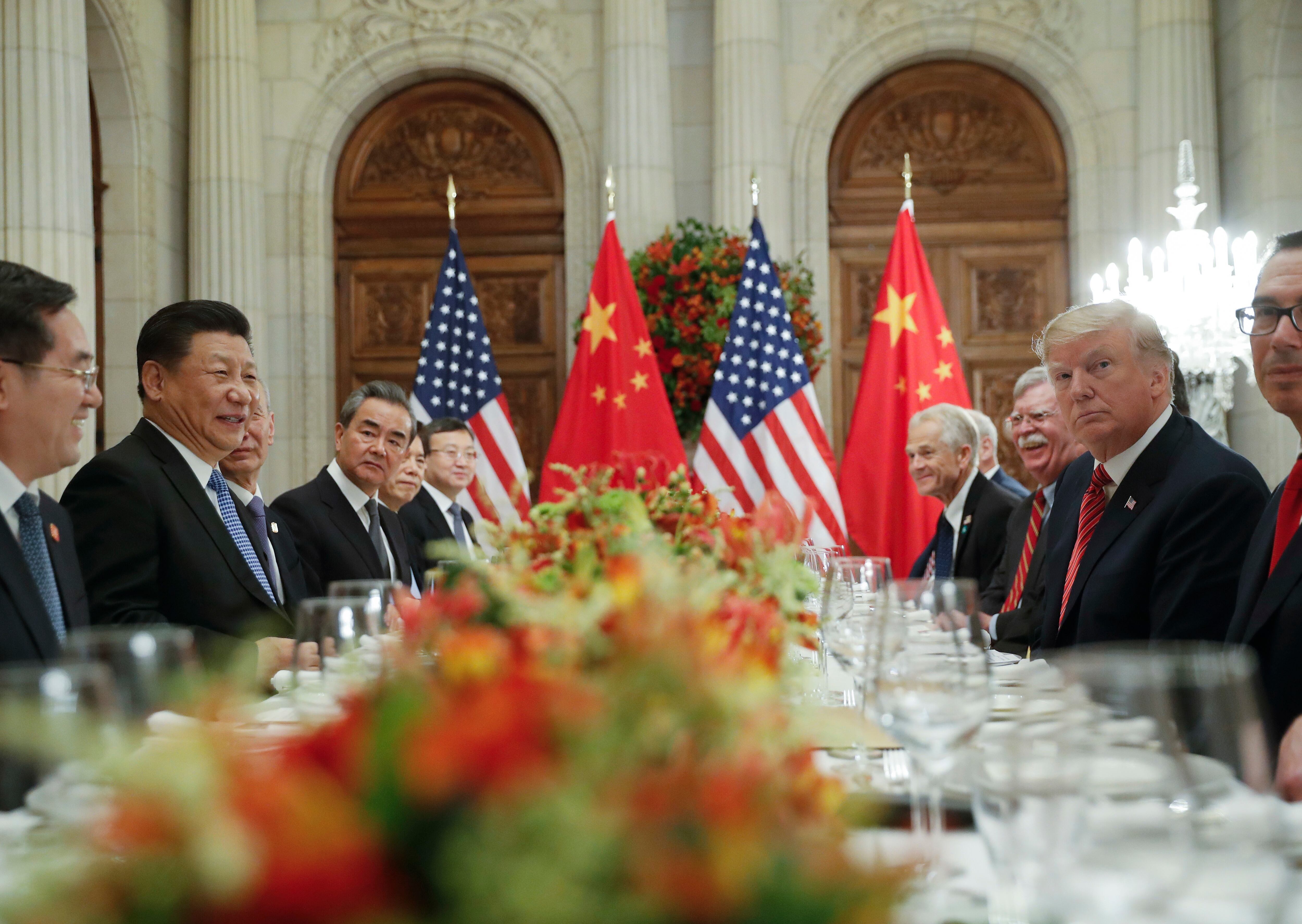
President Trump lauded his meeting with Chinese President Xi Jinping at the G20 summit in Buenos Aires as "extraordinary" after the two sides agreed to a pause in tariff increases for 90 days. But Hagar Chemali, CEO of Greenwich Media Strategies, said investors shouldn't start the ticker tape parade just yet.
These are the headlines you Need 2 Know for Monday, Dec. 3, 2018.
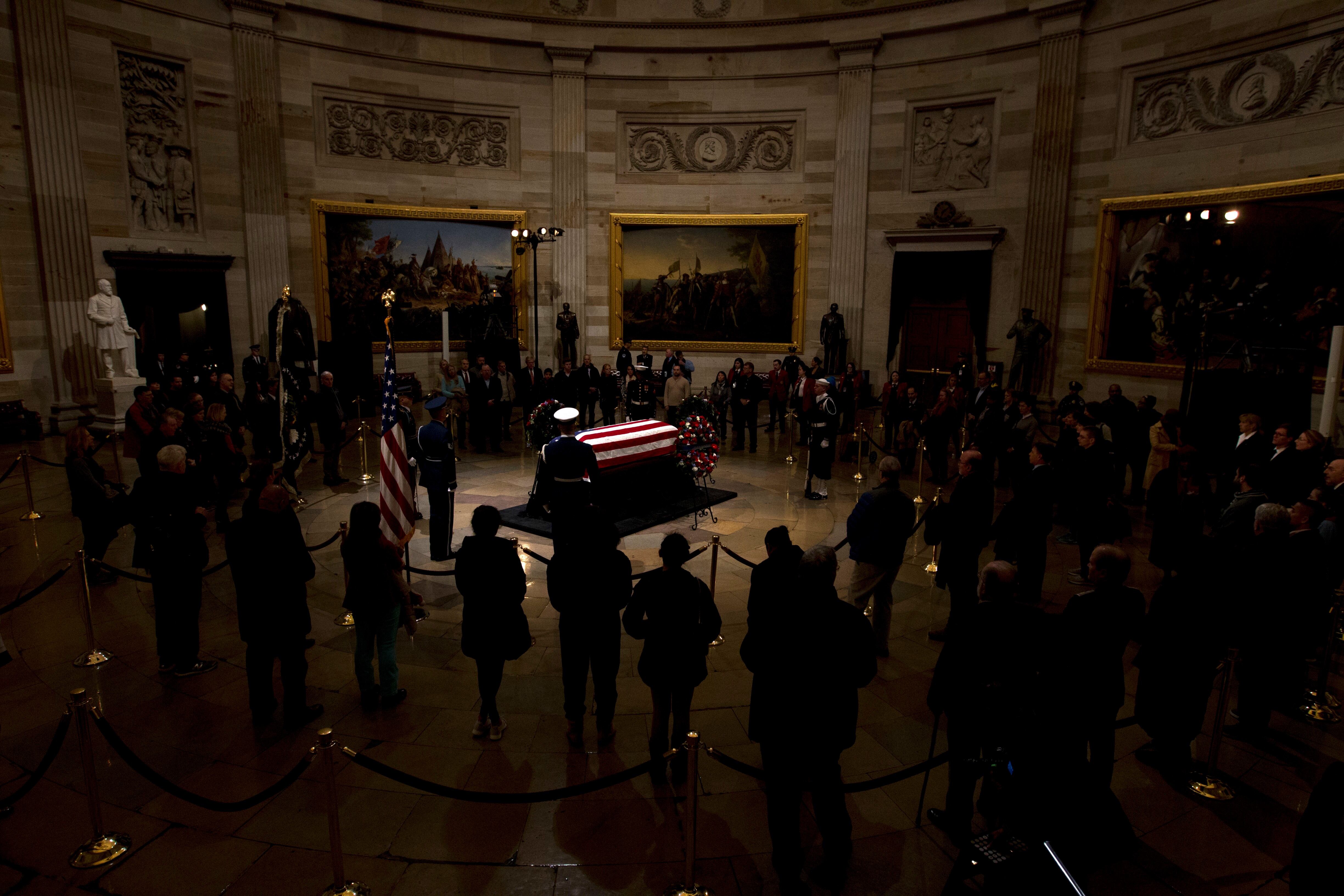
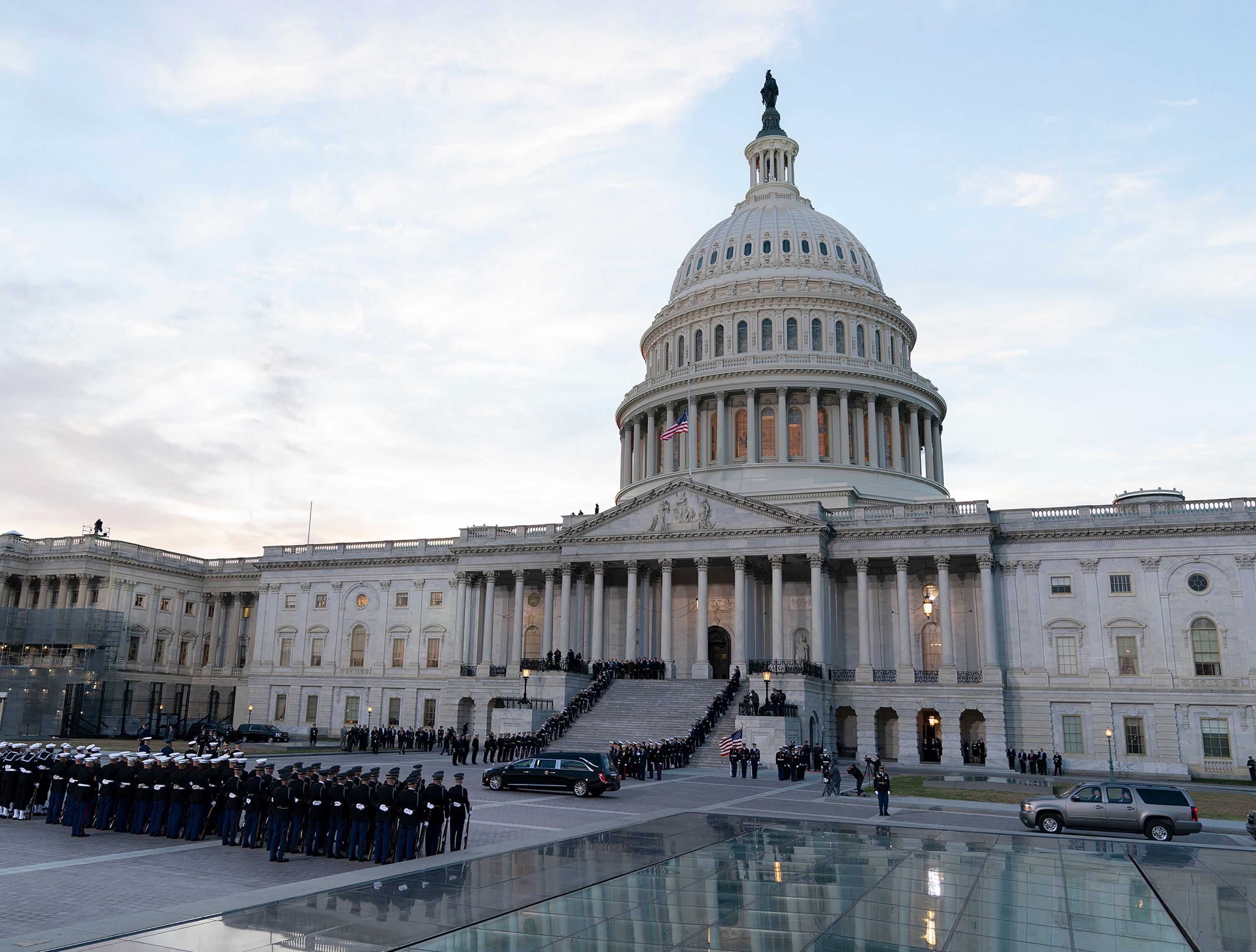
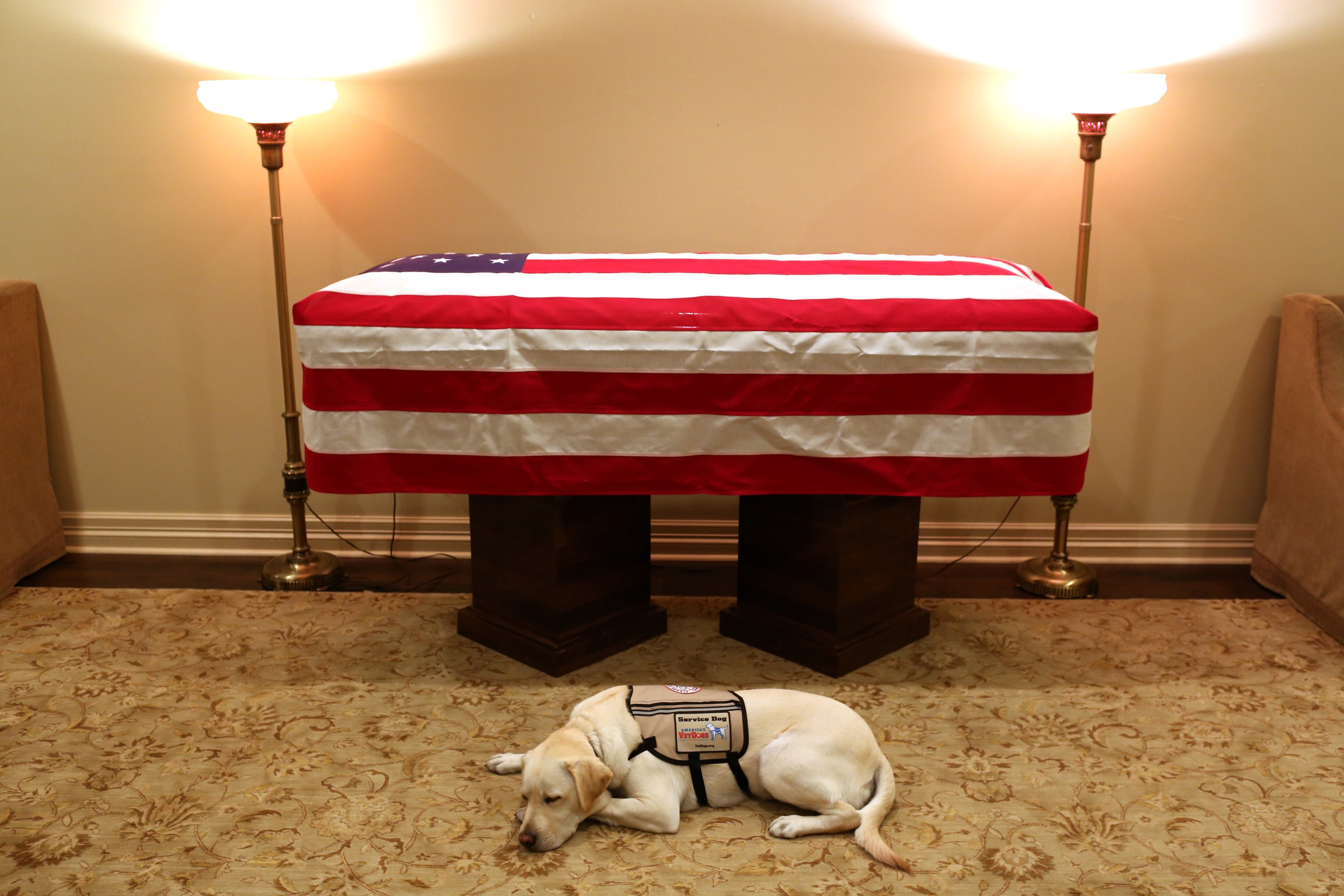
Stock markets and the federal government will close on Wednesday as the U.S. marks a national day of mourning for George H.W. Bush, the 41st president. Bush died at his home in Houston Friday night. He was 94.
Michael Cohen's latest revelations about President Trump's ties to Russia have left the U.S. leader isolated at the G20 summit and "looking like a petulant child" on the world stage, Rick Wilson, author of "Everything Trump Touches Dies," told Cheddar Friday.
Call it the "sandwich generation" ー people, often women, in their 30s and early 40s juggling demanding careers and increasing demands of caring for aging parents. Those are some of the stories Emmy Award-winning journalist Laura Ling is hoping to highlight in her podcast "Everyday Bravery."