By Fatima Hussein
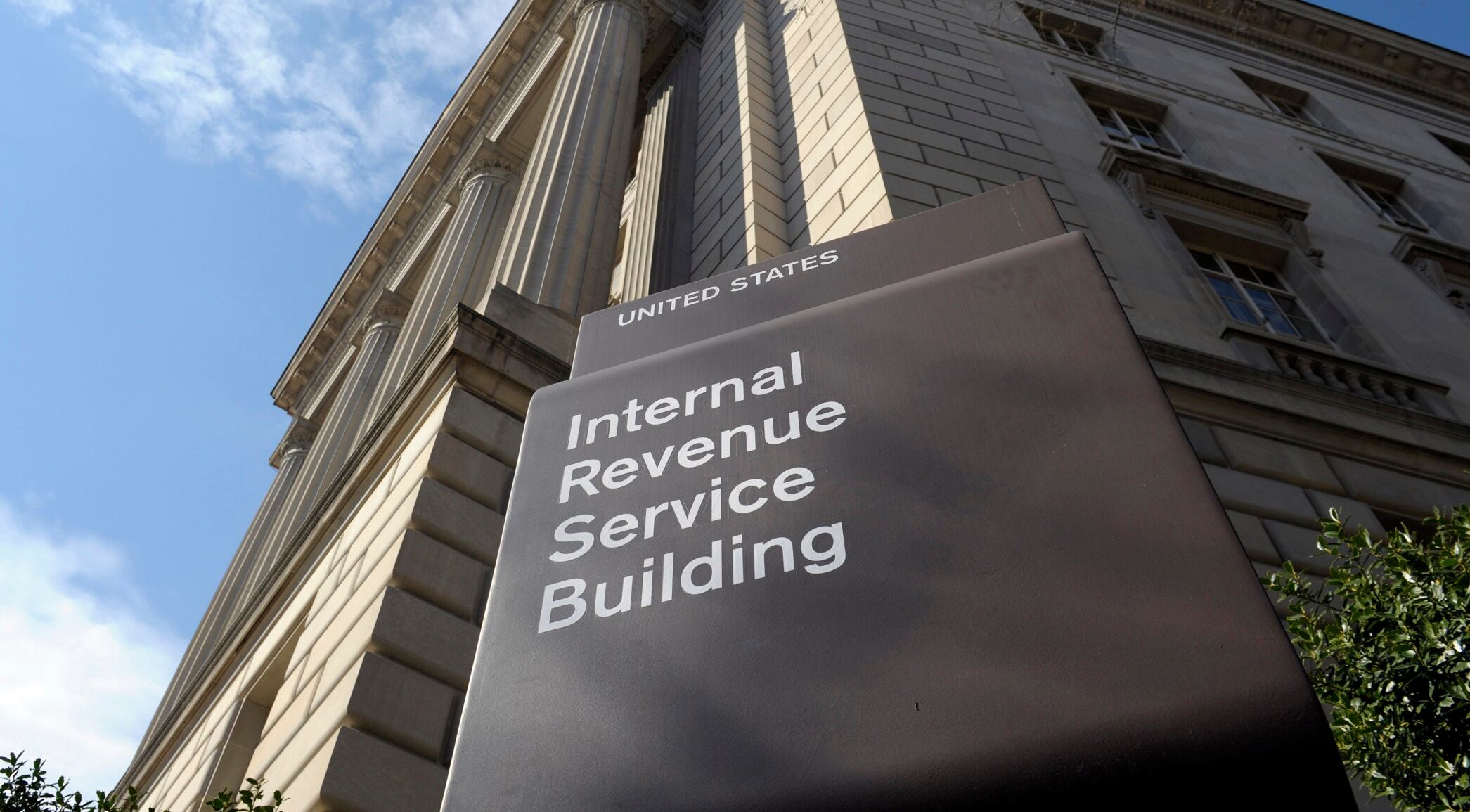
The IRS said Monday it will suspend the use of facial recognition technology to authenticate people who create online accounts after the practice was criticized by privacy advocates and lawmakers.
The agency said it would no longer use a third-party service, called ID.me, for facial recognition. Critics of the software said the database could become a target for cyberthreats. They also expressed concern about how the information could be used by other government agencies, among other concerns.
Earlier Monday, Senate Finance Committee Chair Ron Wyden, D-Ore., called on the agency to end its use of the ID.me software. After the IRS announced the practice would be suspended, Wyden said "the Treasury Department has made the smart decision to direct the IRS to transition away from using the controversial ID.me verification service.”
"No one should be forced to submit to facial recognition to access critical government services,” he added.
The IRS is currently grappling with a worker shortage and an expanded workload from processing tax filings and administering pandemic-related programs. Legislation that would have given the agency billions of dollars to more expeditiously process returns is stalled.
“The IRS takes taxpayer privacy and security seriously, and we understand the concerns that have been raised,” said IRS Commissioner Chuck Rettig.
“Everyone should feel comfortable with how their personal information is secured, and we are quickly pursuing short-term options that do not involve facial recognition.”
The agency said the transition would occur “over the coming weeks in order to prevent larger disruptions to taxpayers during filing season.”
These are the headlines you Need 2 Know for Tuesday, Jan. 8, 2018.
When freshman Democratic Rep. Alexandria Ocasio-Cortez floated the idea to Anderson Cooper on "60 Minutes" Sunday that the very wealthy pay a marginal tax rate as high as 70 percent, it got pundits and politicians all worked up. What exactly was the newly-elected, self-proclaimed radical proposing?
The head of security for Huawei, the embattled Chinese tech giant that has been accused of working as a front for Chinese intelligence services, told Cheddar's Hope King on Monday that "no government has ever asked us to spy" and that those accusations were part of a "drumbeat of anti-Huawei criticism."
These are the headlines you Need 2 Know for Monday, Jan. 7, 2019.
From Wall Street to Silicon Valley, these are the top stories that moved markets and had investors, business leaders, and entrepreneurs talking this week on Cheddar.
For the vast majority of Americans, the partial shutdown of the federal government is felt in small ways. For Native Americans, a prolonged shutdown could mean life or death. Aaron Payment, chairman of the Sault Ste. Marie tribe, told Cheddar that he's focused on one date: Jan. 15. That's when the tribe's next drawdown of federal funds is scheduled.
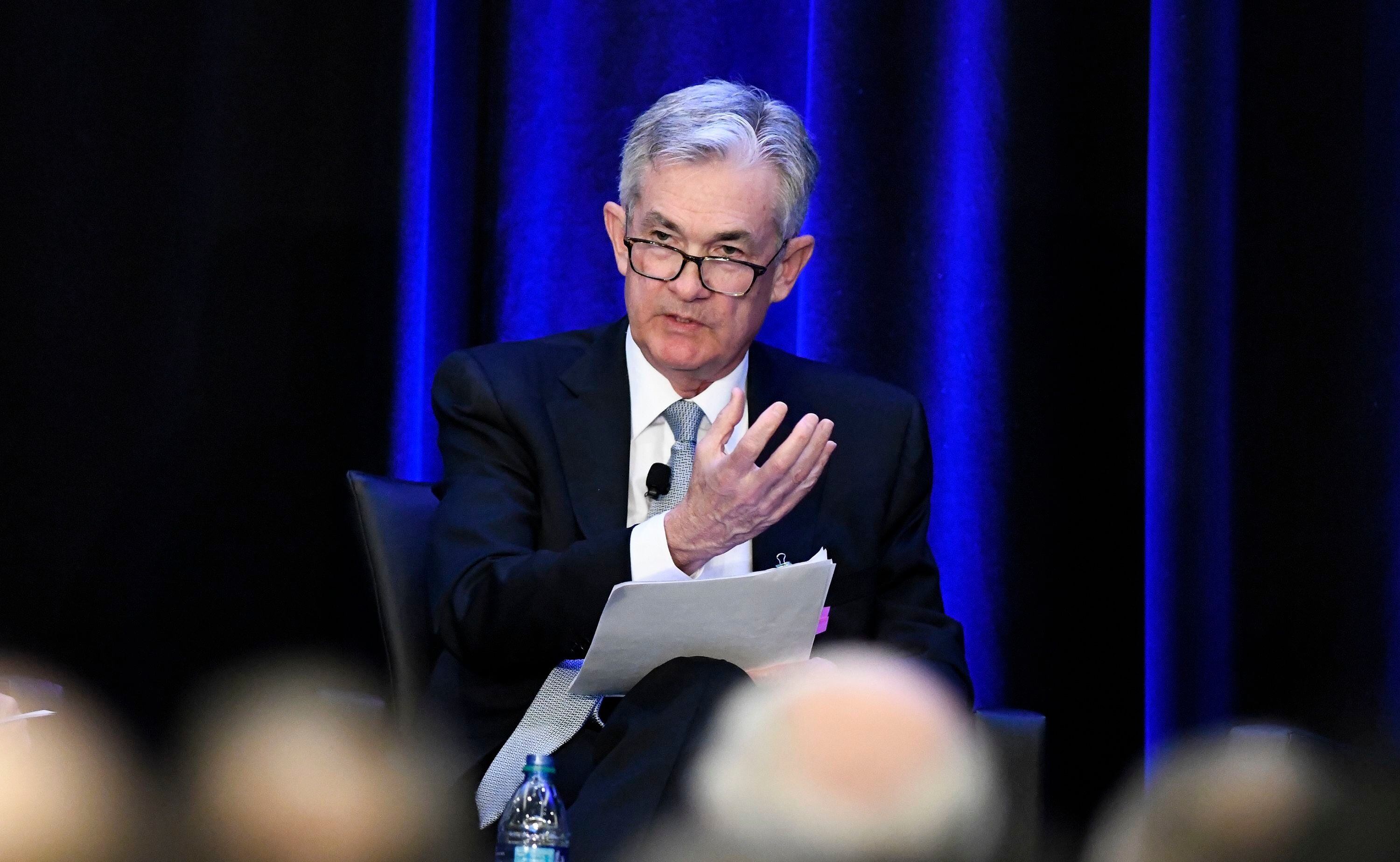
Markets soared on Friday ー the Dow Jones Industrial Average leading gaining more than 670 points ーfollowing comments by Fed Chair Jerome Powell on monetary policy and reports that the jobs market is not slowing.
New York is getting into a crypto state of mind with plans to create the nation's first Crypto Task Force. "New York State is the financial capital of the world, and we must have the proper regulations and proper balance to be able to figure out how to regulate in this space," N.Y. Assemblyman Clyde Vanel told Cheddar.
Rep. Harley Rouda, the newly elected Democrat from California's 48th district, doesn't want to waste any time getting legislation to the floor that will stimulate wage growth, which showed better-than-expected strength in Friday's blowout jobs report but remains a concern for economists.
These are the headlines you Need 2 Know for Friday, Jan. 4, 2019.