By Fatima Hussein
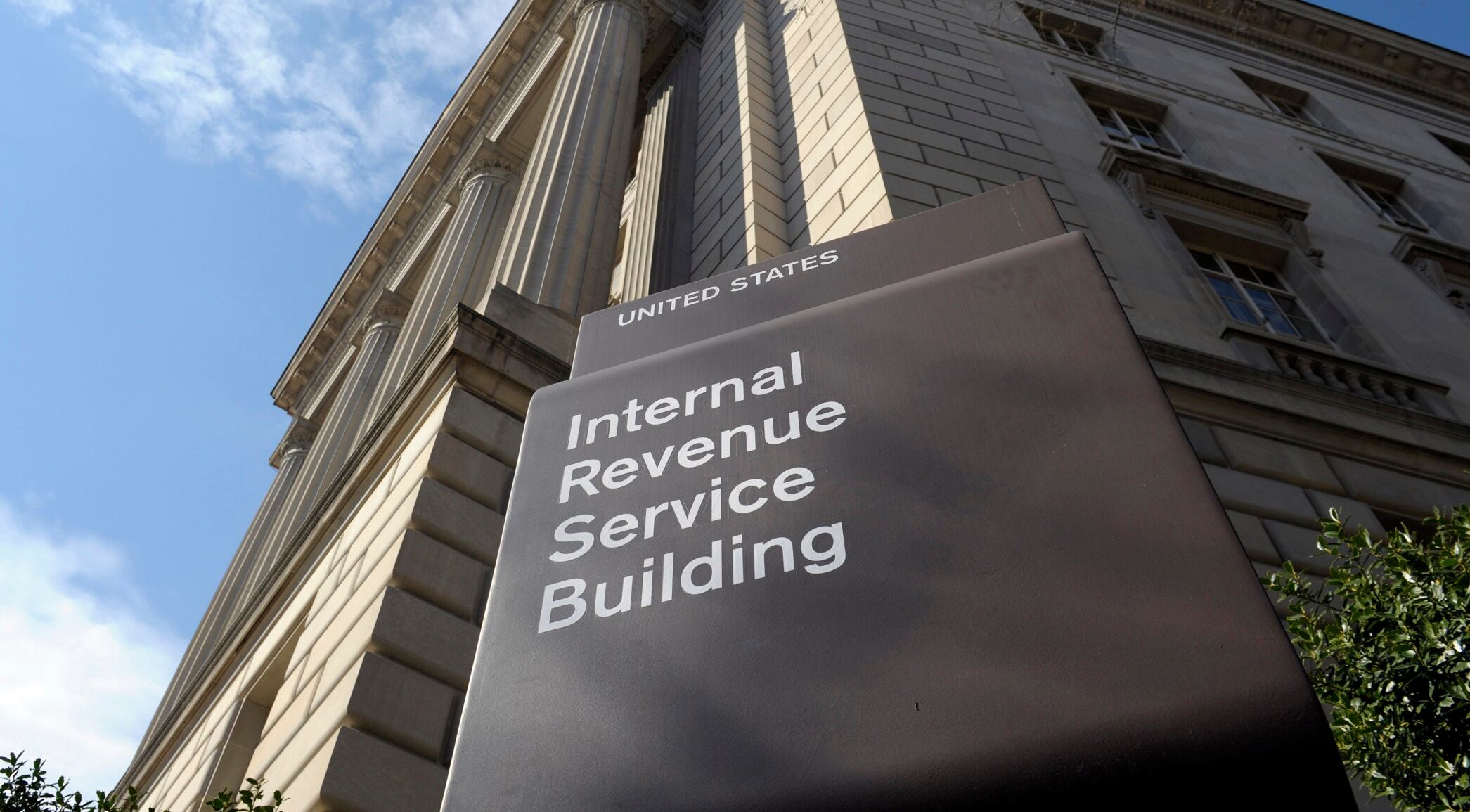
The IRS said Monday it will suspend the use of facial recognition technology to authenticate people who create online accounts after the practice was criticized by privacy advocates and lawmakers.
The agency said it would no longer use a third-party service, called ID.me, for facial recognition. Critics of the software said the database could become a target for cyberthreats. They also expressed concern about how the information could be used by other government agencies, among other concerns.
Earlier Monday, Senate Finance Committee Chair Ron Wyden, D-Ore., called on the agency to end its use of the ID.me software. After the IRS announced the practice would be suspended, Wyden said "the Treasury Department has made the smart decision to direct the IRS to transition away from using the controversial ID.me verification service.”
"No one should be forced to submit to facial recognition to access critical government services,” he added.
The IRS is currently grappling with a worker shortage and an expanded workload from processing tax filings and administering pandemic-related programs. Legislation that would have given the agency billions of dollars to more expeditiously process returns is stalled.
“The IRS takes taxpayer privacy and security seriously, and we understand the concerns that have been raised,” said IRS Commissioner Chuck Rettig.
“Everyone should feel comfortable with how their personal information is secured, and we are quickly pursuing short-term options that do not involve facial recognition.”
The agency said the transition would occur “over the coming weeks in order to prevent larger disruptions to taxpayers during filing season.”
As the government shutdown drags on, calls from some conservative corners have increased for President Trump to declare a national emergency in order to get federal employees back to work while diverting funds to build a border wall. However, conservative radio show host Erick Erickson is cautioning the president against doing just that.
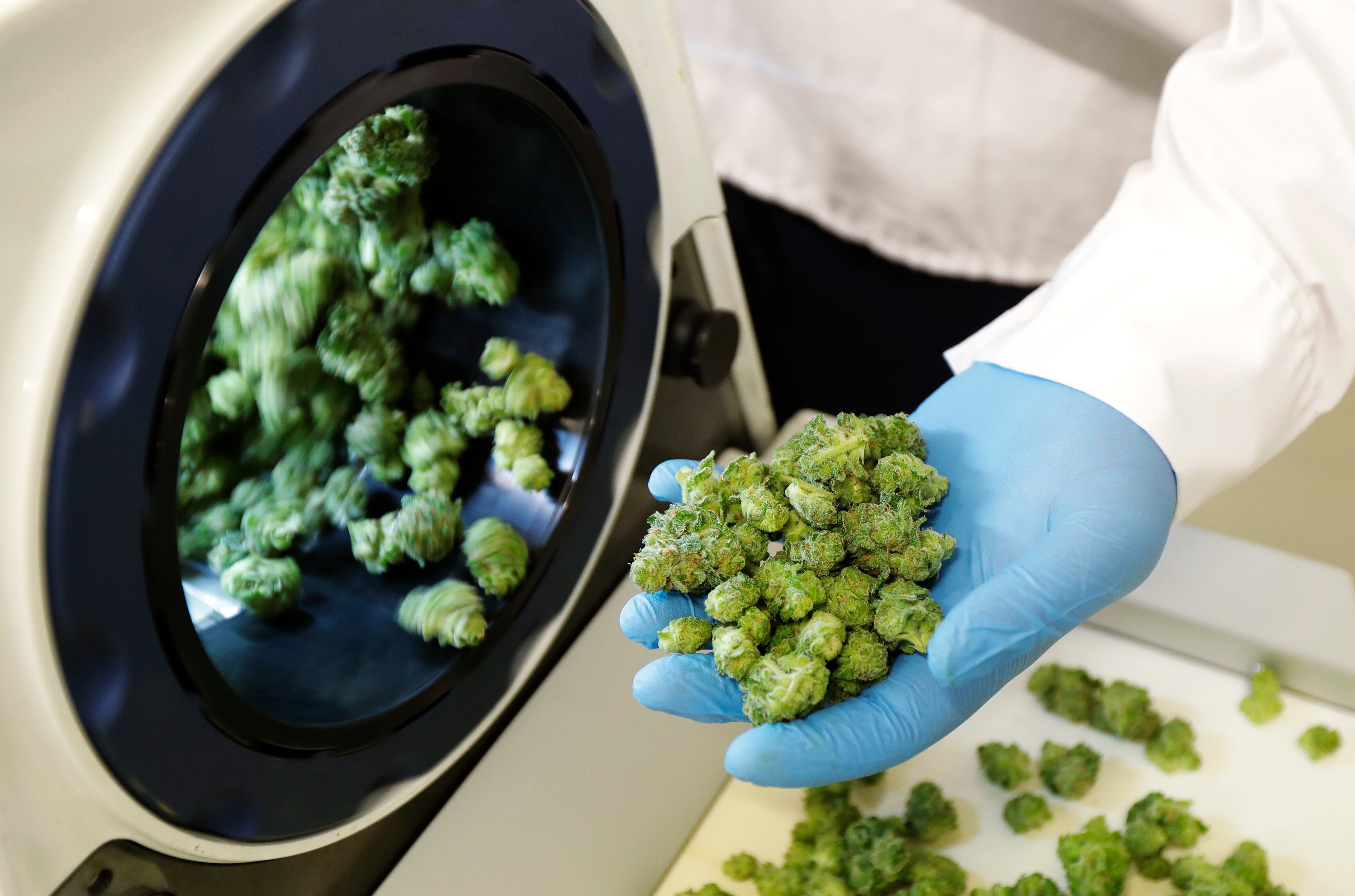
The cannabis industry enjoyed a productive 2018, but the government shutdown may be turning the industry's green light to yellow. Cannabis stocks are up overall, but according to Debra Borchardt, co-founder and CEO of Green Market Report, the government shutdown has left some farmers and companies in limbo.
These are the headlines you Need 2 Know for Tuesday Jan. 15, 2019.
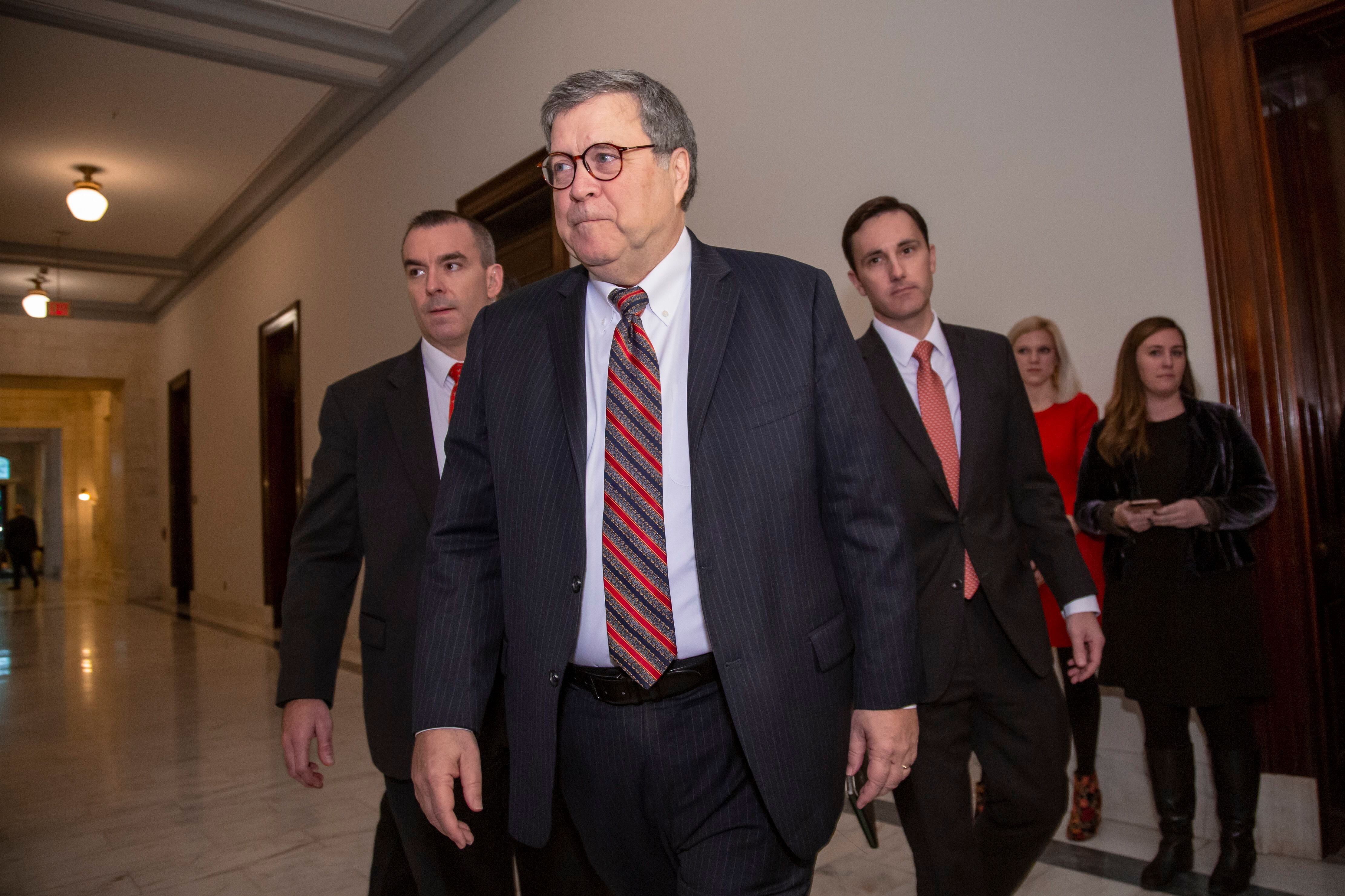
When William Barr, President Trump's nominee for attorney general, appears before the Senate Judiciary Committee on Tuesday for his confirmation hearing, his views on executive privilege will be under the microscope. "Mr. Barr has expressed some very broad views of executive authority and he's also expressed a very strong view that a president cannot be criminally charged," Jennifer Daskal, Associate Professor of Law at American University, told Cheddar on Monday.
Weak economic data from China and the ongoing government shutdown appeared to drag down the major U.S. indexes on Monday morning. SpaceX is slashing its workforce by 10 percent in an effort to become "leaner." Plus, we sit down with Emmy-award winning actor and producer Yeardley Smith who is most famous for voicing the iconic cartoon character, Lisa Simpson.
These are the headlines you Need 2 Know for Monday, Jan. 14, 2019.
From Wall Street to Silicon Valley, these are the top stories that moved markets and had investors, business leaders, and entrepreneurs talking this week on Cheddar.
Rep. John Garamendi (D-Calif.) warned President Trump not to mess with emergency funding for California on Friday after the commander-in-chief threatened to cut off disaster-relief in the fire-ravaged state. In a tweet on Wednesday, Trump suggested that California itself was to blame for the wildfires that killed 86 people and destroyed thousands of homes last year, and said he was considering pulling its FEMA funds.
The housing market is slowing down ー and that's not necessarily a bad thing. So says Tendayi Kapfidze, chief economist for LendingTree, who told Cheddar Friday what to expect from the housing market this year.
Is it time for the federal government to hire its own chief information officer? Rep. Will Hurd (R-Tex.) thinks so. He told Cheddar Friday that the recent spate of major data breaches warrant a federal czar to help protect consumers and potentially even levy penalties on companies that don't do enough to safeguard users' information.